menu
Member Sign In
  • IWFS Homepage
  • Blog Home
  • Forums Home
  • Global Forum
  • Contact Us
Close
  • IWFS Homepage
  • Blog Home
  • Forums Home
  • Global Forum
  • Contact Us
    Member Sign In
  • Blog Home
  • Forum Home
  • Global Forum

Follow Us

Recent Posts

  • OUR 2002 RED BURGUNDY HORIZONTAL IS AGING WELL, SHOWCASING REFINED PRECISION WITH TERROIR-DRIVEN CHARM
  • Ask Sid: Thoughts of Sid Cross on the Judgement of Paris historic wine tasting at the 50th Anniversary?
  • EDUCATIONAL #AUSSIEWINE SEMINAR “CLASSIC AND CONTEMPORARY AUSTRALIA” BY KNOWLEDGEABLE MARK DAVIDSON WAS A BIG HIT AT @VANWINEFEST
  • Ask Sid: Was it 50 years since California bested France in a Paris wine tasting?
  • HORIZONTAL TASTING OF RED BORDEAUX 2015 SHOWS FRUIT FLESHINESS WITH VARIABILITY + OUTSTANDING BENTO BOX

Archives

  • April 2026
  • March 2026
  • February 2026
  • January 2026
  • December 2025
  • November 2025
  • October 2025
  • September 2025
  • August 2025
  • July 2025
  • June 2025
  • May 2025
  • April 2025
  • March 2025
  • February 2025
  • January 2025
  • December 2024
  • November 2024
  • October 2024
  • September 2024
  • August 2024
  • July 2024
  • June 2024
  • May 2024
  • April 2024
  • March 2024
  • February 2024
  • January 2024
  • December 2023
  • November 2023
  • October 2023
  • September 2023
  • August 2023
  • July 2023
  • June 2023
  • May 2023
  • April 2023
  • March 2023
  • February 2023
  • January 2023
  • December 2022
  • November 2022
  • October 2022
  • September 2022
  • August 2022
  • July 2022
  • June 2022
  • May 2022
  • April 2022
  • March 2022
  • February 2022
  • January 2022
  • December 2021
  • November 2021
  • October 2021
  • September 2021
  • August 2021
  • July 2021
  • June 2021
  • May 2021
  • April 2021
  • March 2021
  • February 2021
  • January 2021
  • December 2020
  • November 2020
  • October 2020
  • September 2020
  • August 2020
  • July 2020
  • June 2020
  • May 2020
  • April 2020
  • March 2020
  • February 2020
  • January 2020
  • December 2019
  • November 2019
  • October 2019
  • September 2019
  • August 2019
  • July 2019
  • June 2019
  • May 2019
  • April 2019
  • March 2019
  • February 2019
  • January 2019
  • December 2018
  • November 2018
  • October 2018
  • September 2018
  • August 2018
  • July 2018
  • June 2018
  • May 2018
  • April 2018
  • March 2018
  • February 2018
  • January 2018
  • December 2017
  • November 2017
  • October 2017
  • September 2017
  • August 2017
  • July 2017
  • June 2017
  • May 2017
  • April 2017
  • March 2017
  • February 2017
  • January 2017
  • December 2016
  • November 2016
  • October 2016
  • September 2016
  • August 2016
  • July 2016
  • June 2016
  • May 2016
  • April 2016
  • March 2016
  • February 2016
  • January 2016
  • December 2015
  • November 2015
  • October 2015
  • September 2015
  • August 2015
  • July 2015
  • June 2015
  • May 2015
  • April 2015
  • March 2015
  • February 2015
  • January 2015
  • December 2014
  • November 2014
  • October 2014
  • September 2014
  • August 2014
  • July 2014
  • June 2014
  • May 2014
  • April 2014
  • March 2014
  • February 2014
  • January 2014
  • December 2013
  • November 2013
  • October 2013
  • September 2013
  • August 2013
  • July 2013
  • June 2013

Meta

  • Log in
  • Entries feed
  • Comments feed
  • WordPress.org

Archive for the ‘Uncategorized’ Category

Older Entries
Newer Entries

Ask Sid: Which grapes are allowed in Champagne?

June 6th, 2018 by Joseph Temple
Ask your question here

what grapes are used to make champagne

Question: Which grape varieties are allowed in the production of Champagne?

Answer: You usually see only the classic grapes of Chardonnay, Pinot Noir & Pinot Meunier being used these days. However there are actually a total of 6 authorized varieties with 3 secondary ones (often sensitive to frost) less often seen because of their tiny production and usually only in the Aube (region south of Troyes): Arbanne, Petit Meslier, and Pinot Blanc Vrai. Champagne Moutard grows all 6 grape varieties and did release a unique “Cuvee aux 6 Cepages”. Look for these lesser known unique Champage varieties.


You might also like:

English Wines Making Progress

June 4th, 2018 by Sid Cross

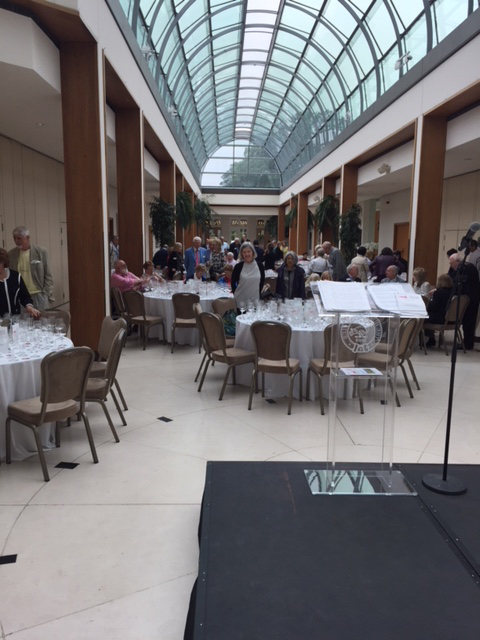
Just attended the Europe Africa Zone’s well organized International Wine & Food Society London Festival May 28 to June 2, 2018 with members participating from some 17 countries. Their event app worked well all week and particularly worthy of high praise were the brilliant badges prepared in large font showing clearly Name, Branch, your allocated Coach, Dine Around Restaurant and the Number of your Walk (out of 8 interesting possible ones available). Chairman of Council Ian Nicol presented the Andre Simon Silver Medal to Stephanie Shepherd Chair of the Festival Organizing Committee for a job very well done. As always at these Festivals some spectacular venues were arranged for the functions held including Corinthia Hotel, Eltham Palace, Hurlingham Club, Merchant Taylors Livery Hall and Goldsmiths Livery Hall that added immensely to the enjoyment of the events. Check out a future one.

Many international wines from all over the world (including Austria, France, Greece, Hungary, Italy, Portugal, and South Africa) were spotlighted at lunches and dinners including such treasures as 1996 Leoville Barton (contributed by Anita and the late Ian Rushton former Chair of the EAC & Secretary/Treasurer of the Society), rich 2009 & structured 2010 Domaine de Chevalier Blanc, well chosen excellent forwardly drinking 2009 white and red Burgundies like Chassagne Montrachet Les Vergers Jean-Marc Pillot, Corton Charlemagne Louis Latour, and Vosne-Romanee Domaine Jean Grivot, old classic 2004 Gran Reserva 890 La Rioja Alta, delicious 2007 Wehlener Sonnenuhr Riesling Auslese JJ Prum only 7.5 alcohol not served quite chilled enough, and outstanding still young classic 2005 vintage Bordeaux like Canon-la-Gaffeliere, Bahans-Haut-Brion, and Climens. Kudos to Ron Barker Chair of IWFS Wines Committee and his team for choosing such appropriate insightful selections that IMHO always paired well with the food courses served.

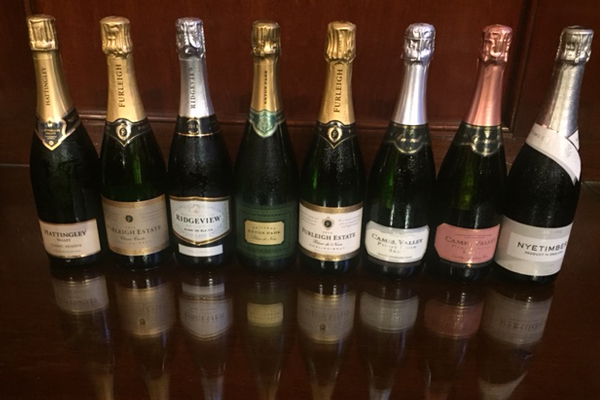
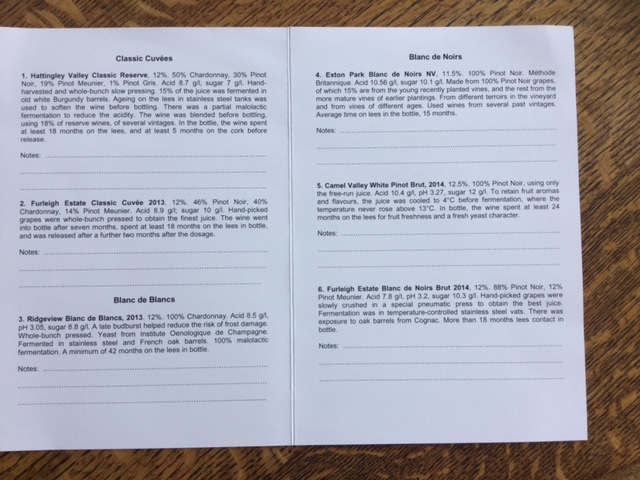
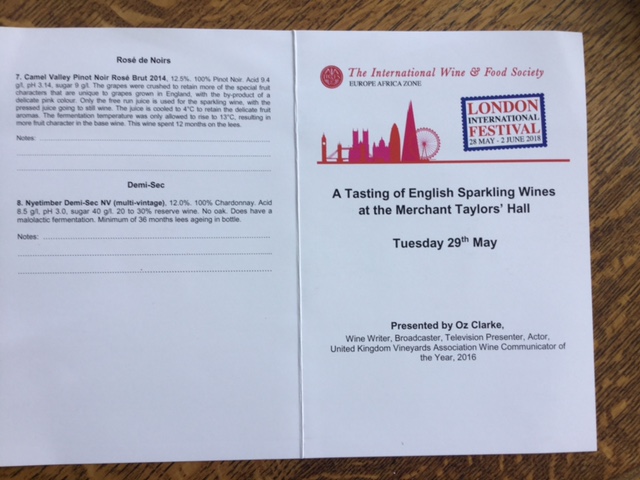
For this scribe two outstanding tastings of English Wines were educational highlights showing their progress in quality. The first was the Andre Simon Lecture on May 29 given by celebrity wine expert Oz Clarke focusing on topical climate change and how traditional wine areas are different than in the past with the opportunity now presented to newer emerging wine regions to make their mark. This led appropriately right into a tasting of 8 English sparkling wines as shown in the attached program. The sparkling wines are being produced with lower yields (30-35hl/ha or around 2 tons/acre) compared to Champagne resulting in quite intense flavours. Hattingley has chalky soils like Le Mesnil but preferred richer Furleigh Classic Cuvee on Chablis-like limestone. My favourite was Ridgeview  with 100% chardonnay with longer time of 42 months spent on the lees but more expensive at 45 GBP. The Exton Park in Hampshire using 100% pinot noir reminded me because of the high acidity level (10.56) of the Benjamin Bridge success in Nova Scotia with potential for aging as does the Camel Valley white pinot. Their Rose is a very attractive pink colour. Nyetimber who started it all back in the nineties is now in the capable hands of winemaker Cherie Spriggs and her husband Brad Greatrix (both who studied in Vancouver at the UBC Wine Research Centre) who wisely chose to make no sparkling wines in the difficult 2012 vintage. Their 100% chardonnay using 20-30% reserve wine with 36 months on the lees impresses in that sweeter Demi-Sec style. Sparkling wines are showing great promise indeed.

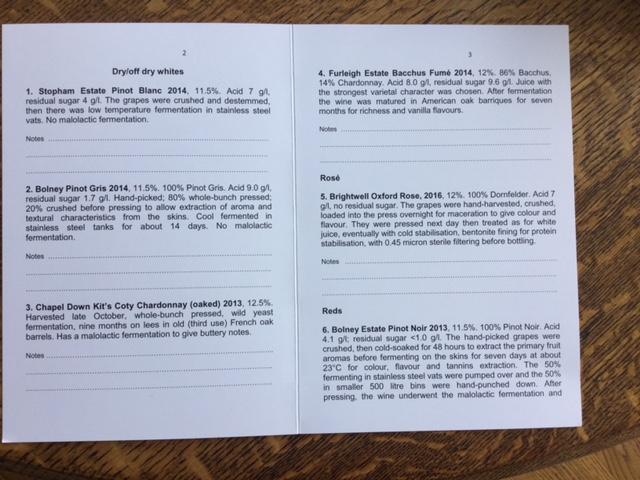
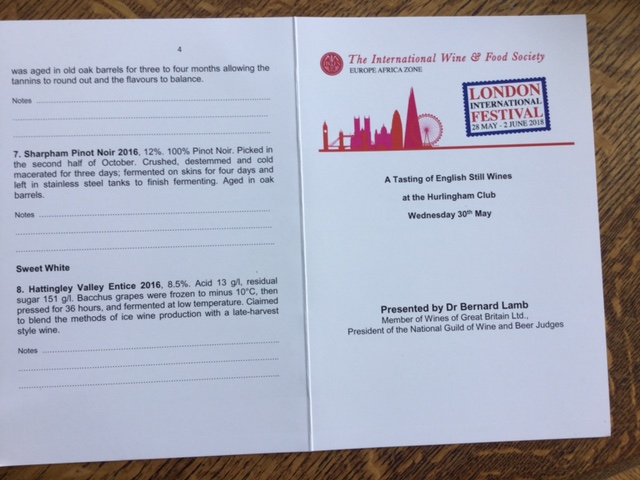
The second tasting of eight English Still Wines on May 30 was presented by Dr. Bernard Lamb who compiled a useful most detailed booklet on all the English wines shown at the Festival. Try to get a copy of it. As he stated they are “never going to make a Barossa Shiraz” in England but all the wines impressed for their freshness, light body, higher acidity, and so drinkable at refreshing lower alcohol levels. The group fav was Entice the sweeet concentrated Bacchus by freezing method to get rid of some of the water from Hattingley Valley. Your scribe was impressed most by the potential shown for pinot gris. This grape is the most planted white variety in British Columbia but often can be a little “boring” coming in around 14 alcohol and not rich enough for Alsace style yet not lively enough for similarity to refreshing Italian pinot grigio. England IMHO is on the right track with 2014 Bolney (ten miles north of Brighton) fairly priced 17.50 GBP showing light (11.5 alcohol) fresh dry (1.7 RS) high acid (9,0) plus some floral pineapple notes of interest that makes a versatile food wine perfect with most seafood. It showed this even matched with smoked salmon from Forman’s – a delightful tour/lunch also part of the Festival. As their vines get older they will continue to refine this but please keep up this style.

Have you been following the English wine remarkable progress?


center


You might also like:

Have you been following the English wine remarkable progress?

View Results

Loading ... Loading ...

Ask Sid: What about the growing vineyards in England and Wales?

May 30th, 2018 by Joseph Temple
Ask your question here

Ask Sid: What about the growing vineyards in England and Wales?

Question: What is happening with increased vineyards being planted in England and Wales?

Answer: Topical question. Production presently is around 2/3 bubbles, 1/4 white wine and the rest around 10% red & rose. Stats for last year show about 135 wineries now with over 700 vineyards. There has been a big increase occurring resulting in a doubling from just over 1000 hectares to 2500 in the last 8 years. Climate change is bullish for quality English sparkling wine! Monitor it.


You might also like:

More Exciting London Restaurants from Chef Yotam Ottolenghi

May 28th, 2018 by Sid Cross

More Exciting London Restaurants from Chef Yotam Ottolenghi

On June 26 2017 this Blog highlighted the delicious dishes prepared at Nopi restaurant in London of talented Chef Yotam Ottolenghi. After nearly another year of experimenting in our home kitchen with more innovative recipes from his treasury of cookbooks it was with great anticipation that your scribe returned again to check it all out live. We were not disappointed but enthralled.

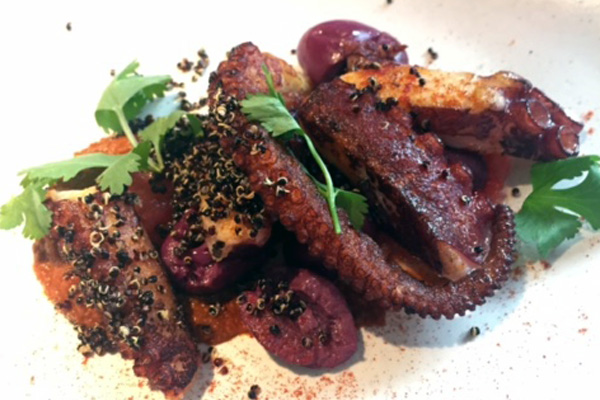
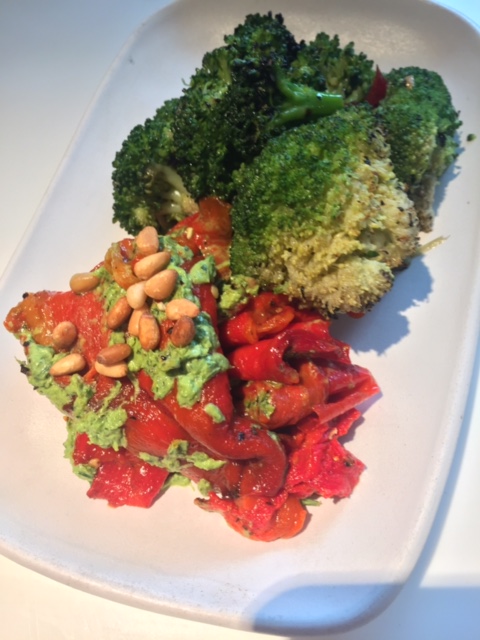
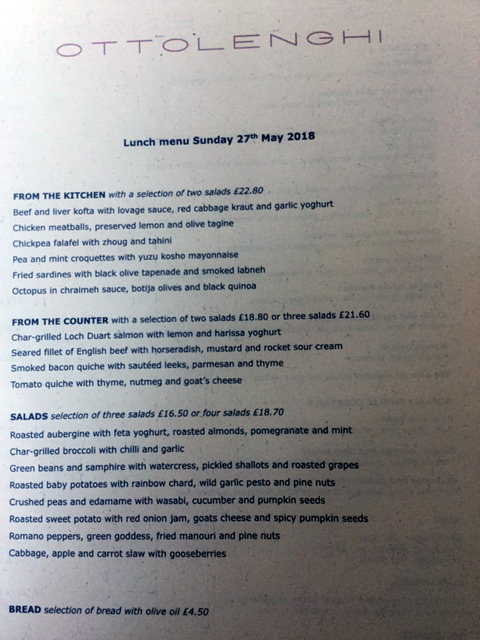
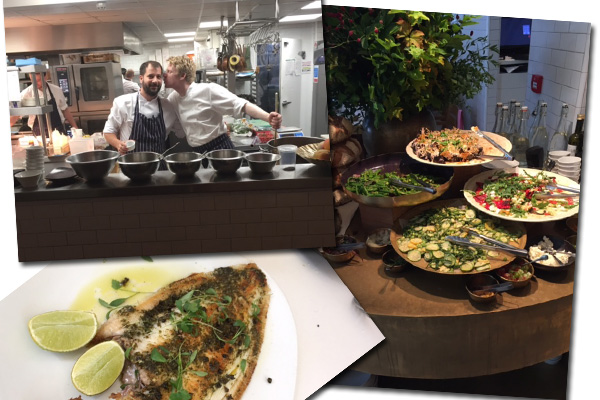
This time the sampling of his excellent flavour combinations was at his informal location near the hot trendy Spitalfields market scene – a must visit! This larger 70 person capacity spot now open for 3 years was alive with relaxed patrons including families enjoying this Middle Eastern culinary style with an emphasis on vegetables. The salads are the key either by themselves or as sides with a main course. Tried for £22.80 each (which includes two salads out of your choice of eight avaiable) two amazingly inviting hot mains: Fried sardines (deboned first) with black olive tapenade and smoked labneh (thicker strained yogurt) & Octopus in chraimeh sauce (tomato puree with different spices – adapt your own combo from his Jerusalem cookbook recipe), botija olives and black crisp quinoa. The salads are always enticing features of their own with the char-grilled broccoli with chili and garlic always a big hit. This time the new Romano red peppers, green goddess, fried manouri (Greek whey cheese by-product of Feta) stole the show. My old favourite of green beans and samphire with watercress, pickled shallots and roasted grapes was bright and crunchy. In fact this time slightly undercooked IMHO as would have been sweeter more complex flavoured yet still crisp with 30 seconds more cooking before their cold water blanching. The chef at this location agrees however he prefers them with a “greener” lift to his taste.

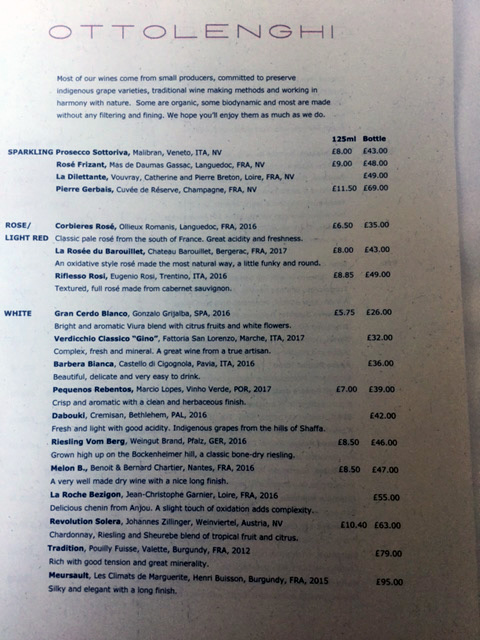
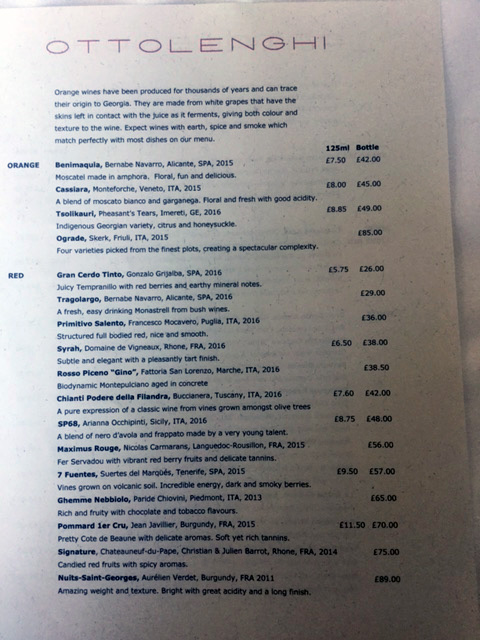
The wine list is surprising with some diverse well chosen items. The Gonzalo Grijalba Gran Cerdo Spanish white aromatic Viura blend & red earthy biodynamic Tempranillo both at £5.75 for a 125ml glass is great value and works well with the food. Service is friendly and food knowledgeable. There was some social media buzz out there about smaller portions being done now but we didn’t find that at this lunch. Perhaps more of a concern with shared plates at a dinner.

Excited about still another new location Rovi opening at 55 Wells Street in Fitzrovia end of June to check out next time. Some of the staff including their talented bartender will be moving there for the expected vibrant bar scene with cocktails based on seasonal spices. There will also be a fresh focus on fermentation and cooking over fire as well as vegetables to look forward to trying. Always environmentally aware they will be working to reduce waste by using leftover wine and coffee grounds in vinegars and even some recipes. Watch out!

Hope you are on top of the Ottolenghi culinary phenomenon.


center


You might also like:

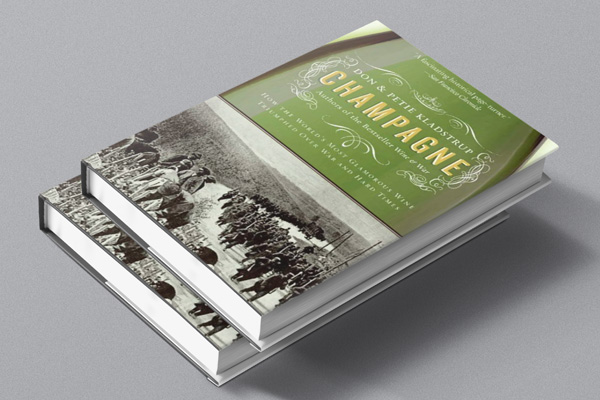
Book Review: Champagne: How the World’s Most Glamorous Wine Triumphed Over War and Hard Times

May 27th, 2018 by Joseph Temple

book review Champagne: How the World's Most Glamorous Wine Triumphed Over War and Hard Times

By Joseph Temple

“Champagne is not a wine,” wrote one reviewer from the nineteenth century. “It is the wine.”  Producing the quintessential drink to celebrate everything from wedding vows to winning the World Series, the region of Champagne, with its chalky soil and cold climate has taken on mythical proportions as a place synonymous with happiness and joy.  But behind those millions of fine bubbles is a darker past—a past plagued by war and devastation.  “The greatest irony of all,” writes authors Don and Petie Kladstrup, “is that Champagne, site of some of mankind’s bitterest battles, should be the birthplace of a wine the entire world equates with good times and friendship.”

The duo that also penned 2001’s best seller Wine and War: The French, the Nazis and the Battle for France’s Greatest Treasure dispels the notion that sequels tend to disappoint with their riveting history Chamapgne: How the World’s Most Glamorous Wine Triumphed Over War and Hard Times. Looking back through the centuries, the Kladstrups’ uncover a past that both wine drinkers and non-drinkers alike will find simply fascinating.

For starters, we learn that in the beginning, the irresistible blend of Chardonnay, Pinot Noir and Pinot Meunier was a foreign concept to most vintners in the region.  Besides being known for producing wool, Champagne was a place to go not for sparkling wine, but for red wine.  In fact, the rivalry it had with its neighbors in Burgundy was so intense that had the Champenois not slowly switched over to fizz, an all-out war would’ve broken out between the two competing regions.

Ironically, this gradual shift towards sparkling wine was met with ardent resistance by some of the area’s most iconic figures. Dom Pérignon, a Benedictine monk who is etched in stone as one of Champagne’s greatest winemakers did everything in his power to eliminate the bubbles from his wine, considering them to be a terrible flaw. He was seconded by Louis XIV, a fan of Champagne but a hater of bubbly.

While today the method for making champagne is uniform and rigid, back then, the process was so unpredictable and dangerous that it was commonly called the “Devil’s wine.” Due to the buildup of carbonic gas, the book informs us that winemakers were required to wear a crude version of a catcher’s mask in case a bottle exploded, which was often.  And what now seems surreal, prior to 1728, French law required sparkling champagne to be transported in wooden casks for taxation purposes. “Wood destroyed its effervescence,” writes the Kladstrups’. “Its porous nature allowed the gas to escape, resulting in champagne that was flat.”  Thankfully, an exception was made for Champagne as the science behind bubbly began to evolve.

In identifying the key players who made Champagne what it is today, the authors highlight the efforts of Claude Moët, the first winemaker in the region to switch over entirely to sparkling wine.  Continuing the timeline, they state: “Louis Pasteur’s discovery of yeasts helped champagne-makers understand what fermentation really is … an enterprising champagne producer named Adolphe Jacquesson invented the bottle washing machine.  He also invented the wire muzzle, which replaced the string that had previously been used to hold down corks. William Duetz topped him by developing the metal foil that covers the muzzle and cork.” Last but not least was Barbe-Nicole Ponsardin who invented the process known as remuage (or riddling).

Another fascinating subject of the book deals with the region itself, and how Champagne, until this past century, never saw itself as one monolithic region united under a common purpose of making bubbles. Instead, the Marne, its most prestigious area viewed the Aube as nothing more than a red headed stepchild piggybacking off the former’s reputation.  This toxic relationship, in part, led to the infamous Champagne Riots of 1910 and 1911, when local growers rebelled against what they saw as unfair practices from the big houses.  Feeling shortchanged by policies requiring that only 51 percent of the grapes used to make champagne had to come from within its boundaries, fans of this wine may be shocked to uncover that apple and pear juice were also sometimes used in place of actual grapes.  Describing the chaos in great detail, the reader learns that approximately six million bottles flowed like a river down the streets as numerous champagne houses lay in ruin. The region’s production methods, guided by a strict set of rules and regulations, was born largely as a result of these riots.

Arguably the book’s greatest strength are the two chapters dealing the First World War and its devastating impact on Champagne. Describing the situation, Don and Petie Kladstrup write: “trenches cut through Champagne like a jagged knife, zigzagging across the region and slicing through vineyards. As winter fell and the year drew to a close, the chalky soil of Champagne turned those trenches into a hell of grey, clinging mud.”  Those interested in military history will wonder how Champagne ever came back after enduring 1,051 consecutive days of bombing resulting in a loss of half its population—all while its surviving citizens lived for years in underground caves known as crayères. At the same time, when you read quotes from Winston Churchill stating that “Remember gentlemen, it’s not just France we are fighting for, it’s Champagne,” it will have a whole new meaning.

From Dom Pérignon to Champagne Charlie, this book delivers in presenting a concise history of both the region and its people up until the Second World War. Additionally, members of the International Wine and Food Society will also be pleased to know that André Simon’s The History of Champagne is listed in the bibliography, making it a well-researched historical narrative that should be recommended for anyone interested in learning more about Champagne and its unparalleled uniqueness!


You might also like:

Older Entries
Newer Entries
The object of the Society is to bring together and serve all who believe that a right understanding of good food and wine is an essential part of personal contentment and health and that an intelligent approach to the pleasures and problems of the table offers far greater rewards than the mere satisfaction of appetite.
Andre Simon Wine & Food Society Founder (1933)
© 2026 The International Wine & Food Society (IW&FS) IW&FS
Credits | Privacy | Accessibility