menu
Member Sign In
  • IWFS Homepage
  • Blog Home
  • Forums Home
  • Global Forum
  • Contact Us
Close
  • IWFS Homepage
  • Blog Home
  • Forums Home
  • Global Forum
  • Contact Us
    Member Sign In
  • Blog Home
  • Forum Home
  • Global Forum
FOLOW US

Recent Posts

  • Ask Sid: Does sugar level in Sparkling wine affect ageability?
  • ‘TIS THE SEASON FOR YOUR FAVOURITE HOLIDAY COOKIE!
  • Ask Sid: Best wine region for Sylvaner?
  • TOP QUALITY ST. JULIEN CHÂTEAU DUCRU-BEAUCAILLOU VERTICAL SHOWS MIXED RESULTS
  • Ask Sid: What does pigeage refer to in winemaking?

Archives

  • December 2025
  • November 2025
  • October 2025
  • September 2025
  • August 2025
  • July 2025
  • June 2025
  • May 2025
  • April 2025
  • March 2025
  • February 2025
  • January 2025
  • December 2024
  • November 2024
  • October 2024
  • September 2024
  • August 2024
  • July 2024
  • June 2024
  • May 2024
  • April 2024
  • March 2024
  • February 2024
  • January 2024
  • December 2023
  • November 2023
  • October 2023
  • September 2023
  • August 2023
  • July 2023
  • June 2023
  • May 2023
  • April 2023
  • March 2023
  • February 2023
  • January 2023
  • December 2022
  • November 2022
  • October 2022
  • September 2022
  • August 2022
  • July 2022
  • June 2022
  • May 2022
  • April 2022
  • March 2022
  • February 2022
  • January 2022
  • December 2021
  • November 2021
  • October 2021
  • September 2021
  • August 2021
  • July 2021
  • June 2021
  • May 2021
  • April 2021
  • March 2021
  • February 2021
  • January 2021
  • December 2020
  • November 2020
  • October 2020
  • September 2020
  • August 2020
  • July 2020
  • June 2020
  • May 2020
  • April 2020
  • March 2020
  • February 2020
  • January 2020
  • December 2019
  • November 2019
  • October 2019
  • September 2019
  • August 2019
  • July 2019
  • June 2019
  • May 2019
  • April 2019
  • March 2019
  • February 2019
  • January 2019
  • December 2018
  • November 2018
  • October 2018
  • September 2018
  • August 2018
  • July 2018
  • June 2018
  • May 2018
  • April 2018
  • March 2018
  • February 2018
  • January 2018
  • December 2017
  • November 2017
  • October 2017
  • September 2017
  • August 2017
  • July 2017
  • June 2017
  • May 2017
  • April 2017
  • March 2017
  • February 2017
  • January 2017
  • December 2016
  • November 2016
  • October 2016
  • September 2016
  • August 2016
  • July 2016
  • June 2016
  • May 2016
  • April 2016
  • March 2016
  • February 2016
  • January 2016
  • December 2015
  • November 2015
  • October 2015
  • September 2015
  • August 2015
  • July 2015
  • June 2015
  • May 2015
  • April 2015
  • March 2015
  • February 2015
  • January 2015
  • December 2014
  • November 2014
  • October 2014
  • September 2014
  • August 2014
  • July 2014
  • June 2014
  • May 2014
  • April 2014
  • March 2014
  • February 2014
  • January 2014
  • December 2013
  • November 2013
  • October 2013
  • September 2013
  • August 2013
  • July 2013
  • June 2013

Meta

  • Log in
  • Entries feed
  • Comments feed
  • WordPress.org

Archive for the ‘Uncategorized’ Category

Older Entries
Newer Entries

IWFS Boston Enthusiastic About Chablis Vintages

June 1st, 2020 by Sid Cross

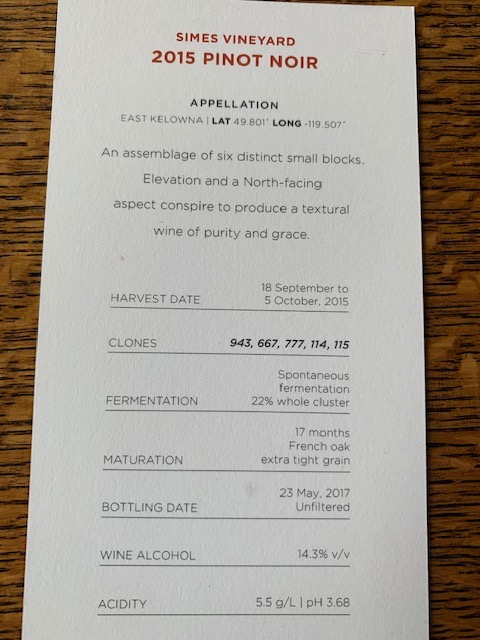
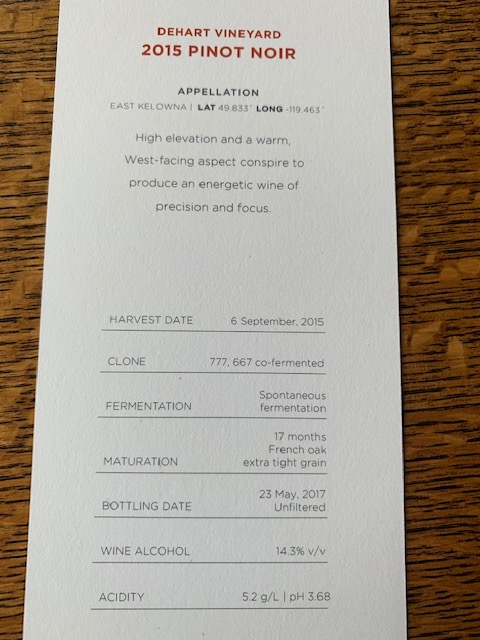
Pleased to learn that so many of the members of IWFS are keen to get together for this new reality of virtual wine tastings. Your scribe was invited to be the guest speaker at 2 inaugural ones held this past week by the Vancouver Branch on May 25 featuring wonderfully delicious Okanagan pinot noirs and by Boston on May 31 on the topic of Chablis. President Peter Graffman with Communications Chair Sandy Kraft organized a super turn-out of enthusiastic Chablis lovers. Scheduled to open with my half hour overview on Chablis history and especially vineyard differences it turned into over an hour masterclass with questions followed by apparently another hour of further discussions after I left the Zoom meeting. Well done.

There is an ever increasing focus on terroir with a sense of place for all wines from around the world. Chablis has become one of the top benchmarks for this movement. No other wine region is better in spotlighting their unique style they are able to produce in spite of difficulties from frost, hail and global warming. Detailed analysis of the vineyards was useful in differentiating the supposed limit of 6800 hectares with on-going plantings in Petit Chablis (885+) and Chablis AC (3370+) plus Premier Cru (780) and Grand Cru (110: only 250+ acres or 2% of the total). Time spent on differences between Premier Cru Right Bank “warm rich & powerful” led by Montee de Tonnerre (in 3 parts of Pied D’Aloup at top of the slope facing East, Chapelot more South facing and Cote de Brechin on the Western slopes) next to Blanchots and on the other West end of Vaulorent 17ha of 115ha Fourchaume next to Les Preuses. Left Bank tend to be “more austere, seaweed, saline and flinty”. Opened and discussed a sensational Cuvee Guy Moreau old vines from 1933 singing in 2014 Vaillons (104 ha on Portlandian lime bed with less clay) compared with their regular 2018 Vaillons as well as some Testut Montee de Tonnerre. All seven Grand Crus (plus Moutonne monopole of Long-Depaquit of 2.35 ha 95% in Vaudesir & 5% in Preuses) reviewed in detail explaining soils of blue clay in Blanchots, Valmur (L’Endroit facing South & L’Envers facing West) more marl, Vaudesir very steep and richer in clay with less limestone, and special Kimmeridgian limestone firm bed in largest 26 ha Les Clos the best aging cru.

Lots of interest shown in Vintages and your scribe’s brief summary:

PRE-2010: 1975 a terrible Cotes de Beaune year for whites (79, 85, 86 can be great) is still tremendous. IWFS Vintage card 2020 ranks only 7/7 for 02 (outstanding), 05 (Almost too generous, alcohol, overrated), and 14 (truly the best!). Classic 08 & riper softer 09 are underrated.

2010: Classic. Lower yields. Dense concentration. Ripe yet structured. Lovely drinking plateau but no rush.

2011: Wet Summer Lighter. Early Drinking.

2012: Classic. Spring frosts. Very dry Summer. Helpful Sept. rain. Smaller crop.

2013: Wet Spring. Late flowering (end of June-mid July). Some Coulure (shatter) & Millerandage (“hens & chicks” berry size). Hot end of July. Harvest late Sept. to early Oct. before heavy rains Oct 4/5. Early pickers did best. Some botrytis rot with overly earthy mushroom character. Mixed.

2014: Classic. Your scribe’s favourite of the decade! Warm Spring. Some April frost but no hail as in Cote de Beaune on June 28. July & August cooler with rain. Saved by hottest September to date with some refreshing rains. Early pickers mid Sept. but most stopped. No rot. Acidity good but not that austere. Perfectly balanced tightness with that green flint colour of real stony mineral Chablis of olden days.

2015: Frost early on. Flowering OK. Warm dry Summer. Bad hail storm Sept. 1st damaged Les Clos, Blanchots, and Montee de Tonnerre. Rest are ripe quite fresh but forwardly without steely acidity.

2016: Somewhat classic but frost April 26/27 & May 13 & 27 reduced the crop substantially in Petit Chablis & Chablis AC by over 50% but even in 1er cru 30-40% and Grand Cru around 15% loss. Good quality from a very small crop.

2017: April frosts yet again over a two week period but not as bad as 2016 (except in the very Northern parts) with smaller crop well harvested 3 weeks ahead of 2016 in a fresh bright style.

2018: Classic but a very big crop. Hot easy year. Attractive but variable with some over-cropping. Impressive Brocard Montee de Tonnerre. Liked winemaker Fabien’s comment from Christian Moreau that it took 10 vines to fill one basket in 2017 but only 1 vine in 2018. That frost sure makes a big difference in yields.

2019: Early budding in April with frost threats continuing into May. Summer hot & dry with temperatures above 40C showing global climate change. Very little rain but some mildew issues. Normal mid-September harvest. Below average volume and variable. Monitor the potential.

You can be a Chablis expert by knowledgeably stating you prefer the even years which are more classic over the uneven ones. Get on the growing Chablis band wagon and enjoy a bottle from this amazing appellation! Do you have a special fondness for any particular vineyard or vintage year in Chablis? Consider holding your own virtual wine tasting on line.

You might also like:

Ask Sid: Where did the Zinfandel grape originate?

May 27th, 2020 by Joseph Temple
Ask your question here

Question: Where did the first Zinfandel grape come from? Was it in Italy?

Answer: Yes has been rather confusing. For a while it seemed that the Zinfandel grape in California was the same one as the Primitivo grape in Puglia Italy. However though they are genetically similar their wine styles are different. They are both clones of the original Crljenak Kastelanski grape variety (back to the 1300s) from Croatia. It is called Tribidrag there so that name has been used by the Lagier Meredith Vineyard for their Mt. Veeder Napa Valley Zinfandel. One of the winery principals Carole Meredith was a professor in the Department of Viticulture and Enology at University of California at Davis whose team used DNA profiling to discover the origin and decided to adopt this name for their Zin.

You might also like:

IMPRESSIVE “BEHIND THE WINES” MASTERCLASSES ON CALIFORNIA WINE

May 25th, 2020 by Sid Cross

The wineinstitute.org was founded in 1934 and now represents over 1000 member wineries from every wine region of California. They have done an excellent job over the years of marketing their wines with their popular annual touring road shows that are presently on hold due to the Covid-19 pandemic. In their place they have cleverly started some impressive wine webinars called Behind The Wines hosted by the insightful educator Elaine Chukan Brown. They have held 7 enlightening episodes so far on every Tuesday starting at 10 am Pacific time with 6 more already scheduled with details set out below. Definitely are in depth and worth tuning in to enjoy. Episode 6 featured Randall Grahm founder & winemaker at Bonny Doon Vineyard for Rhone varieties and his innovative new experimental landscape of unusual special grape varieties with his “Popelouchum” project with first fruit harvest this year. Episode 7 had the fascinating story of Paul Draper with Ridge Vineyards on Monte Bello Ridge in the Santa Cruz Mountains AVA tasting the delightful warmer 1984 vintage (structured 1985 will age longer) with 7% merlot at traditionally low alcohol of 12.9. Both pioneers also talked about the importance of ingredient labeling on wine bottles. The good thing is that all episodes can be referenced on the You Tube Channel for California Wines with additional info on questions and answers not addressed during the live session. Outstanding wine education material! Well done series. Look forward to these upcoming sessions:

May 26, Episode 8 –
Carole Meredith and Steve Lagier, Lagier Meredith
Special guest: Anthony Truchard, Truchard Vineyards

In the eighth episode of the series, Elaine will speak with Carole Meredith and Steve Lagier, husband and wife owners of Lagier Meredith Vineyard in the Mt. Veeder AVA of Napa Valley. The two have lived there since they bought the property in 1986, first planting vines in 1994 and producing their first commercial wine in 1998. Carole and Steve have no employees and do the vineyard work and winemaking themselves.

June 2 – Ep. 9 – Zinfandel
Tegan Passalacqua, Turley and Sandlands

June 9 – Ep. 10 – Chardonnay
Stephane Vivier, Stony Hill
Michael McNeill, Hanzell Vineyards

June 16 – Ep. 11 – Pinot Noir
Sarah Wuethrich, Maggy Hawk

June 23 – Ep. 12 – Sparkling
Nicole Hitchcock, J Vineyards and Winery

June 30 – Ep. 13 – Cabernet Sauvignon
Rodrigo Soto, GM, Quintessa
Rebekah Wineburg, Winemaker, Quintessa

You might also like:

Ask Sid: Will we see changes in wine bottle packaging?

May 20th, 2020 by Joseph Temple
Ask your question here

Question: Will we see changes in wine bottle packaging?

Answer: Yes interesting question. The ongoing pressures of climate change plus now this lingering Covid-19 pandemic should result in a real stimulus to wine packaging and design changes. We are already noticing lighter weight glass being en vogue. Other materials are being used and further considered for expansion including improved technology for bag-in-the-box. This latter category is very convenient to use and suits what will be more social distancing of outdoor dining trends. Expect to see a lot of new innovative design features on labels to take advantage of a more aware conscientious consumer.

You might also like:

CORAVIN INVENTOR GREG LAMBRECHT INSPIRING WITH A NEW MODEL ELEVEN

May 18th, 2020 by Sid Cross
Image courtesy: coravin.ca

Since your scribe first alerted you to the growing popularity of virtual tastings these new wine seminars have really taken off. Seems now like the old days of appointment television is back only updated. Every day features some interesting program you need to tune into to educate yourself on wine. Luckily many of them are being saved for later viewing on websites and on YouTube. Many of them are listed for your old TV Guide reference on a useful virtualwineevents.com website.

One eye opener event last week was the inspiring interview of Greg Lambrecht the inventor of Coravin by Antonio Galloni on Vinous Live. Greg’s background is physics and business school with an early medical tech job in using needles under the skin for chemotherapy treatments. Greg developed an early interest in wine with “a labor of love” reason to find a way to sample some great bottles. His first Coravin was back in 1999 using a trumpet valve. Much testing with refining followed including using various needles plus different gases from nitrogen to carbon dioxide to finding the magical argon before the first Coravin was marketed in 2013. He tells good stories about some wine professionals still not believing it works until they do a blind test with at least 4 glasses of the same wine (some with and without the use of Coravin). He thinks it could be an inherent bias against “in your head as the placebo effect” until you do an actual blind test to prove validity to yourself. He has kept bottles after Coravin use for 14 years that still are in good shape. Recommends if used on cold bottles or very old ones to leave standing up to seal the hole in the cork (“like blood clotting”) before lying down for longer storage. Stresses the importance of press & release to save argon plus cleaning your Coravin when finished for the night with hot water so no cross-contamination results next time. His exciting Model Eleven (that number used because he can’t count like in “Spinal Tap”) was released last year the first of the new digital series. Overall sales are up as consumers stay home sampling their wine collections of special bottles even though restaurants which are heavy users are closed. Check it out.

For more information check out the Vinous Live interview of May 15, 2020 on YouTube and an excellent detailed article of September 16, 2019 by Evelyn Lok Deputy Editor of lifestyleasia.com in their Food & Drink on Coravin founder Greg Lambrecht.

You might also like:

Older Entries
Newer Entries
The object of the Society is to bring together and serve all who believe that a right understanding of good food and wine is an essential part of personal contentment and health and that an intelligent approach to the pleasures and problems of the table offers far greater rewards than the mere satisfaction of appetite.
Andre Simon Wine & Food Society Founder (1933)
© 2025 The International Wine & Food Society (IW&FS) IW&FS
Credits | Privacy | Accessibility