Question: Which vineyard in Burgundy is benefiting most from climate change?
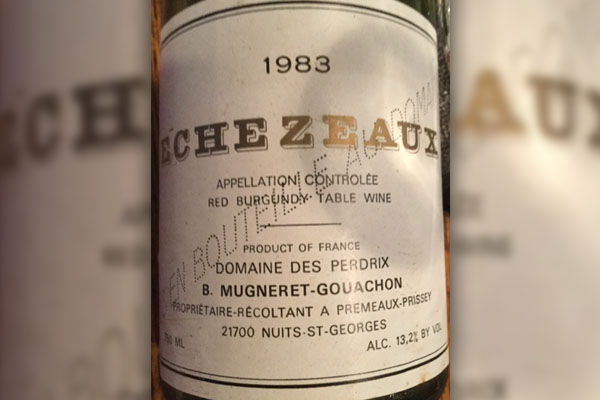
Answer: Fascinating question. Yes vineyards everywhere are seeing grapes ripening earlier. In Burgundy those more outlying areas at the top of the hills and on the ridges have become warmer especially over the past five years than previously. Many places are much improved. If I had to pick one spot I would say Estournelles-Saint-Jacques is a top candidate because of their classic rocky soils of limestone & clay helping to retain moisture but with colder west winds (more so than in already deservedly celebrated neighbour Clos St. Jacques) that in the past produced generally leaner wines. Those winds become an ever increasing advantage with continuing climate change. Similarly for just southerly Lavaux-Saint-Jacques. This is all encouraging news for all producers from those spots including Louis Jadot, Frederic Esmonin and others. Tip: Look for their wines from 2015-2020.
As many of you kind followers on this Blog know your scribe is one of the biggest supporters of fresh local Dungeness crab. The natural sweetness of the meat is uniquely fantastic so it is IMHO best served quite simply prepared as not to detract from that pleasure. Also fascinating is to find your perfect white wine to match and enhance the crab. Big fan of pairing top Premier or Grand Cru Chablis as hard to beat except perhaps the luxury of a quality balanced chardonnay but not one too heavy or oaky.
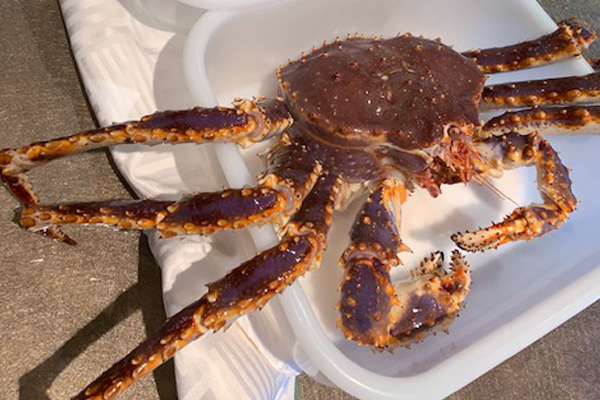
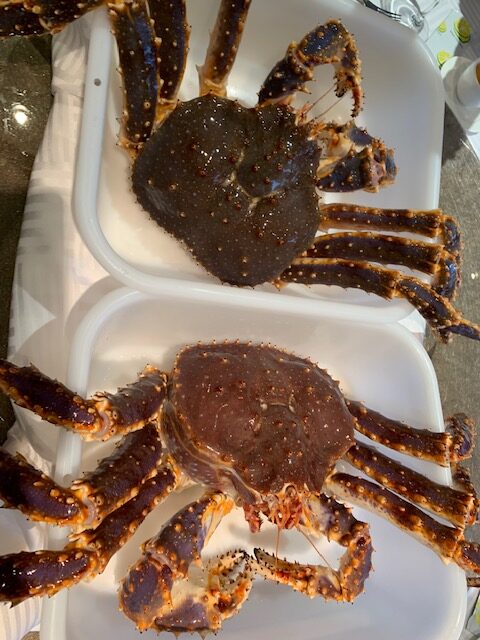
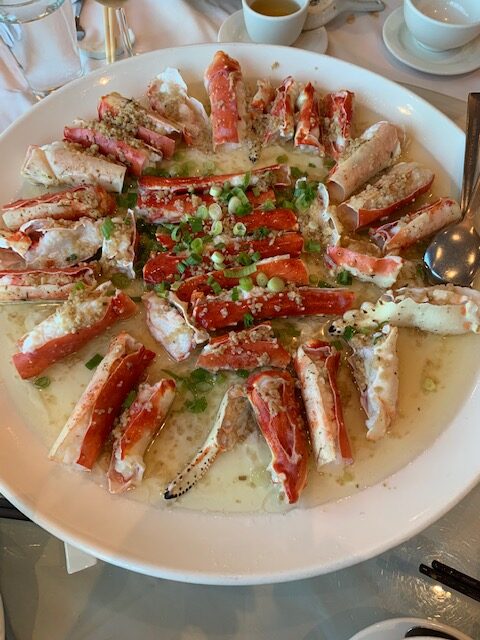
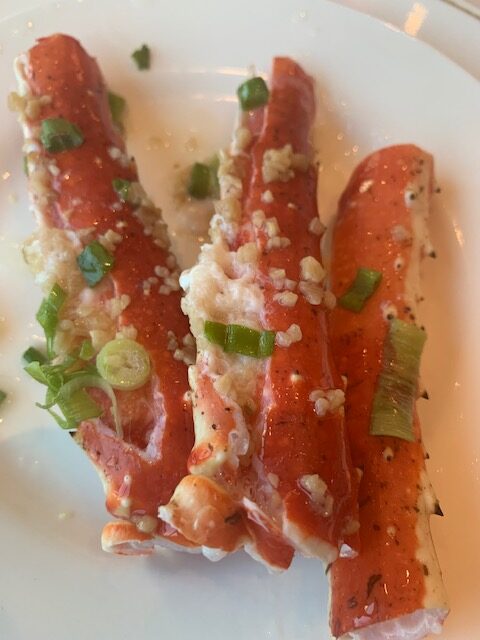
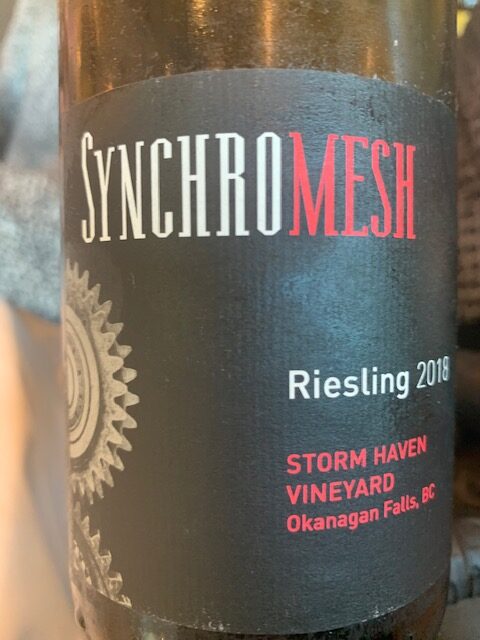
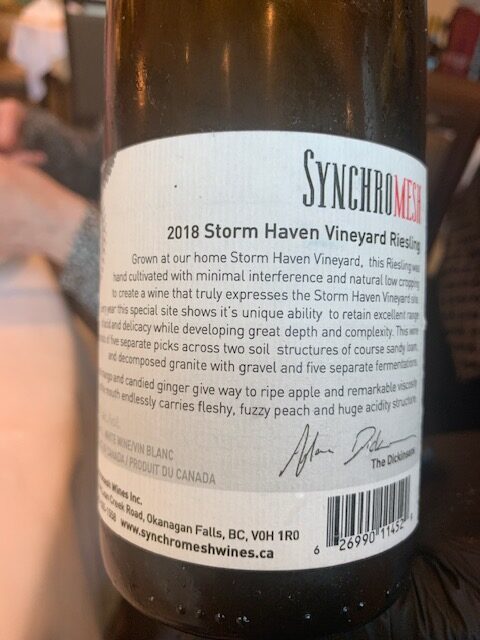
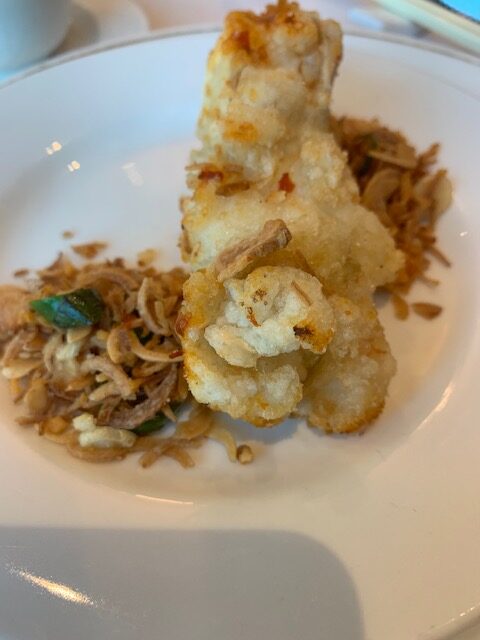
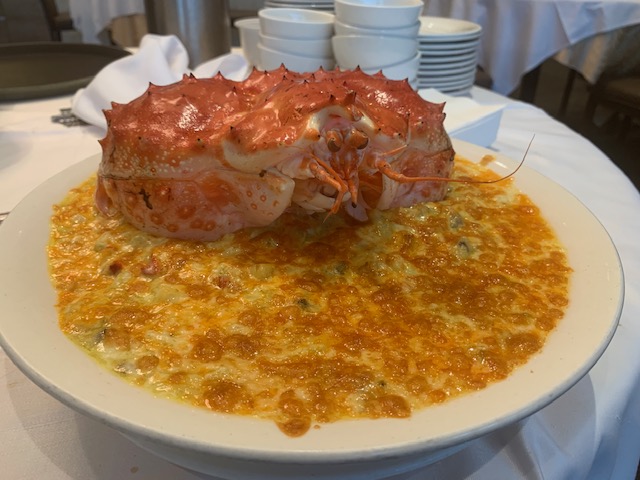
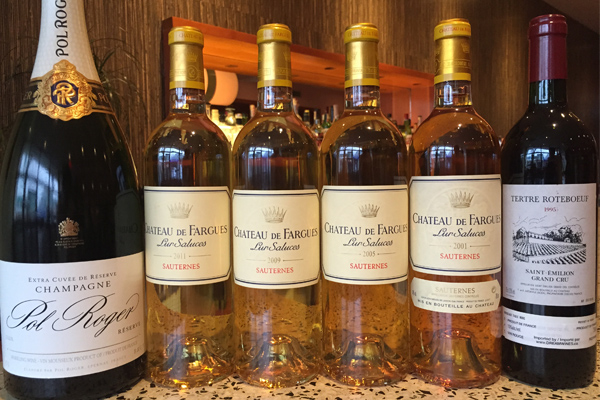
Usually a keen locavar eater supporting the local producers we do as a special treat indulge with friends once a year in a king crab dinner. Always a lot of fun to compare the differences between Dungeness & King. These king crabs are monster size seafood that easily weigh 8 pounds but bigger ones come in around 10 that are even better for more “meat”. Mostly we have enjoyed those coming in fresh from Alaska but also remember tasting while in Chile the delicacy of Patagonian Southern Red King variety. We had admired over the years each Spring the excellent service at Fortune Garden at 1475 West Broadway in Vancouver BC (now closed) with photos from April 4, 2019 showing the excitement of having these king crab and their tasty preparation. This year on August 17 we moved to the highly regarded Dynasty Seafood Restaurant at 777 West Broadway for a new king crab experience. What a delightful surprise of outstanding culinary preparation this turned out to be! A large 10 pounder we were told had arrived live from Russia via Norway and was truly other worldly. Not at all stringy but so delicate and naturally sweet. Remarkable! The steaming technique used together with finely chopped non invasive best garlic in the legs and knuckles only enhanced this so delicious experience. The best yet. It turned into 3 courses in order of legs, knuckles, and rice all splendid with Champagne plus fresh local Synchromesh 2018 Riesling Storm Haven Vineyard. What a way to celebrate a big occasion in your life during these difficult continuing days of Covid-19. Still need to indulge and celebrate once in a while. Highly recommended.
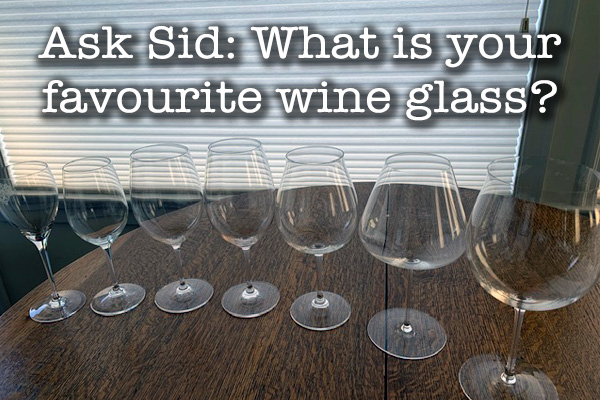
Answer: I am sure many of you just use an all-purpose glass for all your wines. There now so many good choices out there to serve the purpose including several from the Riedel Vinum series or Spiegelau Universal. I am fortunate to have quite a wide choice of glasses to use. Here is a photo of just seven of them that get a lot of use starting from the left:
1. Champagne tulip (not a flute) for Sparkling – especially Champagne.
2. All-purpose – especially good for whites or Chianti style
3. Bordeaux style wines (though for very old bottles prefer a smaller glass)
4. Syrah style wines
5. Pinot Noir – especially younger New World
6. Zalto versatile one for best Burgundy and Piedmont
7. Gigantic Riedel one for younger aromatics
Also
like using the new Zwiesel Sensory one designed by Roberto Conterno of
Giacomo Conterno winery similar to the Zalto but with a wider bowl base
accentuating the aromas. Excellent of course for Barolo!
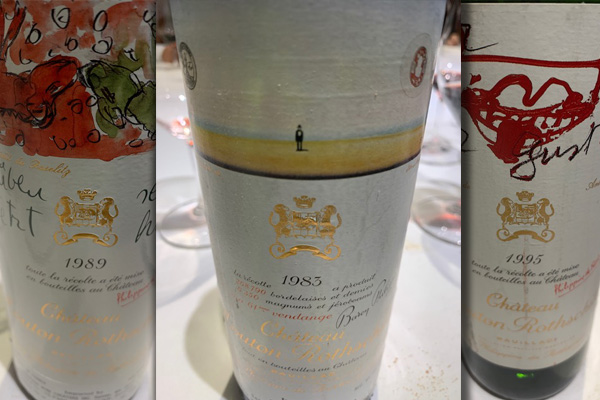
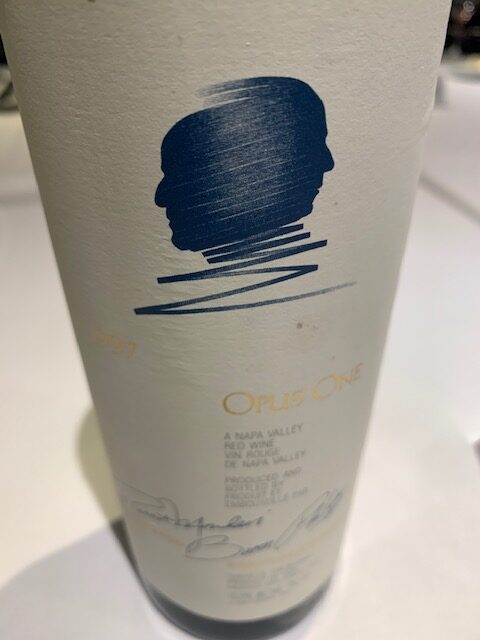
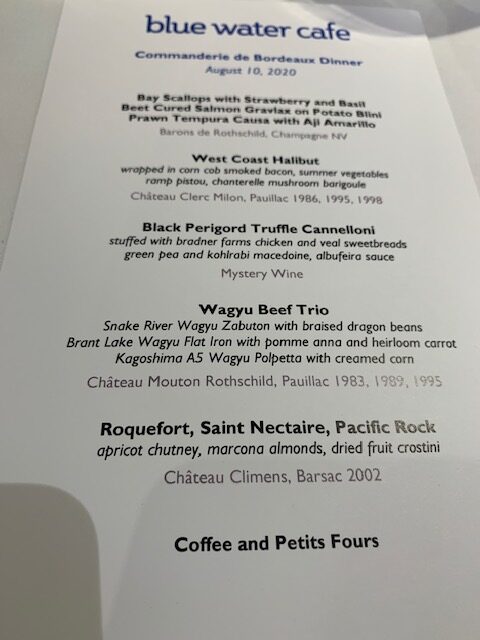
La Commanderie de Bordeaux Vancouver Branch held a tasting-dinner carefully organized for 30 members at the Blue Water restaurant on August 10, 2020 under strict pandemic logistics. They always serve Bordeaux wines at these events with the theme this time a so-called “House of Mouton”. We started appropriately enough with NV Champagne Barons De Rothschild Brut a fresh cuvee of 60% chardonnay & 40% pinot noir with some blended reserves in the blend. The first flight was a 3 vintage vertical of their fifth growth Pauillac property of Chateau Clerc-Milon, a mystery wine second flight, and a third flight of 3 vintages of the famous Mouton itself. A fun game developed of try to identify the blind wine with each member around the table asked in turn for their opinion of what it was. Opus One was an obvious thought as it is a joint venture of Mouton & Robert Mondavi with their first vintage 1979 released in 1984. However in the reality of the situation it was a much more difficult thing to do. Your scribe second in line luckily but bravely blurted out “Opus One from the nineties” despite background knowledge that our Bordeaux cellar didn’t have California wine, hard to find bottles of older vintages of top quality ones, and such were very expensive. For example at Benchmark Wine Group one bottle of Opus One from the nineties if available is currently in the US $400+ range (1997 is $455). However, the popular choice suggested around the table after me was definitely Bordeaux from the eighties and probably another vintage of Mouton or perhaps another Clerc Milon, d’Armailhac or different classed growth Pauillac. Amazing how many excellent tasters were influenced in their tasting opinion by what was expected likely to be served in the surrounding circumstances of the occasion. Interesting factor.
The wines with some brief impressions:
CLERC MILON:
1986: Dark with some lovely open cedar cigar-box notes. Nice richness but somewhat atypical with more accessible softness than most 1986 Pauillacs are showing plus rather elegant.
1995: Palest maturing rim of the flight shows better bigger cabernet fruit in a richer style than expected for this vintage more like the twin 1996.
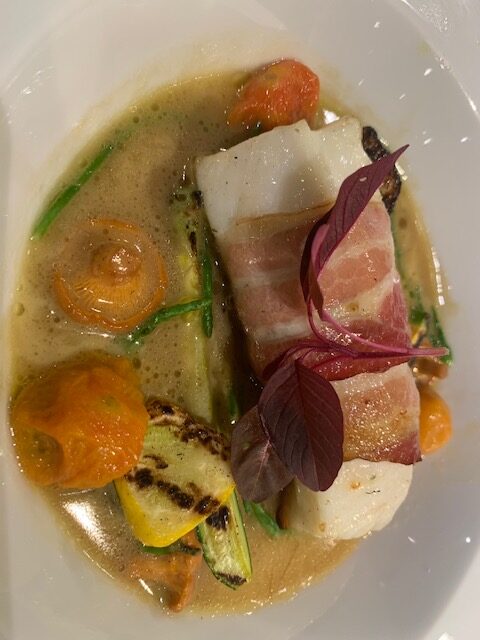
1998: Very dark for youngest in the flight. Concentrated with more cassis black currant notes and contribution of some petit verdot (3%). No rush with lots here to develop for a vintage that often favours the Right Bank. All three wines rather good paired with smoked bacon wrapped around that halibut.
MYSTERY WINE BLIND – OPUS ONE 1997:
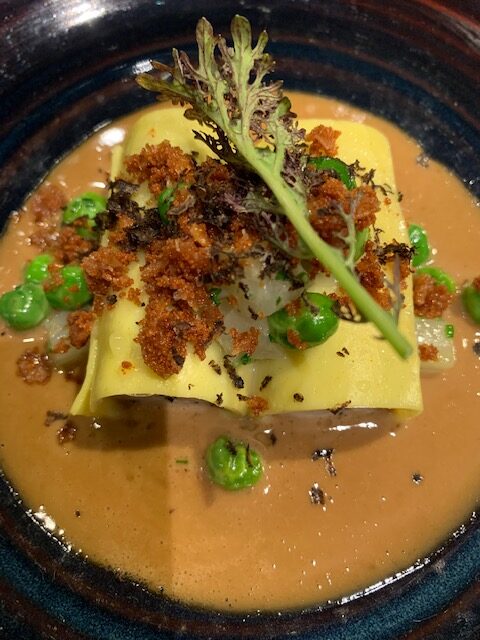
Thicker glycerol tears or legs on inside of glass. Powerful mocha herbal menthol notes developed on bouquet. Very ripe rather roasted cabernet sauvignon of softer styling blend (82/8/5/4/1 cabernet sauvignon/cab franc/merlot/malbec/ petit verdot) showing more sappy weight on the palate. Delicious truffled cannelloni matched this wine well.
MOUTON-ROTHSCHILD:
1983: Maturing pale rim with depth. Smokey stylish classic bouquet. Good underlying acidity with admirable clean grape selection showing. Elegant, long, and complex. One of the best 1983 Pauillacs (with Pichon Lalande) even with those rather difficult August mildew conditions in the rainy vineyards. Surprise and Wine of the Night. Under-rated!
1989: Dark look. Always prefer this year over their 1990. Cedar and developing already. Less body and complexity than hoped for. Certainly not in the classic 1986 or delicious 1982 ball park. Have had better bottles of this year.
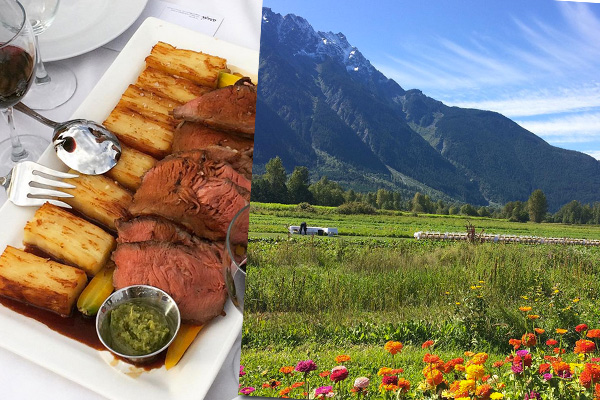
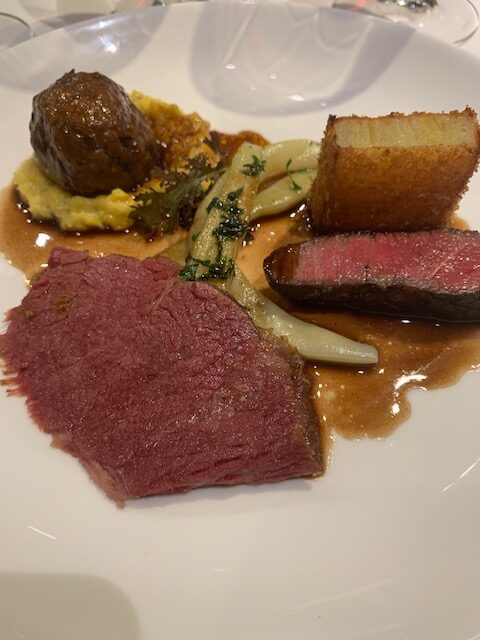
1995: Very young and dark. A bit closed in still but good deep intensity of fruit. Dense attractive Pauillac styling has length for sure with an excellent future ahead. Impressive. No rush. Got to admire also the innovative trio presentations of Wagyu beef so perfect with this flight.
Question: I read your Blog dated June 24 about the differences between pinot noirs from the Russian River and the Sonoma Coasts. What would you say the difference is between Pinot Noir from the Willamette Valley in Oregon and Sonoma Coast/Russian River Pinots? I am planning an event to contrast the OR Pintos from the CA Pinots.
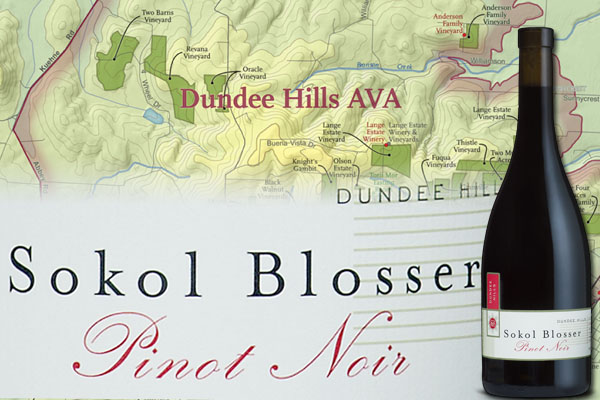
Answer: Will be an interesting comparison. Both Oregon and California are changing rapidly with the benefit of older vines planted in the right spots and the influence of climate change. There are some unique best places being found and developed for pinot noir in both states. For example on the Sonoma Coast quality producers like Littorai are able to achieve just enough rich ripeness (but not too much) to balance out that good fresh underlying acidity. Some don’t reach the same complexity picking grapes too early that are slightly under ripe or too late overripe. Difficult to get everything perfect. Look at the excitement being generated by amazing pinot noirs from Santa Rita Hills. In Oregon you have pinot noirs that are lighter more delicate and fragrant than the denser fuller riper richer ones in California. However there are lots of exceptions to that overly general rule. Good to remember that California has higher temperatures, fewer daylight hours, and a longer growing season while Oregon has cooler temperatures, more daylight hours, but usually a shorter growing season before the Fall rains arrive. Additionally climate change is really affecting Oregon with the last 5 years seeing the warmest increased temperatures on record during the growing season. Over 62% of the grapes grown in Oregon are pinot noir. This presently can be a big benefit for them in achieving perfect phenolic ripeness but also an added pressure to harvest earlier. The best way to explore the fascinating differences between the two states is by tasting the specific bottles you actually open and studying them. Please report back on the findings.