menu
Member Sign In
  • IWFS Homepage
  • Blog Home
  • Forums Home
  • Global Forum
  • Contact Us
Close
  • IWFS Homepage
  • Blog Home
  • Forums Home
  • Global Forum
  • Contact Us
    Member Sign In
  • Blog Home
  • Forum Home
  • Global Forum

Follow Us

Recent Posts

  • CHAMBOLLE-MUSIGNY WINES IMPRESS WITH DISTINCTIVE POWER COMBINED WITH SENSUAL ELEGANCE
  • Ask Sid: What is the new grape being used in Amarone?
  • OUR 2002 RED BURGUNDY HORIZONTAL IS AGING WELL, SHOWCASING REFINED PRECISION WITH TERROIR-DRIVEN CHARM
  • Ask Sid: Thoughts of Sid Cross on the Judgement of Paris historic wine tasting at the 50th Anniversary?
  • EDUCATIONAL #AUSSIEWINE SEMINAR “CLASSIC AND CONTEMPORARY AUSTRALIA” BY KNOWLEDGEABLE MARK DAVIDSON WAS A BIG HIT AT @VANWINEFEST

Archives

  • April 2026
  • March 2026
  • February 2026
  • January 2026
  • December 2025
  • November 2025
  • October 2025
  • September 2025
  • August 2025
  • July 2025
  • June 2025
  • May 2025
  • April 2025
  • March 2025
  • February 2025
  • January 2025
  • December 2024
  • November 2024
  • October 2024
  • September 2024
  • August 2024
  • July 2024
  • June 2024
  • May 2024
  • April 2024
  • March 2024
  • February 2024
  • January 2024
  • December 2023
  • November 2023
  • October 2023
  • September 2023
  • August 2023
  • July 2023
  • June 2023
  • May 2023
  • April 2023
  • March 2023
  • February 2023
  • January 2023
  • December 2022
  • November 2022
  • October 2022
  • September 2022
  • August 2022
  • July 2022
  • June 2022
  • May 2022
  • April 2022
  • March 2022
  • February 2022
  • January 2022
  • December 2021
  • November 2021
  • October 2021
  • September 2021
  • August 2021
  • July 2021
  • June 2021
  • May 2021
  • April 2021
  • March 2021
  • February 2021
  • January 2021
  • December 2020
  • November 2020
  • October 2020
  • September 2020
  • August 2020
  • July 2020
  • June 2020
  • May 2020
  • April 2020
  • March 2020
  • February 2020
  • January 2020
  • December 2019
  • November 2019
  • October 2019
  • September 2019
  • August 2019
  • July 2019
  • June 2019
  • May 2019
  • April 2019
  • March 2019
  • February 2019
  • January 2019
  • December 2018
  • November 2018
  • October 2018
  • September 2018
  • August 2018
  • July 2018
  • June 2018
  • May 2018
  • April 2018
  • March 2018
  • February 2018
  • January 2018
  • December 2017
  • November 2017
  • October 2017
  • September 2017
  • August 2017
  • July 2017
  • June 2017
  • May 2017
  • April 2017
  • March 2017
  • February 2017
  • January 2017
  • December 2016
  • November 2016
  • October 2016
  • September 2016
  • August 2016
  • July 2016
  • June 2016
  • May 2016
  • April 2016
  • March 2016
  • February 2016
  • January 2016
  • December 2015
  • November 2015
  • October 2015
  • September 2015
  • August 2015
  • July 2015
  • June 2015
  • May 2015
  • April 2015
  • March 2015
  • February 2015
  • January 2015
  • December 2014
  • November 2014
  • October 2014
  • September 2014
  • August 2014
  • July 2014
  • June 2014
  • May 2014
  • April 2014
  • March 2014
  • February 2014
  • January 2014
  • December 2013
  • November 2013
  • October 2013
  • September 2013
  • August 2013
  • July 2013
  • June 2013

Meta

  • Log in
  • Entries feed
  • Comments feed
  • WordPress.org

Archive for March, 2026

Older Entries

EDUCATIONAL #AUSSIEWINE SEMINAR “CLASSIC AND CONTEMPORARY AUSTRALIA” BY KNOWLEDGEABLE MARK DAVIDSON WAS A BIG HIT AT @VANWINEFEST

March 30th, 2026 by Joseph Temple

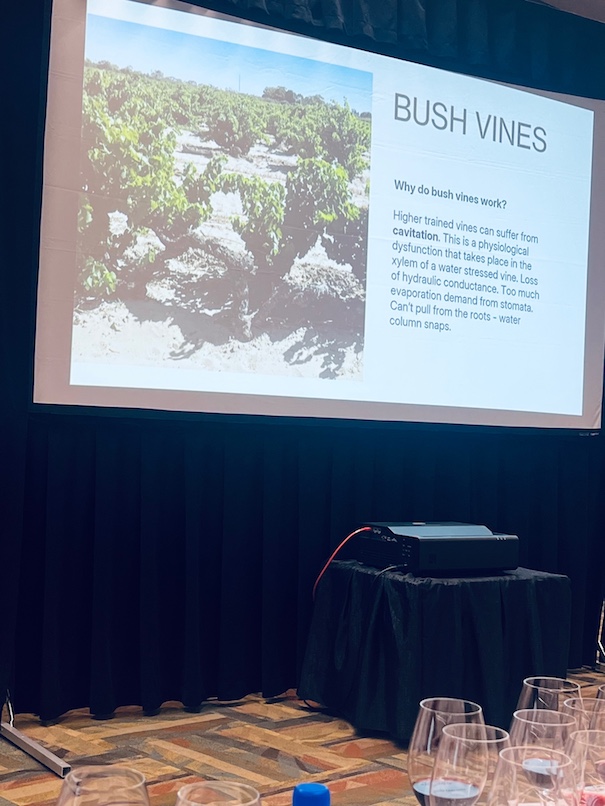
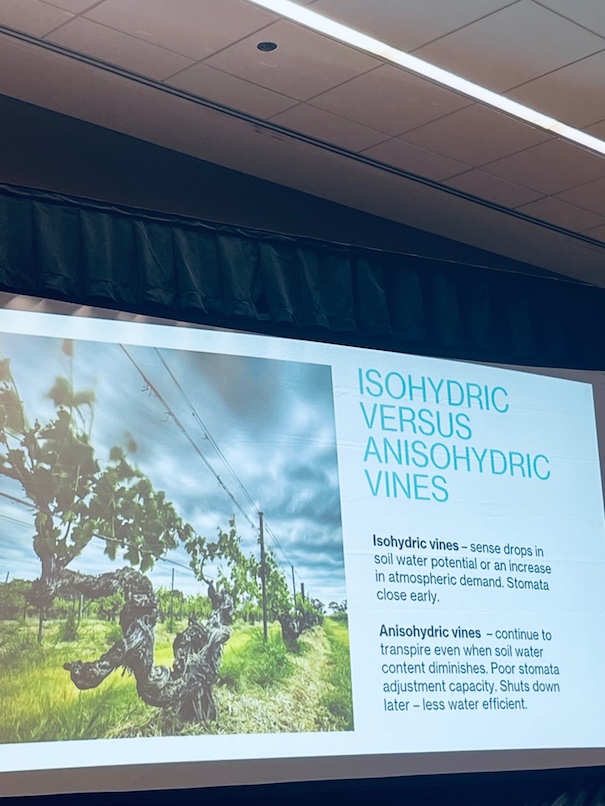
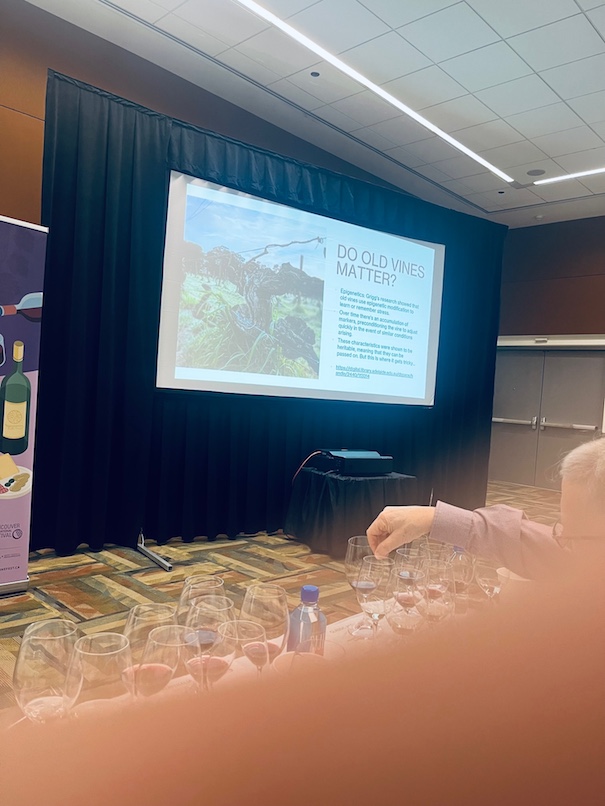
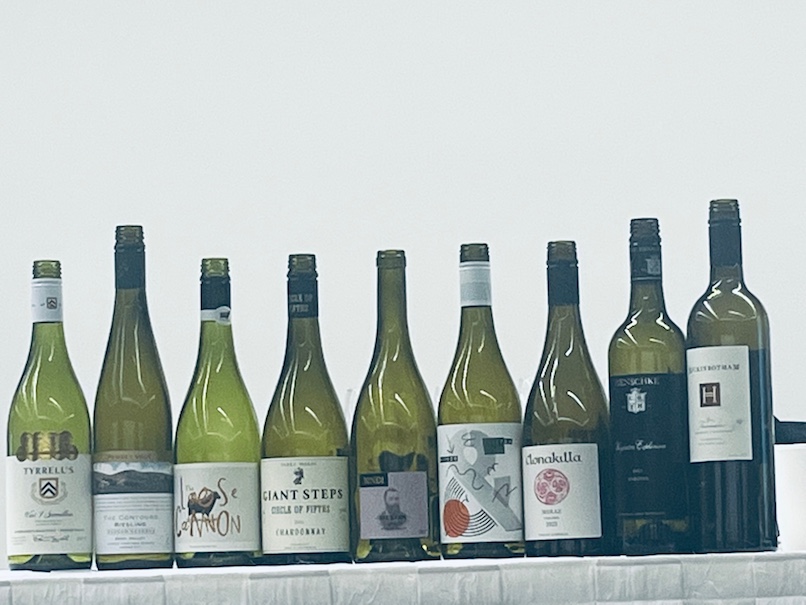
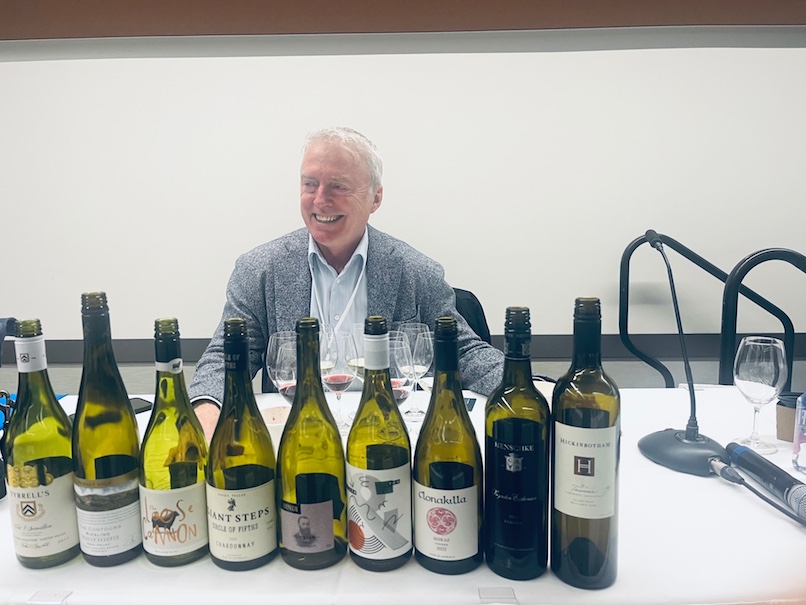
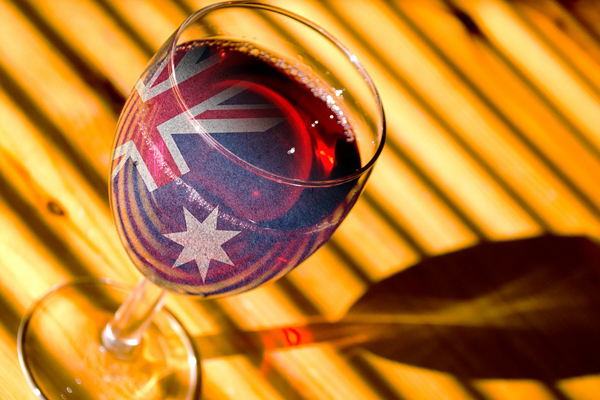
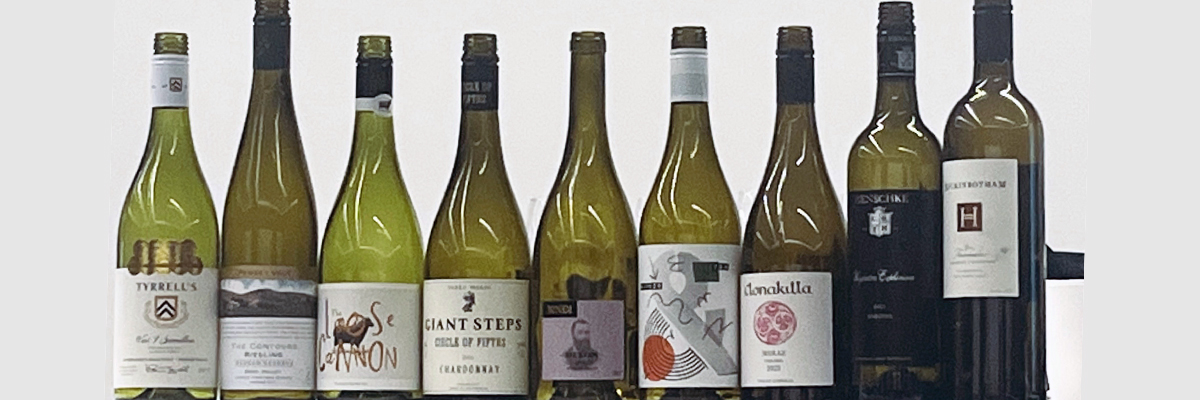
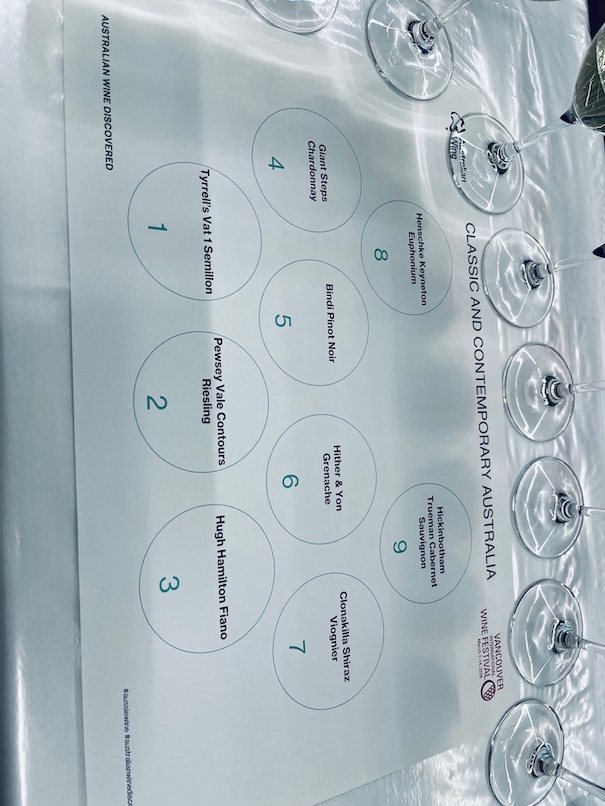
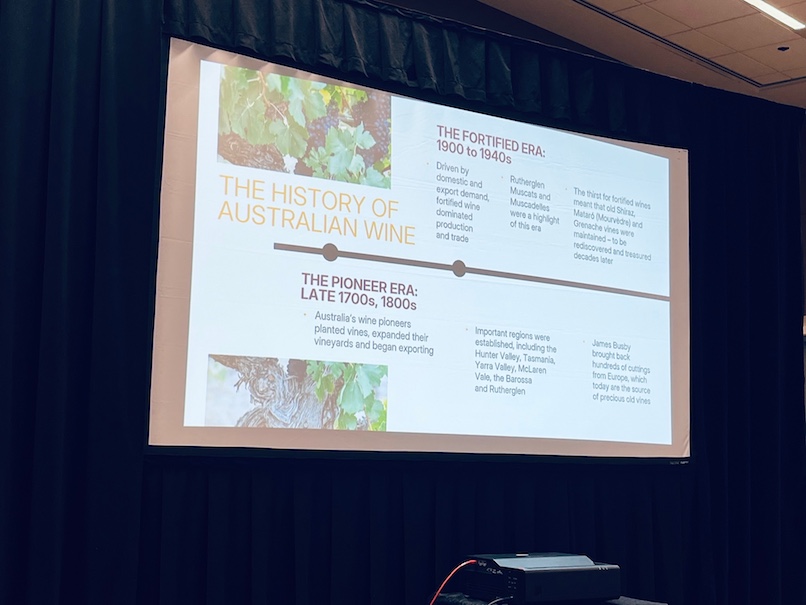
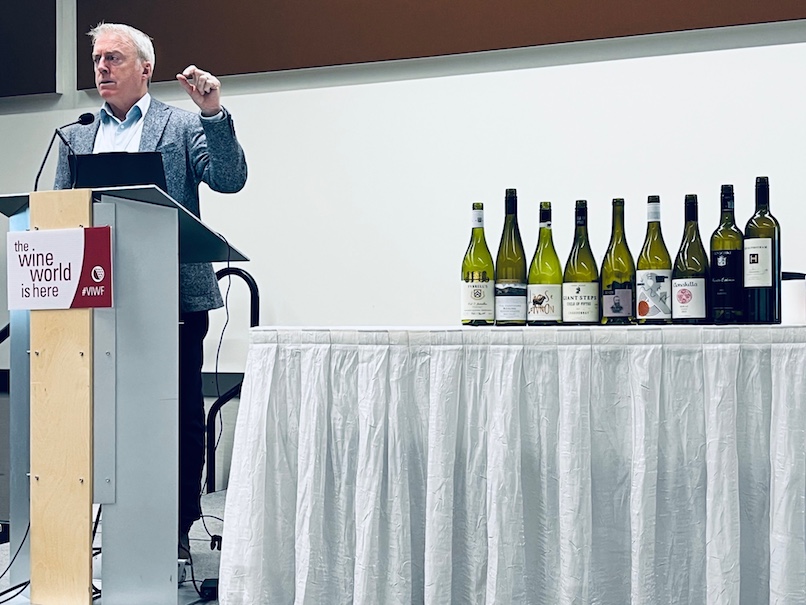
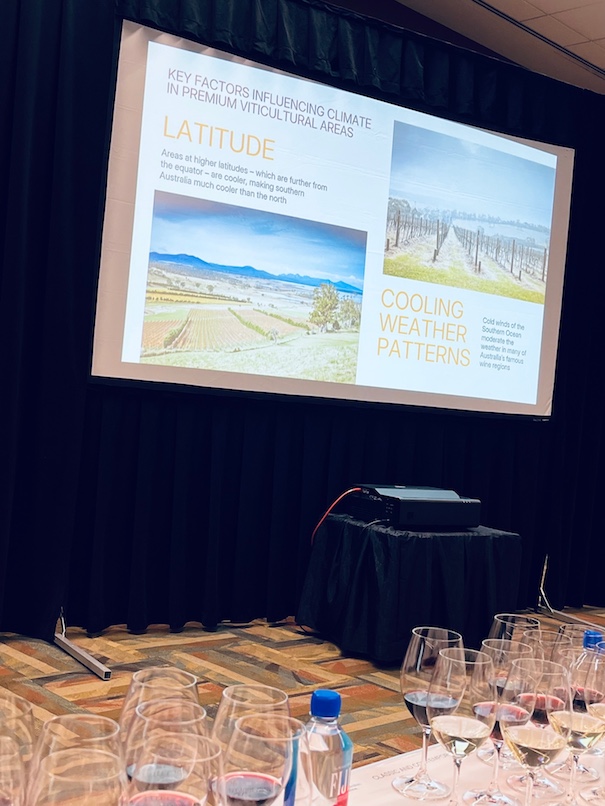
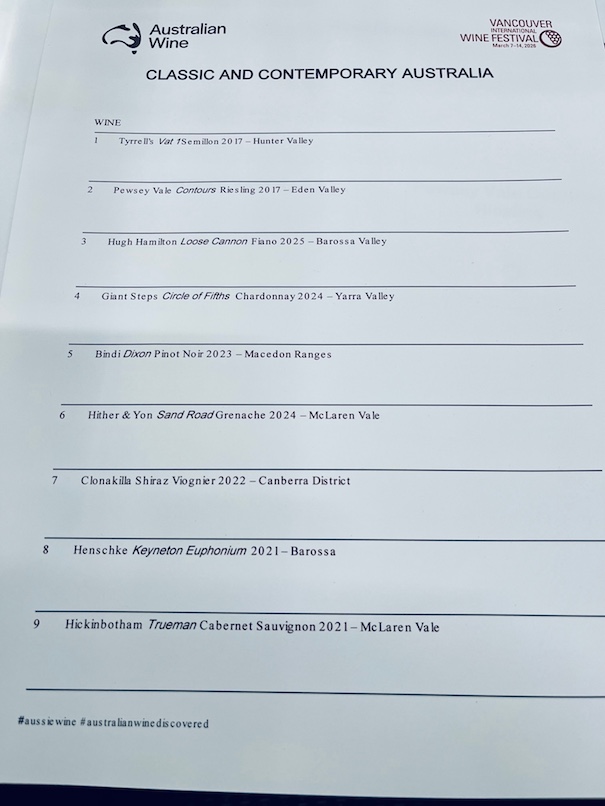
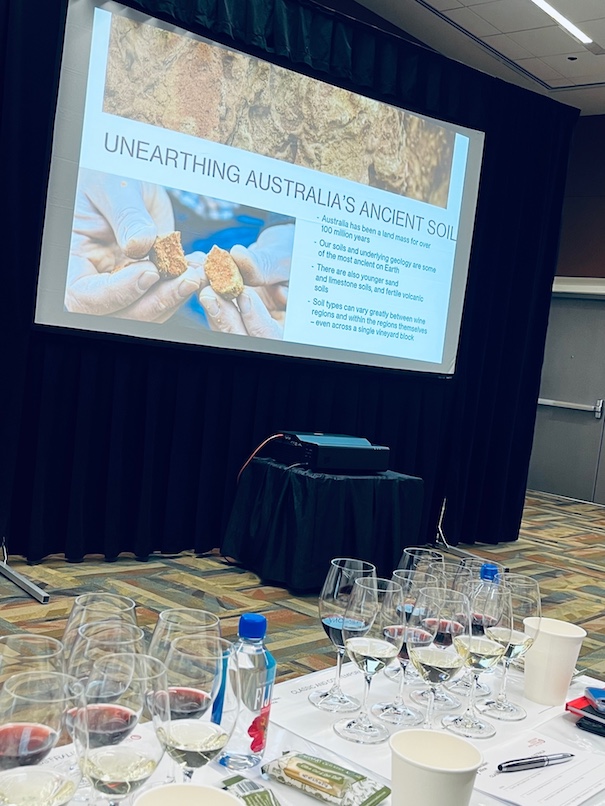
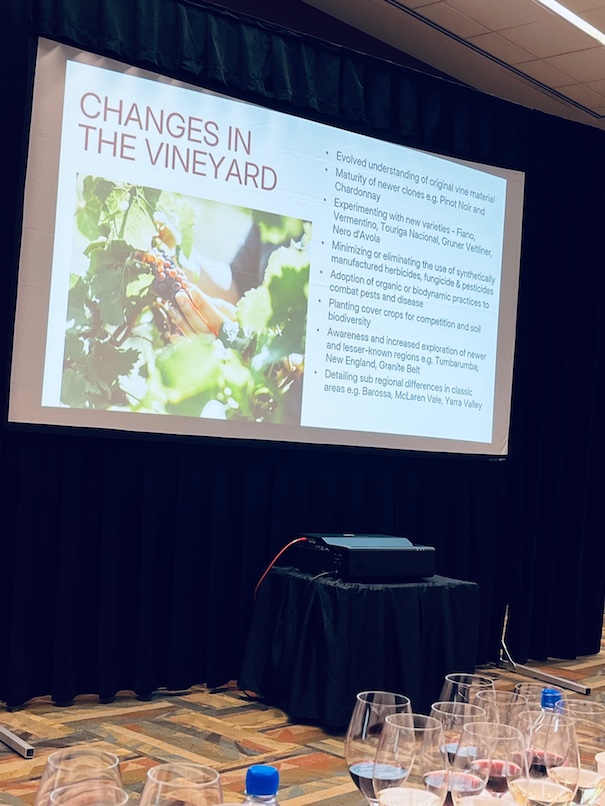
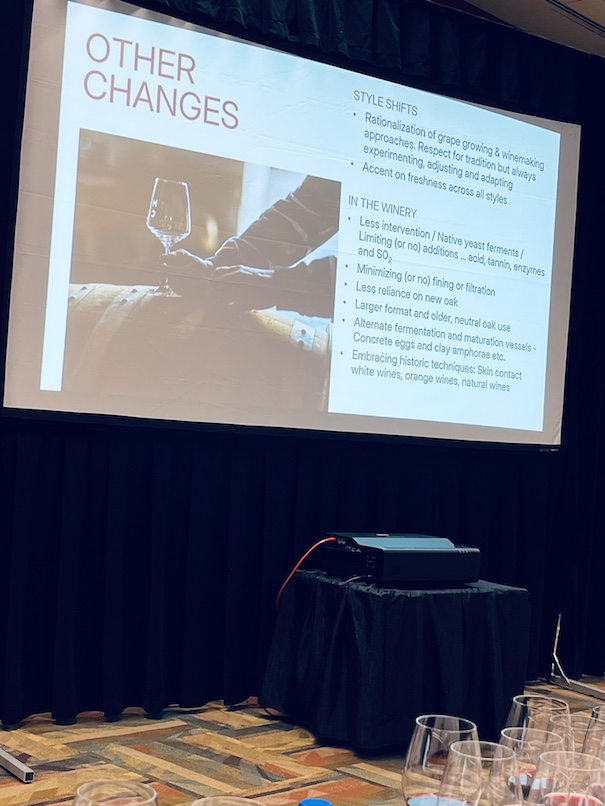
The 47th Annual #VIWF was full of remarkable wine educational events. Among the best highlights was an outstanding trade seminar, “Classic and Contemporary Australia,” delivered on March 13, 2026 by the insightful Mark Davidson. This was truly #AussieWineDiscovered, featuring a detailed look at the history, diversity, and top quality wines being produced there. Mark is an experienced local treasure who now does a terrific job as Head of Education Development – Americas for Wine Australia. Last month, he was also in Vancouver presenting a most informative update on wines from the specific Victoria region in Australia with my detailed article linked here. This time Mark spoke about nine excellent representative wines from different regions of Australia, showcasing their amazing versatility in style with four whites and five reds using brilliantly conceived slides, as noted at the end of this report. He started with the history from the Pioneer Era (late 1700s–1800s), the Fortified Era (1900-1940s), the continuing Vineyard Changes made on Ancient Soils (including Bush Vines), and the new style Current Era with an “Accent on Freshness.” Here is an overview of the nine top-quality #AussieWine tasted:

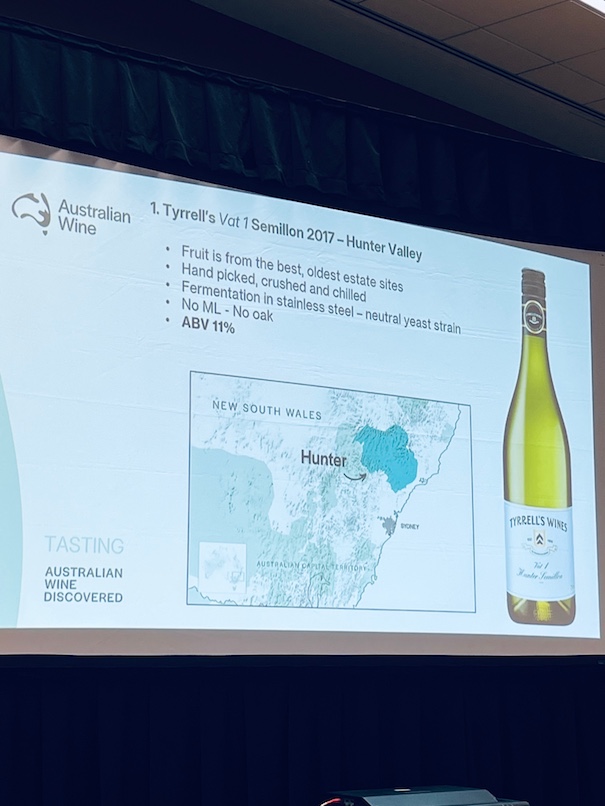
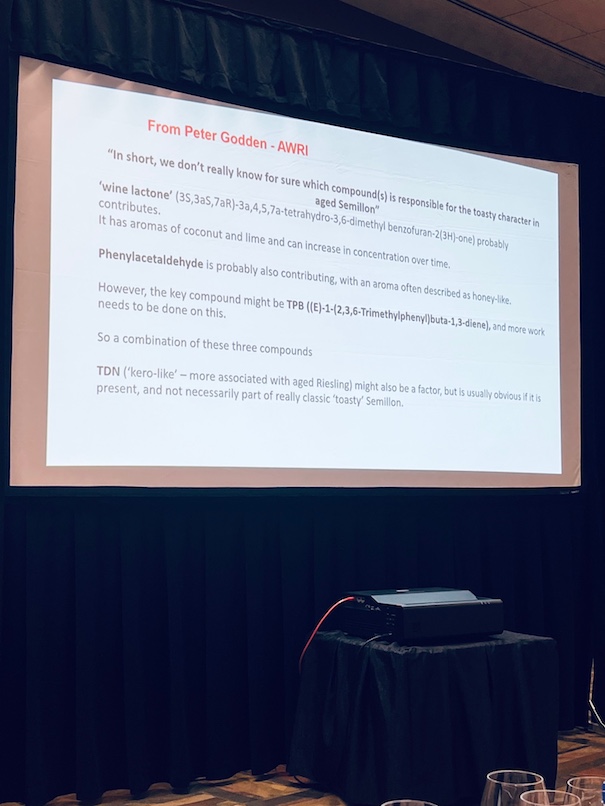
1. 2017 SEMILLON VAT 1, TYRRELL’S VINEYARDS HUNTER VALLEY: Fantastic start with one of the world’s best aging dry whites and a cellar favourite of your scribe. Grapes are always picked at lower Brix to capture higher acidity. They are fermented in stainless steel without malolactic conversion or oak, then bottled early at just over 11% ABV. The magic with aging in the bottle is fantastic! An informative slide below states that the “toasty” character of aged Semillon is due to three compounds: Wine lactone (increased coconut & lime concentration). Phenylacetaldehyde (honey-like aroma) and TPB in combination. 2017 is 9 years old but seems still very young without yet enough complex tertiary development. Tyrrell’s has been using screw caps since 2004 so I asked Mark how the older vintages are progressing. He reported that they “are aging very well indeed under screwcap.” Find this treasure in any vintage and keep it a while for a future important celebration. Wonderful experience.

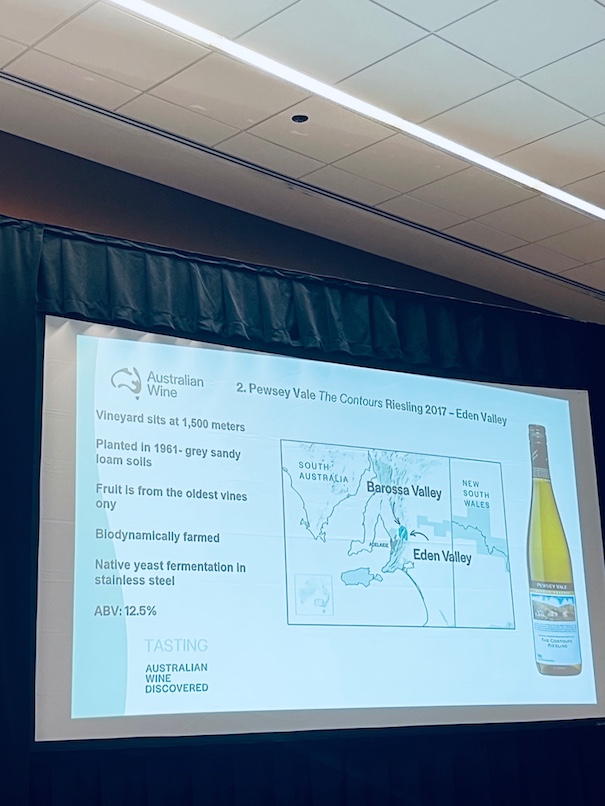
2. 2017 RIESLING THE CONTOURS, PEWSEY VALE EDEN VALLEY: Pewsey Vale makes a dependable good value Riesling; young vintages like 2024 show fresh citrus vibrancy. This wine, from The Contours block on the coolest higher-altitude slopes (1500 metres) using older (planted 1961) biodynamically farmed vines, shows distinctive Eden Valley terroir, with 2017 bottle age, textbook varietal petrol notes, and hints of lemongrass, cloves, fennel and honey-toast. Well done.

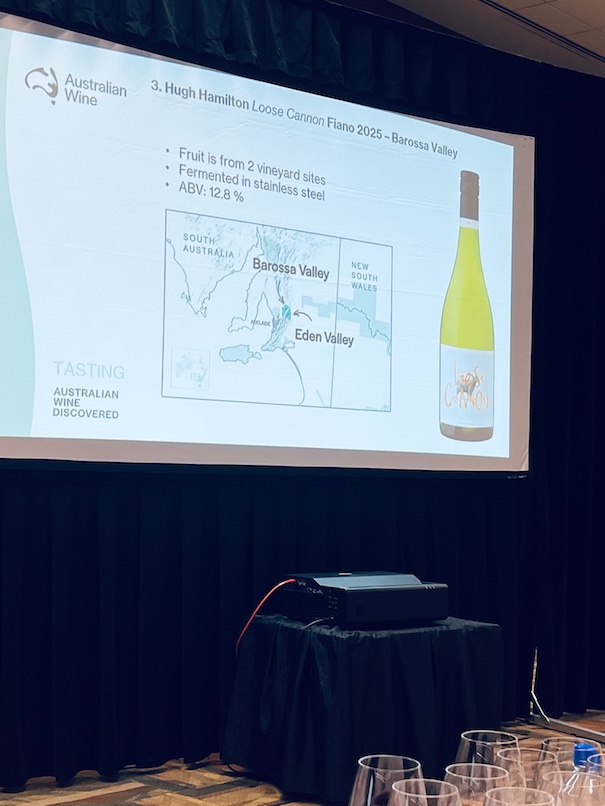
3. 2025 FIANO LOOSE CANNON, HUGH HAMILTON BAROSSA VALLEY: It’s great to see this new contemporary success of this Italian white variety from 2 vineyards fermented in stainless steel at 12.8% ABV, by Hugh Hamilton, who claims to be “Australia’s oldest surviving wine family” with a “Black Sheep spirit.” Different from the aromatic fruits of Fiano di Avellino DOCG, this wine is delightful in its own right served chilled with superb freshness and clean floral herbal perfumes. Enjoy how delicious it is already.

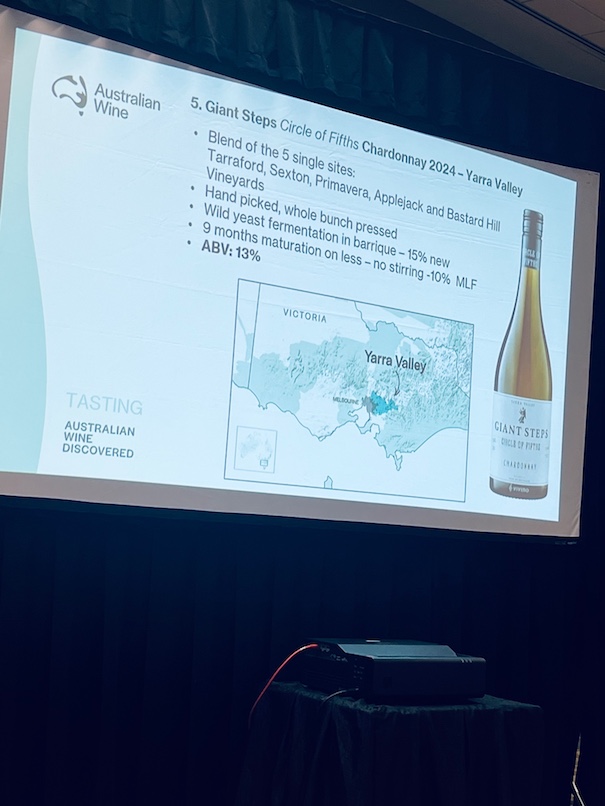
4. 2024 CHARDONNAY CIRCLE OF FIFTHS, GIANT STEPS YARRA VALLEY: As noted several times previously on this blog, Australian Chardonnay has evolved significantly, offering outstanding quality from so many diverse climatic regions including Adelaide Hills, Margaret River, Tasmania and this Yarra Valley. Giant Steps is another fine example, featuring the musical Circle of Fifths Chardonnay. It uses fruit from five hand-picked vineyard sites, undergoes whole-bunch pressing with wild yeast fermentation (no malolactic conversion) in 15% new French oak , and ages for 9 months on the lees without stirring. Classy, refined and lovely, it will gain further complexity over time.

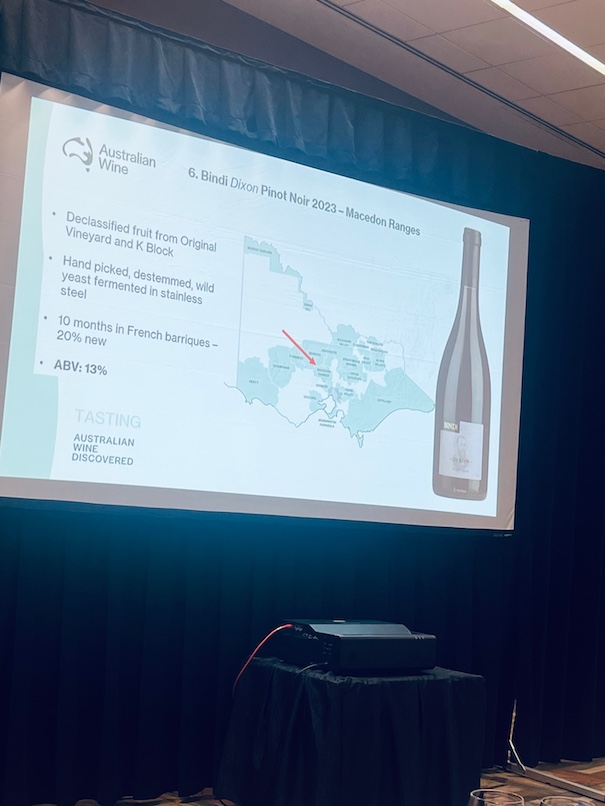
5. 2023 PINOT NOIR DIXON, BINDI MACEDON RANGES: Similar to Australian Chardonnay, new regions are increasingly shining, including Adelaide Hills, Geelong, Gippsland, Mornington Peninsula, Tasmania (Tamar Valley & Sparkling in Pipers River), and Yarra Valley – plus others emerging. This cooler region, the Macedon Ranges (northwest of Melbourne), sits at higher altitudes, offering a more elegant style – a region to watch in a warming world. This Dixon selection of vines planted in 1988 & 2001 from Bindi, offers fragrant, bright Pinot Noir perfumes showing fresh earthy cherries on the palate at 14% ABV. Encouraging region to monitor.

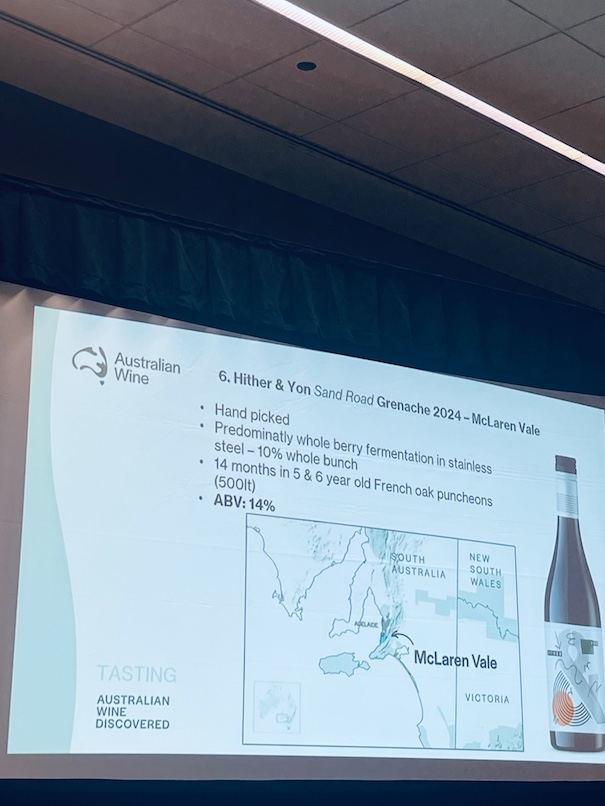
6. 2024 GRENACHE SAND ROAD, HITHER & YON MCLAREN VALE: How this classic grape variety has evolved worldwide more positively over the past decades – including in Australian wine regions. Mark says, “Picking times have changed but not too early” is required. This mostly whole berry ferment in stainless steel with 10% whole bunch spends 14 months in larger 500-litre older wood. We both felt it was attractively refreshing and juicier, tasting more delicious than Grenache in earlier years. On the right track with this one at 14% ABV.

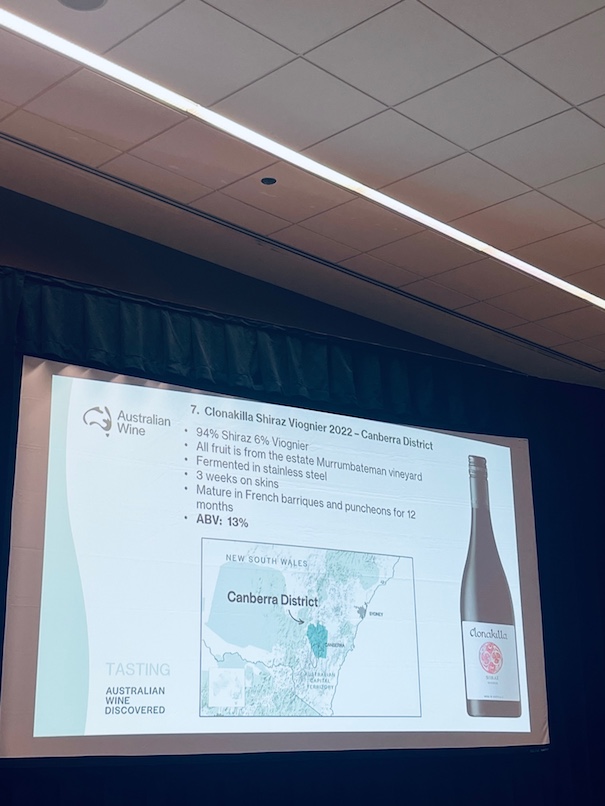
7. 2022 SHIRAZ VIOGNIER, CLONAKILLA CANBERRA DISTRICT: Co-fermented 94% Shiraz with about 6% Viognier on the skins for three weeks, followed by 12 months in French barriques and puncheons. Admire the lovely elegant aromatic aromas, along with the pure subtle harmonious balance, in this cooler vintage called “luminous” at only 13% ABV. An increasingly popular style.

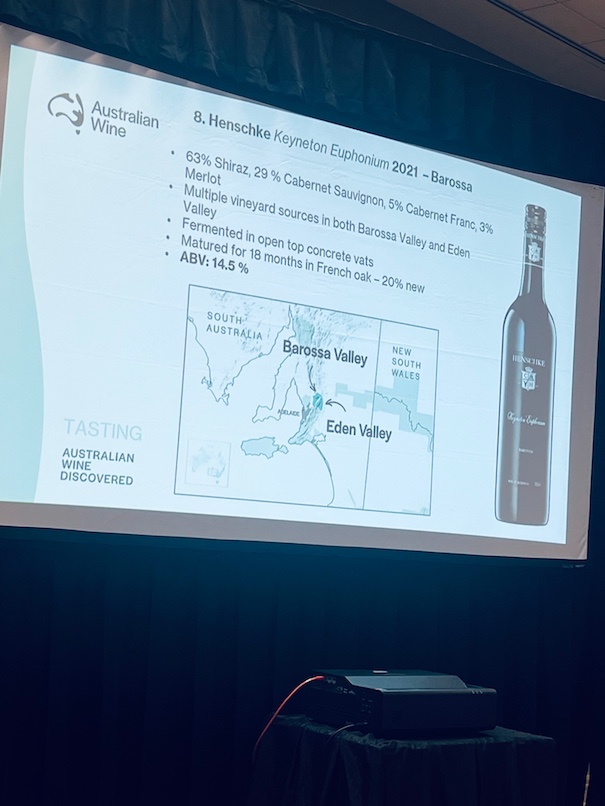
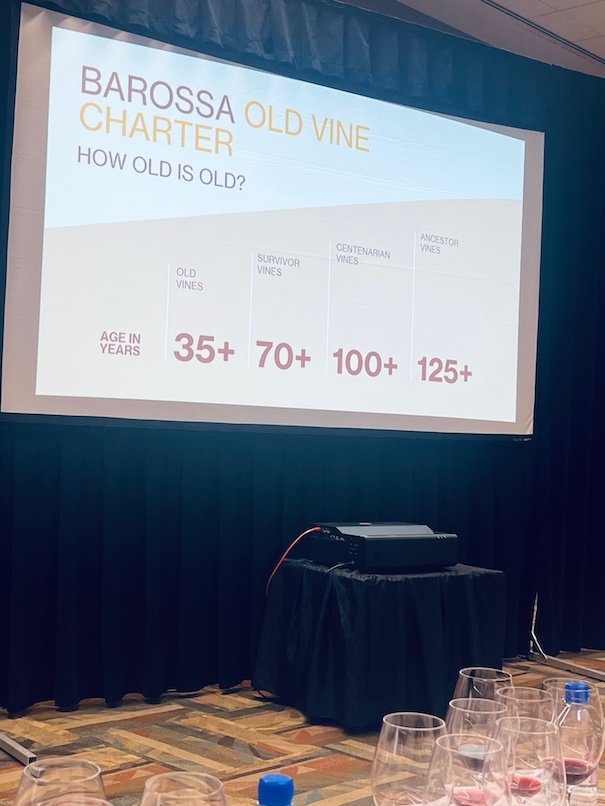
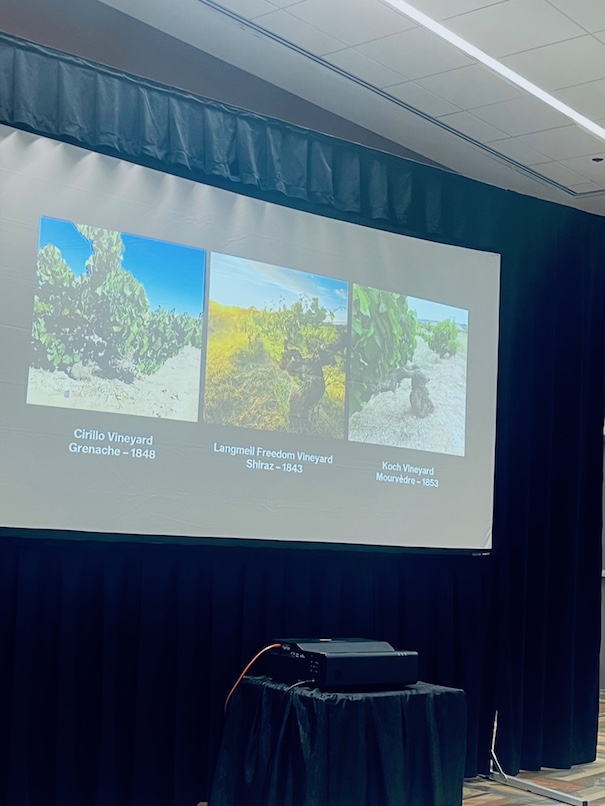
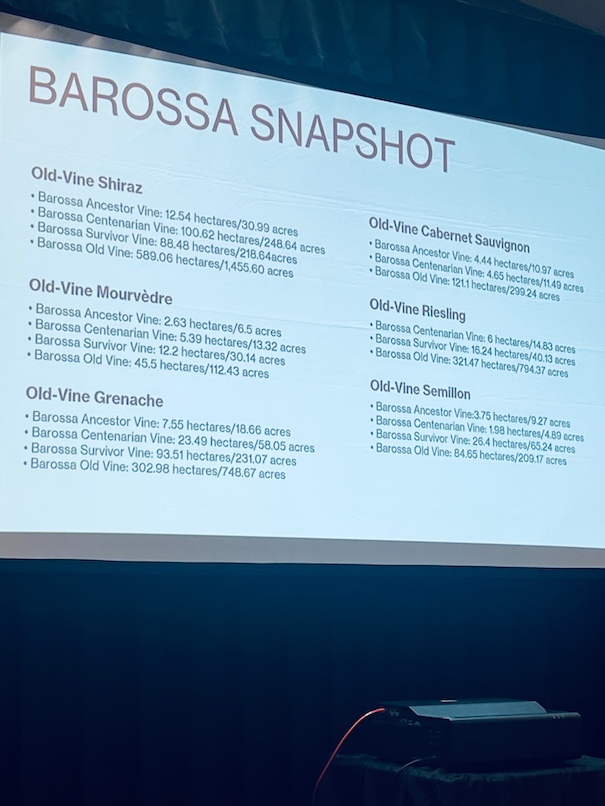
8. 2021 KEYNETON EUPHONIUM, HENSCHKE BAROSSA VALLEY: A full-bodied blend at 14.5% ABV, consisting of 67% Shiraz, 29% Cabernet Sauvignon, 5% Cabernet Franc, and 3% Merlot from top producer Henschke at a more reasonable price. It includes some 100-year-old vines fermented in open top concrete, then aged 18-20 months in French & American oak (20% new). Big, bold, and peppery, this needs more bottle time; it has intense fruit and many tannins. It’s a screw cap but still a powerful one for the cellar. We asked what “old vines” really means and the slide below provided the information: Old vines are 35+ years, Survivor vines are 70+, Centenarian vines are 100+, and Ancestor vines are 125+.

9. 2021 CABERNET SAUVIGNON TRUEMAN, HICKINBOTHAM MCLAREN VALE: This 100% Cab Sauv from the Clarendon Vineyard was basket-pressed into 60% new and used French oak barriques. It was then blended into four-year-old 4.8 KL foudres for 4 months before bottling in December 2022 at 14% ABV. This dense Cabernet Sauvignon has impressively concentrated boysenberry & plummy fruit with mocha and chocolate overtones. It will develop, soften, and round out with bottle age. There’s a lot to like in that unique terroir styling of Mclaren Vale.
You might also like:
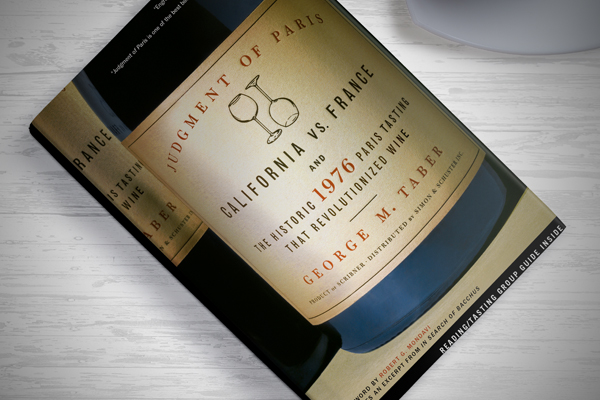
Ask Sid: Was it 50 years since California bested France in a Paris wine tasting?

March 25th, 2026 by Joseph Temple
Ask your question here

Question: Wasn’t it nearly 50 years ago that California first beat France in a wine tasting held in Paris? What are the details of that?

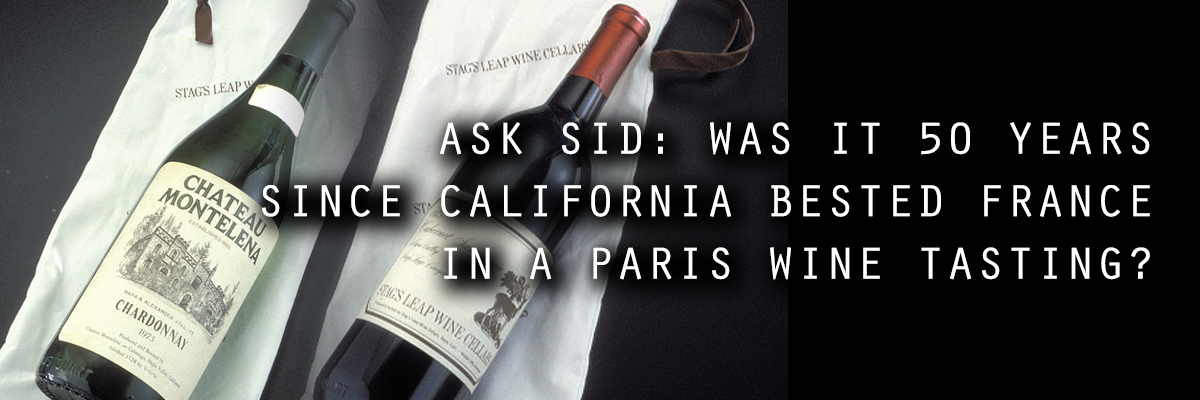
Answer: Yes, indeed, the 50th Anniversary of the famous Paris wine tasting held on May 24, 1976 by the late Steven Spurrier is coming up soon. Much activity is planned to celebrate it. On May 1, the Académie du Vin Library is releasing a new hardback book edited by Susan Keevil, “The Judgement of Paris – The Event That Shook The Wine World”: A Celebration Of The 50th Anniversary. Our International Wine & Food Society is organizing updated wine tastings, which several branches will host in commemoration. Should be exciting. Although the details of this wine tasting are widely available online, a useful, more recent summary in Time Magazine is here. It also contains a link to George M. Taber’s original coverage report from June 7, 1976. He later published a book on the subject as well. Stay tuned here for more extended coverage and insightful comments on these ongoing wine events.


You might also like:

HORIZONTAL TASTING OF RED BORDEAUX 2015 SHOWS FRUIT FLESHINESS WITH VARIABILITY + OUTSTANDING BENTO BOX

March 23rd, 2026 by Joseph Temple

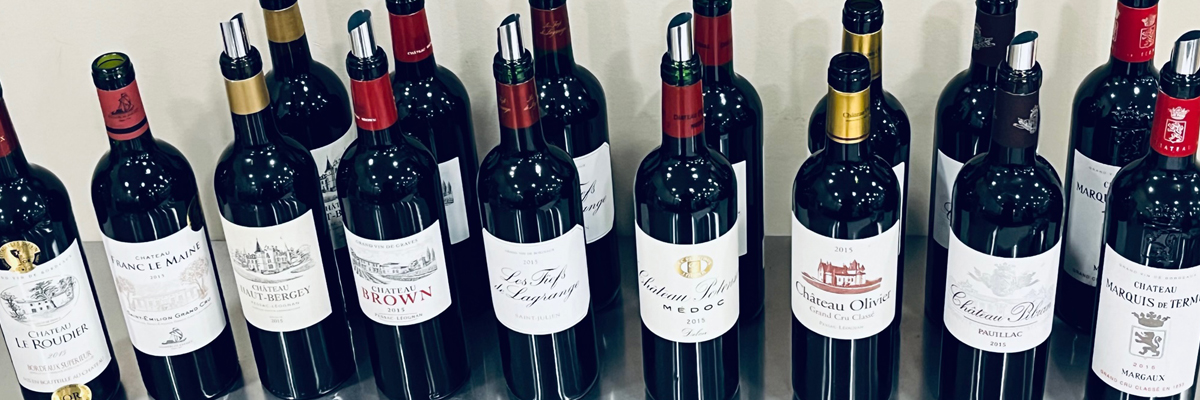
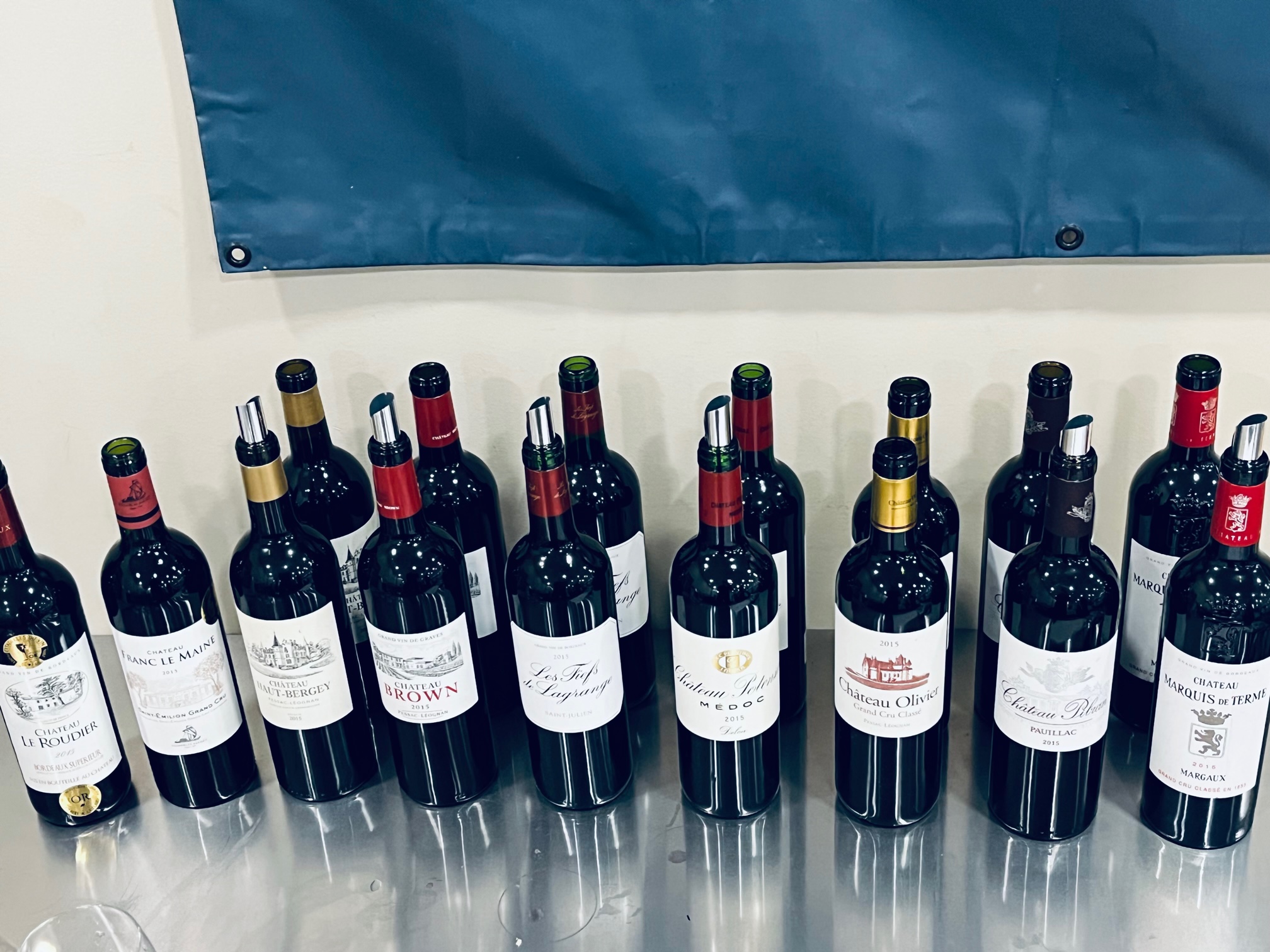
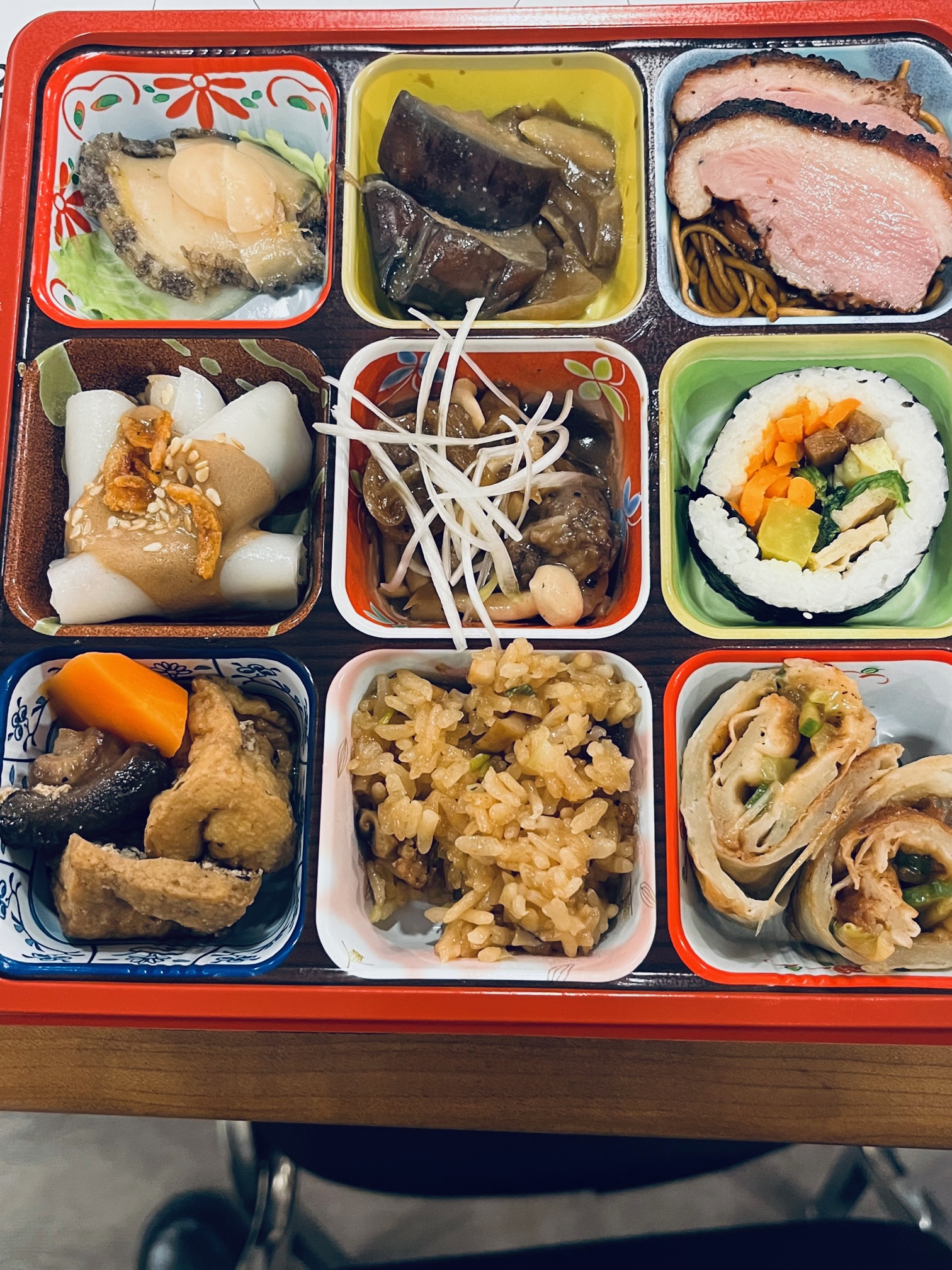
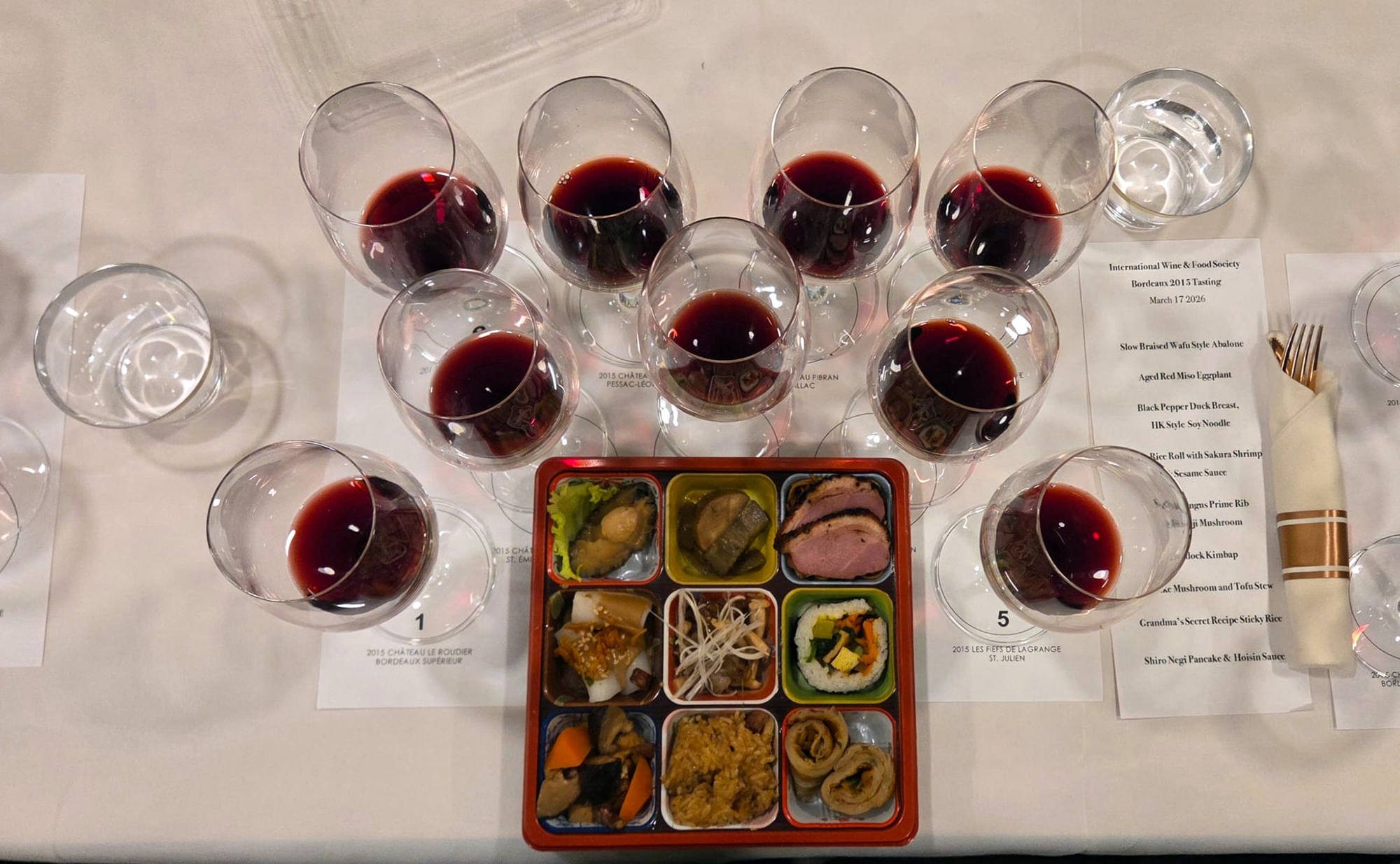
On March 17, IWFS Vancouver held a ten-year look at the highly rated 2015 Bordeaux vintage at the Culinary Commons newly opened by The Chefs’ Table Society of BC. A wonderful emerging space for the hospitality industry that has already assembled one of the largest cookbook collections. Your scribe conducted a wine tasting for the members, featuring nine chateaux for a detailed look at the 2015 vintage. We were also treated to a remarkable food sampling of nine different, tasty items presented in a colourful Bento Box prepared by talented sommelier/chef Van Doren Chan. Such diverse works of art from special abalone imported from Hong Kong, perfectly cooked duck breast, and exotic mushrooms, to shiro negi (Japanese leek) custard tart. All so delicious. Congrats! Many thanks.

The weather in Bordeaux from April to the end of July 2015 was very dry and hot resulting in smaller grapes with thick skins followed by a wetter August & cooler September. Accordingly, the 2015 vintage was initially released with optimistic recommendations also helped by four lesser years from 2011-2014. However, the following 2016 vintage rivalled or exceeded 2015 by also having density with better structure and balanced acidity. Interesting comparison of those two vintages. The 2015 vintage is variable, favouring the Margaux & Pessac-Léognan regions (like in 1983) because of more late-season rains in the upper Medoc. Alcohol levels range from 12.5–13% in the Medoc to 15–15.5% (Troplong Mondot) on the Right Bank. Here are some comments from my longer presentation, plus the tasting order based on the initial local purchase price:

2015 CHATEAU LE ROUDIER BORDEAUX SUPERIEUR $28.85: 70% Merlot, 20% Cabernet Sauvignon, 10% Cabernet Franc from 25 hectares of Patrick Chevrier in Maransin near St. Emilion. Good clay soils for the Merlot, but needing more 2015 fruit intensity. At 13% ABV, it’s a bit thin and dry, but it would show much better paired with food, reflecting its refreshing Bordeaux styling. Value.

2015 CHATEAU FRANC LE MAINE ST. EMILION GRAND CRU $51.85: 61M/35CF/4CS blend from Vignobles Philippe Bardet, sourced from over 11 hectares south of Saint-Émilion on diverse clay, sand, & gravel soils with lower yields of 39 hl/ha. Dozens of properties use “Franc” in their name but the best one is Chateau Franc-Mayne so this Franc Le Maine is particularly confusing. Aged in barrels for 14-18 months, featuring 50% new oak, resulting in a darker, 14.5% ABV fruit-forward profile. Shows spicy red figgy fruit with underlying floral leafy herbal notes – very St. Emilion styled.

2015 CHATEAU HAUT BERGEY PESSAC-LEOGNAN $57.60: 47M/36CS/10Petit Verdot/7CF certified biodynamic grown on 42 hectares, mostly gravel in the heart of Leognan village near Domaine de Chevalier. Sylviane Garlin-Cathiard (sister of Daniel Cathiard & Florence who bought Chateau Smith Haut Lafitte in 1990; Daniel died this year) bought the property in 1991 though this 2015 is the first one produced by her brother Paul Garcin. Certified organic in 2017. Plush ripe cherries and spicy plums at 13.5% ABV with rounder, earthy, smoky complexity. Drinking on a lovely approachable plateau.

2015 CHATEAU BROWN PESSAC-LEOGNAN $63.35: 55CS/43M/2PV from the Mau family (previously negociants) who bought this property in 2004 and is ever on the improve with much vine replanting at higher density and natural trees environment plus consultant Stephane Derenoncourt. Bright and stylish with sweet fruit, tobacco, and notes of pepper/cinnamon all nicely structured at 14% ABV. No rush.

2015 LES FIEFS DE LAGRANGE ST. JULIEN $ 69.10: 55CS/41M/4PV is the second wine of Suntory’s Third Growth property, Château Lagrange since 1983. Lighter and more forwardly supple soft with some classy St. Julien terroir. The Grand Vin has more Cab Sauv for riper concentrated cassis complexity. However, this vintage of Les Fiefs has some greener herbal notes from younger vines and less-phenolic ripeness in the grapes. Enjoy it now.

2015 CHATEAU POTENSAC NORTH MEDOC $69.10: 45M/38CS/17CF from this remarkably consistent Cru Bourgeois Exceptionnel, near Chateau Sociando-Malet, above St. Estèphe, made by the Delon Family team of Chateau Leoville Las Cases. A favorite of ours dating back to the seventies. Older vines and smart strict selection (only 55% used with 45% in La Chapelle de Potensac) work so well here. Admire the amazing quality level every year. Rich solid black currant intensity at 13.5% ABV, with lead pencil, graphite, and complexity. So juicy and delicious. Yes please!

2015 CHATEAU OLIVIER PESSAC-LEOGNAN $74.85: 58CS/40M/2PV from this historic impressive property dating back to the 12th century. Until recently, they were known more for their white Bordeaux. Improved bigger reds from lower yields show more depth and harmony from Famille Bethmann and Laurent Lebrun. However this vintage is almost too much at 14.5% ABV, featuring a thick, extracted, stewed, concentrated blend. Interesting, but perhaps it lacks finesse in not showing the elegant terroir to its best advantage. Still a Chateau on the move and one to watch for excellent current vintages like 2022.

2015 CHATEAU PIBRAN PAUILLAC $80.60: 50M/50CS vinified by the AXA team at Chateau Pichon Baron. Fall rains were not in favour of Pauillac & St. Estèphe, but top quality control worked well here. Mid weight at 13.5% ABV with classic cedar, cassis, and tobacco notes. Admire the purity, elegance, and charm, integrated with acid and tannins, using 50% new oak.

2015 CHATEAU MARQUIS DE TERME MARGAUX $103.60: 60CS/33M/7PV from another old 15th-century site, now a 40 hectare Fourth Growth from 1855. A complete modern renovation occurred in 2009 (with a restaurant added in 2018); the property started its organic process in 2013 and achieved certification in 2017. This vintage 2015 suffered delayed bud burst due to water stress, followed by a shutdown during veraison before welcome August rains unblocked the process. Experimenting with egg-shaped 600-liter concrete vats for additional minerality. This wine is sensational, offering a complex bouquet that includes licorice, sweet floral perfume, luscious palate density, and Margaux terroir finesse. Probably the best Marquis de Terme ever made. Clearly Wine of the Night!


You might also like:

Ask Sid: What is Chiavennasca?

March 18th, 2026 by Joseph Temple
Ask your question here

Question: Where is the Chiavennasca wine grape grown?

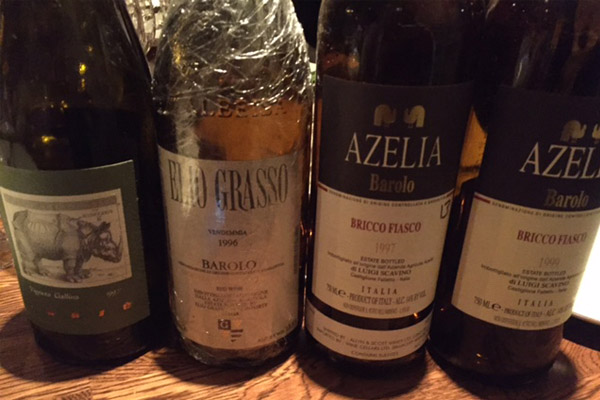
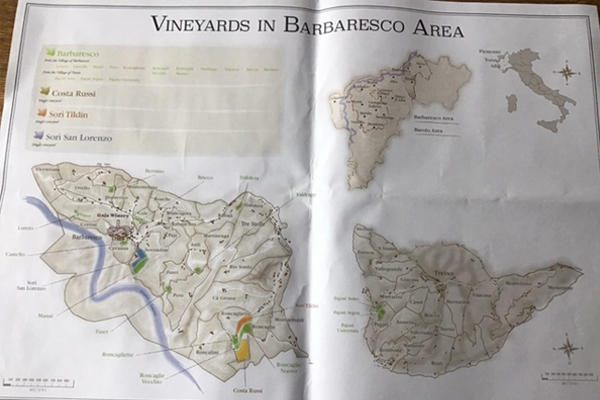
Answer: Chiavennasca is a grape grown in the Valtellina Valley in the Lombardy region of Italy along the Swiss border. It produces superb, light, acid-balanced, aromatic, elegant, stylish wines from elevated, south-facing steep mountainous vineyards. It is the local name for the more famous Nebbiolo grape variety in Piedmont but grown without the foggy “nebbia” conditions. Try the wines, ranging from the forward drinking Rosso di Valtellina (DOC) to the refined, age-worthy Valtellina Superiore (DOCG). They also produce a more robust wine, “Sforzato” (DOCG) from dried grapes. It is fun and insightful to do a comparison tasting between a more tannic Barbaresco or Barolo with a Valtellina!


You might also like:

FRANCE: TERROIR & TRENDS @VANWINEFEST

March 16th, 2026 by Joseph Temple

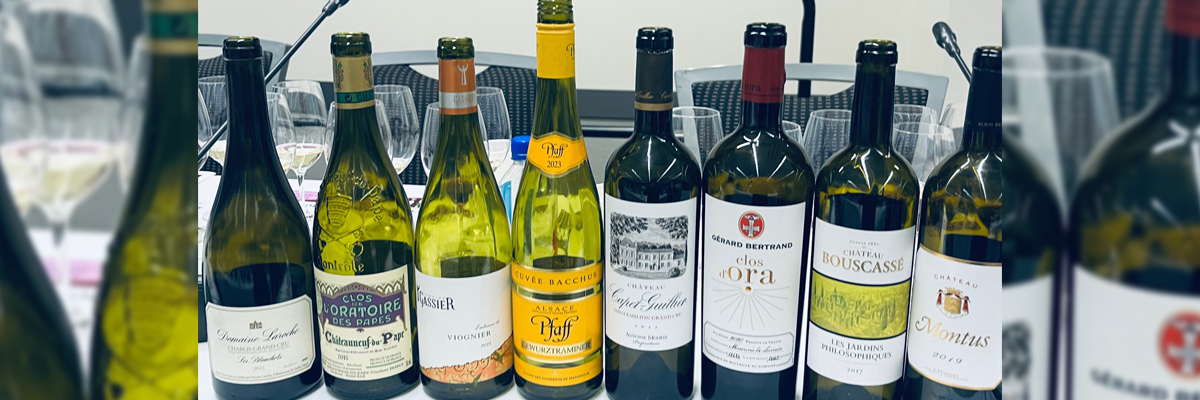
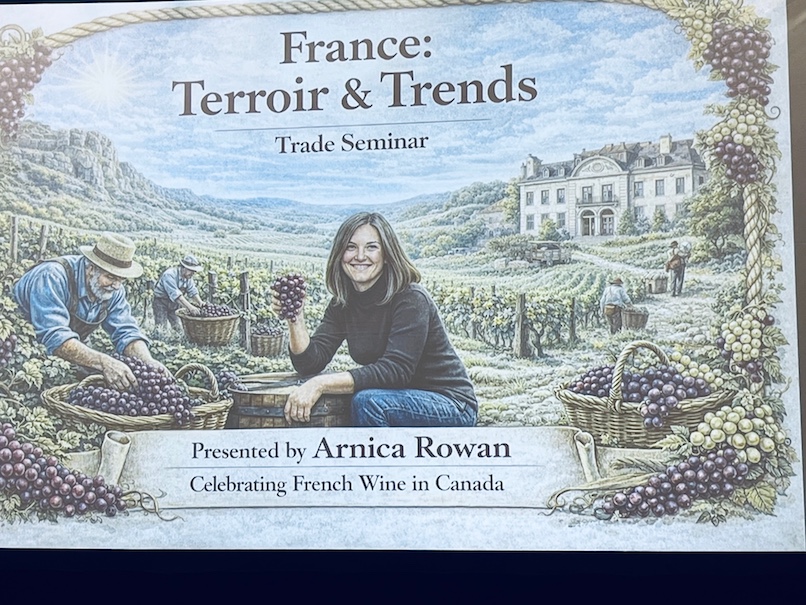
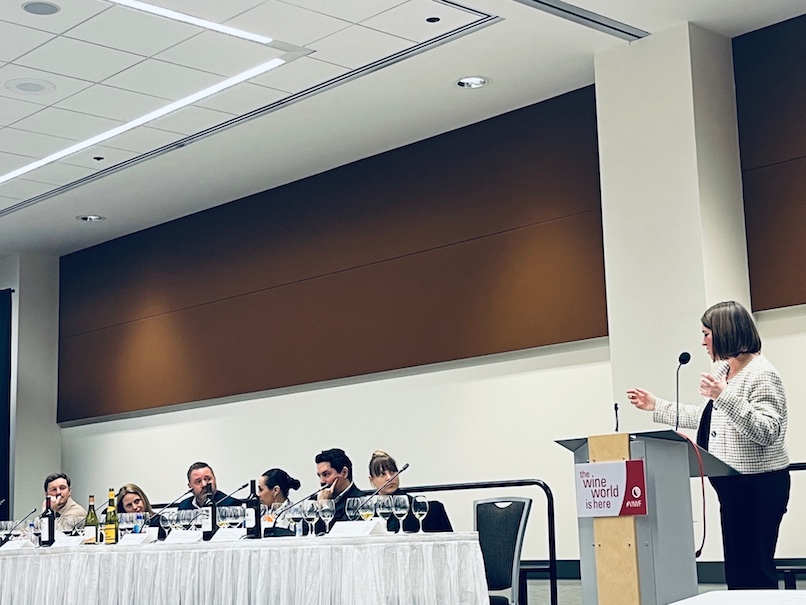
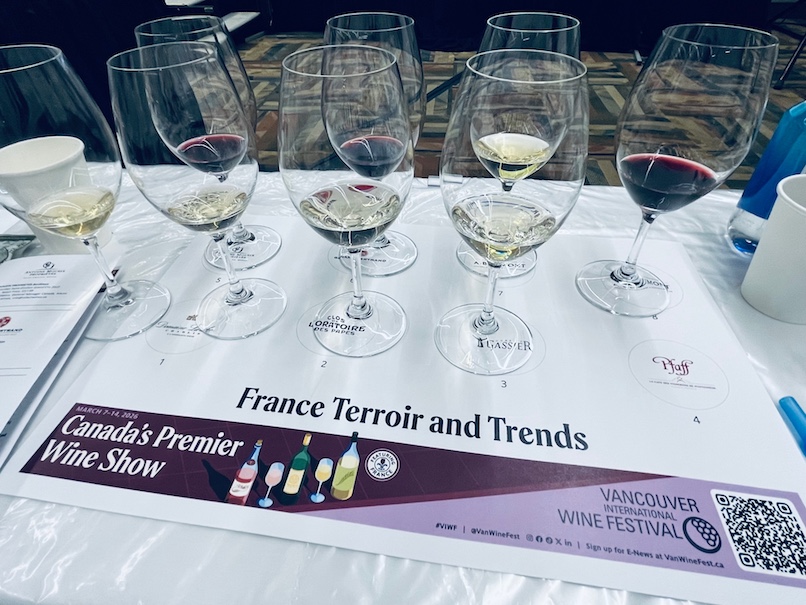
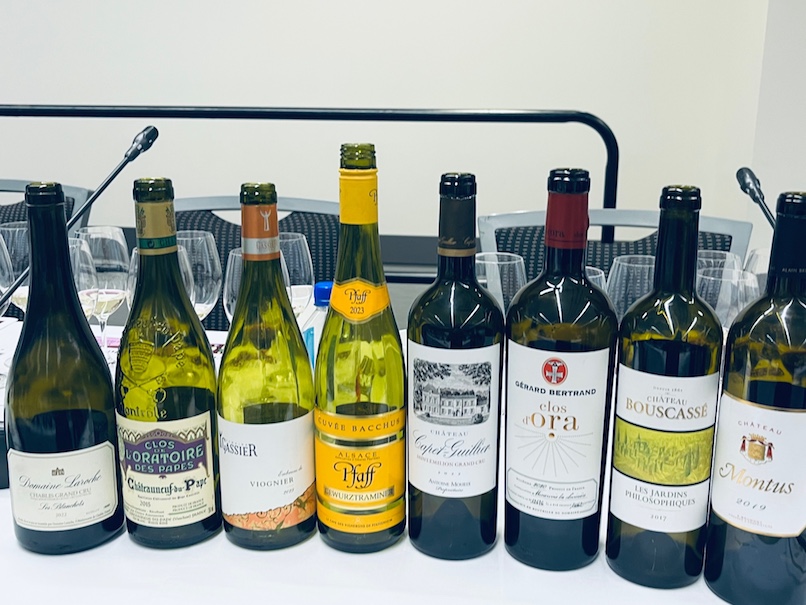
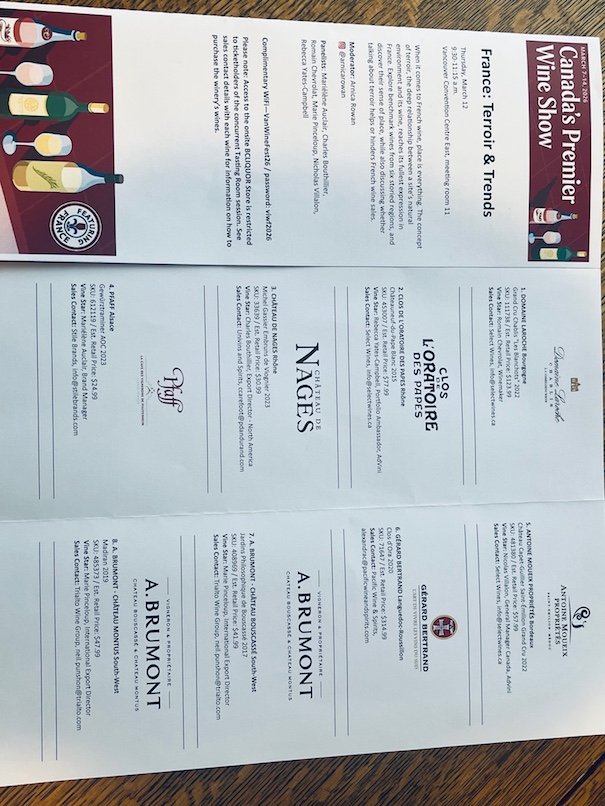
The 47th annual @VANWINEFEST Vancouver International Wine Festival #VIWF has just concluded giving us another educational and insightful week on wine, food and hospitality. This year’s focus was on France, featuring key wines and seminars. The opening Trade event “France: Terroir & Trends,” was held early at 9:30 am on Thursday March 12. Eight French wines from six regions were tasted to discover their terroir or “sense of place,” on a panel well moderated by Arnica Rowan @arnicarowan with knowledgeable comments from winery principals. The presentation was inspired by Andrew Jefford for his ideas plus illustrations created using generative AI (ChatGPT) with a reference to TerroirWine.ca. The organizers do a terrific job assisting you with the helpful detailed program outline set out below. Some comments from your scribe:

1. 2022 CHABLIS LES BLANCHOTS GRAND CRU DOMAINE LAROCHE: What an amazing start with a Grand Cru Chablis! Big fan of Laroche Chablis since the seventies due to the pioneering quality work by Michel Laroche & his wife, Gwenael (now at Le Domaine d’Henri). Domaine Laroche owns over 1/3 of the vineyards in their flagship Blanchots, where the special white clay soil layer over Kimmeridgian limestone provides a lighter more delicate style. They also use the best grape lots from this Grand Cru to make the exciting “La Reserve de l’Obedience,” which has more complex depth and finesse than the regular Blanchots. The 2022 harvest began earlier, at the end of August, yielding a large crop of varying ripeness. Our wine is forwardly light, young, bright, and round, showing lovely Chablis character but it is overall rather soft and needs better structure with more acidity for long aging. I prefer the vibrancy and richer character of their Grand Cru Les Bougerots & Les Clos in 2022 for cellaring.

2. 2015 CHATEAUNEUF-DU-PAPE BLANC CLOS DE L’ORATOIRE DES PAPES: This winery admirably uses organic methods encouraging composting to invite insects, employing cover crops, and implementing active water preservation measures. This ten-year-old Rhône white, sourced from two parcels on limestone soil, blends 30% each of Clairette, Grenache Blanc, and Roussanne with 10% Bourboulenc. It shows an aged yellow-gold color and deep, ripe, sweeter honey peach perfumes. It is uniquely full, rich, and powerful, currently on a wonderful drinking plateau. Nice maturity. Such a dramatic contrast to the Chablis.

3. 2023 EMBUNS DE VIOGNIER DOMAINE GASSIER: This 100% Viognier, organically grown by keen producers Tina & Michel Gassier for Chateau de Nages in the Languedoc as Vin de Pays du Gard has the variety’s typically distinctive spicy apricot fullness. So lush at 13% ABV for a bargain price!

4. 2023 GEWURZTRAMINER CUVEE BACCHUS PFAFF: It combines two soil types in Alsace—limestone and chalky clay—to grow Gewürztraminer grapes, producing a very aromatic, expressive, spicy, floral wine with notes of rose and lychee that is true to the variety. Off-dry at 13.5% ABV with a touch of ginger is so pleasant.

5. 2022 CHATEAU CAPET-GUILLIERE ST. EMILION: Four hectares of deep, compact clay-limestone soils yield a balanced blend of 82% Merlot & 18% Cabernet Franc, offering a fruity Right Bank expression of Grand Cru Saint-Émilion south in Saint-Hippolyte. The estate has used biodynamic practices since 2021. Antoine Moueix Proprietes uses four weeks of maceration, malolactic fermentation in barrique, and aging in 50% new French oak for 12-16 months to produce 18,000 bottles of this floral, plush, easy-drinking red. Another example of improving smaller, valuable properties emerging around Bordeaux.

6. 2020 CLOS D’ORA MINERVOIS LA LIVINIERE GÉRARD BERTRAND: This expensive premium red wine from Languedoc-Roussillon is an organic biodynamic blend of Syrah, Grenache, Mourvèdre, and Carignan, sourced from nine stone walled hectares on limestone marl soils with horse-tended rows. Fermented in concrete and aged one year in French oak this complex wine at a powerful 15.5% ABV features intense blackberries, dark plums & cherries, dominated by an elegant touch of spicy garrigue. This is truly amazing wine from a remarkable producer, Gerard Bertrand, with numbered bottles; it needs further aging to best show its rich depth of fruit quality. An innovator as “L’Art De Vivre Les Vins Du Sud” for sure.

7. 2017 LES JARDINS PHILOSOPHIQUES BLANC CHATEAU BOUCASSE: Two unusual wines from South-West France by Vigneron & Proprietaire Alain Brumont conclude this interesting wine tasting. This white wine is a blend of 70% lesser-known Petit Courbu and 30% Petit Manseng; it ferments in tanks with long lees aging but sees no wood. At 13.5% ABV, it shows very ripe, yet dry, exotic, smooth, and honeyed fruit. Perhaps try pairing with foie gras. Discovered by CostcoUSA and sold for a steal at $13 a bottle, it is still relatively inexpensive in Canada, selling in the low forty-dollar range. Unique.

8. 2019 CHATEAU MONTUS MADIRAN: This protected appellation produces this powerful blend of 60% Tannat with 20% each of Cabernet Sauvignon & Cabernet Franc at 13.5% ABV. Old vines of Bouscasse in Madiran, Gascony, in southwest France. A long 30–45 day maceration on skins and three years in wood results in a grippy, tannic red wine. CostcoUSA also discovered this wine and sold it for a crazy low price of $15 a bottle. Even though the price in Canada is now $48, it is still a low price for a big, full-bodied, distinct terroir Madiran. Good matching for BBQ. This seminar clearly illustrated France’s diverse wines. Thanks.


You might also like:

Older Entries
The object of the Society is to bring together and serve all who believe that a right understanding of good food and wine is an essential part of personal contentment and health and that an intelligent approach to the pleasures and problems of the table offers far greater rewards than the mere satisfaction of appetite.
Andre Simon Wine & Food Society Founder (1933)
© 2026 The International Wine & Food Society (IW&FS) IW&FS
Credits | Privacy | Accessibility