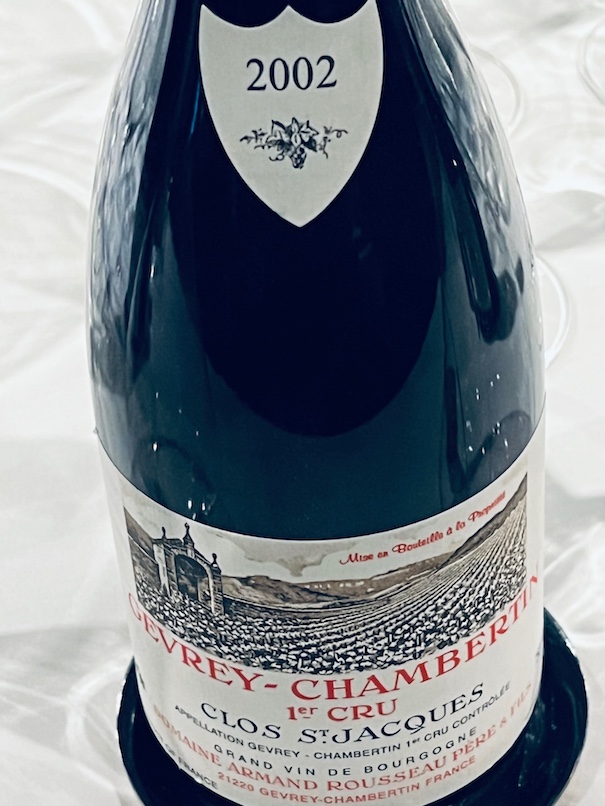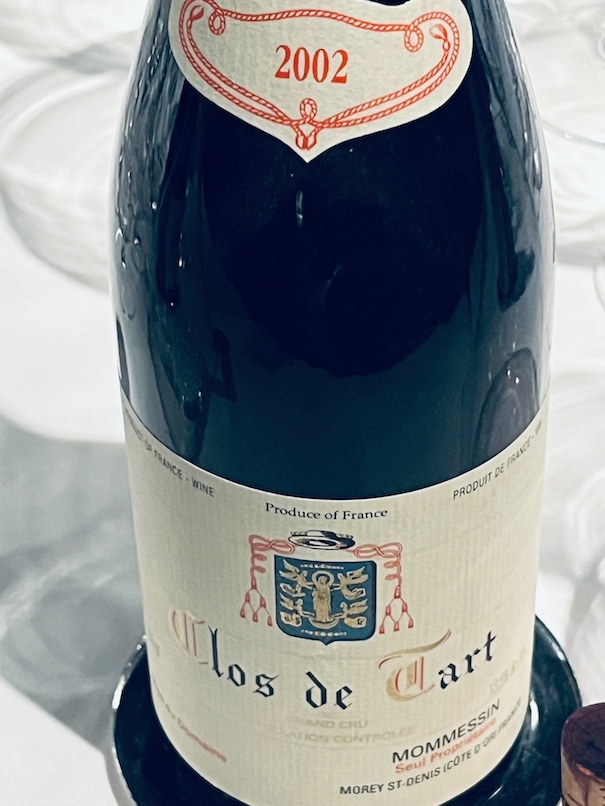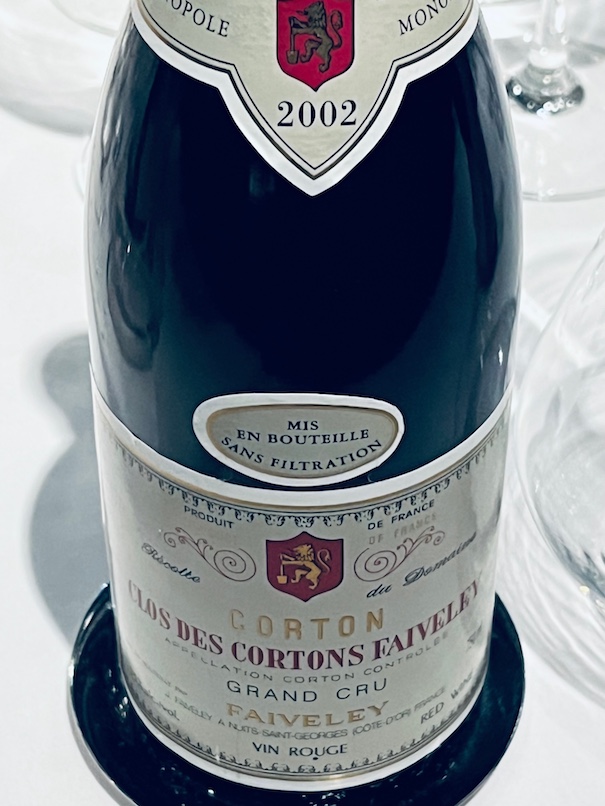
SMART SELECTION IN THREE BURGUNDY WINE FLIGHTS ALLOWS INSIGHTS INTO SPECIFIC PRODUCERS AND COMPARING VINTAGES

All us oenophiles enjoy the opportunity to learn more about wine. This is helped out a lot when the organizer of an event chooses wines with something in common but also allows for comparisons.

We are fortunate with the Vancouver Branch of the Confrérie des Chevaliers du Tastevin to have Cellarmaster Blair Curtis and his team acquire, organize, and select excellent groupings from the cellar inventory for our events.

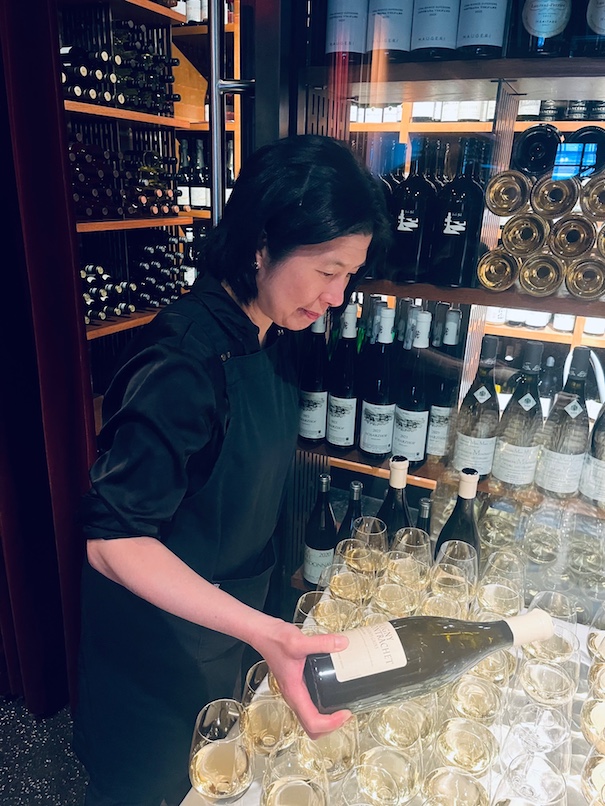
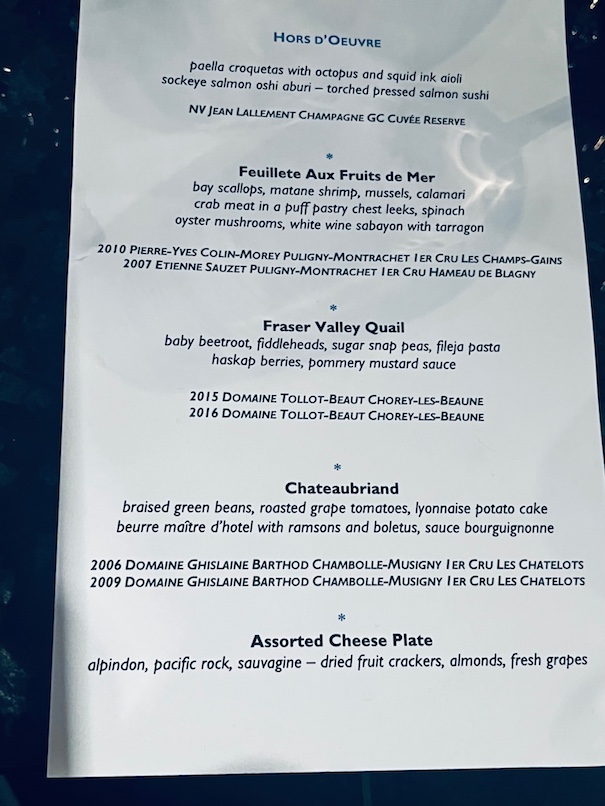
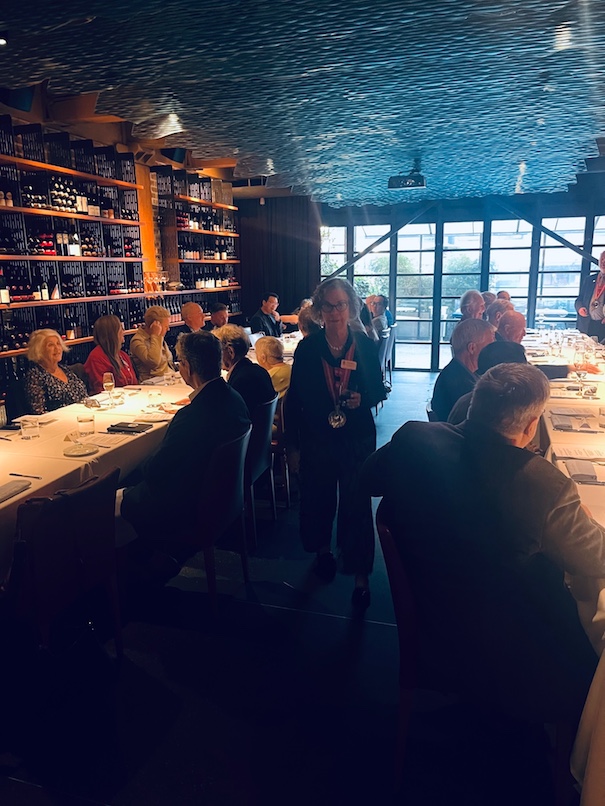
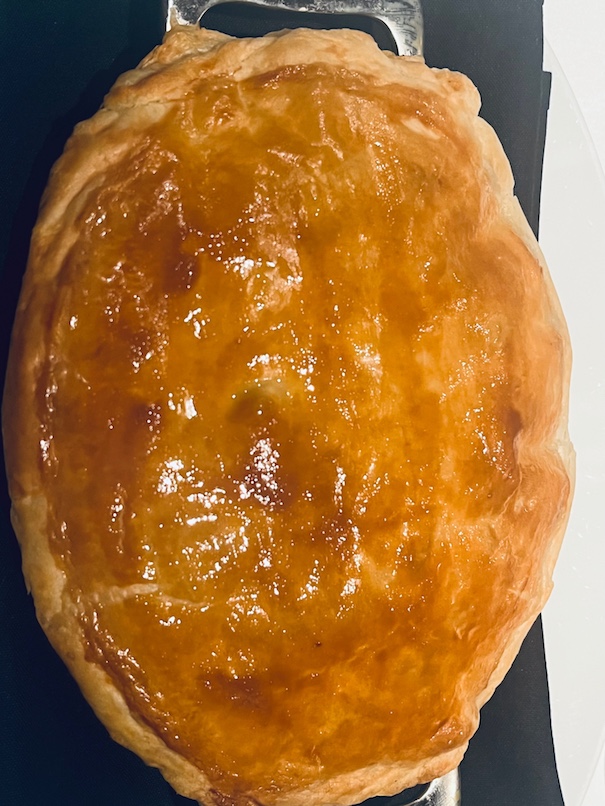
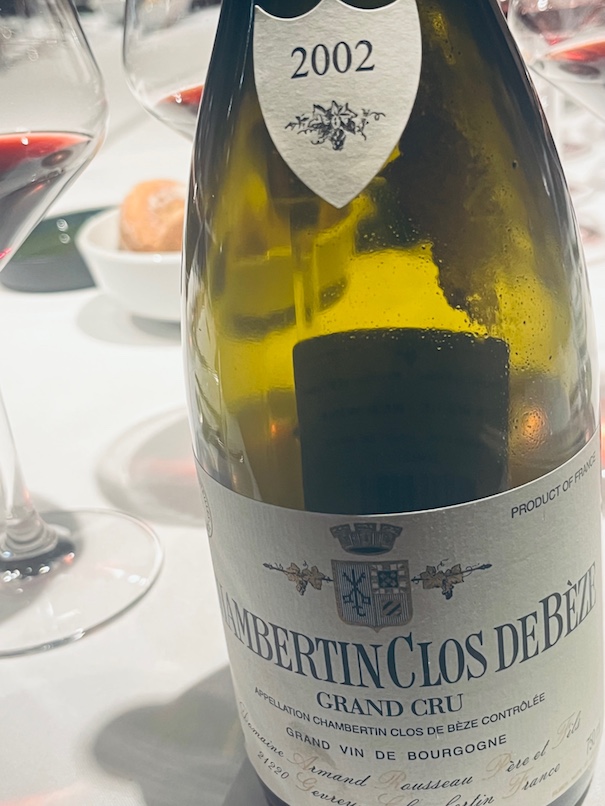
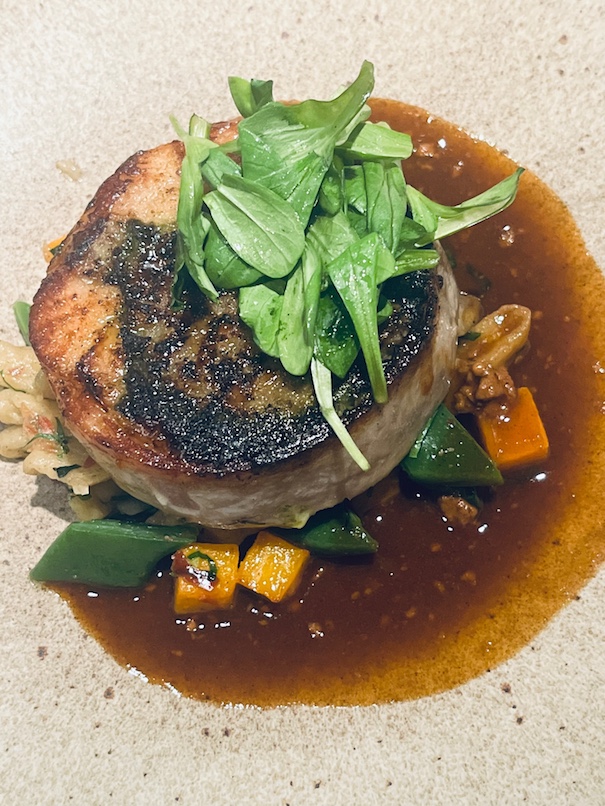
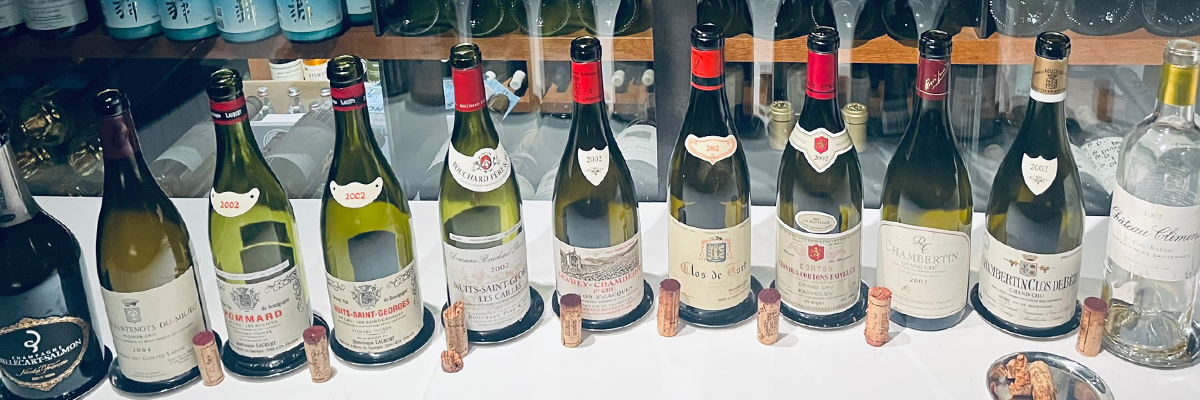
On September 30, 2025 was another example of that for a Black Tie Induction stellar dinner by talented Chef Alex Kim and brigade at Five Sails Restaurant featuring three well organized most interesting flights of Burgundy.

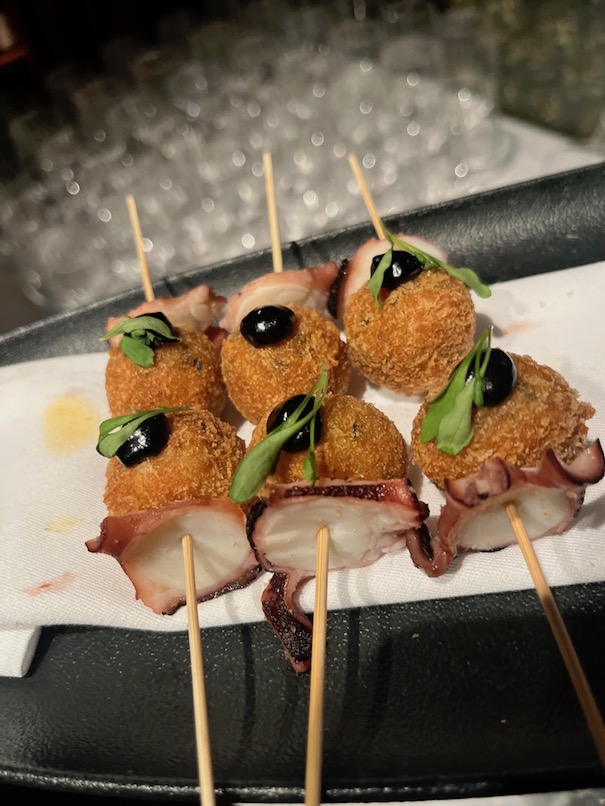
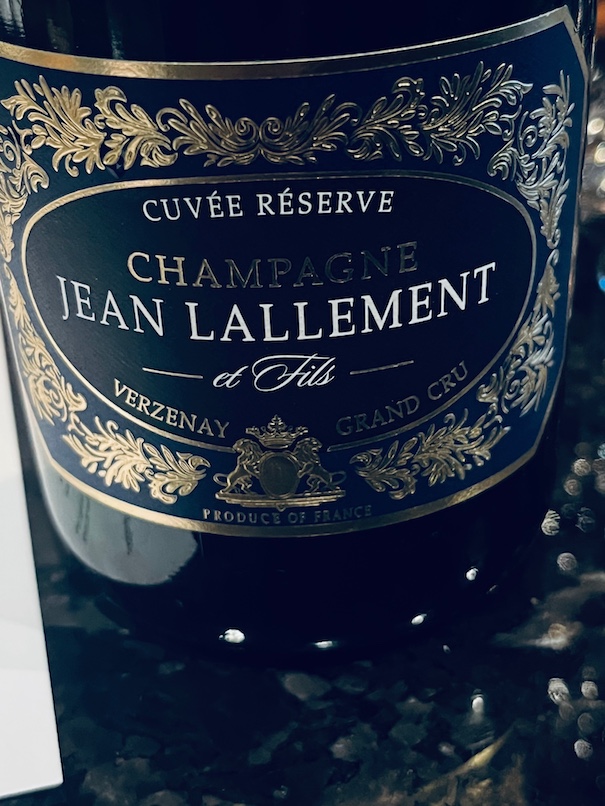
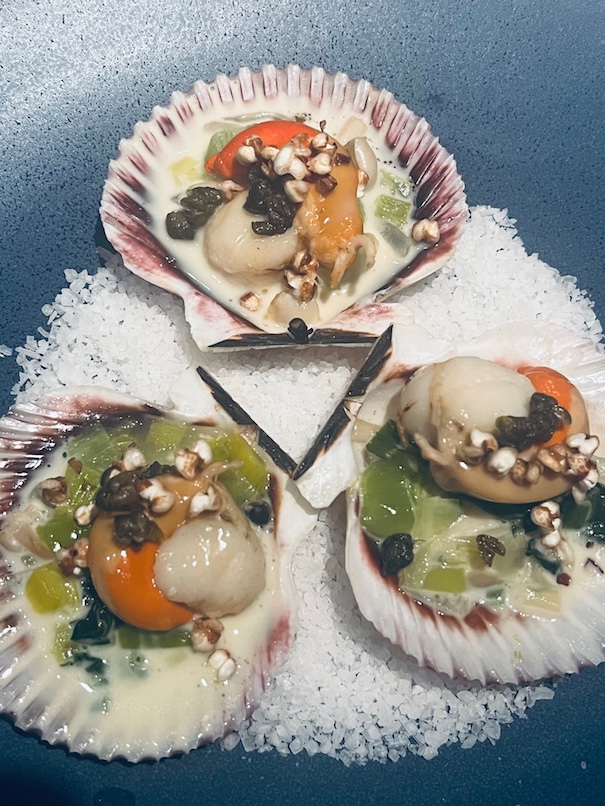
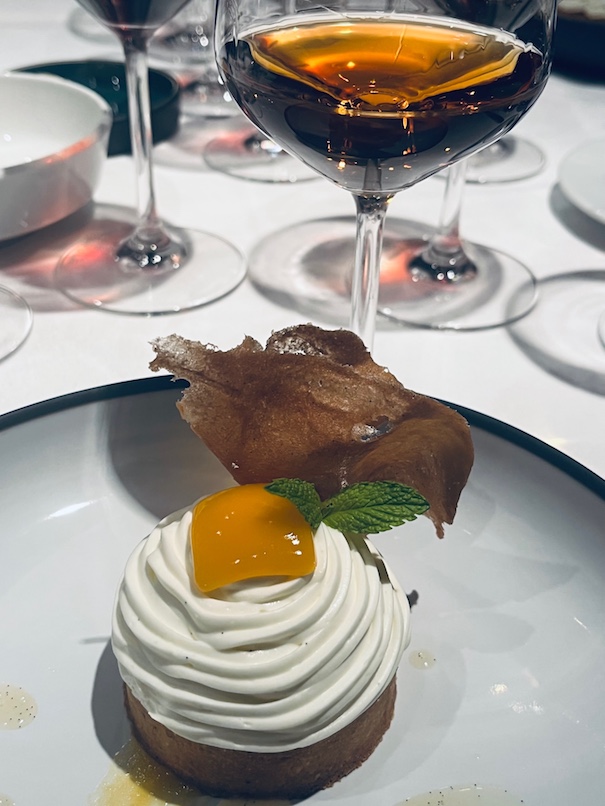
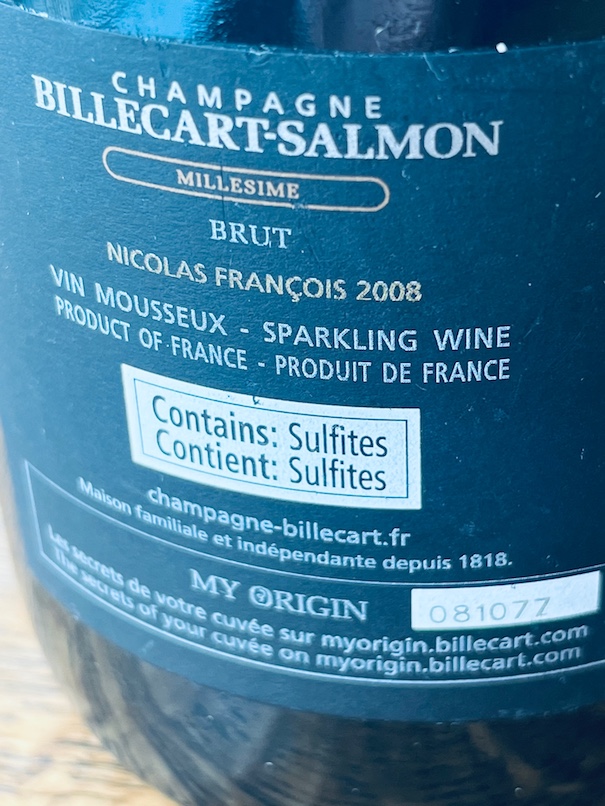
We started with an aperitif of DRAPPIER CARTE D’OR BRUT from a major family Aube producer in Urville at the heart of the Cote des Bar since 1808 claiming to be the first Carbon Neutral Champagne House. Grown on southern vineyards with a sustainable and organic ethos of Jurassic Kimmeridgian limestone and chalk (similar to Chablis) they blend 80% Pinot Noir, 15% Chardonnay and 5% Meunier using 40% Reserve wines with a liqueur matured in wood for 6.5 g/l dosage on disgorgement 2/19. Shows rich full bodied spicy notes with some creamy complex character from six years of bottle age suitably paired with hors d’oeuvre plus exquisite bonus scallop course. We finished with 2003 CHATEAU DOISY-DAENE BARSAC planted 86/14 Semillon/Sauvignon Blanc with more forwardly ripe soft sweet syrupy notes than usual from this hotter early picked vintage.

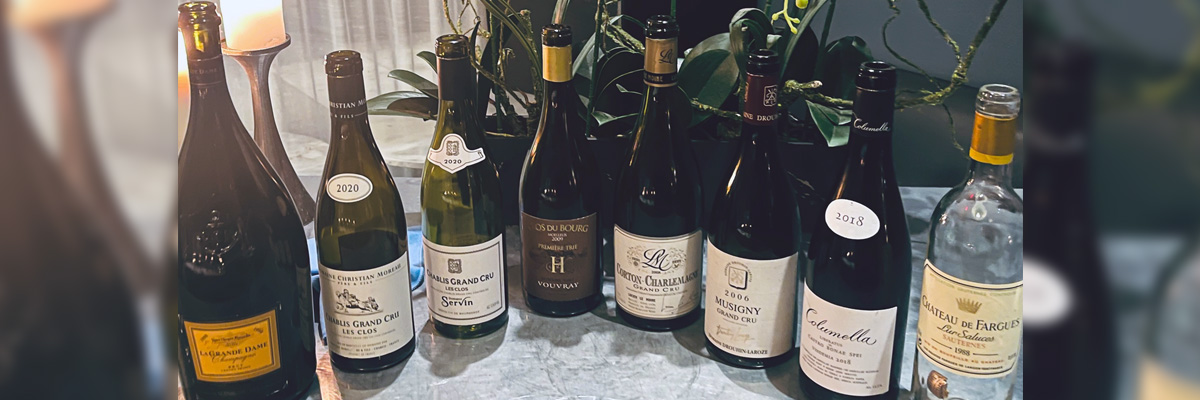
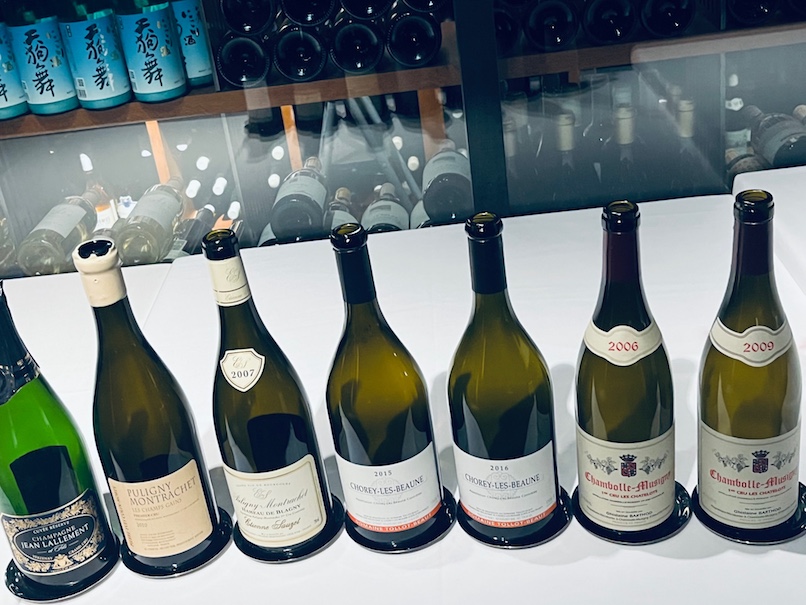
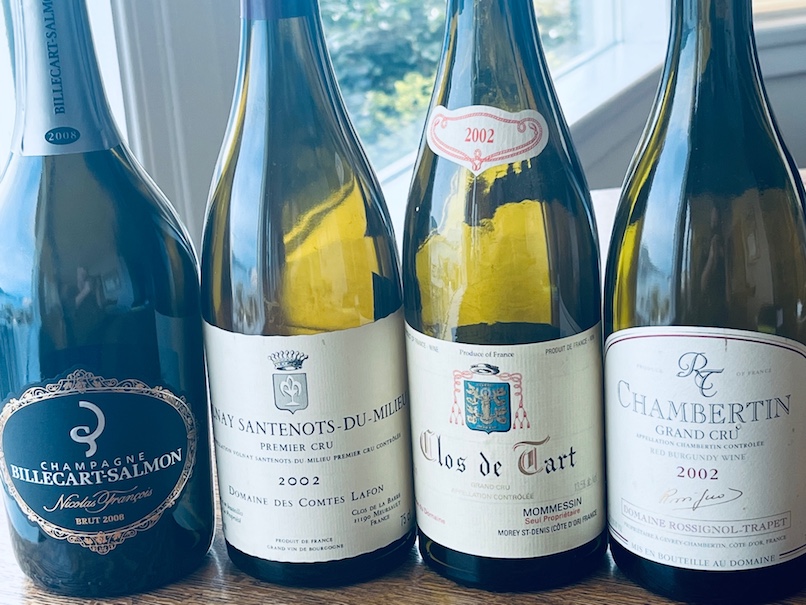
The three flights of Burgundy provided lots of insights into three producers and lots of vintages to compare – especially six consecutive red Burgundy years from 2009 to 2014 inclusive. Some thoughts:

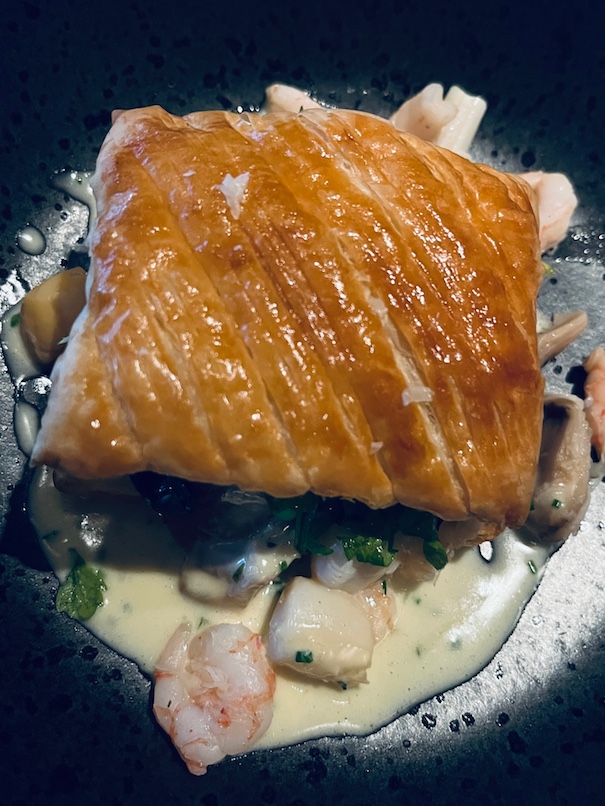
First Flight White Burgundy BALLOT-MILLOT MEURSAULT CHARMES 2015 & 2013 with shrimp & caviar. Underrated family producer with older vines using organic practices with Raymond, Philippe, and since 2000 Charles Ballot producing improved quality with lovely purity restrained oak treatment with no battonage and less intervention in vinification. Both vintages showed fresh precise definition with 2015 warmer year of richer fatter fuller weight concentration while 2013 older but even more fresh lively exuberance and structured complex elegance from a cooler year which your scribe preferred. Reminds me of their excellent 2017 Meursaults – especially the older vines in Genevrieres. Like the intensity and length of pure flavours they are obtaining from their well situated vineyards. The Charmes plot is in the upper part with Lafon. Top producer to follow.

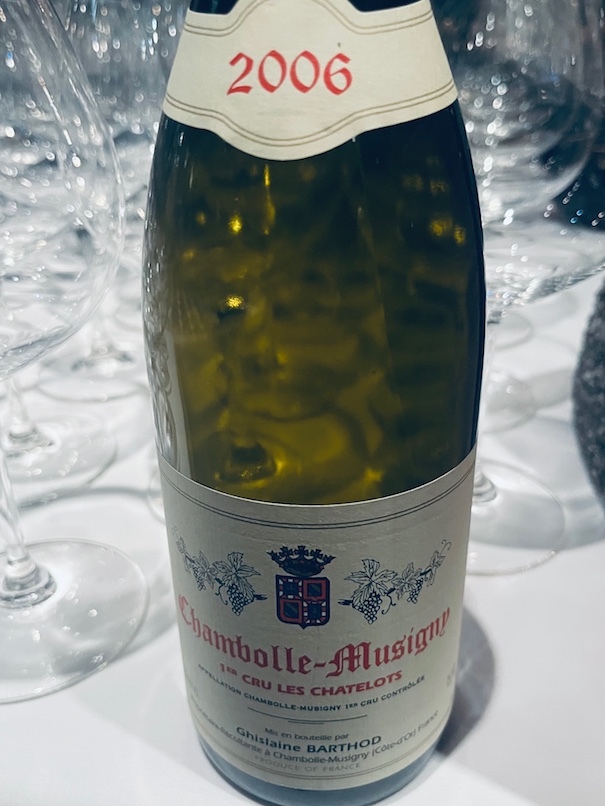
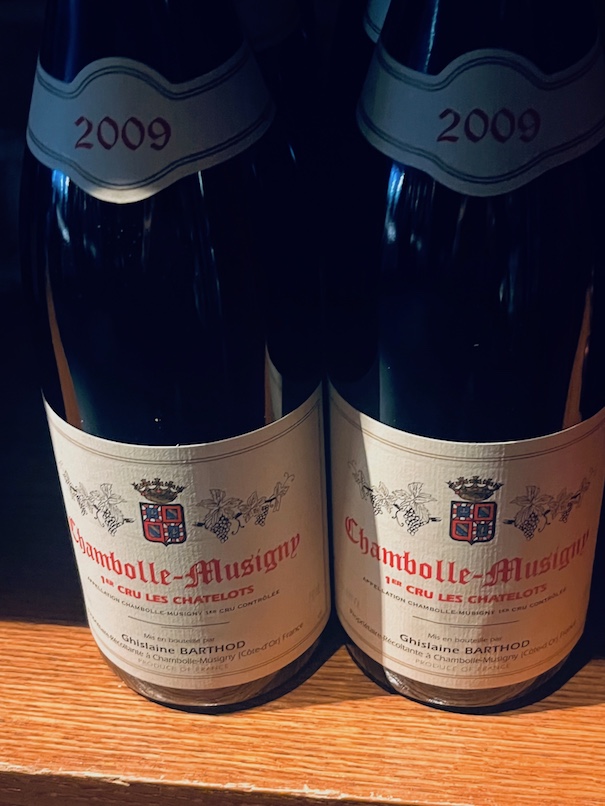
Second Flight featured 3 vintages of CHAMBOLLE MUSIGNY village wine from DOMAINE GHISLAINE BARTHOD. Gaston Barthod from the Jura married into the Noellat family and daughter Ghislaine (married to Louis Boillot) apprenticed with them in the eighties and eventually developed her own respected Domaine. In the old days they admired in Chambolle Musigny only Les Charmes Premier Cru as best and other holdings were not promoted. Now they are advocates of Les Cras, Les Fuees and many other Premier Crus. Fun to compare 2011, 2010, and 2009 of just the AC wine from nine parcels in the region that is a fav of your scribe for charm, grace, elegance, and delicate sensuous textures from more limestone soils.

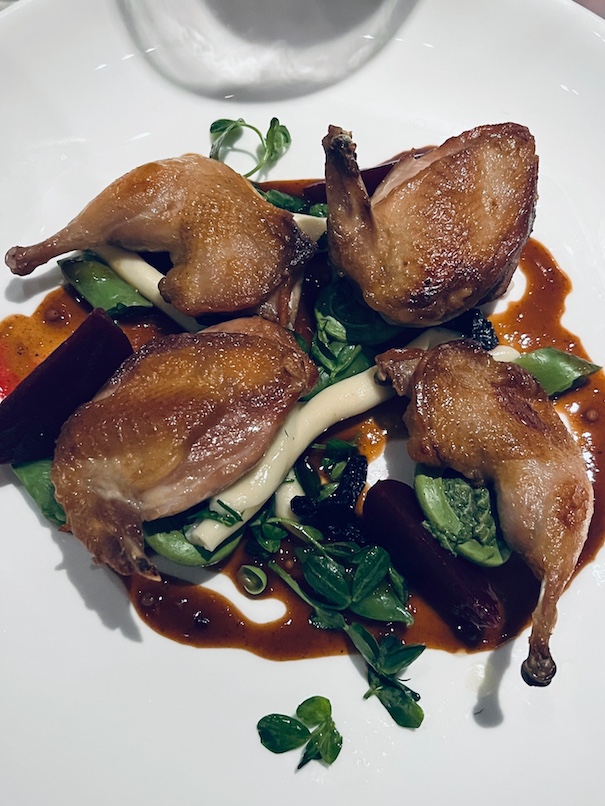
2011: Palest colour. Open nose and forwardly giving from earlier picking. Lovely alive and stylish but a drier lighter thinner peppery finish. Improves when enjoyed with this outstanding duck breast course.

2010: Brightest clear dark red look from a smaller crop. Sensual gentle classic energy, balance, with noble intensity. Brilliant refined example of the outstanding terroir with so much charm. Excellent future.

2009: Darkest deepest one. Rich big fruit is much sweeter, soft and rounder with admirable length. Buckets of attractive ripe Pinot Noir that can be enjoyed now or cellared for a different aged more complex tertiary expression. Impressive juice.

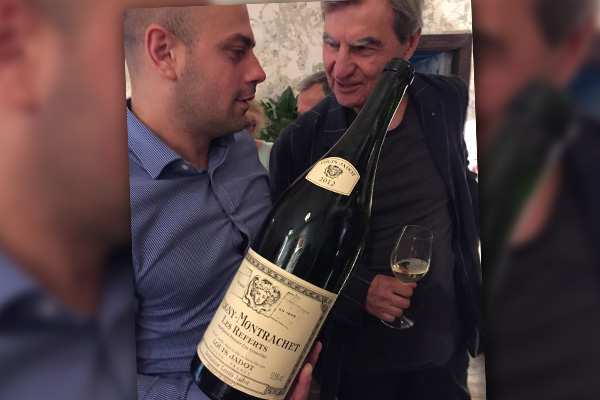
Third Flight of different LOUIS JADOT PREMIER CRU vineyards from 2014, 2013, and 2012 to compare:

2014 NUITS ST. GEORGES LES BOUDOTS DOM. GAGEY: Lightest colour of a mid-weight vintage. Bit earthy and less weighty from a bigger crop that favoured whites. Typical NSG but lacks intensity and depth so drink currently.

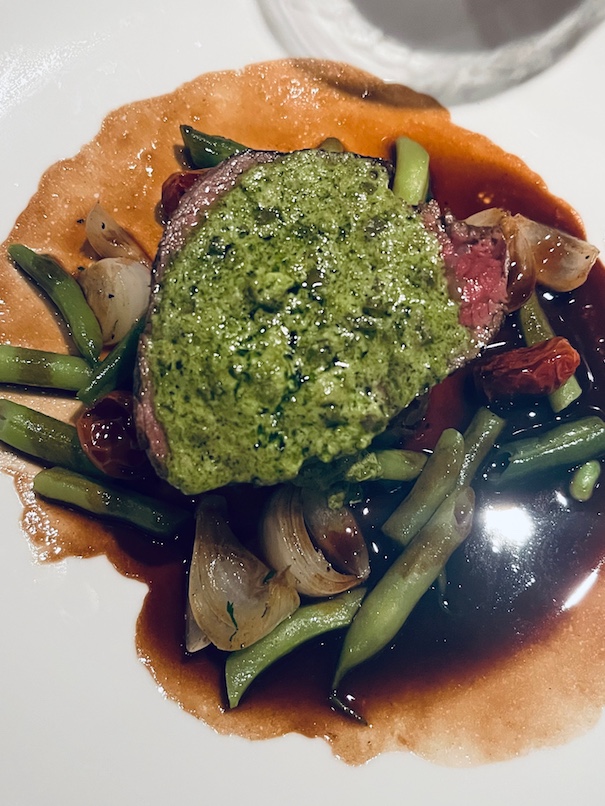
2013 SAVIGNY-LES-BEAUNE LA DOMINODE: Lovely red look with some depth from my favourite vineyard in SLB – especially good value Pavelot. Less consistent challenging year than 2014 with a later harvest. The 2010 & 2009 of this vineyard sings wonderfully from several producers with better fruit. Some classy notes but not perfectly balanced. More enjoyable with the superb lamb & truffle main course.

2012 VOSNE-ROMANEE LES BEAUX MONTS: Darkest deepest from best vintage of this flight from thick skins, smaller grapes plus from the best prestigious vineyard. Overwhelming has more concentrated fruit and complexity. Admire the smooth satin textures and persistent long flavours. No rush. A winner!

Well-organized event and many lessons learned. Many thanks.


You might also like:
Ask Sid: Why with time do white wines get darker but red wines get lighter?

Ask your question here

Question: Why with time do white wines get darker but red wines get lighter?

Answer: Oxygen slowly works on the lower phenolics of white wine which starts out the palest it will ever be but becomes darker over time. Red wine because of the longer vinification of the grape juice with the skins etc. contains much more phenolics than white that with aging comes together falling out as sediment making the deeper red colour shown early on now look lighter.

You might also like:
CHÂTEAU LEOVILLE BARTON VERTICAL ENDORSES GREAT VALUE SECOND GROWTH STATUS

Over the past decades several Bordeaux wine properties have been recognized for producing the very best quality for a most reasonable price paid. Certainly there are some Cru Bourgeois plus wines listed in the 1855 Bordeaux Classification and outside it that have and continue to provide good value. However it is hard to find one as universally accepted as value for price as the Second Growth Chateau Leoville Barton from Saint-Julien. This Estate has been continuously owned over 200 years by the Barton family dynasty (early wine merchants from Ireland with Thomas Barton arriving in Bordeaux in 1725) with the smart purchase by Hugh Barton of Langoa property in 1821 followed by 25% of the Leoville property in 1826. Ronald Barton (1902-1986) arrived in 1924 and retired in 1984 after 60 years at the helm. Anthony Barton (1930-2022) followed his uncle Ronald starting in 1983 with revitalizing the vineyards and cleaning up/modernizing the cellars. Anthony has been followed by his daughter Lilian (Lily) Barton-Sartorius and her children the 10th generation with Melanie Barton-Sartorius & Damien Barton-Sartorius. What an amazing family history that really needs celebrating!

On September 23, 2025 the Vancouver Group of Eight held Event #134 at Blue Water Cafe with a fantastic five decade retrospective of nine vintages from 2003 back to 1966 of Chateau Leoville Barton. All wines had been cellared well since their initial release being provided from one source namely yours truly. They were all served professionally by Blue Water Sommelier staff at the same cool temperature for assessment decanted just immediately before table service. My impressions on the wines:

We started with NV DE SAINT-GALL GRAND CRU LE BLANC DE BLANCS EXTRA BRUT from the super Coop founded in 1966 as Union Champagne in Avize of only Grand Cru & Premier Cru growers now numbering around 2300. Good to remember there are only 17 Grand Cru of 100% rated vineyards and 44 Premier Cru rated 99%-90% (7500 acres of 1er Cru representing 22% of total Champagne vineyards). This bottle recently acquired at the Paris Duty Free was fresh apple lemon delicate of 100% Chardonnay pure fruit capturing the terroir stony minerality of top vineyards with minimal sugar but still a bit too young. Good value. Their Prestige Orpale, tasted recently, is all Grand Cru Chardonnay on its lees for 12 years with a more creamy complex statement.

We finished with a historic bottle of 1976 HUGEL GEWURZTRAMINER SELECTION DE GRAINS NOBLES (SELECTION FUT 20 PAR JEAN HUGEL). The Hugel house in Riquewihr Alsace has been producing wine there over 380 years (since 1639). MIchael Broadbent reports that Pioneer Jean Hugel told his son Johnny that 1976 was a great perfect vintage for rich late harvest wines that never in his life had he seen better grapes so “he had better not make a mess of them.” Johnny told me his best barrel was Fut 20 and sent us this showing exceptionally high natural sugar 100% botrytis affected grapes being so openly fragrant on the bouquet of fresh ripe honeyed spicy peach and syrupy figs. Almost the best liqueur possible at only 13.7 abv. At 50 years of age a memorable wine treasure indeed!

2003 LEOVILLE BARTON SAINT-JULIEN: Estate has an admirable forest land and sustainable philosophy growing roughly 72CS/20M/8CF from vineyards behind the town running west towards Talbot with the wine made at Langoa. Used here 74/23/3 blend (Langoa 57/34/9) picked September 11-22 using 70% new oak. This hot year vintage had heat spikes with 16 days over 95F (compared to 2009/4days, 2005/6 days, and 2000/2days) but is excellent with lower acidity and higher tannins. Really captures the pure savoury Cab Sauv styling of Barton with that smoky black currant cigar box statement. Big success in 2003. Highly recommended

1995 LEOVILLE BARTON SAINT-JULIEN: More 78CS/19M/3CF with dark colour showing some dense raspberry and herbal tobacco notes but still somewhat backward slow evolving. Typically Barton of young energy restrained concentrated claret that needs patience as has big tannins when young – or 30 years old. Potential there.

1990 LEOVILLE BARTON SAINT-JULIEN: Tasted this vintage many times. Usually outstanding intense full bodied 70CS/25M/5CF always improving. This is not the best bottle of 1990 as it surprises your scribe with lighter rim than 1989 and more forwardly open bouquet of property medicinal iodine trademark. Still fresh and wonderful but less tannic than the previous usual riper sweet rich tannins bottles. Beauty. Variation.

1989 LEOVILLE BARTON SAINT-JULIEN: Very dark and deep right to the rim. Surprised that it is less open than 1990 but has concentrated elegance. Same Bordeaux blend as 1990 but very good rich bottle here. No rush.

1986 LEOVILLE BARTON SAINT-JULIEN: Know this vintage of Barton so well and 1986 never disappoints. Still so young with 78CS/20M/2CF concentrated powerhouse of cassis licorice with an unlimited future. Acquire some of this at auction. Fabulous already but will become even more complex with further cellaring. Bought in January 1990 for the steal price of $13.33! A winner.

1982 LEOVILLE BARTON SAINT JULIEN: Blend was 72CS/20M/8CF but shows that rustic note from unclean cellars. Classic St. Julien fruit underneath. Fred Withers found it “more cloudy with wet cardboard”. Historic vintage in 1982 but this is not clean enough. Anthony Barton always told me (with John Avery on many visits) that “it is more rustic than modern vintages and with no new oak”. When I told him his wine was always selling too cheaply priced he retorted that “he is reasonable but others are too expensive”. He told Ian Mottershead on his low pricing question that “I make enough”. What a great family attitude. Anthony won the Decanter Man of the Year in 2007 and was declared as the “Consumer Champion – not the Speculator.” 1982 disappoints for the overall quality of the vintage.

1975 LEOVILLE BARTON SAINT-JULIEN: Under rated St. Julien from a difficult overly tannic year now mature. Red with a paling edge with that typical identity mark of medicinal iodine. Ian found “cigar-box with 1975 leanness in the old style of St. Julien”. Needs drinking up at 50.

1970 LEOVILLE BARTON SAINT-JULIEN: Good bottle of Barton at 55 years! Always had the most fruit intensity in 1970 of the Leoville trio over Las Cases & Poyferre. Old interesting classic claret holding well for sure. Some lovely spices on the nose of cinnamon & sweet basil are complex and enticing. Bought for $12.60.

1966 LEOVILLE BARTON SAINT JULIEN: Surprise of the night! Amazing outstanding bouquet of cigar box autumn sous-bois and taste of magnificent sweet toffee. Nearly 60 but fresh with defined St Julien poise and length of flavour. Bought for $8.95 in the good old days. Certainly helped to last by the Michael Broadbent description of “1966 long distance runner acidity”. You perhaps have to appreciate lighter no fruit left wines but with complexity to admire the height of this enjoyment given but search for it. Worth it! My last bottles of 1975, 1970, and 1966 but lots of delightful dining with them at dinner over many decades at different stages of development. More bottle variation in the 60s, 70s, and early 80s than afterwards. Both an education and an aged treat. Support Leoville Barton.


You might also like:
Ask Sid: How many grapes does it take to produce one standard bottle of wine?

Ask your question here

Question: How many grapes does it take to produce one standard bottle of wine?

Answer: HA HA. That is an impossible fun question to answer definitively! Estimates have been made that it takes roughly 700 grapes or around 3 lbs (or 1.4 kg) to produce a 750 ml. bottle of wine. However it will never be a precise number because so many factors are involved from grape size, grape variety, vintage conditions, fermentation techniques with or without adding press wine etc. Hope this helps give you a ballpark estimate.


You might also like:
 alt=

CHATEAU CLINET POMEROL VERTICAL RECEIVES DIVIDED OPINIONS

Pomerol is a unique wine region on the Right Bank Bordeaux of less production with strong consumer demand resulting in higher prices. Some leading properties like Chateau Petrus and Château Le Pin are off the charts expensive for their powerful concentrated ripe opulent Merlot fruit statement. The characteristics of Pomerol were defined by Michael Broadbent in his excellent Wine Tasting booklet first published in 1968 as:

“Two styles: one deep and firm and Medoc-like, but with full, silky Merlot richness, slow developing; the other light in colour and weight, sweeter, more gentle and quick maturing. Each style has a noticeably velvety texture in the mouth. Lighter vintages develop quickly.”

Later Robert M Parker in his Bordeaux Guides stated his detailed traits as: “The dense ruby colour, the intense berry fruit, plummy, sometimes truffle, mocha, and caramel-scented, ripe, fruity, often black cherry and raspberry-dominated bouquet, and a lush, voluptuous, almost unctuous texture – at least in the top vintages – are all hallmarks of a top Pomerol. Welcome to the glories of the Merlot grape.”

Certainly the iron-rich blue clay soils on the plateau of this region contribute to a now recognized distinctive terroir of some best properties showing wet stone, mineral, and iron notes on the nose with that full rich powerful lush plummy Merlot fruit.

A vertical wine tasting of Pomerol is rather a special occasion not often done. The Vancouver Commanderie de Bordeaux organized one on September 22, 2025 at Five Sails featuring eight vintages in two flights of CHATEAU CLINET over twenty years from 2010 back to 1990.

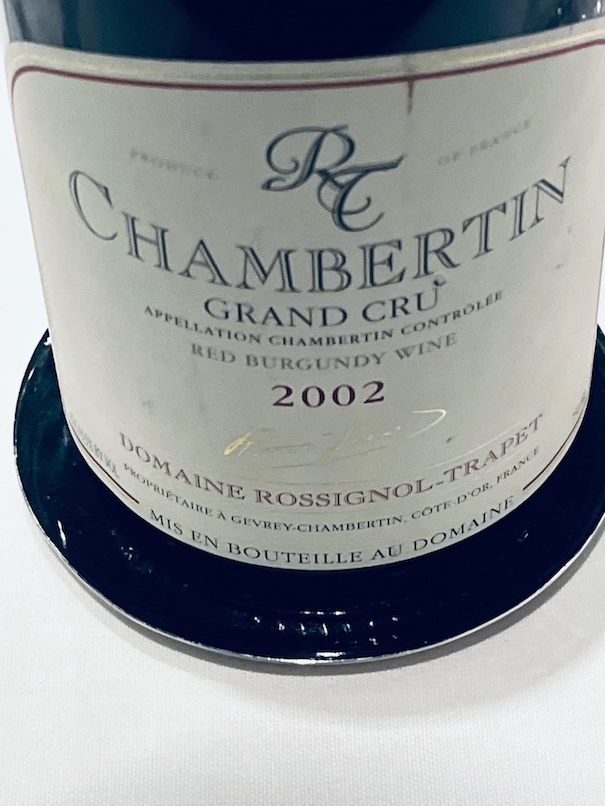
2012 CHARLES HEIDSIECK MILLÉSIME BRUT cellared 2013 of 60PN & 40C disgorged in 2021 after 8 years on the lees started the evening off well by showing toasty aromatics with power, generous depth & elegance.

We finished with one of the very best Sauternes vintages ever produced where the first picking of pure sweet fruit started on September 29 but by mid-October welcome showers resulted in botrytis with richer concentration complexity finishing on October 24. Beautiful apricot, honey, citrus, long aging of 2001 CHÂTEAU DE FARGUES LUR-SALUCES SAUTERNES.

We enjoyed three White Bordeaux from Pessac-Leognan with some age a compelling combination served with a wonderful Yellowtail Crudo accented by Yuzu gel prepared by talented Chef Alex Kim & his brigade:
2015 CHATEAU SMITH HAUT LAFITTE BLANC Full ripe still very fresh even from a warmer year using 90% Sauvignon Blanc, 5% Sauvignon Gris, & 5% Semillon with 50% new oak but lasting for longer 10 year aging because of the smart decision by winemaker Fabien Teitgen to stop the skin maceration technique used earlier. Drinking beautifully now rich & complex even with nearly all Sauvignon in the blend.

2011 CHÂTEAU SMITH HAUT LAFITTE BLANC Much deeper yellow colour. Four years older but skin maceration likely used and though creamy it is starting to oxidize. End of best plateau drinking. Drink up. Much prefer 2015.

2011 DOMAINE DE CHEVALIER BLANC Label says 75 SB/25S (recent 2017 was 70/30) showing developed Semillon character creamy and classy so intense. Aging well here in cork before Olivier Bernard changed to Diam for whites in 2015 & reds in 2016. Lovely bottle.

The main feature was eight vintages of Chateau Clinet, a property that underperformed until the late eighties when Jean-Michel Arcaute & Michel Rolland (until 2014) took charge. An old property from 1785 is well situated with 8 1/2 hectares now planted roughly 80M/20CS on the Pomerol plateau summit near respected properties of Lafleur & L’Eglise-Clinet. Many changes as it was sold to Gan Insurance in 1991, bought by Jean-Louis Laborde in late 1998, and improving since 2004 under the dedicated leadership of Ronan Laborde (also served as President 2019 of UGCB- Union des Grands Crus de Bordeaux) with replanting, higher density vines, reduced new oak (100% to 60%) and better grape selection. Some brief impressions:
First Flight:

2010 CHATEAU CLINET POMEROL: Darkest deepest look from lower 38hl/ha yields. Aromas display ripe clean plums and chocolate spice. Rich softer entry with power and alcohol over 14 showing on the finish. Blend of 85M/12CS/3CF. Nice robust concentration with smooth textures coming through the tannins. Rather good. Best future aging of the flight.

2006 CHÂTEAU CLINET POMEROL: Red with a paler edge shows open cherry pepper aromas with herbaceous fig notes. Some charm but the greener year shows in the flavours and less alcohol 13.5 abv. Simpler. OK. Drink.

2005 CHÂTEAU CLINET POMEROL: Great vintage for Bordeaux in 2005. Dense colour with tertiary development at 20 years. First year of Ronan’s influences helps in better fruit selection and tannin management. Best elegance of the first flight and delicious with innovative exquisite duck breast with Korean honey-raspberry wine sauce “Bokbunja”. Your scribe’s fav.

2000 CHATEAU CLINET POMEROL: Very light pale rim but an exotic stylish bouquet. Very ripe 90% Merlot (10% CS) gives a plum jam style. Taste has Asian spices and sweet raspberry notes that match well with the duck sauce. Well done. Group fav.

Second Flight:

1998 CHÂTEAU CLINET POMEROL: Dark with roasty plum nose the best part. Softening earthy palate but not meshed together a bit disjointed. Missed the best features of a splendid Right Bank vintage. OK to open now.

1996 CHÂTEAU CLINET POMEROL: Pale rim but bigger fruit than expected. Roasted coffee but rustic with ripe prunes. A bit coarse with the tannins seeming almost over extracted. Unlikely to improve much.

1995 CHATEAU CLINET POMEROL: Darkest in the second flight. Like the full rounded first entry with more sensual Pomerol definition coming through. 80M/10CS/10CF blend. Less choice fruit than 2010 but quite powerful in a more earthy plummy style. May still develop.

1990 CHÂTEAU CLINET POMEROL: Palest of second flight but a wonderful seductive bouquet. Evolving in a lovely way. Stylish silky and drinking best now as the clear personal and group fav of the second flight. Shows the success of the twin vintages of 1989/1990 at this property. Splendid.

Somewhat controversial vertical with some members liking them a lot and others not impressed. Your scribe was fortunate to taste their outstanding 2019 vintage on release. Must say I admire the current vintages of Chateau Clinet more than the older ones for their fresher full rich creamy supple style with more textbook Pomerol characteristics. Suggest you check out a recent vintage of this fairly priced value property under top management to get to know the Pomerol Appellation better.


You might also like: