menu
Member Sign In
  • IWFS Homepage
  • Blog Home
  • Forums Home
  • Global Forum
  • Contact Us
Close
  • IWFS Homepage
  • Blog Home
  • Forums Home
  • Global Forum
  • Contact Us
    Member Sign In
  • Blog Home
  • Forum Home
  • Global Forum

Follow Us

Recent Posts

  • TOP DROP WINE FESTIVAL FEATURING TERROIR + CRAFT IS A SUCCESS
  • Ask Sid: What is Muschelkalk?
  • 2026 VANCOUVER MAGAZINE RESTAURANT AWARDS
  • Ask Sid: How is vintage 2025 Bordeaux?
  • CHATEAU HAUT-BAILLY VERTICAL CONFIRMS OUTSTANDING BALANCED WINES WITH ELEGANT PRECISION!

Archives

  • May 2026
  • April 2026
  • March 2026
  • February 2026
  • January 2026
  • December 2025
  • November 2025
  • October 2025
  • September 2025
  • August 2025
  • July 2025
  • June 2025
  • May 2025
  • April 2025
  • March 2025
  • February 2025
  • January 2025
  • December 2024
  • November 2024
  • October 2024
  • September 2024
  • August 2024
  • July 2024
  • June 2024
  • May 2024
  • April 2024
  • March 2024
  • February 2024
  • January 2024
  • December 2023
  • November 2023
  • October 2023
  • September 2023
  • August 2023
  • July 2023
  • June 2023
  • May 2023
  • April 2023
  • March 2023
  • February 2023
  • January 2023
  • December 2022
  • November 2022
  • October 2022
  • September 2022
  • August 2022
  • July 2022
  • June 2022
  • May 2022
  • April 2022
  • March 2022
  • February 2022
  • January 2022
  • December 2021
  • November 2021
  • October 2021
  • September 2021
  • August 2021
  • July 2021
  • June 2021
  • May 2021
  • April 2021
  • March 2021
  • February 2021
  • January 2021
  • December 2020
  • November 2020
  • October 2020
  • September 2020
  • August 2020
  • July 2020
  • June 2020
  • May 2020
  • April 2020
  • March 2020
  • February 2020
  • January 2020
  • December 2019
  • November 2019
  • October 2019
  • September 2019
  • August 2019
  • July 2019
  • June 2019
  • May 2019
  • April 2019
  • March 2019
  • February 2019
  • January 2019
  • December 2018
  • November 2018
  • October 2018
  • September 2018
  • August 2018
  • July 2018
  • June 2018
  • May 2018
  • April 2018
  • March 2018
  • February 2018
  • January 2018
  • December 2017
  • November 2017
  • October 2017
  • September 2017
  • August 2017
  • July 2017
  • June 2017
  • May 2017
  • April 2017
  • March 2017
  • February 2017
  • January 2017
  • December 2016
  • November 2016
  • October 2016
  • September 2016
  • August 2016
  • July 2016
  • June 2016
  • May 2016
  • April 2016
  • March 2016
  • February 2016
  • January 2016
  • December 2015
  • November 2015
  • October 2015
  • September 2015
  • August 2015
  • July 2015
  • June 2015
  • May 2015
  • April 2015
  • March 2015
  • February 2015
  • January 2015
  • December 2014
  • November 2014
  • October 2014
  • September 2014
  • August 2014
  • July 2014
  • June 2014
  • May 2014
  • April 2014
  • March 2014
  • February 2014
  • January 2014
  • December 2013
  • November 2013
  • October 2013
  • September 2013
  • August 2013
  • July 2013
  • June 2013

Meta

  • Log in
  • Entries feed
  • Comments feed
  • WordPress.org

Author Archive

Older Entries
Newer Entries

The key to a fortune!

September 9th, 2018 by Joseph Temple

beaulieu vineyard history sacramental wine

By Joseph Temple

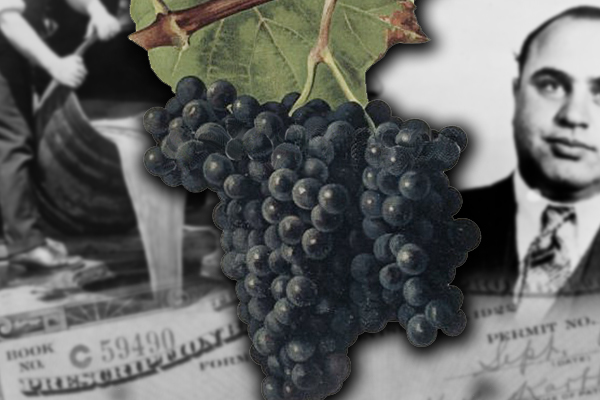
In last week’s blog entry, we traveled back in time to the era of Prohibition, looking at the rise of Alicante Bouschet, a grape that experienced a tremendous boom due to a clause in the Volstead Act. Allowing citizens to make “non-intoxicating” fruit juice and ciders for “home use,” this legal loophole led to an explosion in amateur winemaking, causing consumption to go from 60 million gallons annually in 1919 to 150 million gallons. But just as important was another loophole that kept a few lucky wineries alive during the “noble experiment” – a loophole that allowed wine to produced and sold for sacramental purposes.

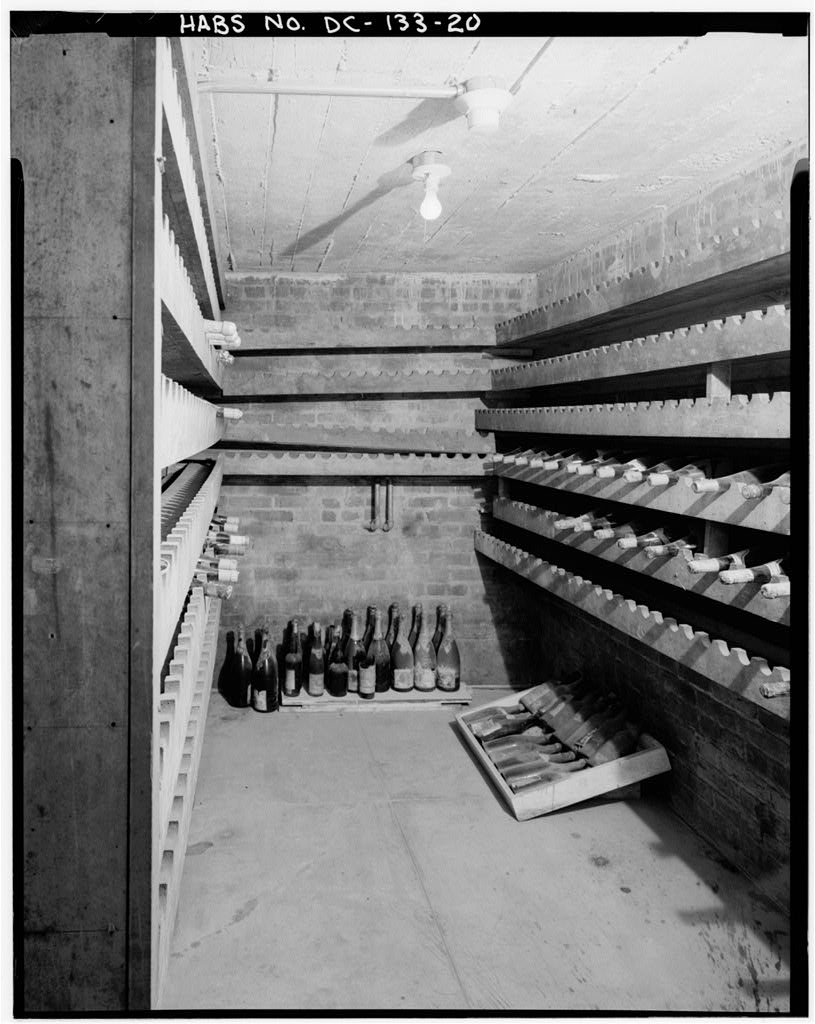
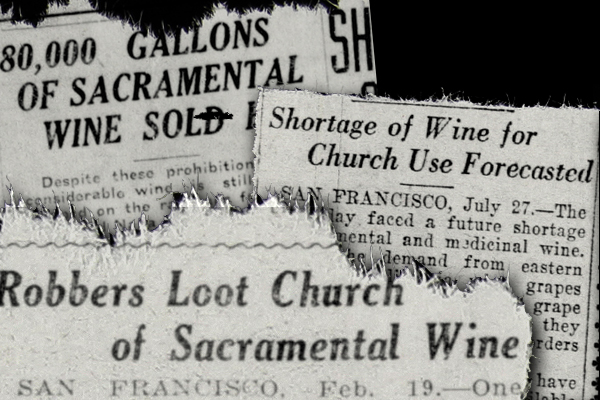
And taking immediate advantage of this clause was Georges de Latour, owner of Beaulieu Vineyard in the Napa Valley who moved quickly to acquire a license to produce sacramental wine. So during this thirteen-year period which saw the number of wineries nosedive from around 700 in 1919 to just 130 before repeal in 1933, Beaulieu Vineyard actually thrived by cornering the market on sacramental wine.

Arriving in the United States in 1883, de Latour, a wealthy French chemist who made his fortune by developing tartaric acid would buy four acres of land in Napa—land that consisted of wheat fields and orchards until his arrival.  Incorporating it into Beaulieu Vineyard in 1904, the land became known for its Cabernet Sauvignon as one of Napa’s 120 wineries. However, unlike most of his competition, de Latour adapted to the new reality as National Prohibition took effect on January 16, 1920.

Described as “one of the best known families in San Francisco” by one newspaper, the de Latour’s used their connections in the Catholic community to become “The House of Altar Wine.”  After receiving his license to make sacramental wine in March of 1920, de Latour received what historian Daniel Okrent described as “the key to a fortune” by winning approval of the Archbishop of San Francisco to supply altar wines. Of course, having two Catholic priests on the first board of directors for Beaulieu Vineyard played a huge role in getting this business—especially since one had a direct connection to the archbishop.
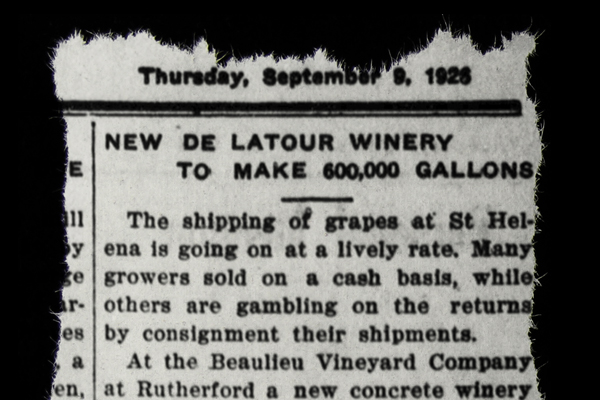
Soon thereafter, de Latour piled up endorsements from other religious figures across the country as the go-to source for sacramental wine. With an office in New York City, Beaulieu Vineyard had key distributors in seven eastern and Midwestern cities by 1922, resulting in the construction of a brand new facility four years later to produce a vintage in the neighborhood of 600,000 gallons. As Okrent explains, schmoozing the clergy played an important role in building his business: “de Latour’s most brilliant marketing gesture was the construction of a guest cottage for visiting clerics and a standing invitation to any who wished to visit Beaulieu and the test the wines on the spot.”

Producing sacramental wine until 1978, this market allowed Beaulieu Vineyard to survive Prohibition as hundreds of vineyards fell by the wayside. “The House of Altar Wine” as Beaulieu was described had survived in tact, earning dividends that today would be worth more than a million dollars!

Sources:

Clarke, Oz. The History of Wine in 100 Bottles: From Bacchus to Bordeaux and Beyond. London: Pavilion Books, 2015.
Okrent, Daniel. Last Call: The Rise and Fall of Prohibition. New York: Scribner, 2011.
Taber, George. Judgement of Paris: California vs. France and the historic 1976 Paris tasting that revolutionized wine. New York: Scribner, 2005.
Weber, Lin. Prohibition in the Napa Valley: Castles Under Siege. Mount Pleasant: Arcadia Publishing, 2013.

California Digital Newspaper Collection


You might also like:
Ask Sid: What is Torrontés?

September 5th, 2018 by Joseph Temple
Ask your question here

Torrontés torrontes wine grape argentina

Question: What is Torrontés?

Answer: Unique white wine from Argentina. I like the definition by @LauraCatena (managing director of Bodegas Catena Zapata & Luca Winery) in her fun book Vino Argentino by Chronicle Books:

“A white grape varietal and the only truly native Argentine varietal. Torrontés smells like an ultra-ripe Riesling and tastes like a slightly sweeter version of Pinot Grigio. The best Torrontés comes from Salta, a province in the northernmost part of Argentina.” Laura also includes a recipe for Helado de Torrontés that has “the flowery perfume of Torrontés wine, and the creaminess and grainy texture of home-made ice cream.”


You might also like:

Alicante Bouschet: Prohibition’s great grape

September 1st, 2018 by Joseph Temple

Alicante Bouschet grape wine

By Joseph Temple

Today Alicante Bouschet, a French hybrid originally designed to darken up poorly colored red wines is nearing extinction. In the United States, this teinturier grape is grown mostly in California’s Central Valley as an extender in jug wines.  Pulpy and sugary, novelist Idwal Jones declared it to be so deplorable that “it ranks somewhat below the gooseberry” while wine critic Frank Schoonmaker said it had “no place in any respectable vineyard and should be eliminated.”

And yet despite all its numerous flaws, would you believe that Alicante Bouschet was at one time the most popular wine grape in America???

To understand how it became so popular, one needs to travel back in time nearly a century ago to the age of Prohibition. With passage of the Volstead Act in 1919, the production, sale and transport of intoxicating liquors became the law of the land. However, there was an important loophole that thousands of citizens gladly took advantage of. Besides never properly defining what constituted “intoxicating liquors,” the act allowed individuals to produce “non-intoxicating cider and fruit juices exclusively for use in his home.” With this legal ambiguity, amateur winemakers sprouted up all across the United States seemingly overnight.  What they needed were some grapes to ferment.

Although Zinfandel was the largest grape in California in terms of vineyard acreage, its skin couldn’t withstand the long and bumpy freight train ride to the lucrative east-coast markets of New York, Boston and Philadelphia for home use. On the other hand, Alicante Bouschet, a Vitis vinifera grape first conceived in southern France during the 1860s by crossing Grenache and Petit Bouschet had a hard and thick skin that easily made it across the country. Of course, this important selling point played a big role in causing vineyard land in the Golden State to jump from $100 an acre in 1919 to $500 a year later as home winemaking shot up by 50 percent during Prohibition.

Another key advantage was the abnormal amount of juice contained in Alicante Bouschet. Unlike other grapes, you could press Alicante two and sometimes three times to yield twice the amount of fermentable juice. And notwithstanding its bland and leathery taste, the red flesh added much needed color to unskillful and shoddy winemakers working on their latest vintage.  According to historian Daniel Okrent in his book Last Call: The Rise and Fall of Prohibition, “On the standard scale used to measure color in grapes, anything that scored over 150 had ‘more than three times the color usually necessary for wine or juice.’ Zinfandel scored a pale 38, cabernet sauvignon a respectable 86. Alicante weighed in at a bruising 204.”  All of a sudden, thin and watery wines made in someone’s basement had the appearance of a standard red.

From 18,000 acres of Alicante Bouschet plantings in 1919, that figure grew to 39,000 acres by 1932 as a growing frenzy took hold—right up until the repeal of Prohibition. With decent grapes being made by professional winemakers again, Alicante was relegated to the dustbin of history; by 1997 a mere 1,600 acres in the Central Valley were dedicated to this grape. Prohibition’s great grape had run its course, being remembered as a grape that gave many thirsty Americans of the 1920s a wine that they probably care not to remember.

Sources:

Acitelli, Tom. American Wine: A Coming-of-Age Story. Chicago: Chicago Review Press, 2015.
MacNeil, Karen. The Wine Bible. New York: Workman Publishing Company, 2000.
Okrent, Daniel. Last Call: The Rise and Fall of Prohibition. New York: Scribner, 2011.
Pinney, Thomas. A History of Wine in America from the Beginnings to Prohibition. Berkeley: University of California Press, 1989.
Sosnowski, Vivienne. When the Rivers Ran Red: An Amazing Story of Courage and Triumph in America’s Wine Country. Basingstroke: Macmillan, 2009.


You might also like:

Ask Sid: What is blue wine?

August 29th, 2018 by Joseph Temple
Ask your question here

What is blue wine?

Question: What is this I hear about a blue wine?

Answer: Yes blue wine is a relatively new fashion fad. Not really something to consider IMHO unless you are looking for a cocktail to match your blue sartorial splendor or a unique pairing for a dinner course of roasted blue grouse with a blueberry sauce! It started a few years ago in Spain with Gik using the pigments from grape skins with natural dye from the woad plant (a member of the cabbage family originally used for blue dye indigo). This year Vindigo has a Chardonnay labelled Vin Bleu De Mediterranee and Saraceni has Italian Blumond bubbles. I haven’t tried either one but advised they are rather sweet.


You might also like:

Will you try blue wine?

View Results

Loading ... Loading ...
9 Campfire Cookout Ideas to celebrate the end of summer!

August 26th, 2018 by Joseph Temple

campfire recipes summertime

By Joseph Temple

As summer comes to an end, we all try to fit in one last great weekend adventure. And what better way to say goodbye to those hot summer days and hello to cooler autumn nights that an outdoor celebration. Whether you have one last beach party cookout or go camping in the woods, here are some classic and a few new ideas to feed the crowd!


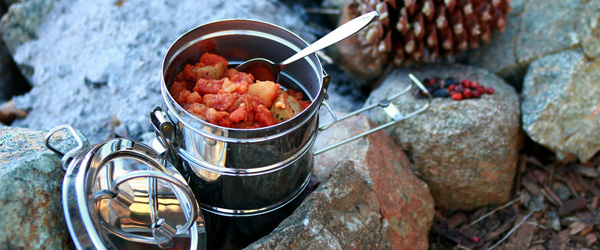
1. Cowboy classic chill. You can also try a vegetarian stew (don’t forget to pre-prep) or baked beans.
blank


2. Whether you call then flapjacks, hot cakes, or pancakes, who wouldn’t love waking up to these for breakfast?
blank


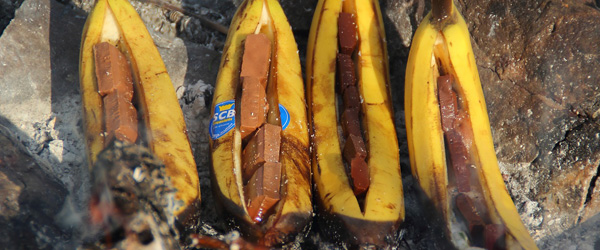
3. Kids love marshmallows and chocolate, but adding granola and dried fruit to you banana boats will give them a more sophisticated flare.
blank


4. Baked apples are made even better with a simple oat crumble perfect for anytime.
blank


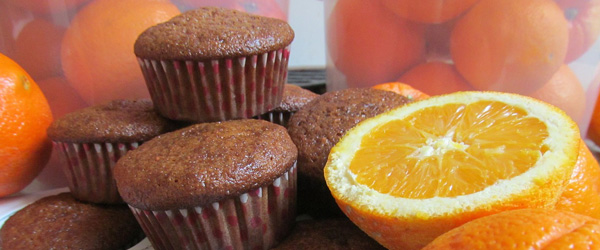
5. For a new twist on a fun snack, bake muffin batter in orange halves after eating the refreshing fruit inside. It’s a great way to unwind after a long hike.
blank


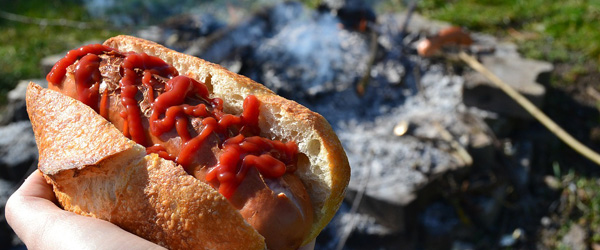
6. Hot dogs and campfires go hand in hand. Why not try some sausages for something a little bit different?
blank


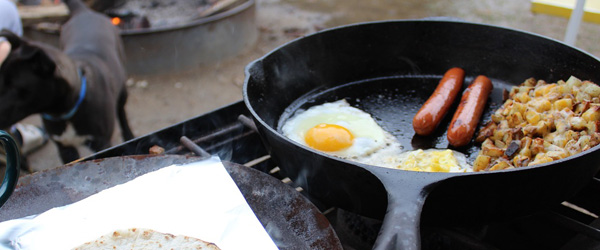
7. Nothing says camping like a good old fashioned eggs and taters breakfast!
blank


8. One word: S’mores!
blank


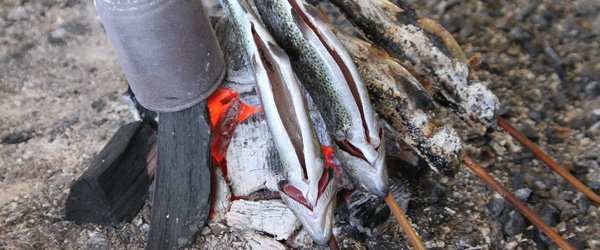
9. Feeling like you really want to live off the land, go fishing! It won’t get fresher than this!
blank


You might also like:

Older Entries
Newer Entries
The object of the Society is to bring together and serve all who believe that a right understanding of good food and wine is an essential part of personal contentment and health and that an intelligent approach to the pleasures and problems of the table offers far greater rewards than the mere satisfaction of appetite.
Andre Simon Wine & Food Society Founder (1933)
© 2026 The International Wine & Food Society (IW&FS) IW&FS
Credits | Privacy | Accessibility