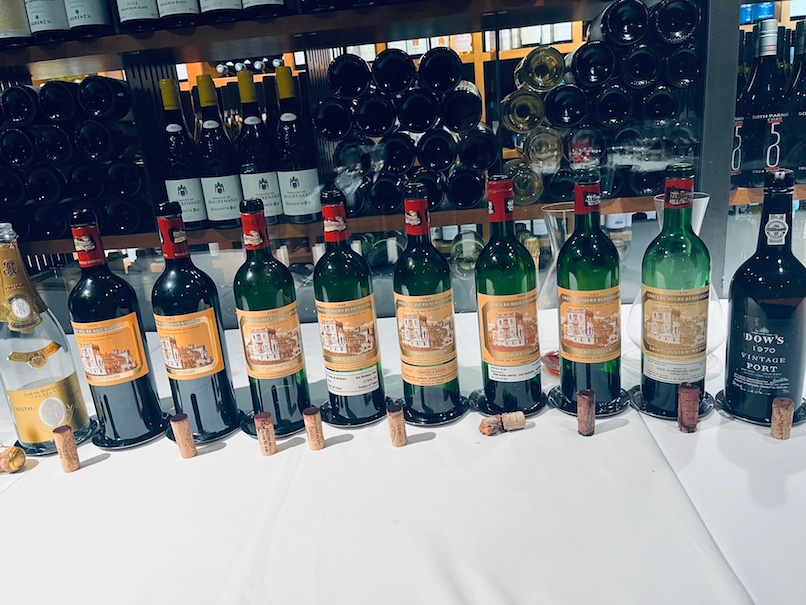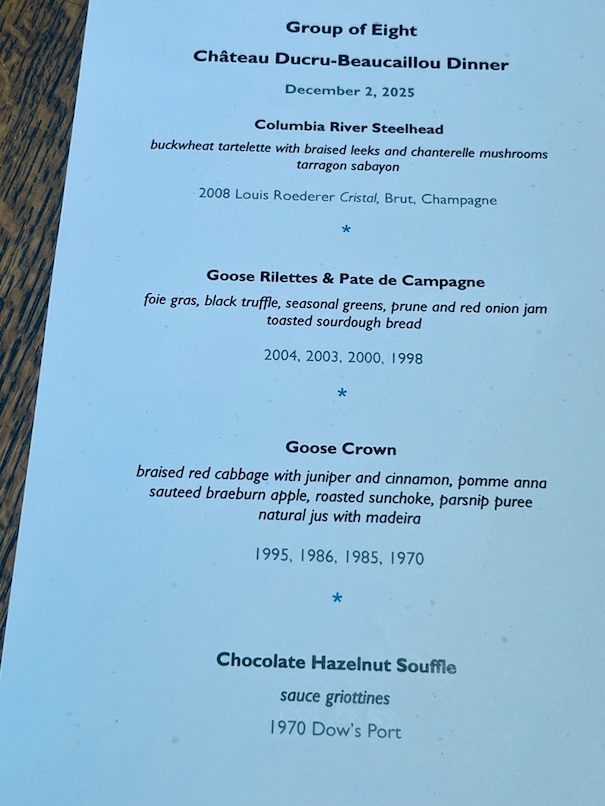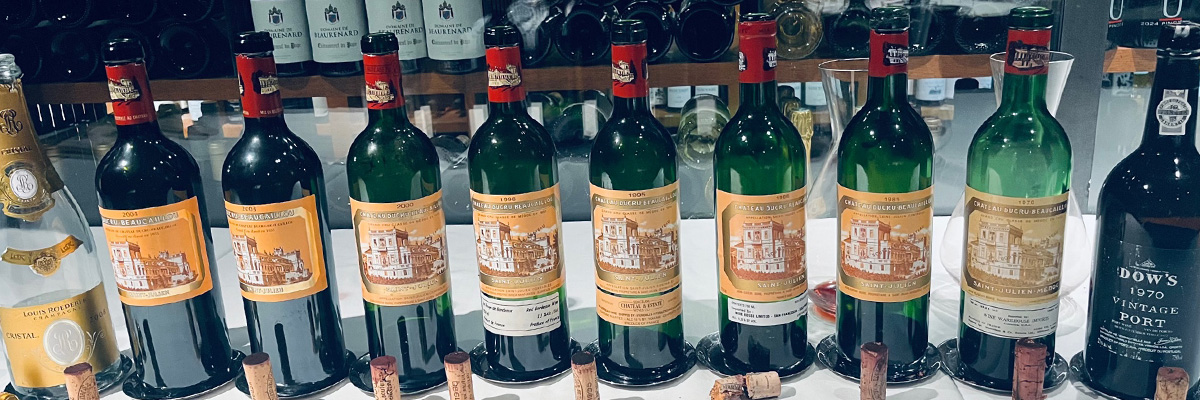
One of the very best Bordeaux wine properties is Château Ducru-Beaucaillou (means “beautiful pebbles”) in St. Julien with superb Gunzian gravel terroirs down to the Gironde estuary recognized as a “Super Second”. A long Estate history of six families over 300+ years from 1720 with more recently since 1953 gentlemanly Jean-Eugene Borie (from his father Francois since 1942) who passed in 1998 and wife Monique Borie in charge, at first with Francois Xavier Borie from 1978 to 2003, and then from 2003 till today with dedicated son Bruno-Eugene Borie. Your scribe goes way back to 1986 for my first meeting with Bruno Borie on an extensive tasting of 1966 Bordeaux (111 of them!) linked here June 18, 2018. The new era at D-B has put an emphasis on sustainable reconstruction of the vineyards and cellars plus following a strict best fruit grape selection program resulting in less production but fantastic wines – especially consistent the last 10 years. Your scribe has lots of previous experiences tasting the wines of this property and knows it fairly well. Previous detailed links in the November 29, 2021 posting here on many D-B vintages and a previous vertical commented on May 8, 2017. On December 2, 2025 the Vancouver Group of Eight held their 137th meeting at Blue Water Cafe for a goose featured dinner and D-B vertical tasting one day after the Pichon Baron vertical for comparison linked here.
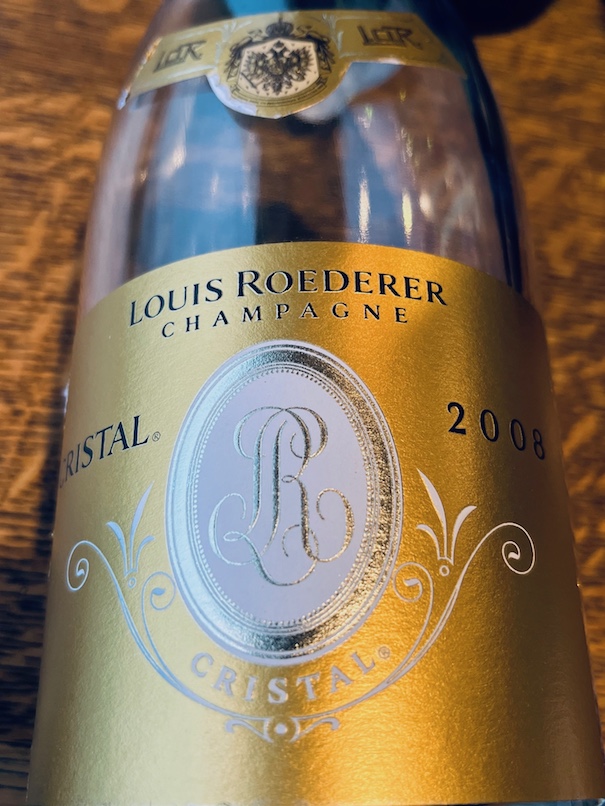
We started with the classic 2008 ROEDERER CRISTAL from Jean-Baptiste Lecaillon “looking for chalkiness” from this cool dry vintage picked later than the similar fine conditions in 1996 for more ripe fruit balance. However these long lasting tiny bubbles of 60 Pinot Noir & 40 Chardonnay (20% Barrel Fermentation, 16% Malo on PN, 9 years on the lees, and 7.5 dosage) show amazing freshness and lots of energetic acidity vibrancy with as it warmed and aired more rich full powerful ripeness on the finish. A beauty but will come together better and round out providing even more complexity with a bit more bottle age. Patience. Exciting Champagne!
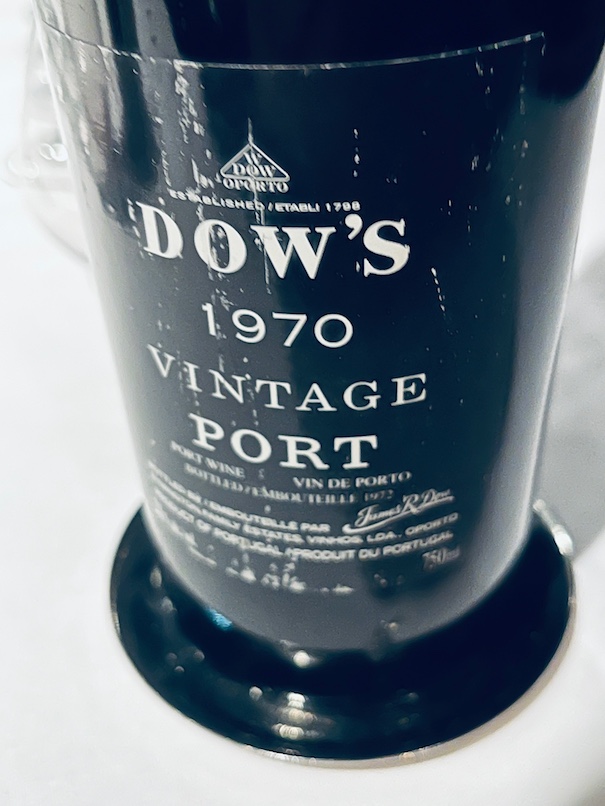
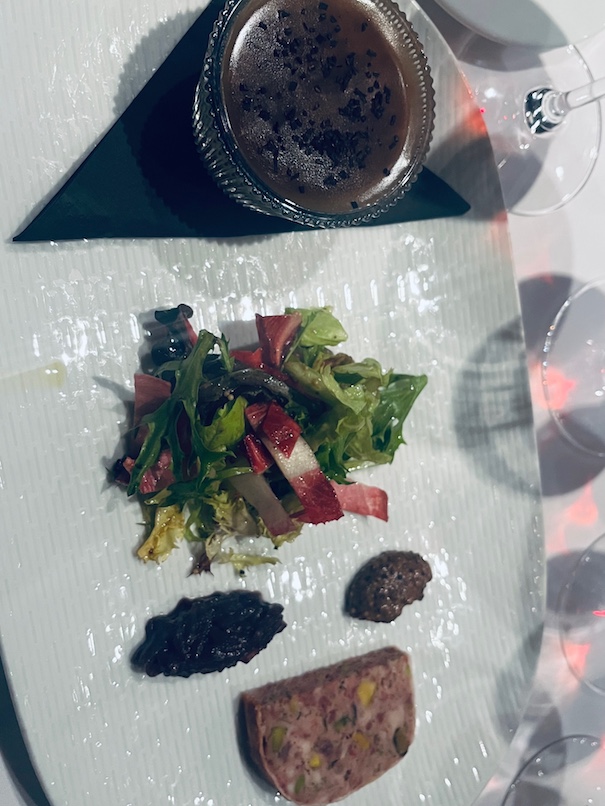
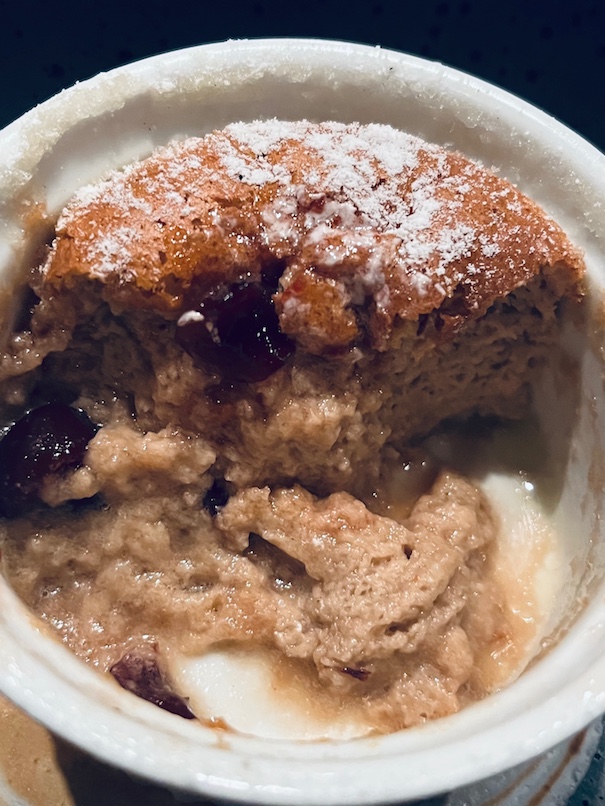
Finished up with 1970 DOW VINTAGE PORT a house that always shows excellent balanced structured acidity with the ripe yet drier fruit. Fun to compare this last of the old style Dow to our recent richer 1970 Fonseca and renowned 1963 Dow vintage but some spirit is noticed on the finish with the excellent cinnamon flavours. Delightful pairing with the chocolate hazelnut souffle with the special cherries.
2004 CHÂTEAU DUCRU-BEAUCAILLOU SAINT-JULIEN: Good red depth and clean – no ladybug taint problem of many 2004. Aromatic herbal mint tea. Simpler. Good effort in a more difficult vintage. Wish we had shown the out of this world outstanding 2009 or 2010 as the youngest vintage in this vertical to show the amazing progress made at D-B!
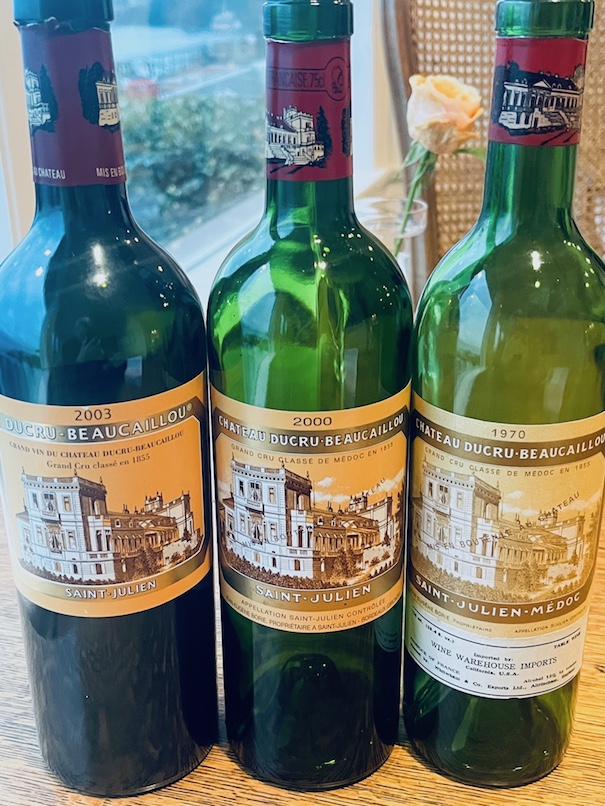
2003 CHÂTEAU DUCRU-BEAUCAILLOU SAINT-JULIEN: Controversial hot year with selection of higher 80% Cab Sauv 20% Merlot with 90% new oak. Ripe rich, almost roasted candied sweet but fresher than expected. Developed well in the glass with more stylish fruit making a key Cabernet Sauvignon tobacco statement. Popular with David Kester and our Group with Alvin Nirenberg Wine of the Night. Distinctive.
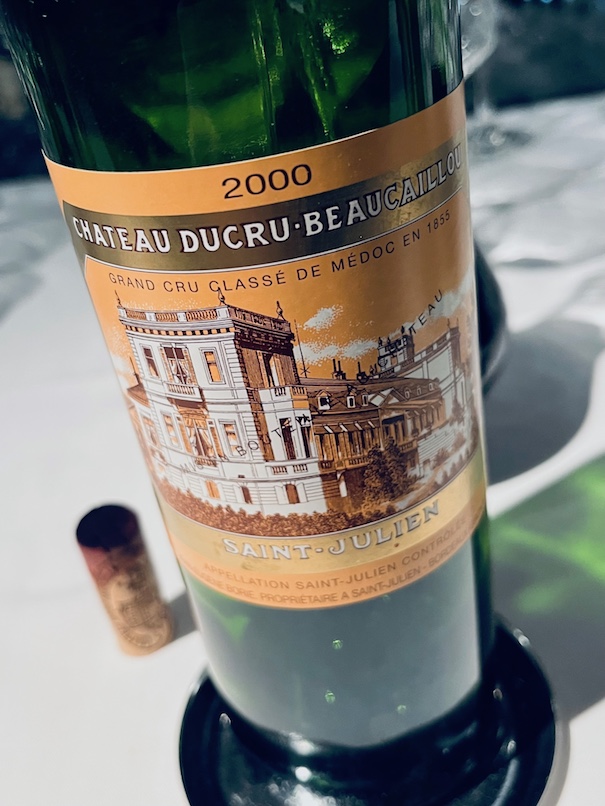
2000 CHÂTEAU DUCRU-BEAUCAILLOU SAINT-JULIEN: Dark youthful with usual 70CS/30M. Like the refined cedar cigar notes bouquet and nuances of cinnamon. Structured, balanced and developing nicely and another example of excellent 2000 Bordeaux vintage. Ian Mottershead found “an extra element” and your scribe’s fav of the night
1998 CHÂTEAU DUCRU-BEAUCAILLOU SAINT-JULIEN: Right Bank favoured vintage but another 70/30 blend that succeeded on the Left Bank too. More red fruits with 2/3 new oak now mature but not as classic or refined as 2000. Better than 1999. Jim Robertson liked it best for drinking tonight.
1995 CHÂTEAU DUCRU-BEAUCAILLOU SAINT-JULIEN: Dark and exotic with last time use for 5% each of Cab Franc & Petit Verdot in the 65/25 blend. A tad rustic for me. Quite floral, plummy, spicy, and leather notes. Ian’s fav of this second flight
1986 CHÂTEAU DUCRU-BEAUCAILLOU SAINT-JULIEN: Musty unclean bottle from TCA tainted cellars again. Austere and drying. Unfortunately because of bottle variation but there are 1986 bottles from the Chateau recorked that are showing well. Bottles of 1986 from my own cellar have shown much cleaner than this one. Disappointing.
1985 CHÂTEAU DUCRU-BEAUCAILLOU SAINT-JULIEN: Forwardly ready and though elegant, not singing. Ian said “a touch of TCA”. Some bottles are better than this and late releases from D-B are solid. Planned initially to have 1982 in our vertical that is wonderfully smooth with black currants and cigar complexity. On October 24, 2020 Bruno and Eric Vogt Grand Maitre of Commanderie de Bordeaux organized a virtual 300 year celebration tercentenary for Commandeurs around the world. Bruno arranged 900 wine samples in 100 ml. tubes of the great 1982 vintage poured from 6 litre bottles and barrel samples of the outstanding 2019 D-B & 2019 La Croix D-B (since 1995 not as a second wine but from separate vineyards close to Chateau Talbot). 300 of them were destined for North America but only 200 made it in time for the Zoom session tasting as 100 were intercepted by Homeland Security in the USA and Liquor Board Customs in Canada – including yours truly. Bruno had suggested opening your 1996 and either the 2005 or 2008 as part of your own tasting review.
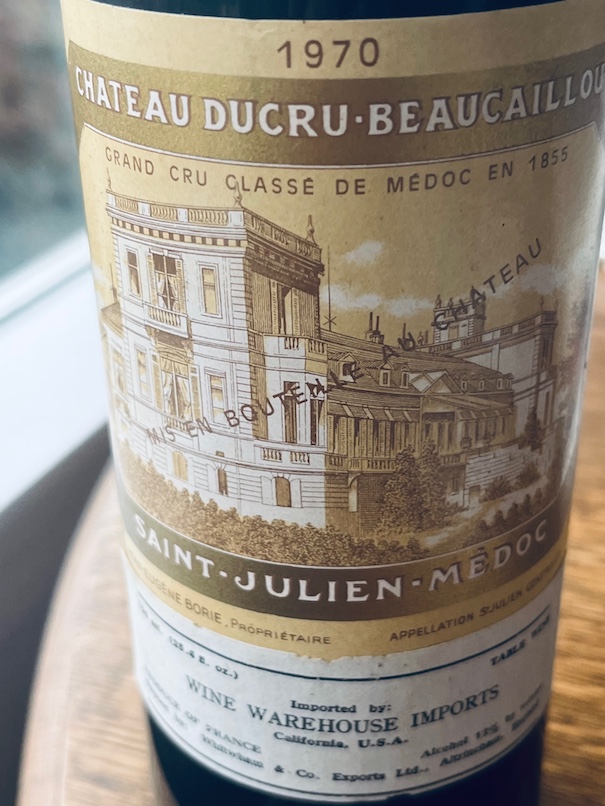
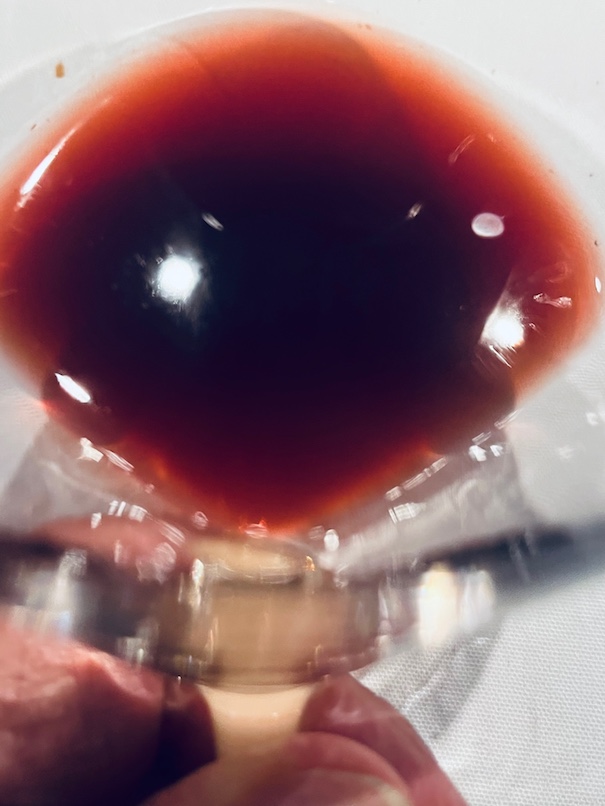
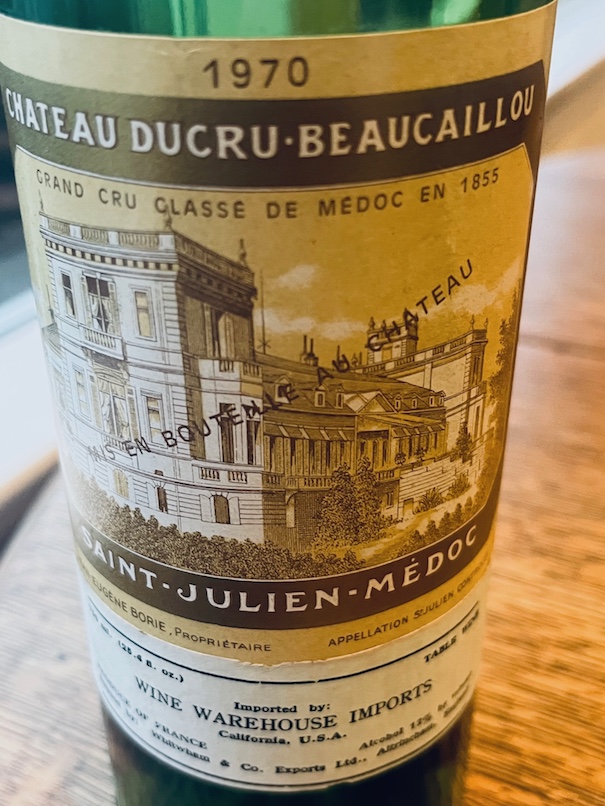
1970 CHÂTEAU DUCRU-BEAUCAILLOU SAINT-JULIEN: Big time long fan of the 1970 vintage – especially Latour, Palmer, Lynch Bages, and D-B. See November 1, 2021 review of some 1970s here. Surprised by how dark and such a young red colour this 55 year old wine is presently. See the photo. Great structure and depth. Though leaner and dry it has beautiful admirable subtle red currant/cherry with noticeable peppermint. A lot of finesse and grip. Suave, subtle, and so much elegant charm. My clear fav of the second flight but not that popular a choice with the others. You have to respect old gentle wines.
You might also like: