ANOTHER CHÂTEAU PICHON BARON PAUILLAC VERTICAL CONFIRMS TOP QUALITY AGEABILITY

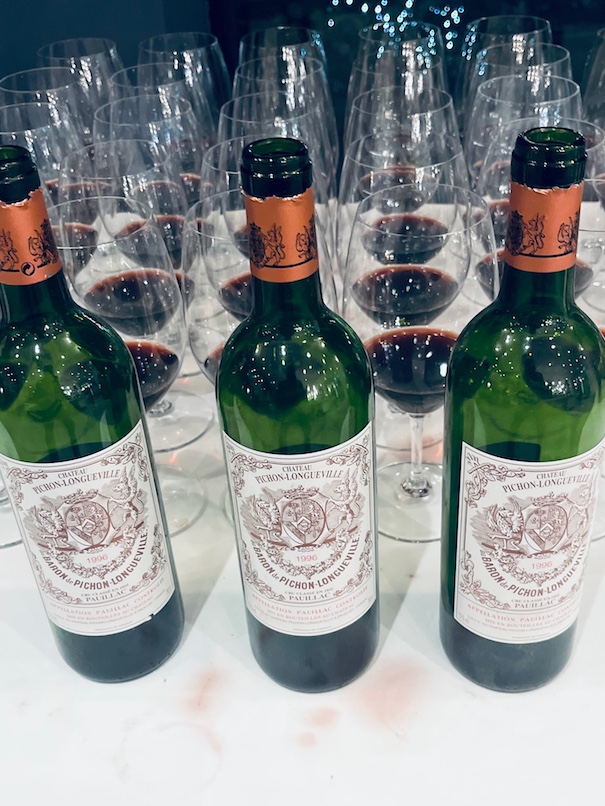
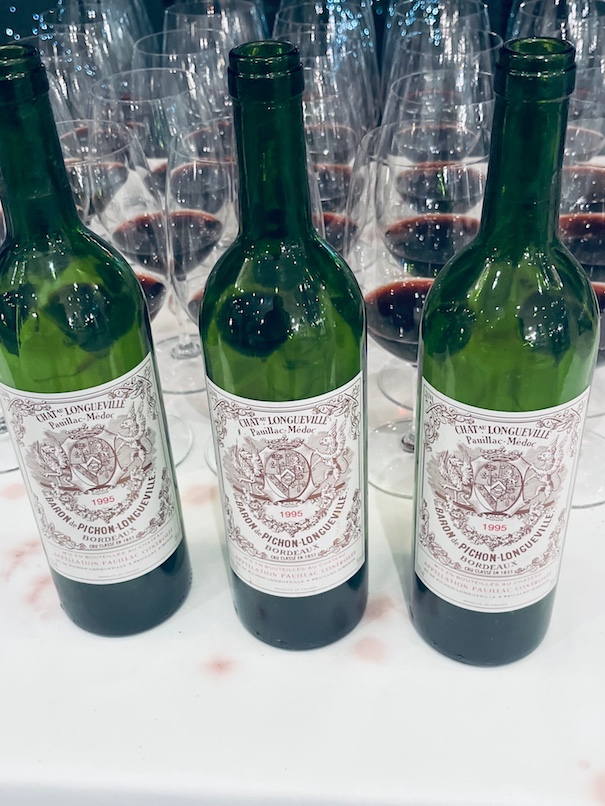
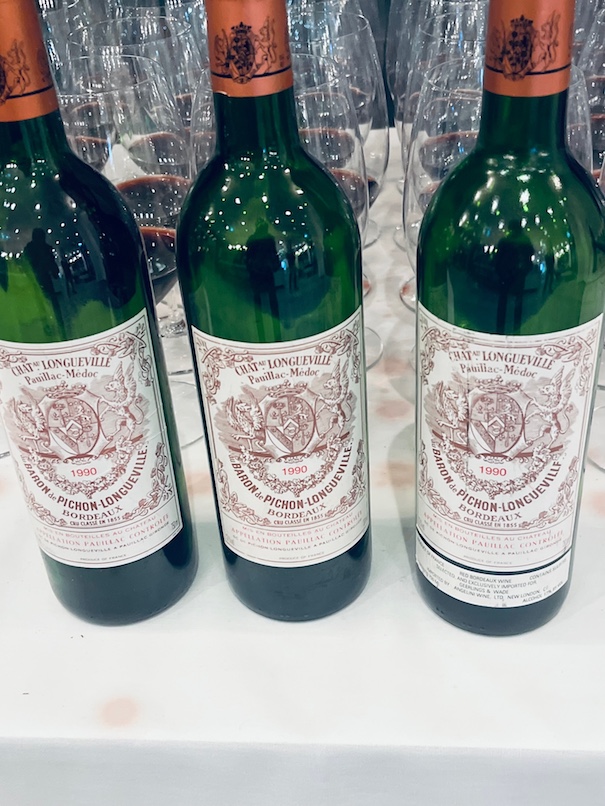
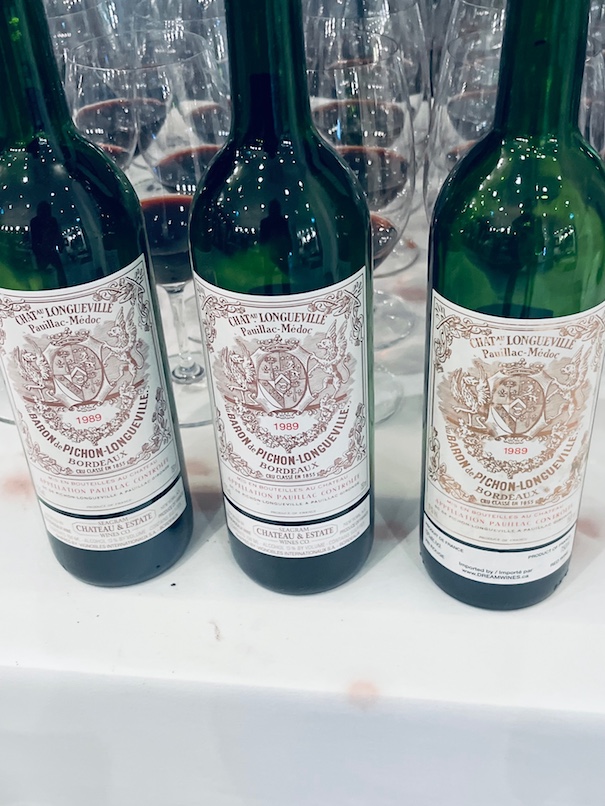
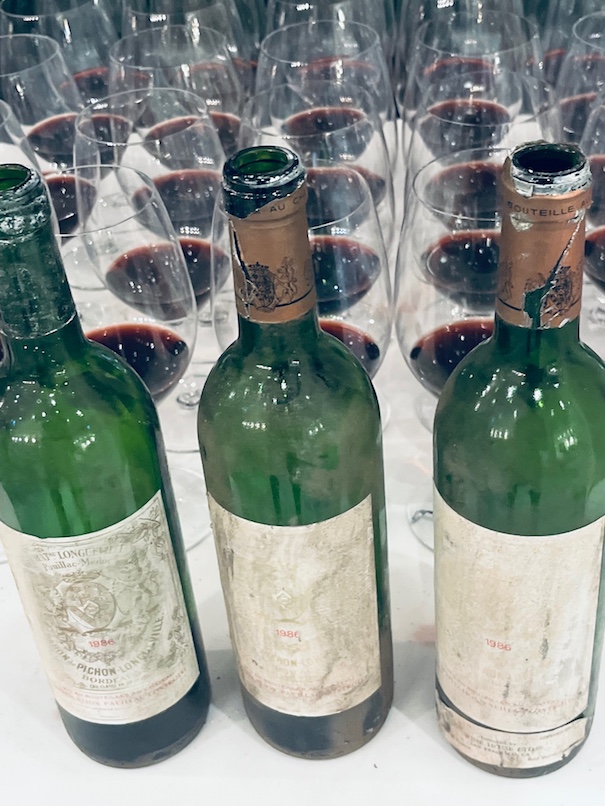
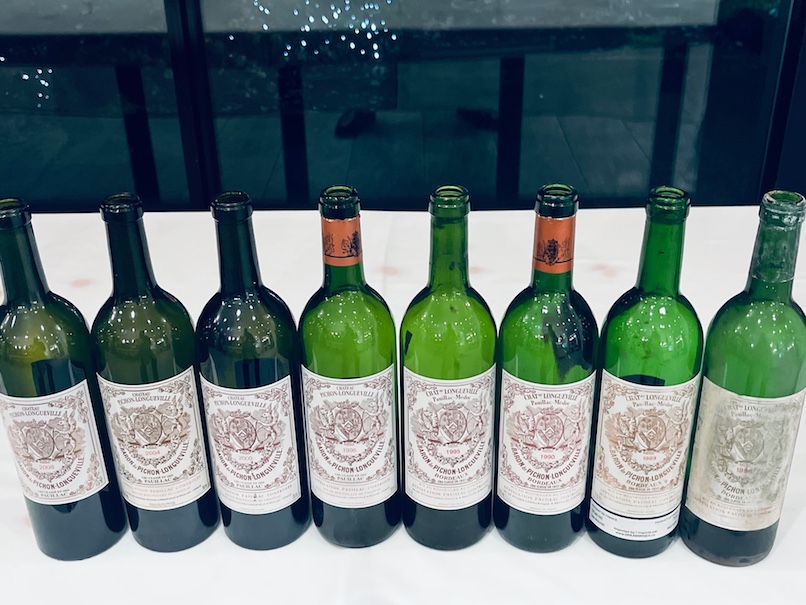
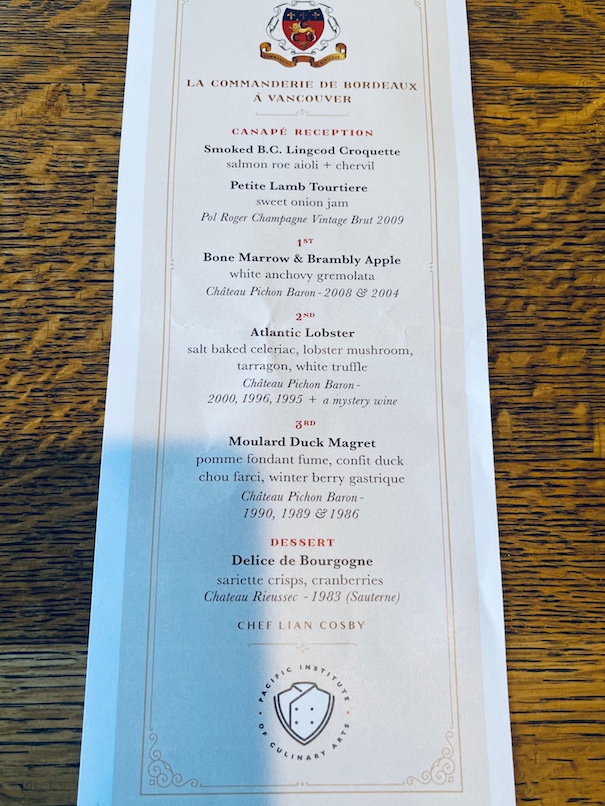
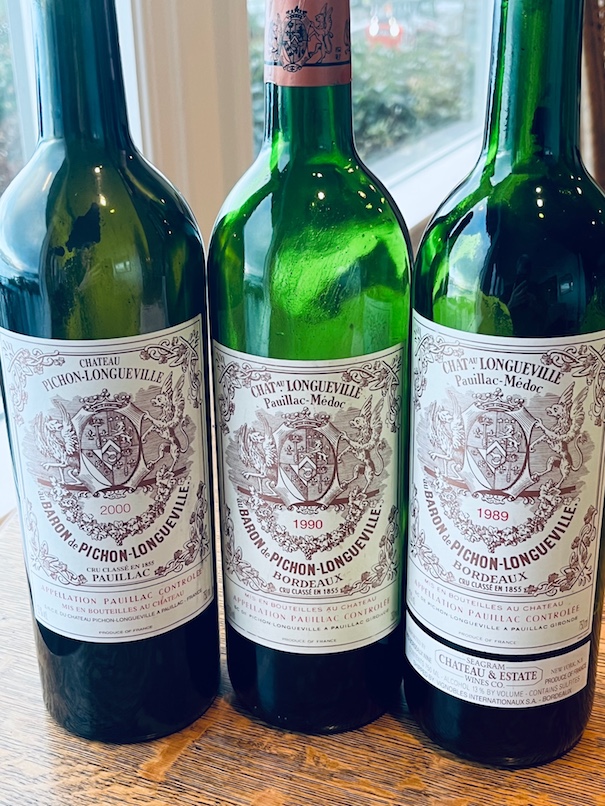
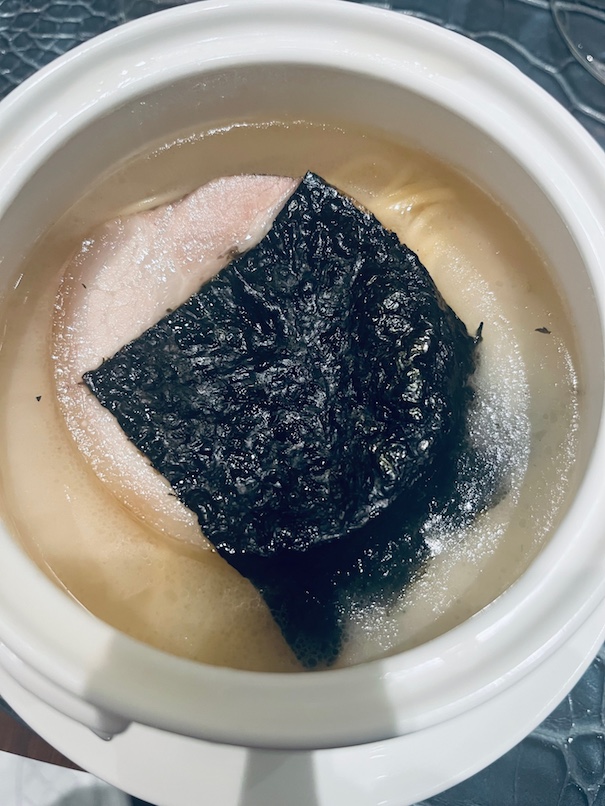
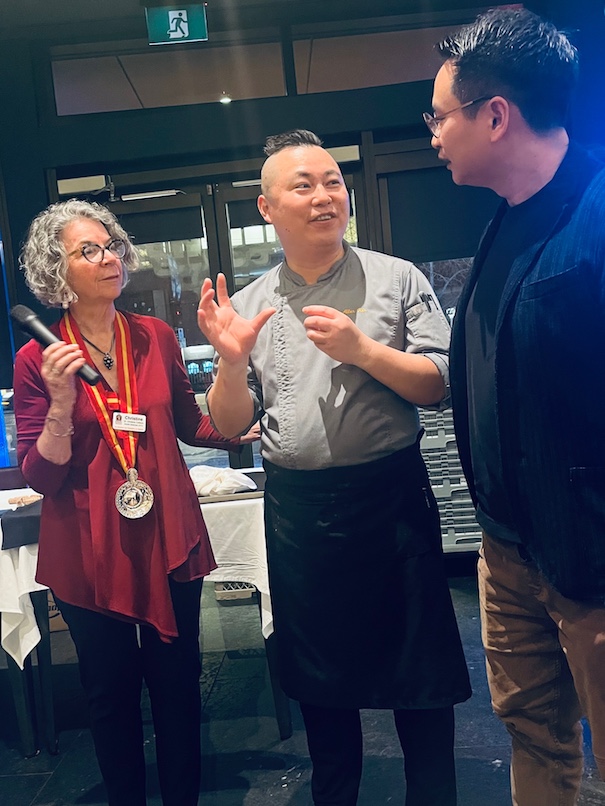
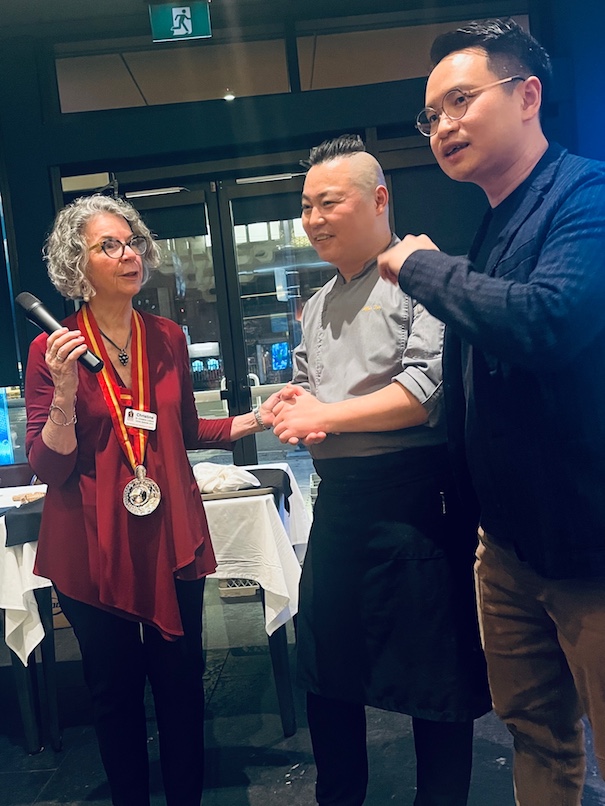
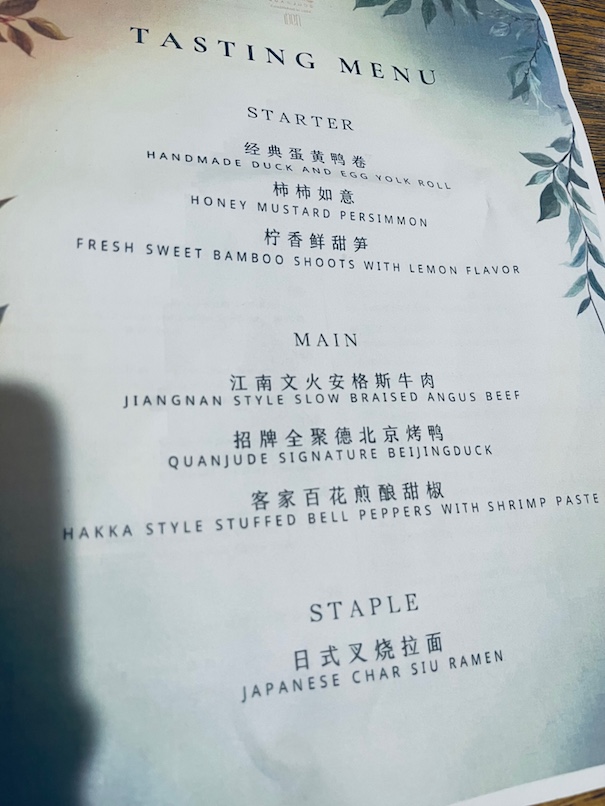
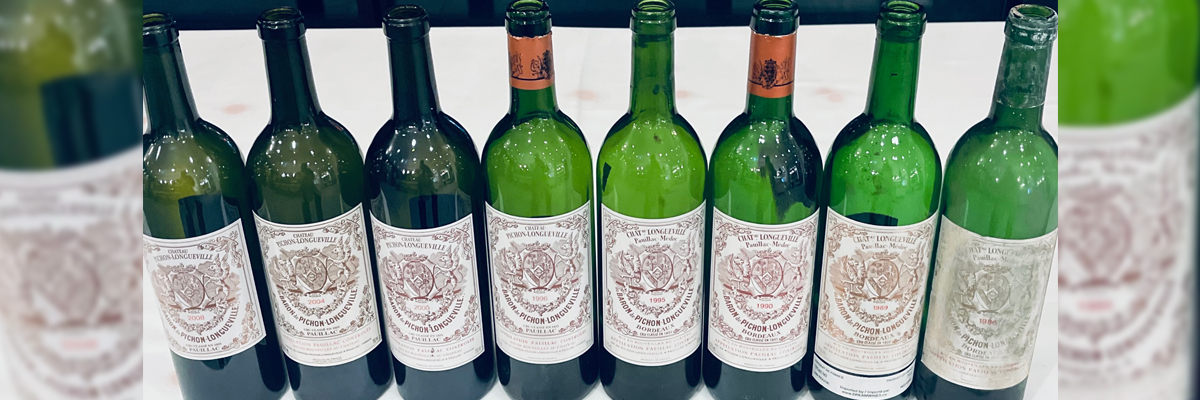
Lucky me with enthusiastic admiration this past year for many tasting opportunities of both Second Growth Pichons (see Comtesse de Lalande references here December 9, 2024) and now a second vertical follow-up of Pichon Baron to the earlier one linked here on April 14, 2025. More recently your scribe has been impressed with the always consistent 2000 Bordeaux vintage comparing two excellent ones of Pichon Baron & Fifth Growth Pontet-Canet plus last week three 1990s where Pichon Baron clearly showed its class holding its own in the tough company of Montrose & Lafite. 2003 drinking superbly now. Last night December 1, 2025 at Pacific Institute of Culinary Arts a special menu orchestrated by talented Chef Lian Cosby and brigade featuring 8 vintages of Pichon Baron. Interestingly 6 vintages were the same as in the April vertical so comparisons were in order. Last time the 1989 vintage was a clear winner followed by 1990 but this time it was a tighter contest with 1989, 1990, 2000, and bottle variable 1986 all receiving voting support. Let’s take a closer look:

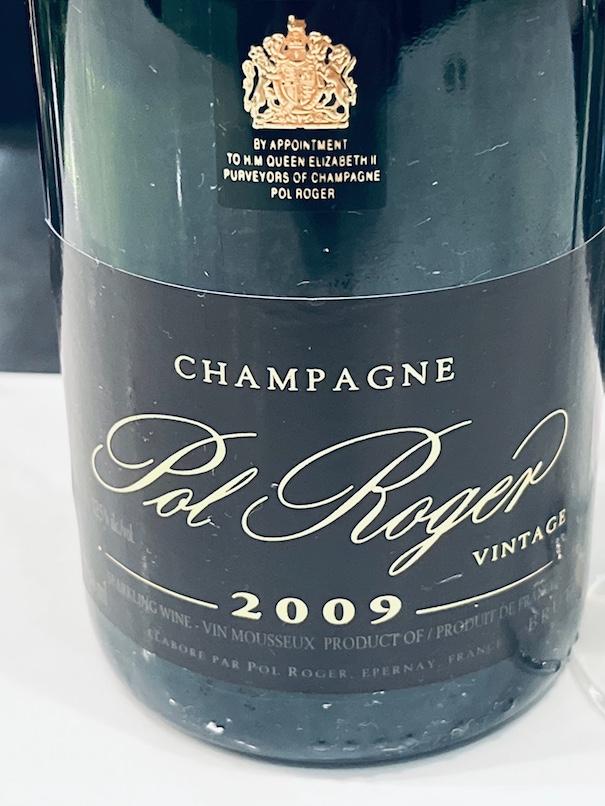
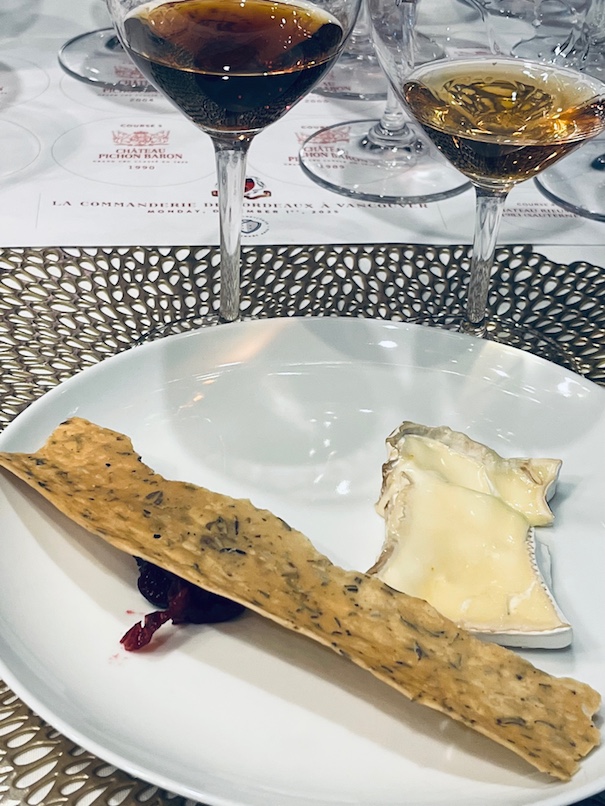
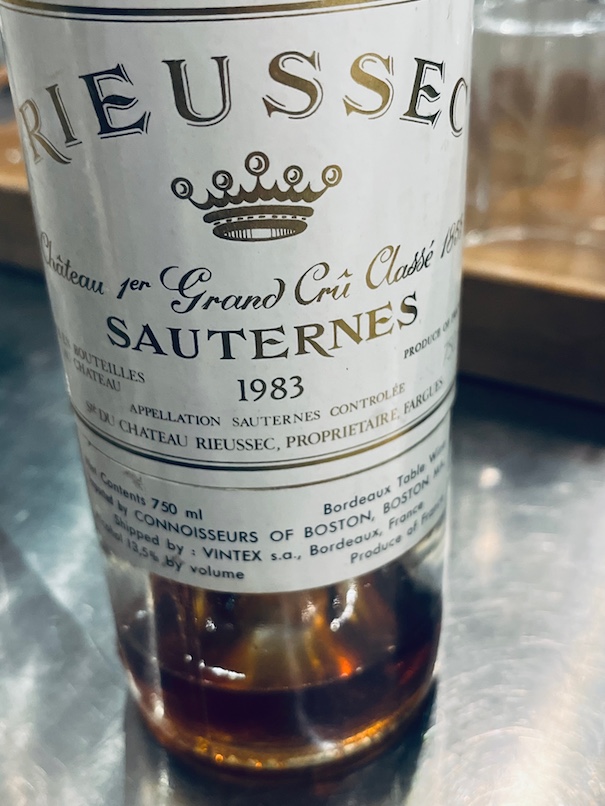
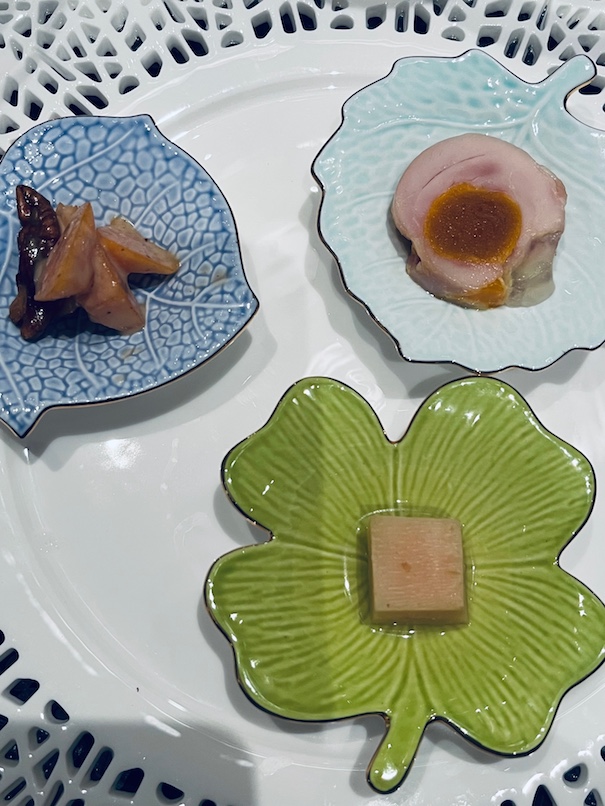
We started with the always dependable family house of POL ROGER CHAMPAGNE VINTAGE BRUT 2009 with a rich ripe full flavoured year less structured than 2008 but drinking deliciously at the moment. Wonderful with smoked Lingcod starter hors d’oeuvre. We finished with the usual very dark reddening colour at 40+ years of 1983 CHATEAU RIEUSSEC SAUTERNES showing drier crème brûlée mellowness a delightful treat plus blind another younger golden look that turned out to be 2007 CHATEAU DOISY DAENE BARSAC from Denis Dubourdieu fresh surprisingly full sweet honey peach figgy compote at 14 abv. The main event:

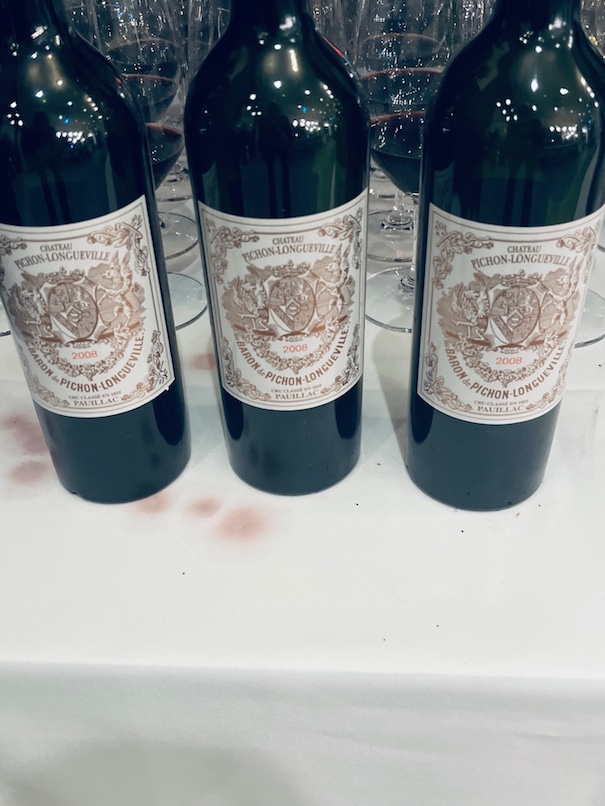
2008 CHÂTEAU BARON DE PICHON-LONGUEVILLE: Darker than 2004 from a forgotten vintage showing the graphite Cab Sauv (on 38 hectares on best gravel plots in the 72 hectare Estate) but also riper spicy Merlot (from the richer clay soils to the West) with 80% new oak in a forwardly rather surprisingly excellent effort for the difficult year. As Christian Seely noted back in 2014 at #VIWF that since 2000 they had better know-how of the vineyards with small details including lower yields and better selection resulting in a more consistent quality of the Grand Vin that certainly shows here. On an easy drinking fresh plateau of enjoyment.

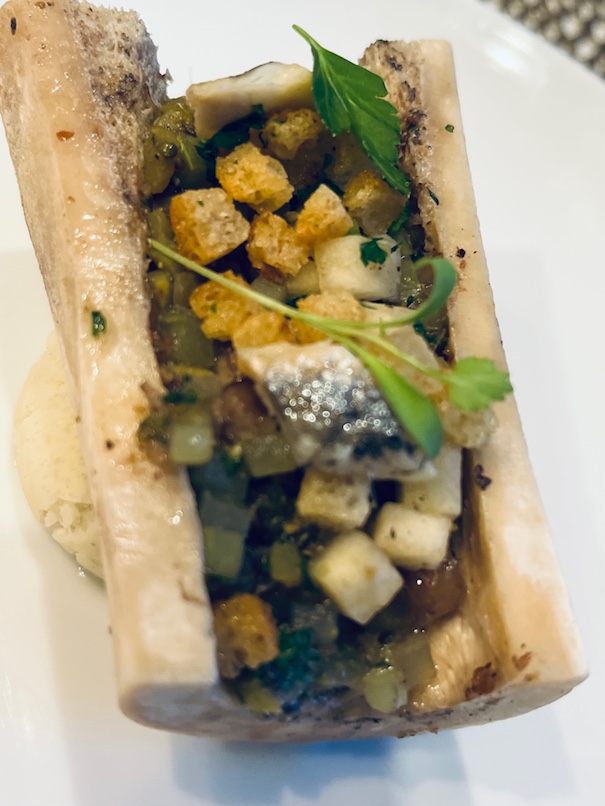
2004 CHÂTEAU BARON DE PICHON-LONGUEVILLE: Shades lighter than 4 years of development from 2008. Better than expected being clean and no ladybug taint issues of 2004. Some minty herbaceous notes with 80% new oak but easier structure with simpler depth for drinking presently. Well done. Paired well with an innovative bone marrow starter.

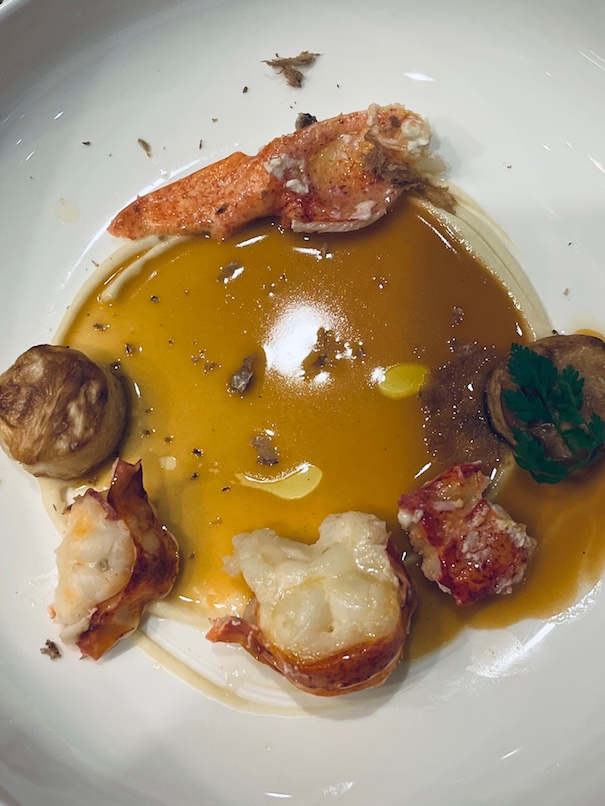
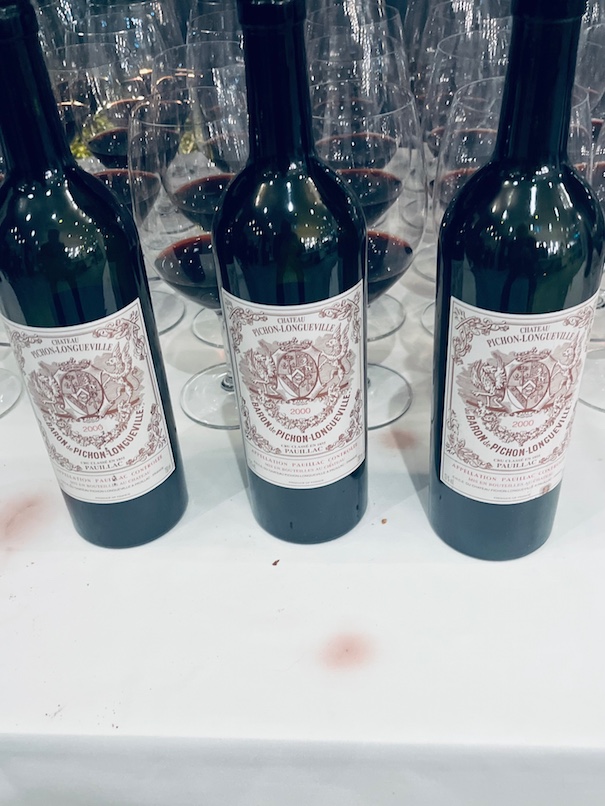
2000 CHÂTEAU BARON DE PICHON-LONGUEVILLE: This Bordeaux vintage always seems so deliciously friendly. Only medium bodied but vibrant, elegant and satisfying. Lovely but softer being more approachable than many bigger longer aging 2000s like powerful Pauillac Chateau Lynch Bages. Should hold at this top level for a while. Unique matching with an outstanding lobster white truffle presentation so very tasty.

1996 CHÂTEAU BARON DE PICHON-LONGUEVILLE: Both 1996 and 1995 showing almost identical to the notes in the April Blog posting. Lots of Cab Sauv (80%) but as Christian Seely mentioned earlier the first phase of AXA from 1987 to 2000 they had less know-how and were producing at higher yields. This is an example of that with 385,000 bottles compared to half of that later on at 180,000. Overcropped and not the best 1996 Pauillac compared to superstar 1996 Pichon Comtesse de Lalande. Still this 1996 can be enjoyed currently or wait to soften further.

1995 CHÂTEAU BARON DE PICHON-LONGUEVILLE: Darker than 1996 using smaller grapes (and less Cab Sauv) from this vintage with more ratio of skin and intense juice. Merlot is less ripe but spicy and evolving rather nicely. OK to open now and enjoy with dinner.

2000 CHÂTEAU GRAND-PUY-LACOSTE: Mystery wine served blind. Deep dark and youngish look. Exquisite classy Pauillac bouquet seems younger and riper than a 95/96. Admirable structure here with pure cedar cassis flavours. Shows well and is quite a bit darker in colour than 2000 Pichon Baron.

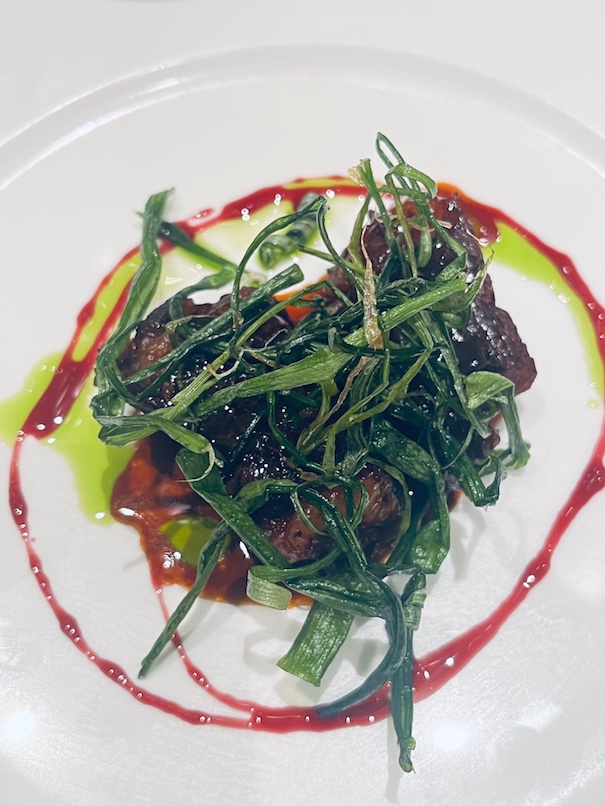
1990 CHÂTEAU BARON DE PICHON-LONGUEVILLE: Blend of 73/27 Cab Sauv/Merlot with lots of red colour left at 35. HIgh yields of 67 hectolitres per hectare but still “a great year with a fresh style” showing brilliantly. Lots of group support again for this as deserving Wine of the Night. Delicious but no rush. Heightened level was tasted with an excellent course of duck magret.

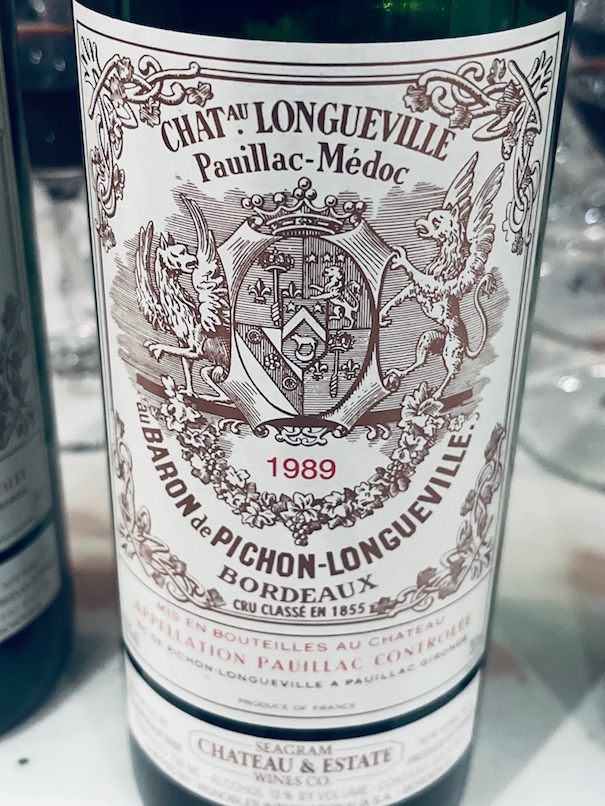
1989 CHÂTEAU BARON DE PICHON-LONGUEVILLE: Similar blend with 65% new oak this was a Wine Spectator Wine of the Year deservedly so. Again the fav tonight of your scribe but not as fine a bottle as in the April vertical. Yet admire the wonderful intense complex pure fruit showing the best Pauillac definition. A treasure for sure.

1986 CHÂTEAU BARON DE PICHON-LONGUEVILLE: Corked last time and bottle variable this time. Can be expected with such old wines at 40 years of age. Ranged from dark rich extract fullness but a bit coarse musty to favoured cleaner powerful evolving statements. Certainly many 1986 Left Bank reds are starting to come together very nicely indeed. Some classics like Mouton.

You might also like:
Ask Sid: 75/85/95 Wine Rule?

Ask your question here

Question: Is there something like a 75 to 90 plus  percent guarantee by Alcohol & Tobacco on your wine bottle contents?

Answer: Well there is a rough wine guide (with exceptions) that consumers rely on for wine labeling laws in the USA of 75/85/95 for minimum required grapes:

75%: For a specific grape variety named
85%: For a named AVA (American Viticultural Area) designated as the grape source. Also for vintage wines without AVA
95%: For vintage wines with a specified AVA. Also for wines from a specific vineyard named on the label.
Hope this is of some clarification  assistance for you.

You might also like:

NUITS ST. GEORGES PREMIER CRU PAULEE SHOWS DISTINCTIVE TERROIR

Followers of this Blog will know the enthusiasm of the members of the Vancouver Branch of Confrerie des Chevaliers du Tastevin for Paulee style wine events. The last one was Chassagne-Montrachet 1er Cru posted here on September 2, 2025 for a 16th anniversary of white Burgundy. Our first Burgundy red wine Paulee experiment is linked here of April 22, 2024 spotlighting Gevrey-Chambertin Premier Cru. On November 18, 2025 at Quan Ju De Duck House Restaurant we tried our second red wine focus featuring Nuits St. Georges Premier Cru. The logistics are certainly much easier for a white wine Paulee where the aperitif idea works well for tasting and there is more time to study the many contributions over a longer reception period. However for red wine it requires a difficult break in the meal service after the bubbles and whites with a much shorter tasting window. Next time we need an all red wine meal and/or a longer time frame during a late lunch to allow more time for serious study and contemplation of these Paulee treasures.

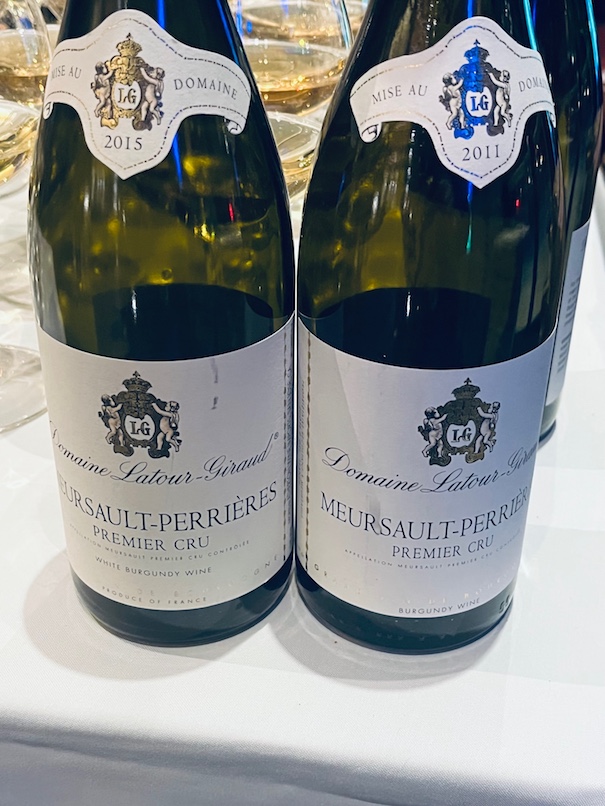
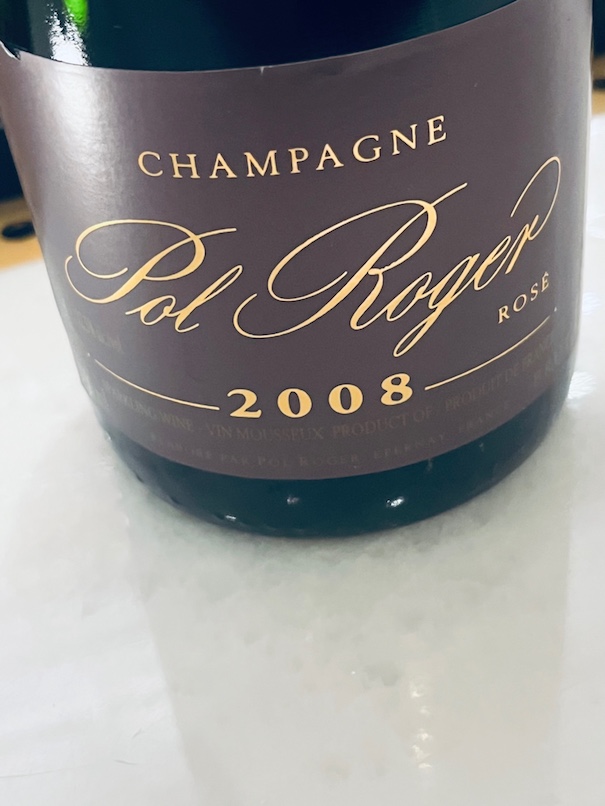
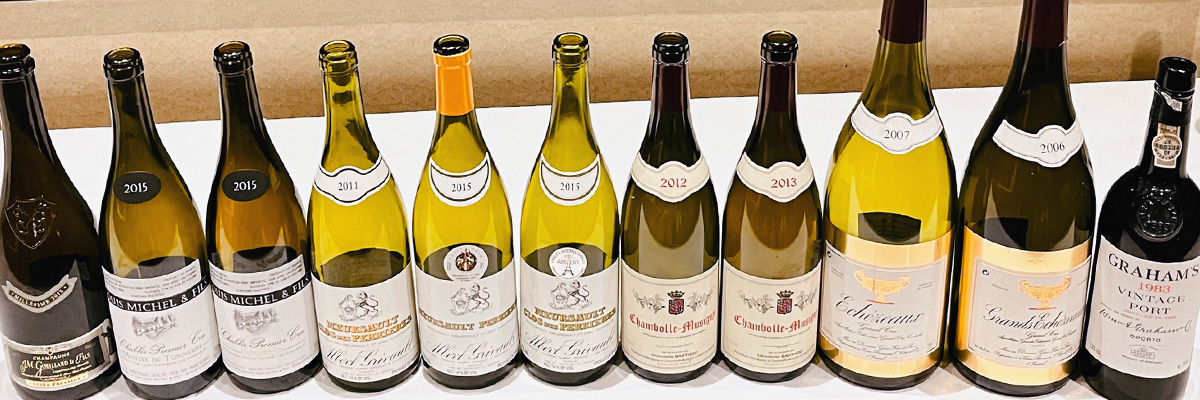
We started with the consistent classy POL ROGER CHAMPAGNE family house in Epernay since 1849 this one the ROSE from the highly acclaimed 2008 VINTAGE. Lovely structured full red fruits with creamy textures. Your scribe spent an enjoyable lot of time studying and admiring his fav Perrieres vineyard in Meursault from an outstanding producer Latour-Giraud  making even finer more elegant wines over this last decade. We compared:

2015 MEURSAULT PERRIERES LATOUR-GIRAUD: Light yellow with riper aromas. Full rich smooth softer textured taste of stone fruits. Deliciously round and yet energetic now.

2011 MEURSAULT PERRIERES LATOUR-GIRAUD: A shade lighter with more fresh stony austere minerals. Wonderful subtle flavours with balanced lees complexity. A runner-up to the classic 2014 in that admirable distinctive Perrieres style.

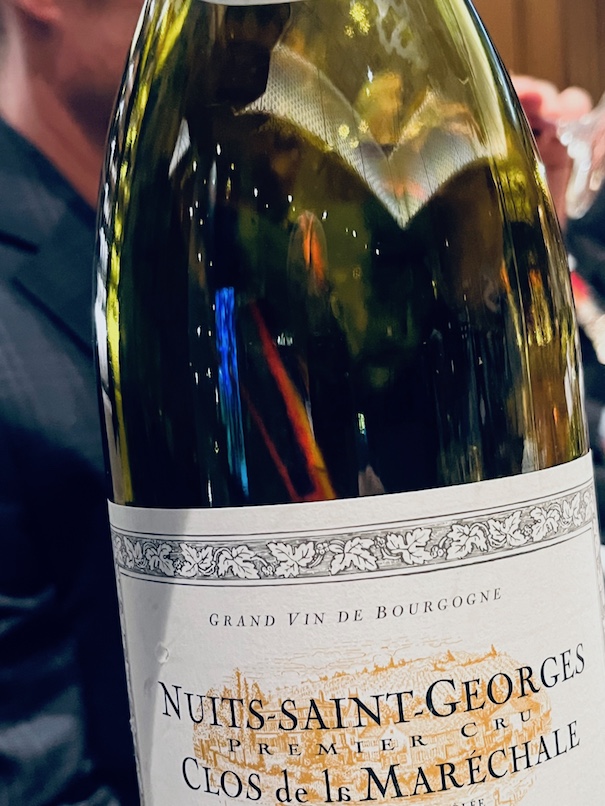
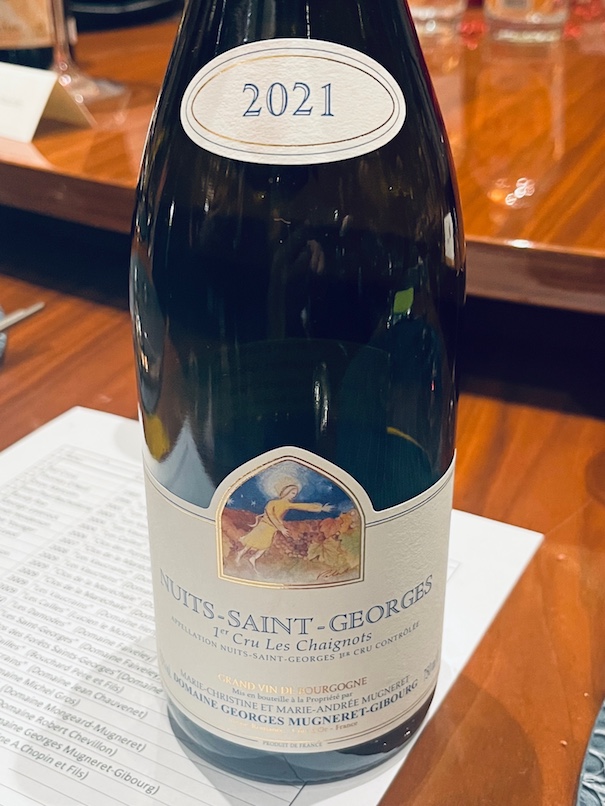
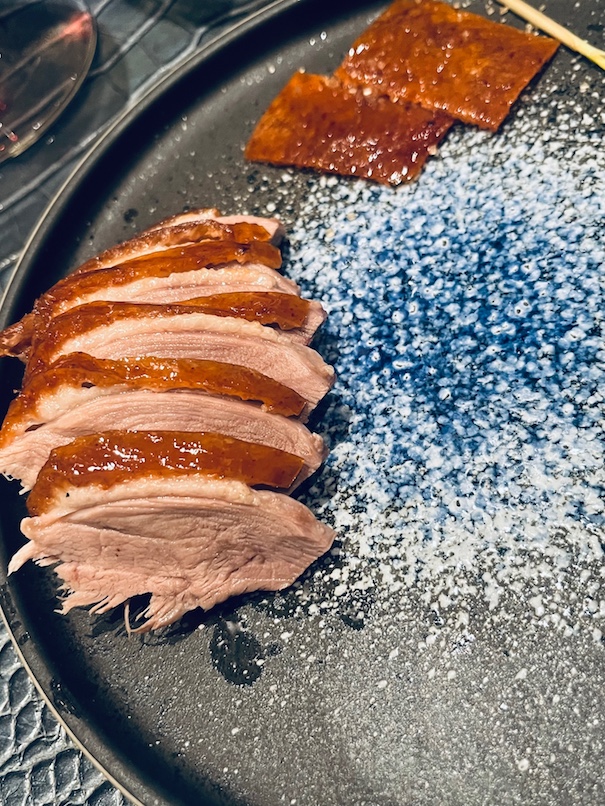
There were some 25 different Nuits St. Georges Premier Cru wines from 2022 back to 1989 available to sample (including two en Magnum) and match with the exquisite restaurant celebrated duck and other tasty courses. Many top producers shown and different vineyard selections. Most prominent vineyard with 7 wines was “Les Vaucrains” from Chevillon (09, 08, 04, and 01) and Gouges (09 & 03) showing that big powerful muscle structured more tannic style requiring bottle age softening. Your scribe commented on the wines and was laudatory to the Perrieres but compared NSG a little bit like Bordeaux’s St. Estephe in style having early on a more rustic backward robust statement that requires aging to come together. Hard to generalize but often the northern vineyards of NSG have a more delicate floral elegance while those south of the town are tending to robust power. Liked hot year LES VAUCRAINS 2003 HENRY GOUGES and underrated LES VAUCRAINS 2001 ROBERT CHEVILLON. My favourite younger NSG was the outstanding fresh vibrant low yielding concentrated 2021 LES CHAIGNOTS GEORGES MUGNERET-GIBOURG with a fantastic best future ahead of it. Find some bottles of this excellent NSG!

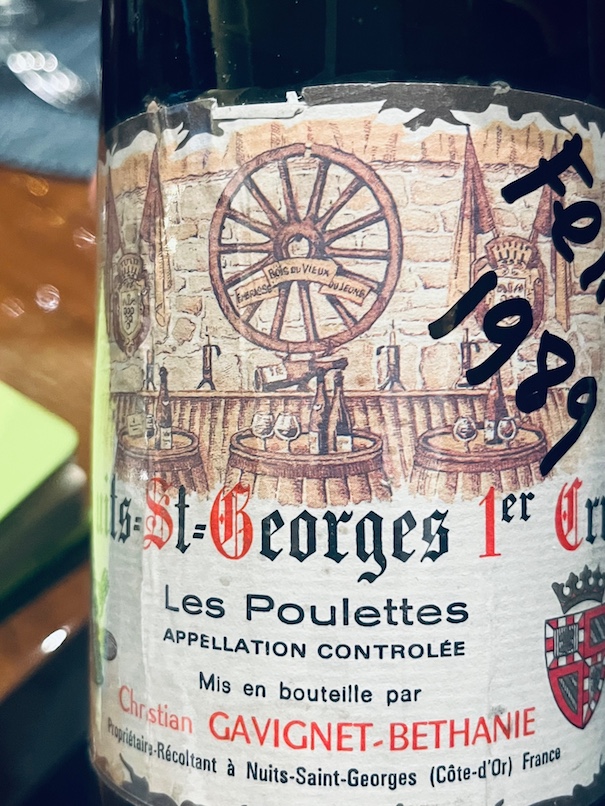
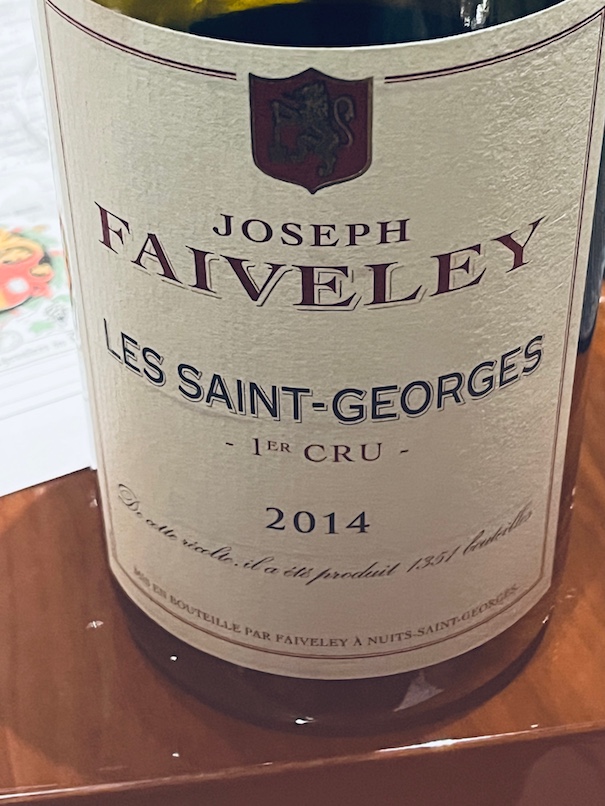
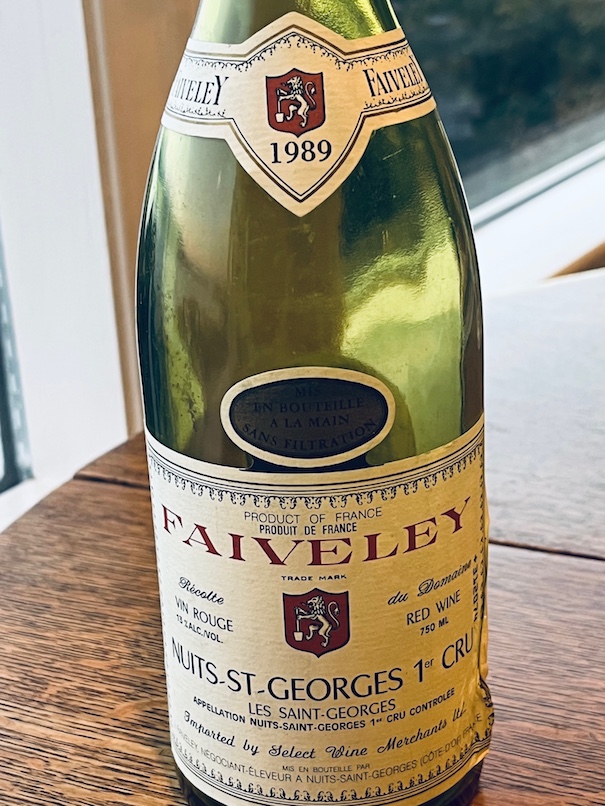
Fun comparing clearly the Grand Cru wannabe LES SAINT GEORGES vineyard preferred over the others. Two examples of it both FAIVELEY with 2014 elegant but rather light while 1989 (long time last bottle cellared by your scribe) deep dark youthful singing brilliantly a memorable solo (very mature 1989 LES POULETTES CHRISTIAN GAVIGNET-BETHANIE as the sensual accompaniment).


You might also like:

Ask Sid: What is reverse osmosis?

Ask your question here

Question: What are they talking about with using the term reverse osmosis in making wine?

Answer: Yes all rather confusing. Reverse osmosis is a process of filtration that uses pressure on a liquid going through a porous fine membrane. It is a technique used for producing pure safe drinking water. Reverse Osmosis first became popular in the eighties as a technique in making wine that supposedly helps flavour concentrations while lowering the alcohol levels. Not old style natural wine making and somewhat controversial. Popularized by winemaker consultant Michel Rolland from Bordeaux together with micro-oxygenation.

You might also like:

CONGRATS TO WYNNS COONAWARRA ESTATE & WINEMAKER SUE HODDER FOR MORE HIGH QUALITY LOWER ALCOHOL 2022 CABERNET SAUVIGNON

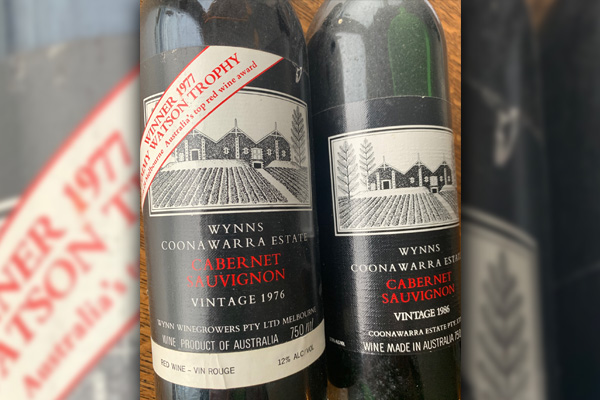
Wynns Coonawarra Estate Black Label Cabernet Sauvignon has been a favourite Australian red wine of your scribe for a long time featured on this Blog several times including recently for more detailed reference on January 2, 2023 linked here and January 18, 2021 here. It always delivers intense fruit with distinctive Coonawarra minty terroir at lower alcohol of balanced elegant complex flavours with excellent ageability. A credit to the winery and their talented winemaker Sue Hodder and her team. Sue has a long fantastic history at Wynns having joined in 1993 and becoming the senior winemaker in 1998 producing some outstanding wines over those years. An excellent profile on Sue Hodder and team plus tasting the 2019 by renowned Vancouver Sun columnist Anthony Gismondi on October 26, 2024 is here. Their first Black Label Cab dates back to 1954 and a personal old treasure is the 1976 that won the JImmy Watson Trophy in 1977 for Australia’s top red wine award.

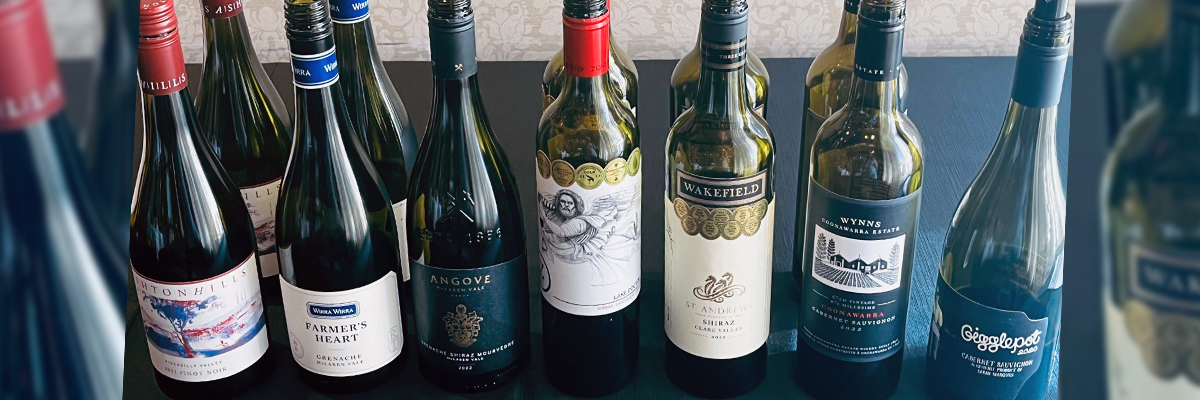
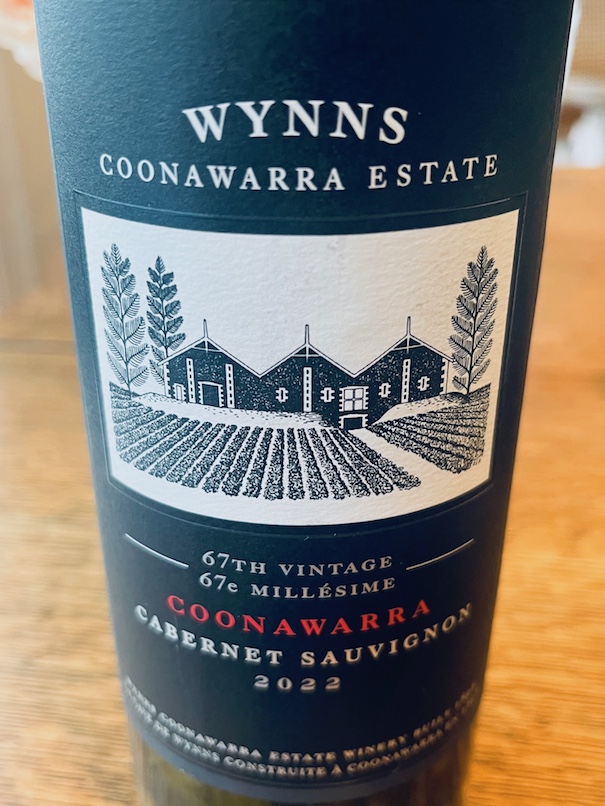
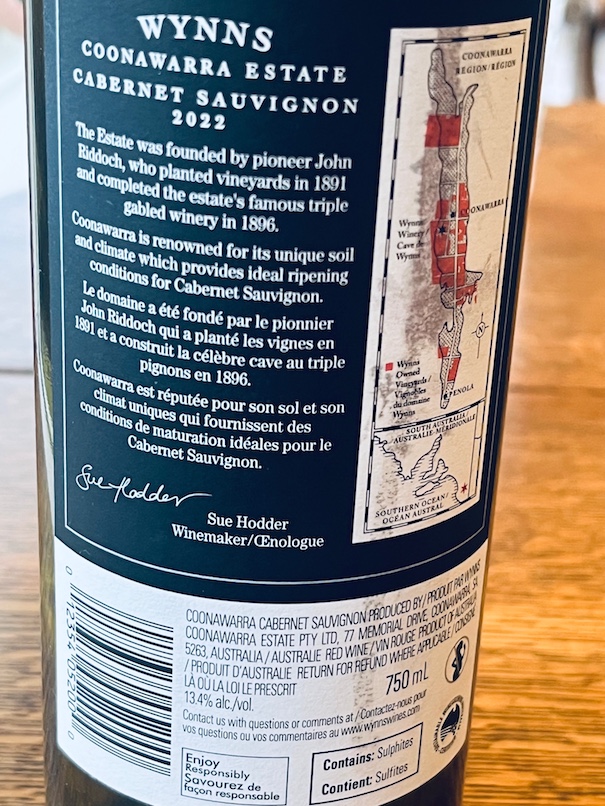
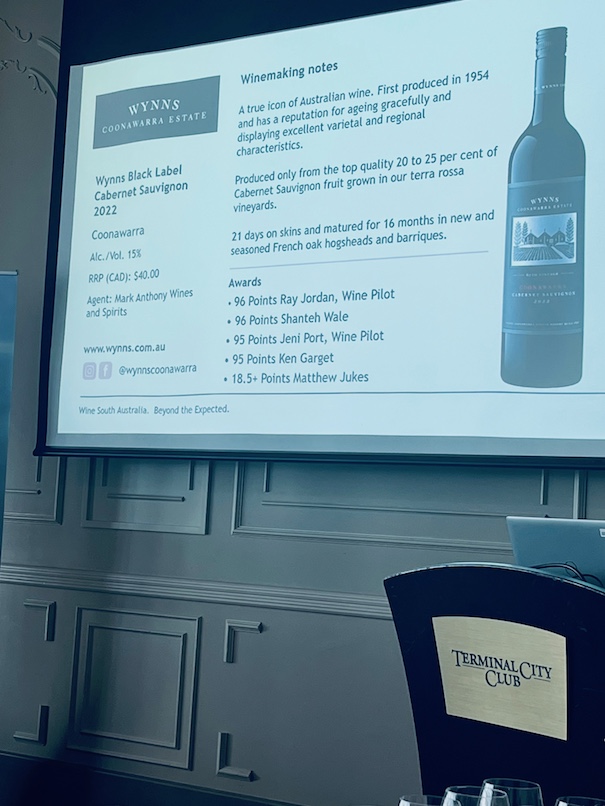
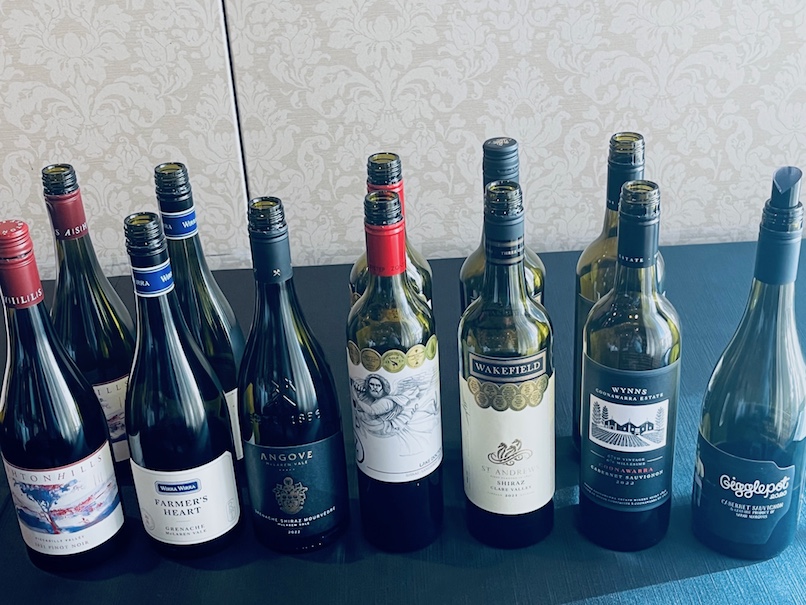
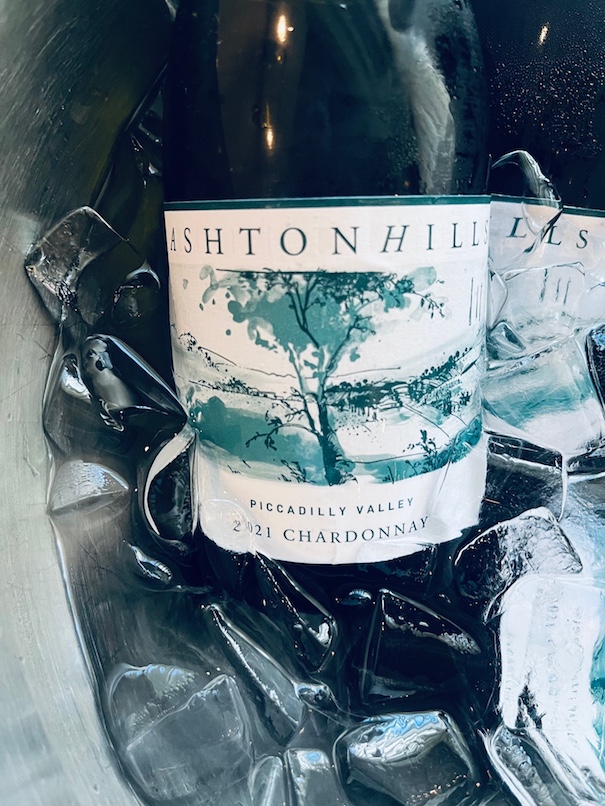
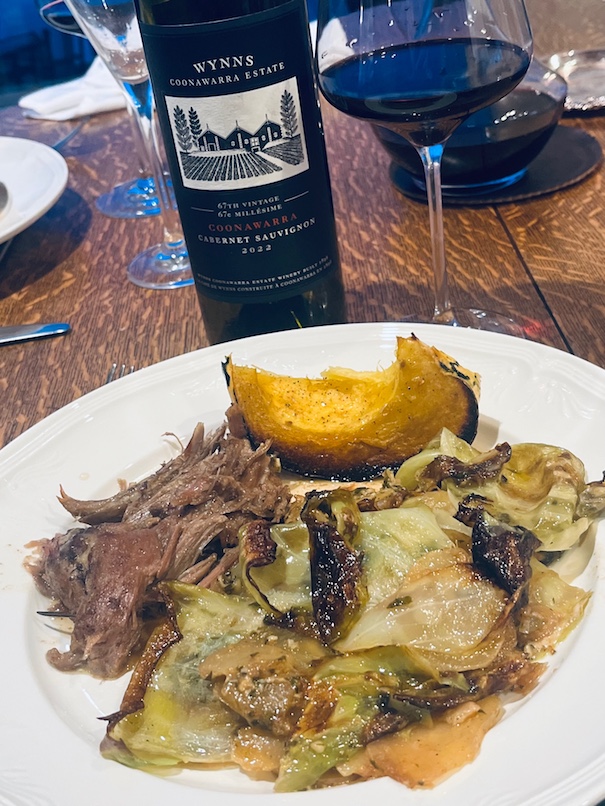
On September 24, 2025 at the Terminal City Club in Vancouver an educational Masterclass tasting was held by Wine South Australia showing “Beyond the Expected”. Some interesting wines tasted among the highlights being a lighter fragrant 2021 ASHTON HILLS Pinot Noir from Piccadilly Valley in the Adelaide Hills using 6% whole bunch with indigenous yeasts and basket pressed into French oak casks & puncheons. Also at the following reception a classy well made 2021 Chardonnay PIccadilly Chardonnay at good value from Ashton Hills shone very brightly indeed. One of the profiled wines at the Masterclass was 2022 WYNNS COONAWARRA ESTATE BLACK LABEL CABERNET SAUVIGNON – THE 67TH VINTAGE. An excellent slide presentation with details on each wine was shown to the audience and the Wynns one is posted with this Blog. It noted that the wine was “Produced only from the top quality 20 to 25 percent of Cabernet Sauvignon fruit grown in our terra rossa vineyards. 21 days on skins and matured for 16 months in new and seasoned French oak hogsheads and barriques.” It showed the retail price of $40 and the alcohol level posted at 15%. Your scribe tasted the wine and remembered my discussions with Sue that even in a warming climate she would be trying her best to keep the abv below 14. It didn’t finish with heat or alcohol that showed more on my palate with the 2022 MOLLYDOOKER WINES GIGGLEPOT CABERNET SAUVIGNON FROM MCLAREN VALE $65 at 15 abv. Your intrepid bold taster questioned the speakers that he did not believe the Wynns Cab alcohol was properly noted at 15 abv. They scrambled to the empty bottles and surprisingly to them noted 13.4 abv – not 15. Check the back label shown below. It has useful information such as “Estate was founded by pioneer John Riddoch, who planted vineyards in 1891 and completed the estate’s famous triple gabled winery in 1896.” They no longer in 2022 give the information provided on earlier vintage bottles that “Coonawarra is renowned for its unique soil and climate which provides ideal ripening conditions for Cabernet Sauvignon. Supple cloaking tannins frame all the elements to create a focused, elegant and classic “Black Label” Cabernet Sauvignon which will once again provide a benchmark for this remarkable region.” Words missing now on the back label but still so true!.

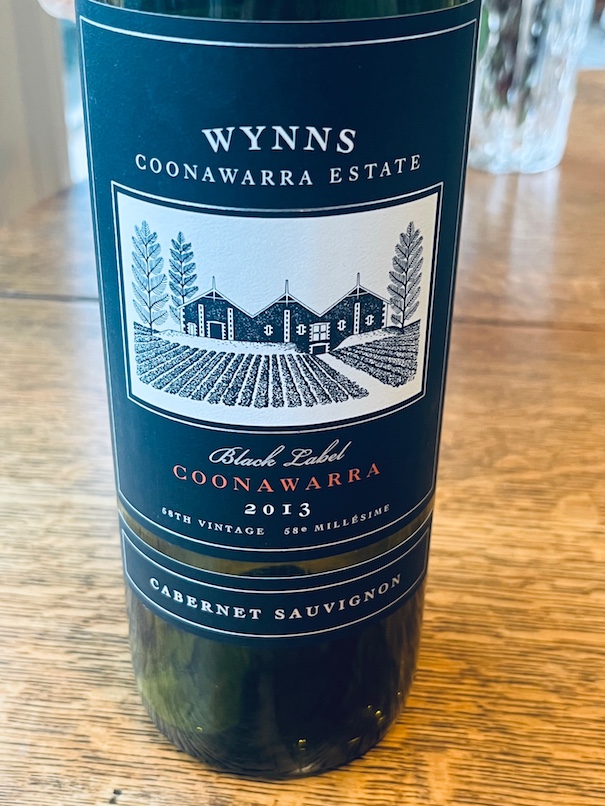
Sue and her team have successfully done it again delivering a beautiful balanced outstanding Wynns Black Label Cab at lower alcohol. Amazing how they can produce such great impressive wine at large production. Except for the Pinot all the other wines were minimum 14.5 and up including Grenache, GSMs, and Shiraz. The expectation of the slide developer obviously was for Australian rich reds to be at higher alcohol. By the way, the ten year younger 2013 (58th Vintage) at 13. 5 abv now is drinking harmoniously on a best plateau of enjoyment. So will the 2022 vintage with more bottle age. A winner. Well done!


You might also like: