menu
Member Sign In
  • IWFS Homepage
  • Blog Home
  • Forums Home
  • Global Forum
  • Contact Us
Close
  • IWFS Homepage
  • Blog Home
  • Forums Home
  • Global Forum
  • Contact Us
    Member Sign In
  • Blog Home
  • Forum Home
  • Global Forum
FOLOW US

Recent Posts

  • BETTER BURGUNDY WINE APPRECIATION USING ONLY ALL LESSER VINTAGES WITHOUT COMPARATIVE TASTING WITH THE TOP VINTAGES
  • Ask Sid: What is Kallu?
  • SECOND VERTICAL OF CHATEAU LEOVILLE BARTON PROVIDES A VALUABLE LESSON IN BOTTLE VARIATION OF OLDER WINES
  • Ask Sid: Italian Cooking Award?
  • DOMINUS IS A STRUCTURED UNIQUE NAPA VALLEY CABERNET TREASURE

Archives

  • February 2026
  • January 2026
  • December 2025
  • November 2025
  • October 2025
  • September 2025
  • August 2025
  • July 2025
  • June 2025
  • May 2025
  • April 2025
  • March 2025
  • February 2025
  • January 2025
  • December 2024
  • November 2024
  • October 2024
  • September 2024
  • August 2024
  • July 2024
  • June 2024
  • May 2024
  • April 2024
  • March 2024
  • February 2024
  • January 2024
  • December 2023
  • November 2023
  • October 2023
  • September 2023
  • August 2023
  • July 2023
  • June 2023
  • May 2023
  • April 2023
  • March 2023
  • February 2023
  • January 2023
  • December 2022
  • November 2022
  • October 2022
  • September 2022
  • August 2022
  • July 2022
  • June 2022
  • May 2022
  • April 2022
  • March 2022
  • February 2022
  • January 2022
  • December 2021
  • November 2021
  • October 2021
  • September 2021
  • August 2021
  • July 2021
  • June 2021
  • May 2021
  • April 2021
  • March 2021
  • February 2021
  • January 2021
  • December 2020
  • November 2020
  • October 2020
  • September 2020
  • August 2020
  • July 2020
  • June 2020
  • May 2020
  • April 2020
  • March 2020
  • February 2020
  • January 2020
  • December 2019
  • November 2019
  • October 2019
  • September 2019
  • August 2019
  • July 2019
  • June 2019
  • May 2019
  • April 2019
  • March 2019
  • February 2019
  • January 2019
  • December 2018
  • November 2018
  • October 2018
  • September 2018
  • August 2018
  • July 2018
  • June 2018
  • May 2018
  • April 2018
  • March 2018
  • February 2018
  • January 2018
  • December 2017
  • November 2017
  • October 2017
  • September 2017
  • August 2017
  • July 2017
  • June 2017
  • May 2017
  • April 2017
  • March 2017
  • February 2017
  • January 2017
  • December 2016
  • November 2016
  • October 2016
  • September 2016
  • August 2016
  • July 2016
  • June 2016
  • May 2016
  • April 2016
  • March 2016
  • February 2016
  • January 2016
  • December 2015
  • November 2015
  • October 2015
  • September 2015
  • August 2015
  • July 2015
  • June 2015
  • May 2015
  • April 2015
  • March 2015
  • February 2015
  • January 2015
  • December 2014
  • November 2014
  • October 2014
  • September 2014
  • August 2014
  • July 2014
  • June 2014
  • May 2014
  • April 2014
  • March 2014
  • February 2014
  • January 2014
  • December 2013
  • November 2013
  • October 2013
  • September 2013
  • August 2013
  • July 2013
  • June 2013

Meta

  • Log in
  • Entries feed
  • Comments feed
  • WordPress.org

Archive for February, 2026

Older Entries

BETTER BURGUNDY WINE APPRECIATION USING ONLY ALL LESSER VINTAGES WITHOUT COMPARATIVE TASTING WITH THE TOP VINTAGES

February 23rd, 2026 by Joseph Temple

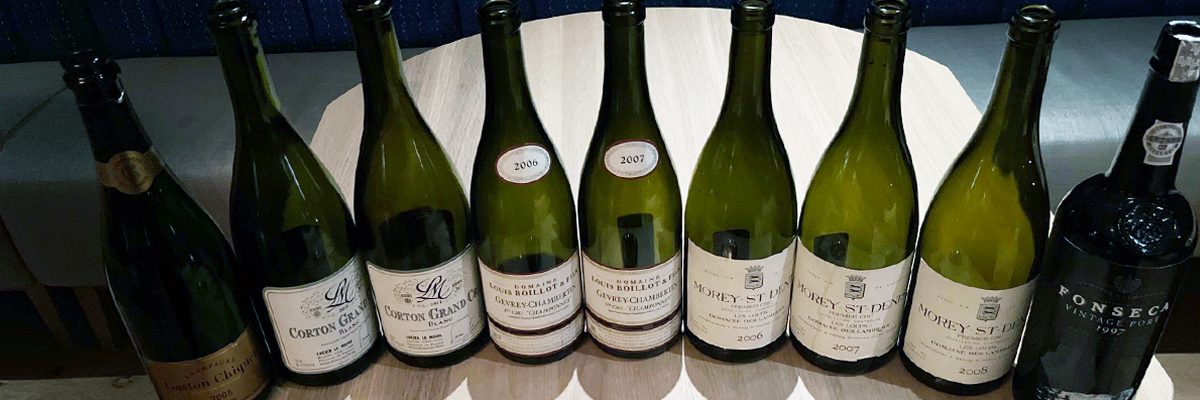
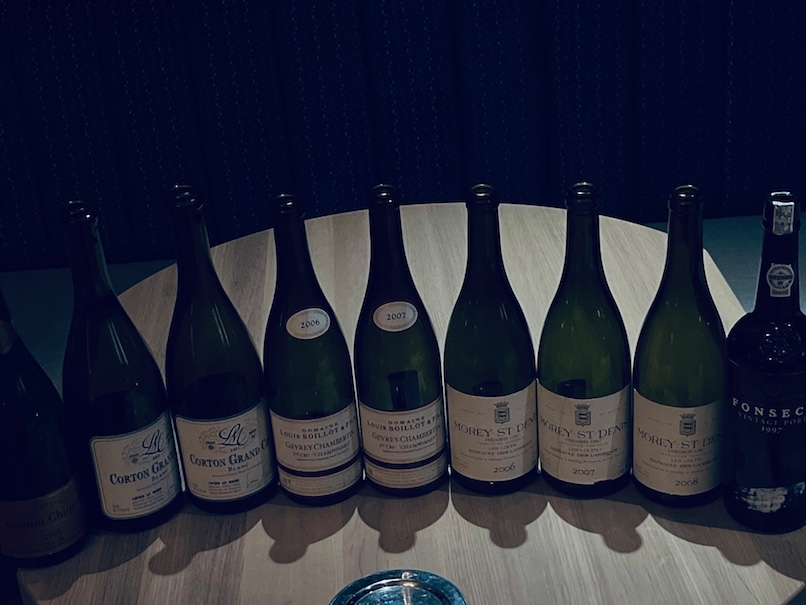
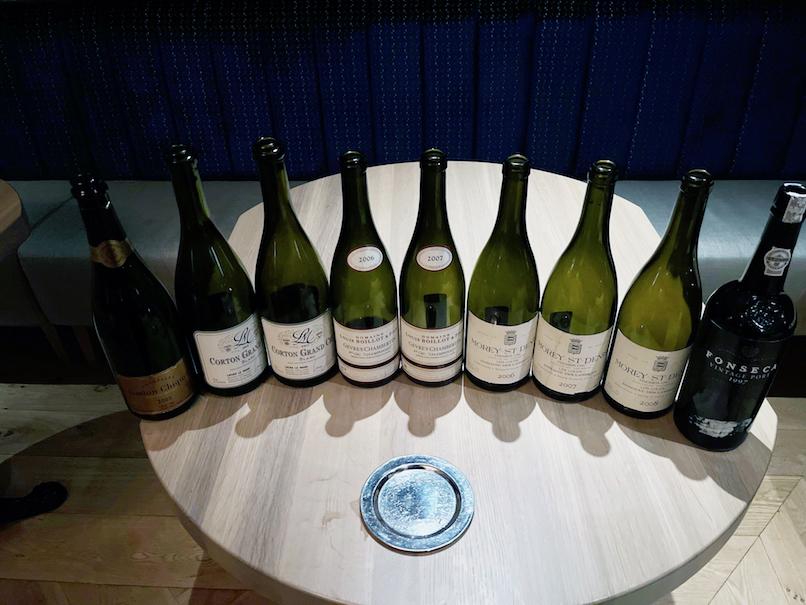
Bourgogne has far more yearly climate variations than many other wine regions. Accordingly, wine collectors are usually enthralled with buying the best Burgundy vintages and often dismissive of the others. Unfair comparisons often occur when the intense fruit of a top vintage overwhelms a lighter less ripe one served together. That was not the case at the latest Vancouver Confrerie des Chevaliers du Tastevin dinner on February 17 at Boulevard Restaurant #BLVDYVR. The whites were lighter 2011 & rich 2012 with no pure classic 2010 or wonderfully balanced 2014 for dramatic differences. Similarly, the reds were all variable vintages, with the 2006 needing careful sorting, the 2007 showing lighter red fruits, and the 2008 being slightly more reliable. The adjoining great vintages—the classic, balanced 2005, the riper, fleshy 2009, or the small-crop, outstanding 2010—were nowhere in sight. This was a good thing, enabling these lesser vintages to shine in their own glory.

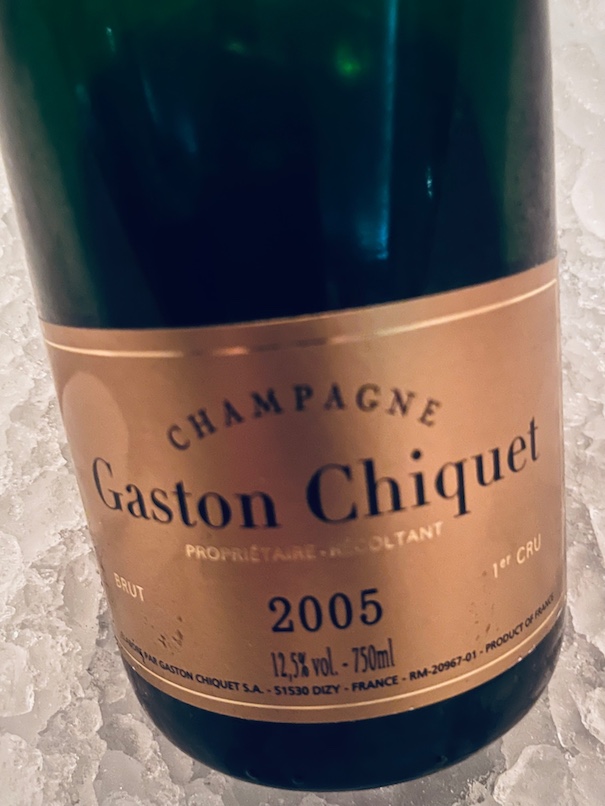
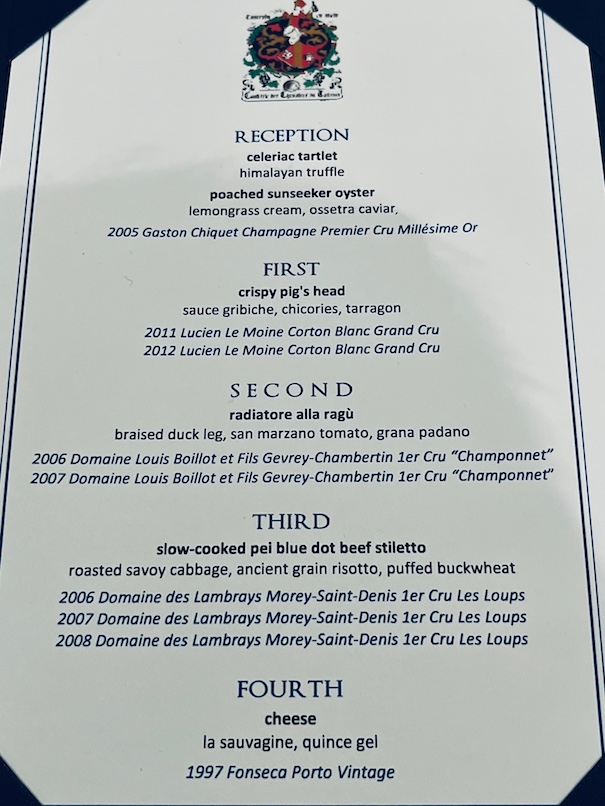
The evening commenced with an exquisite 2005 GASTON CHIQUET CHAMPAGNE PREMIER CRU MILLESIME OR, a House that dates back to 1746 when Nicolas Chiquet first planted the vines. Subsequently, from 1919 brothers Fernand & Gaston joined (his own brand launched in 1935). From the 1950s, his son Claude and his sons Antoine & Nicolas joined, and now Antoine’s daughter, Marion Chicquet, is involved. A great family history continues. Impressive bubbles: rich, balanced, and complex; disgorged in February 2015 after nearly 10 years on the lees. Delighted with the Sunseeker oyster & celeriac tart pairing. We finished up with the lighter, more delicate yet full-bodied 1997 FONSECA VINTAGE PORT which is drinking well now though drier than your scribe expected, but it can still wait.

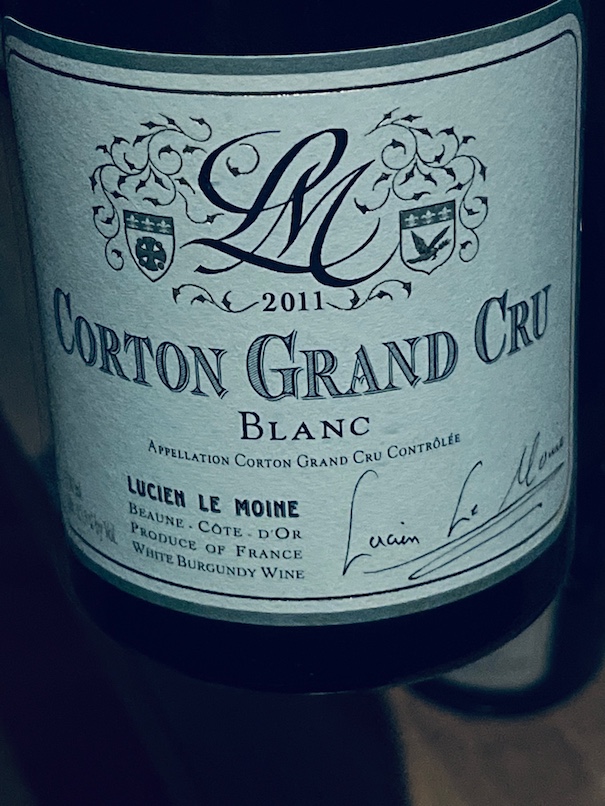
2011 CORTON BLANC GRAND CRU LUCIEN LE MOINE: Founded in the late 1990s by Mounir & Rotem Samoua their “commitment is to produce wines of exceptional purity. We aim to make each wine an accurate and focused expression of its origin, that unique quality the French call ‘terroir’.” Without vineyards they usually purchase fermented juice for long elevage in custom toasted barrels in a reductive style with natural CO2 remaining so that all their wines should be decanted. A darker look with a touch of pétillant which would have cleared better with decanting ahead of time. Mature and ready.

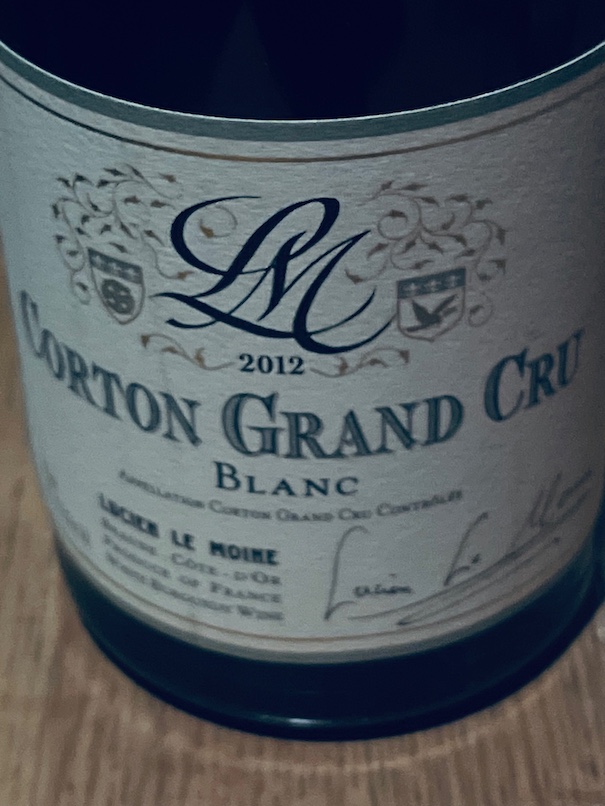
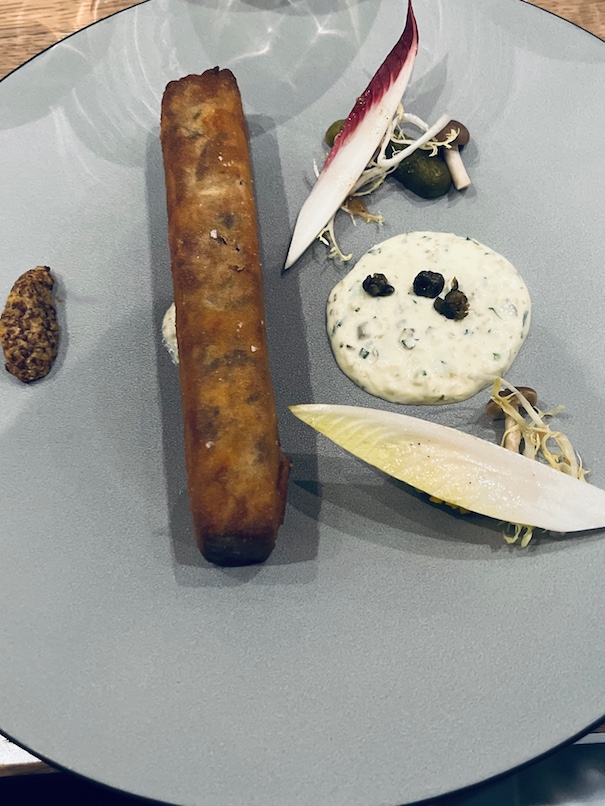
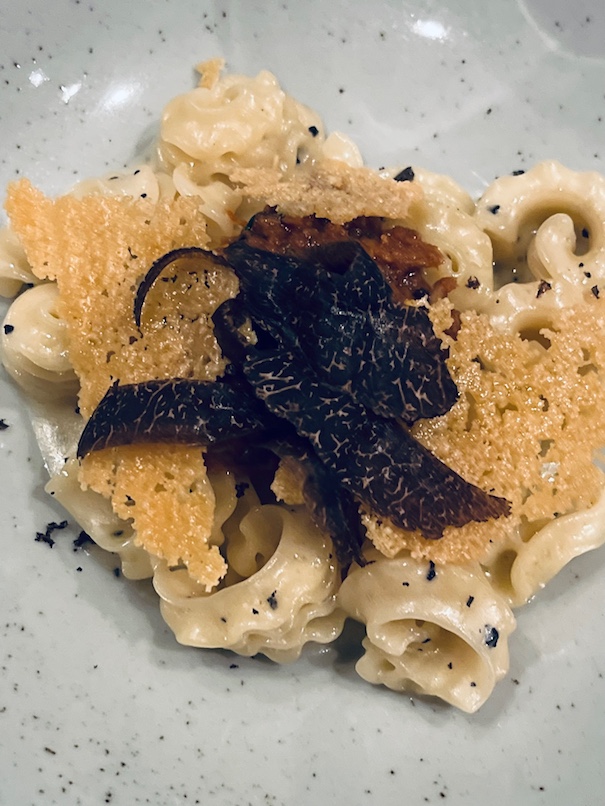
2012 CORTON BLANC GRAND CRU LUCIEN LE MOINE: Though there are 160 hectares of Grand Cru Corton, nearly 72 are the structured Corton-Charlemagne (the largest Grand Cru property ahead of Clos de Vougeot with just over 50) and only a tiny 3.95 hectares is Corton Blanc. This is much lighter, brighter, and encouraging. Fresh with a touch of minerals. Neither vintage of Corton Blanc is as distinctively styled as top Corton-Charlemagne. Corton-Charlemagne, situated at higher elevations, probably survives climate change as well as or better than any other Burgundy white and is a proven longer ager than Corton Blanc. Tasty with the unique innovative crispy pig’s head starter.

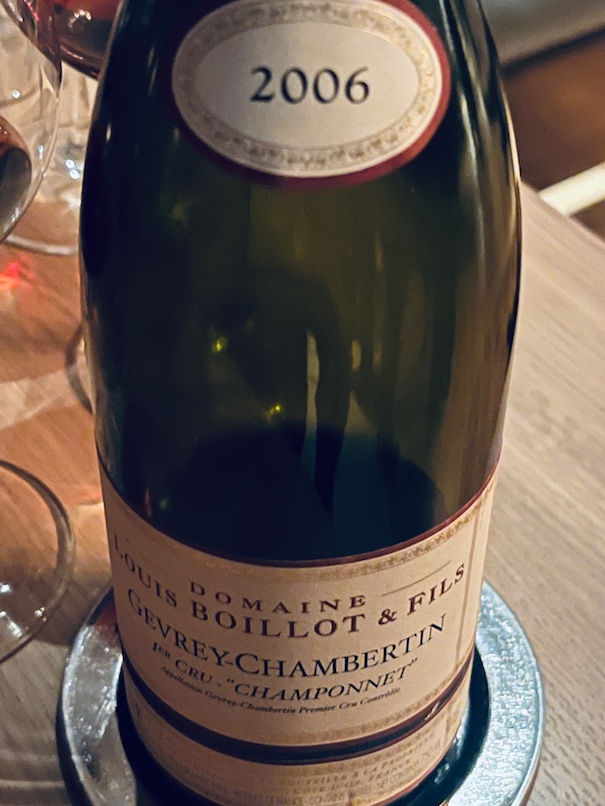
2006 GEVREY-CHAMBERTIN 1ER CRU CHAMPONNET DOMAINE LOUIS BOILLOT: This Premier Cru Gevrey-Chambertin of Champonnet sits on the Grand Cru hillside as a north extension of 3.32 hectares on clay soil in the lower part, with more gravel at the top. Louis Boillot is a leading producer who worked with his father until starting his own domaine in 2002. Working with his son Clement since 2012 on a minuscule 1/5 of a hectare here, he is now partnered with his wife Ghislaine Barthod, together, they produce 26 cuvées composed of 17 Premier Crus. This wine is made from vines older than 50 years and is 100% destemmed. This 2006 has a darker colour than the 2007, with earthy bigger red fruit notes. No rush. The duck leg course was excellent with this pairing.

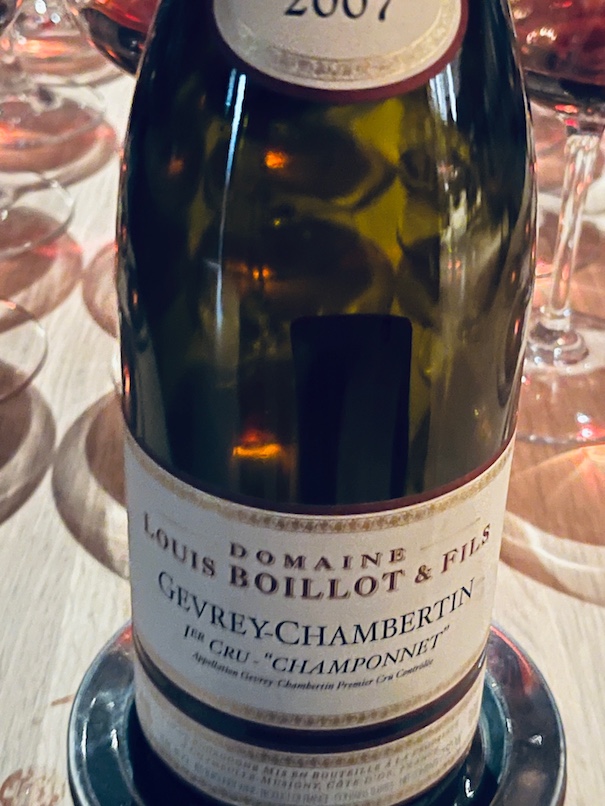
2007 GEVREY-CHAMBERTIN 1ER CRU CHAMPONNET DOMAINE LOUIS BOILLOT: The lighter, paler rim has developed compared to the 2006 with the cherry and raspberry pure flavours showing significant tertiary finesse. Both so called off vintages show nuanced styling with a wonderful elegance. Drinking well now but no rush.

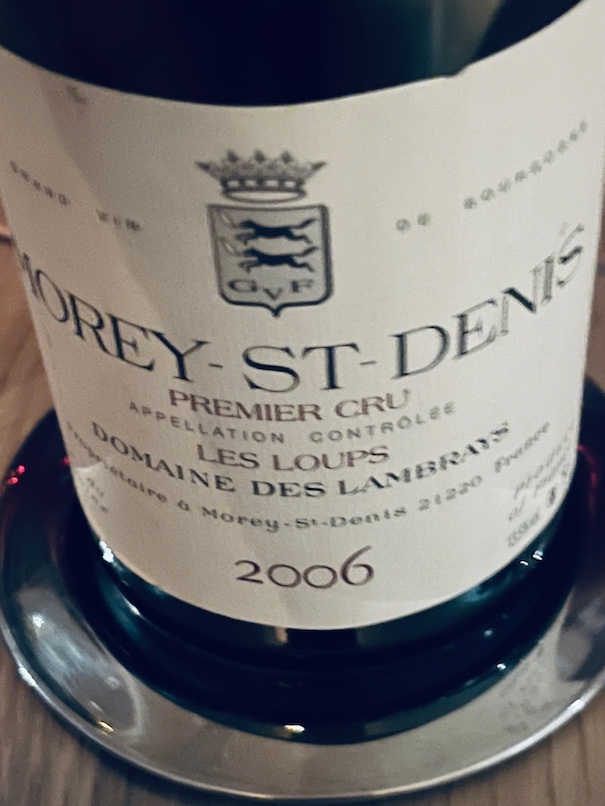
2006 MOREY-SAINT-DENIS 1ER CRU LES LOUPS DOMAINE DES LAMBRAYS: Thierry Brouin ran this top domain for 40 years, from 1979 until his retirement in April 2018. He was succeeded by Boris Champy for less than a year and LVMH acquired the domain, followed by Jacques Devauges (formerly of Clos de Tart) in March 2019. “Les Loups” is a small production from younger vines sourced from Grand Cru Clos des Lambrays plus two other 1er Cru sites: La Riotte & the unusually named Le Village. Vinification uses punch-downs rather than pump-overs, yet the wines are accessible early on. The 2006 vintage has the best pure fruit notes of red cherry and raspberry, along with tea undertones.

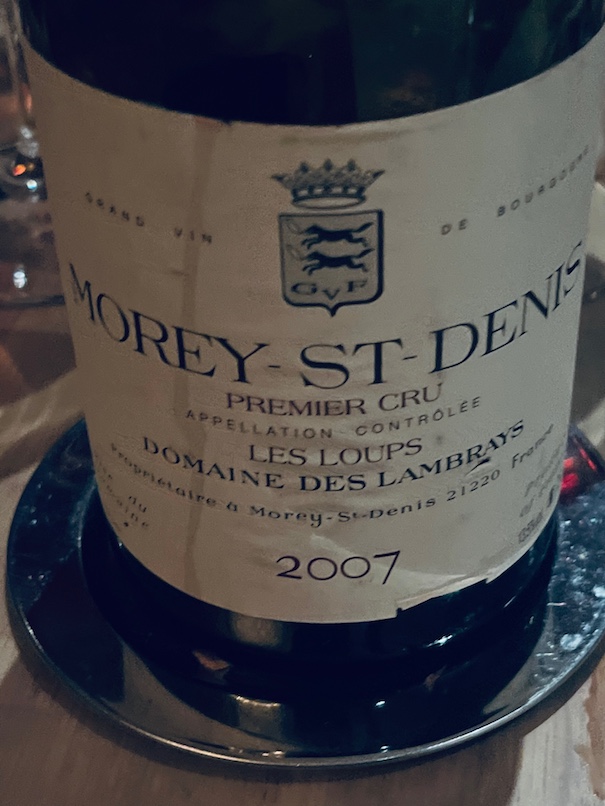
2007 MOREY-SAINT-DENIS 1ER CRU LES LOUPS DOMAINE DES LAMBRAYS: This shows good typical acidity resulting from this vintage, earlier picking, and the use of some stems. Production in 2007 was very small, totaling only 1,500 bottles.

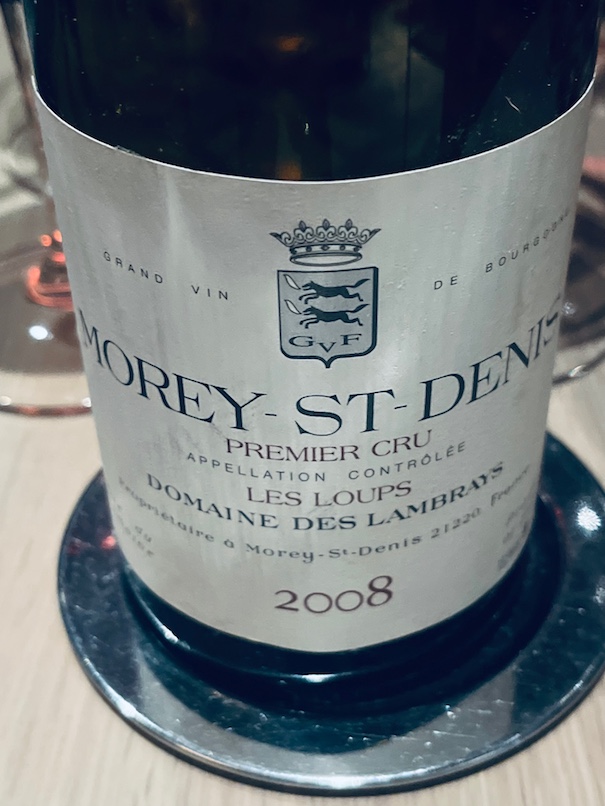
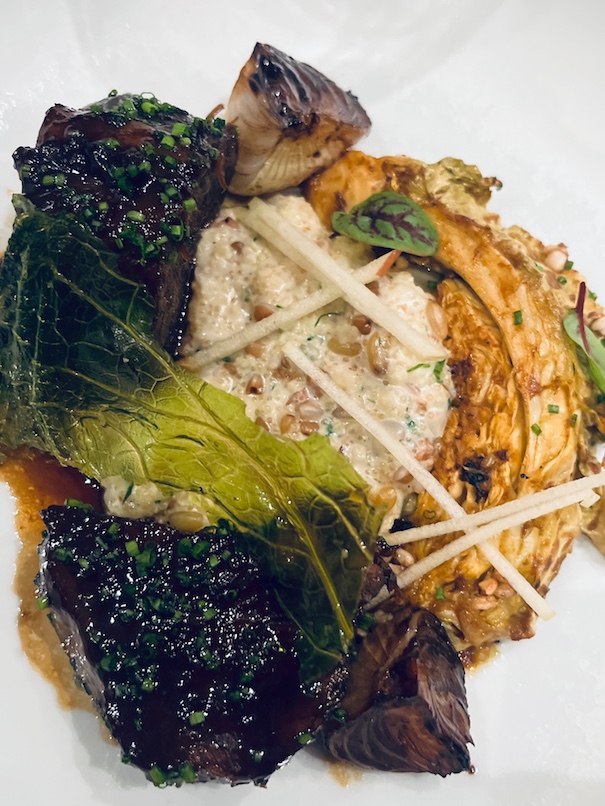
2008 MOREY-SAINT-DENIS 1ER CRU LES LOUPS DOMAINE DES LAMBRAYS: This 2008 is quite a bit lighter in colour but has lovely, classy perfumes, spice, and suppleness. Delicious with the special beef course. I’m impressed with how well these lesser vintages bought at a super value are showing on their own merit without being compared against the very best longer aging years.


You might also like:

Ask Sid: What is Kallu?

February 18th, 2026 by Joseph Temple
Ask your question here

Question: While recently travelling in southern India, I tasted an unusual wine named Kallu. What is it?

Answer: Kallu is a unique Indian wine produced – not from grapes – but from the fermented sap of palm trees. How did you like it?


You might also like:

SECOND VERTICAL OF CHATEAU LEOVILLE BARTON PROVIDES A VALUABLE LESSON IN BOTTLE VARIATION OF OLDER WINES

February 16th, 2026 by Joseph Temple

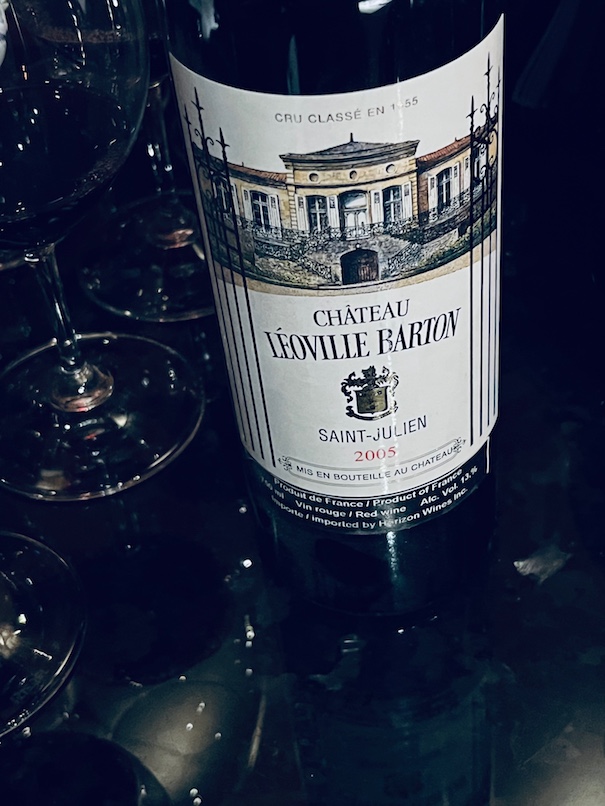
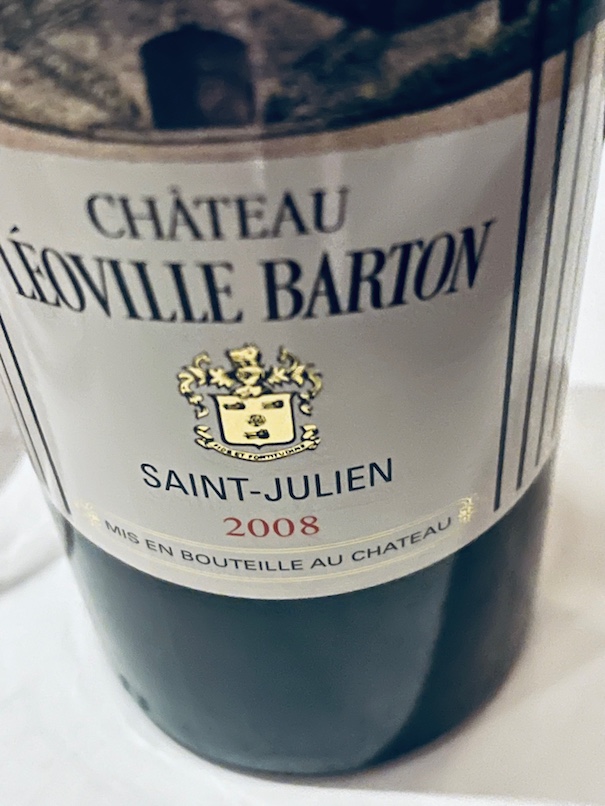
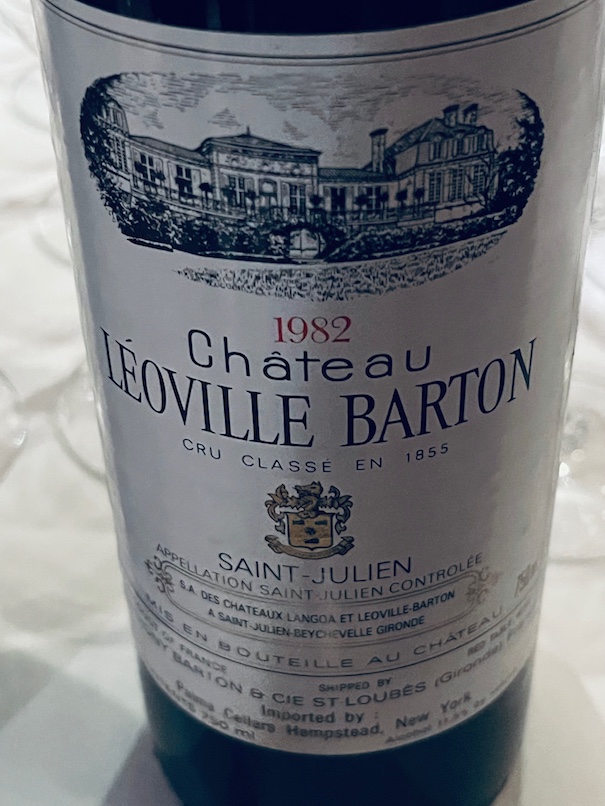
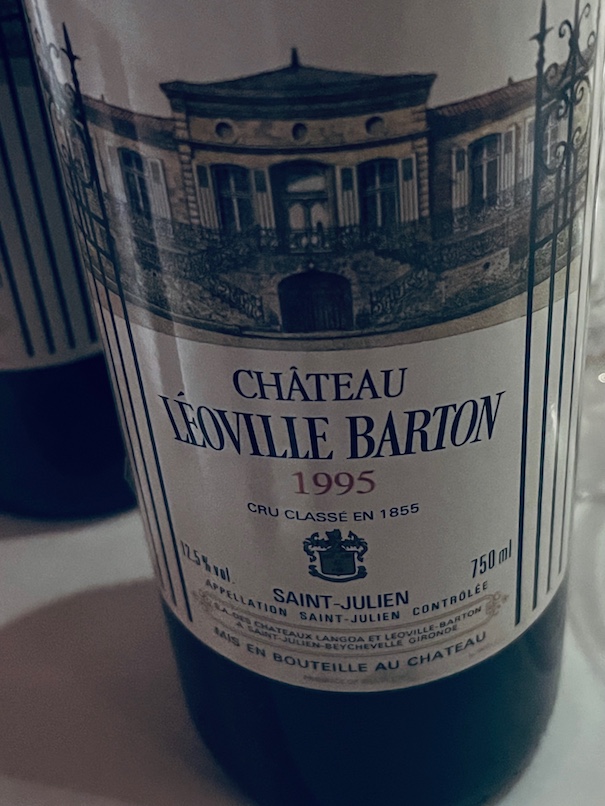
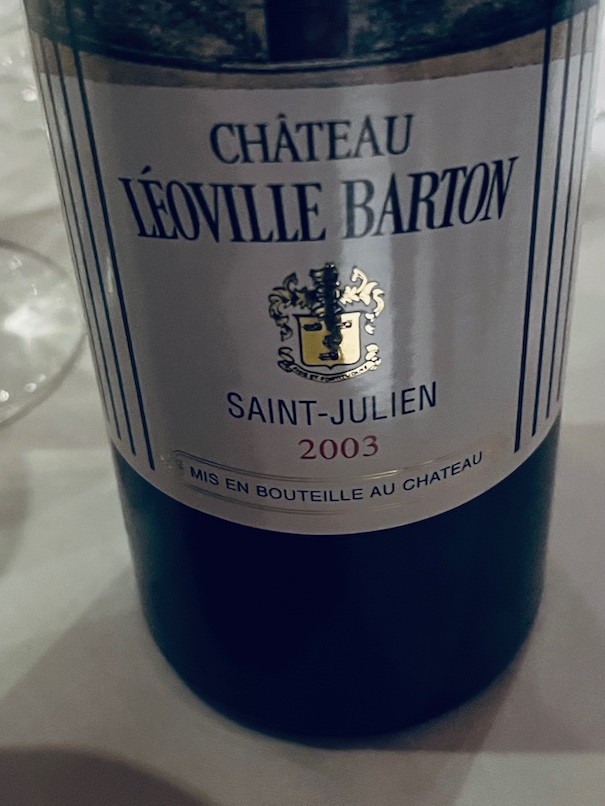
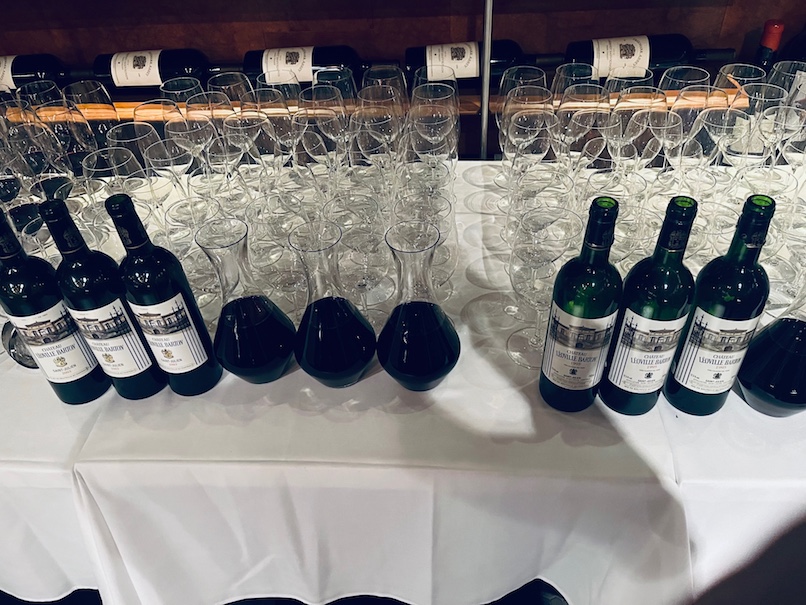
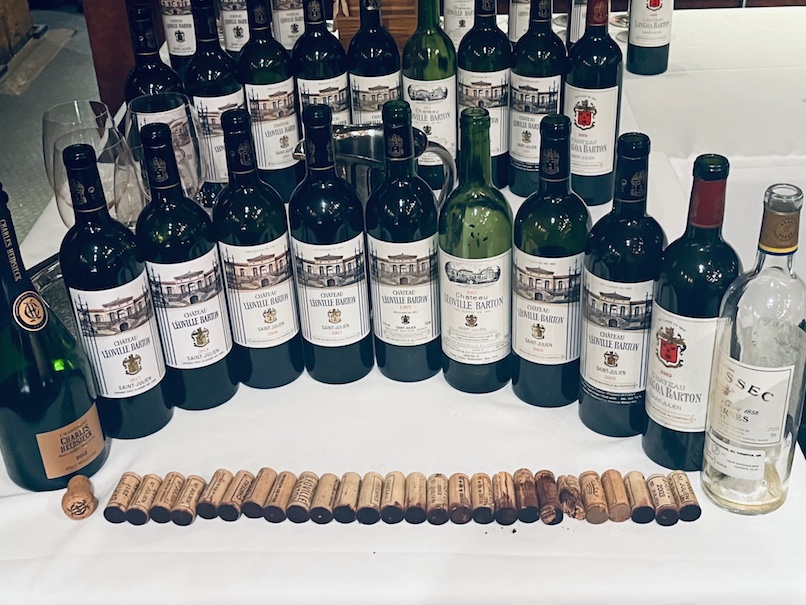
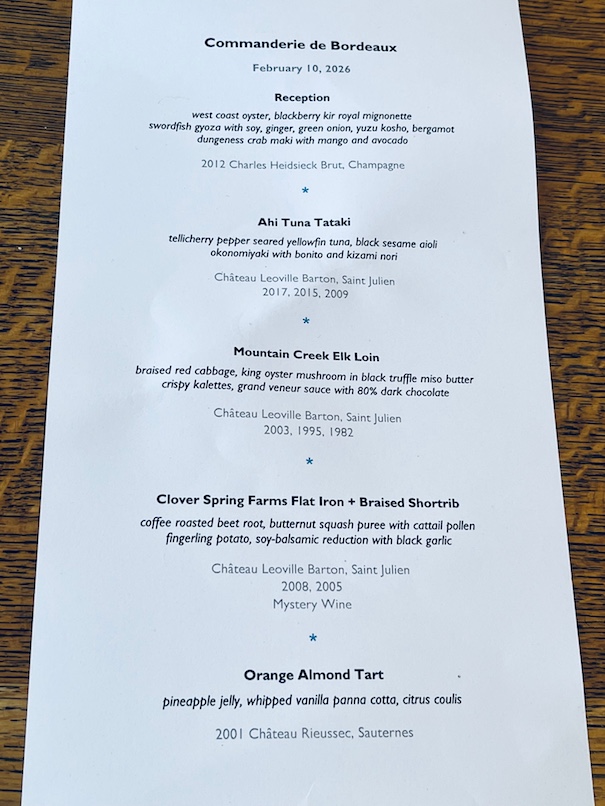
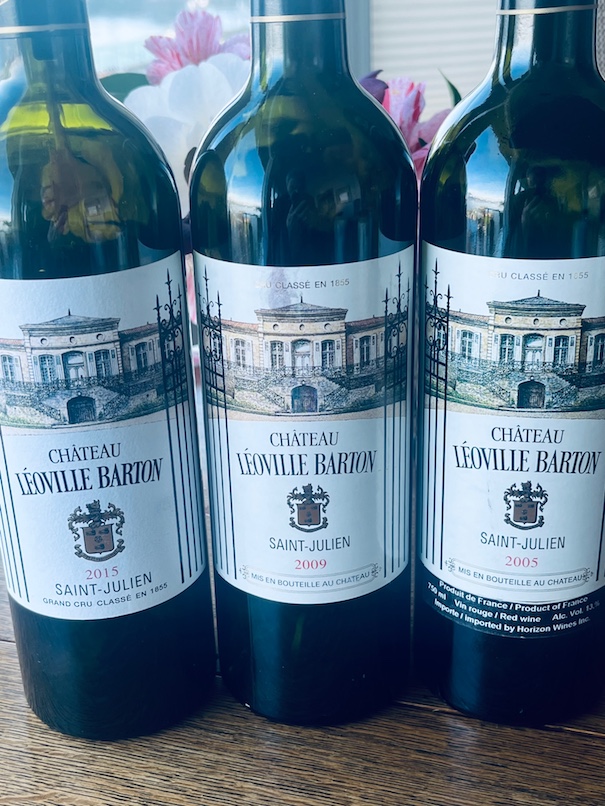
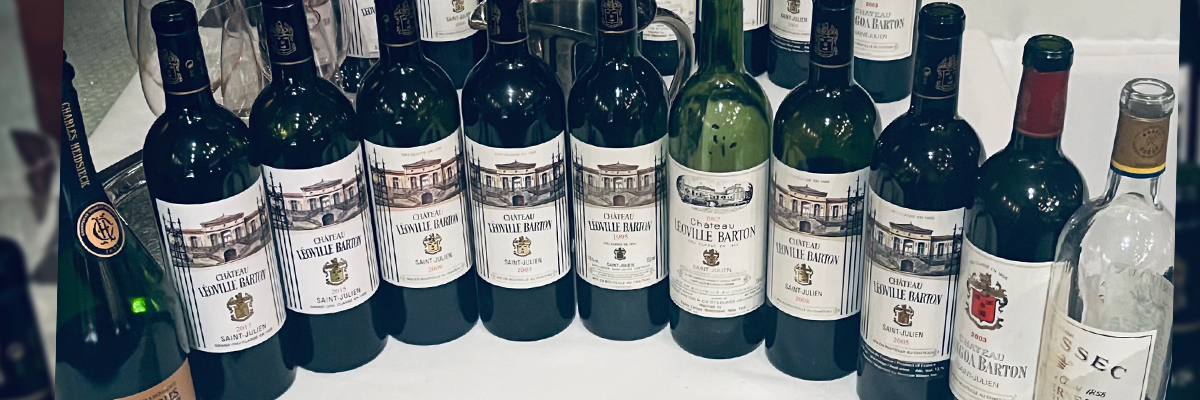
Chateau Leoville Barton Saint-Julien is a popular red Bordeaux that has consistently offered excellent quality for its price over the years. Accordingly, many of us here in British Columbia have collected and admired it. Different vintages of this wine have been referenced many times on this Blog including a recent vertical tasting by our Group of Eight on September 23, 2025, which was posted here on October 7. A second vertical of Chateau Leoville Barton was held by the Vancouver Commanderie de Bordeaux at Blue Water Cafe on February 10, 2026, featuring different vintages, but including three identical ones: 2003, 1995, and 1982. All the wines for the first tasting came from the same local source acquired on initial release and kept unmoved in cool storage. In contrast, the wines for the second tasting were recently sourced from warmer locations, assembled, and then moved to Vancouver. The difference was clearly noticeable to your scribe: the first tasting trio was darker, deeper, and slower aging than the second trio, which was more open approachable and mature – actually a good thing. Interestingly, the 1982 vintage showed better this time. Unfortunately one of my favs the classic 2000 was not present at either vertical. The first tasting had only one bottle of each vintage, and the second had three. All bottles were sound, though they varied. This just shows the inevitable bottle variation that always exists when consuming older wines. Be open-minded about how your old bottle is actually showing at this specific point.

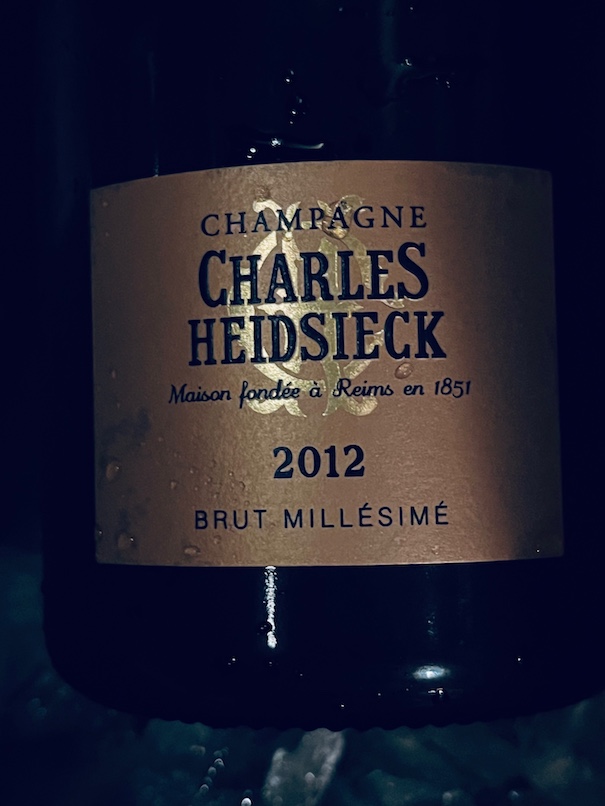
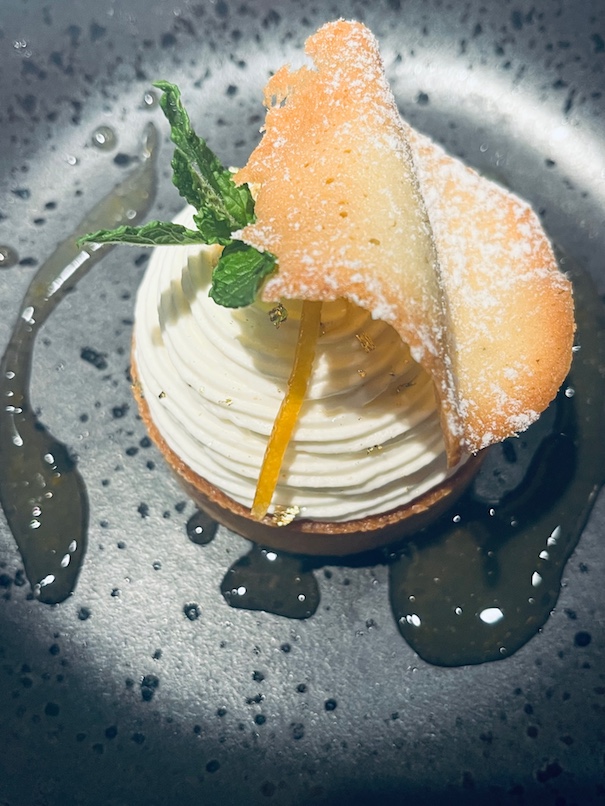
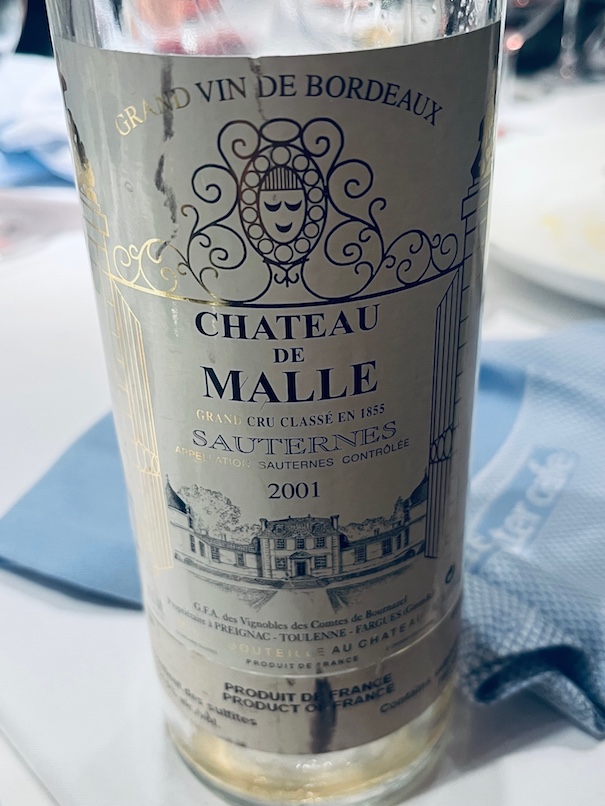
Some excellent hors d’oeuvre of sweet Dungeness crab, swordfish gyoza and fresh briny Kusshi oysters paired well with the aperitif: 2012 CHARLES HEIDSIECK VINTAGE BRUT, composed of 60% Pinot Noir & 40% Chardonnay disgorged in 2021 after 8+ years on the lees. Admired the fresh crisply balanced yet creamy and toasty concentration of these bubbles. It has rich flavours and is drinking beautifully now, but it should easily remain on this beautiful plateau of enjoyment for at least another 10+ years. We finished with two Sauternes from the exceptional 2001 vintage showing distinctively different stylings. CHATEAU RIEUSSEC 2001 has deep gold rich full noble rot botrytis with intense complex concentration compared to the lighter, clean, elegant, forward CHATEAU DE MALLE 2001 bonus treat. Both matched the dessert’s notes of orange, almond, citrus, and pineapple.

Nine red wines across three flights, each with three vintages, with brief impressions:

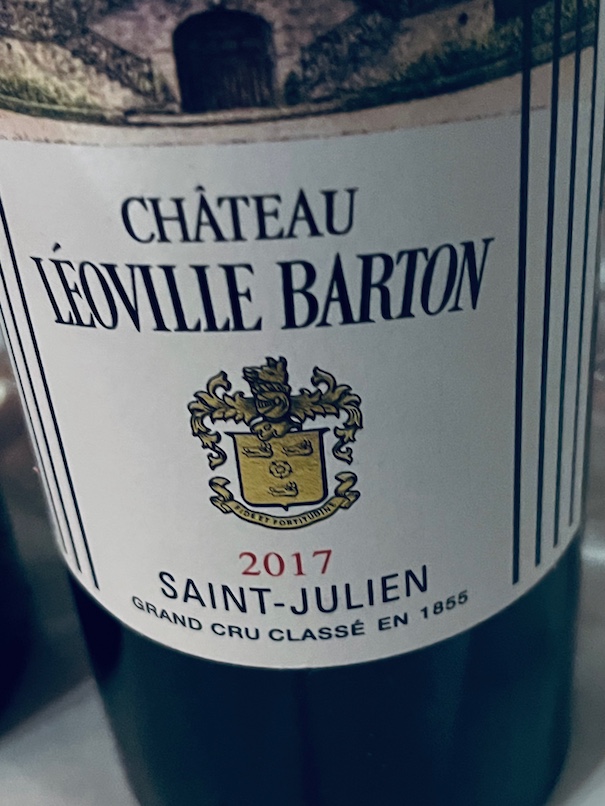
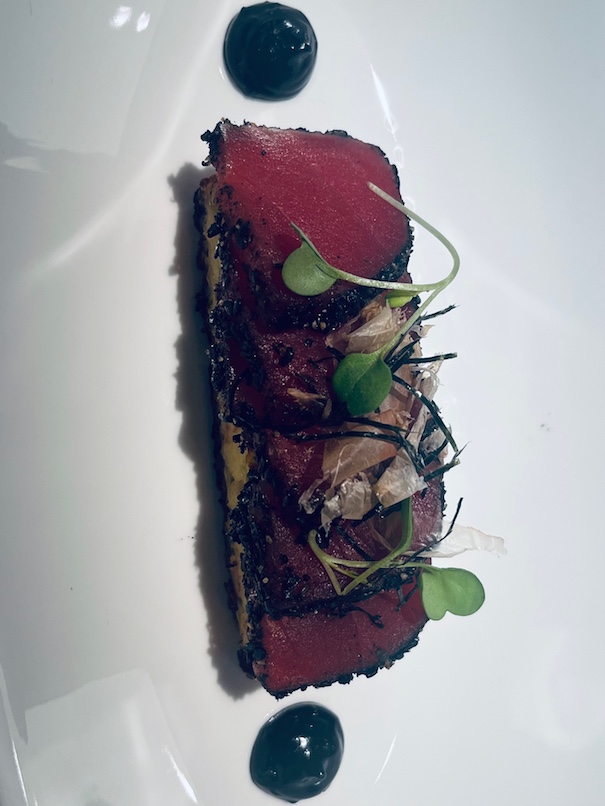
2017 CHATEAU LEOVILLE BARTON SAINT-JULIEN: This 51 hectare Estate grows 74% Cabernet Sauvignon, 23% Merlot, and 3% Cabernet Franc. However, the 2017 blend used a very high 93% Cabernet Sauvignon & 7% Merlot (September rains affected the Merlot & Cabernet Franc), resulting in a deep, young Cabernet Sauvignon statement. However, it is less powerful than expected showing the finesse of the 2017 vintage well. Blair Curtis commented on this first flight that it has “a good open nose with a mix of red and black fruits but not the stamina for long aging.” Nick Wright really liked this vintage,” noting the nice definition provided by the high Cabernet Sauvignon.” Best younger vintage with the tasty tuna starter.

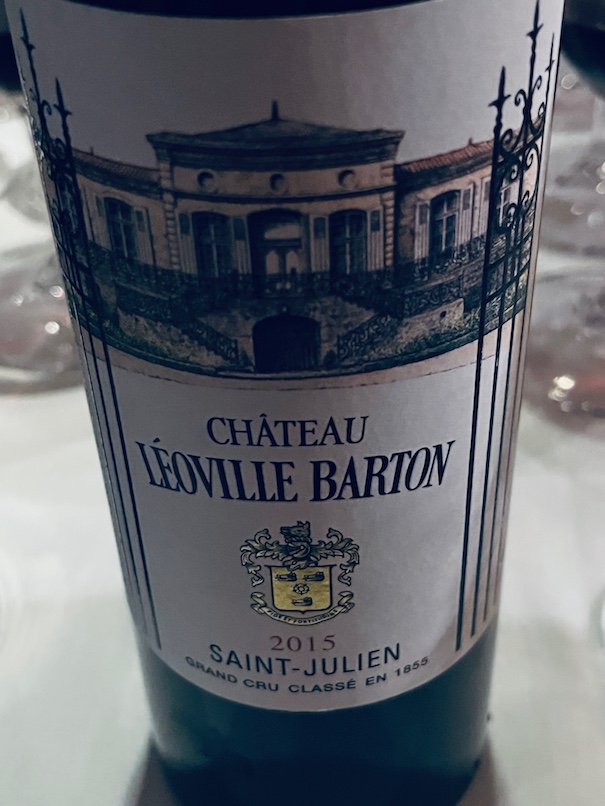
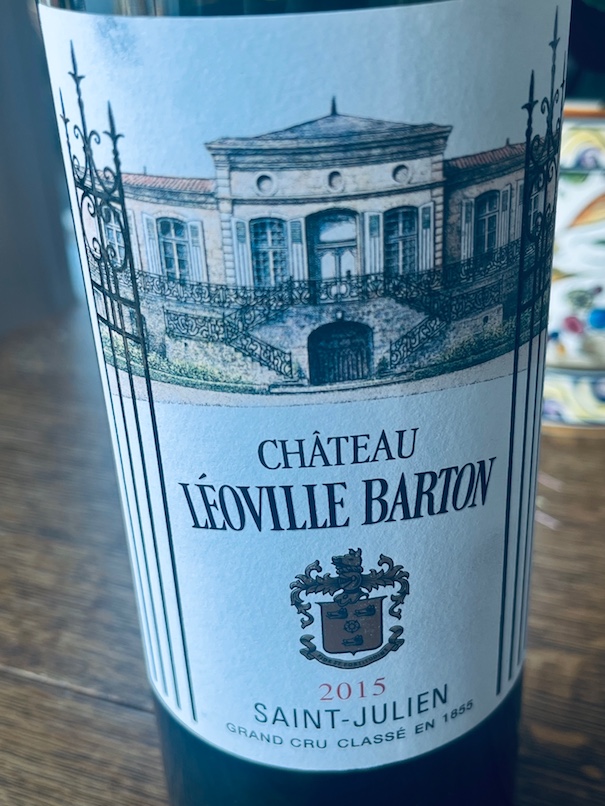
2015 CHATEAU LEOVILLE BARTON SAINT-JULIEN: 86% CS & 14% Merlot; Again, no Cab Franc in the blend with 60% new oak at only 13 ABV. Darker, deeper, riper, bigger cassis dense fruit with prominent tannins, characteristic of 2015. Patience is needed. Blair found “minerals and metallic notes, but not unpleasant with raspberries and dry, firm, finishing tannins.”

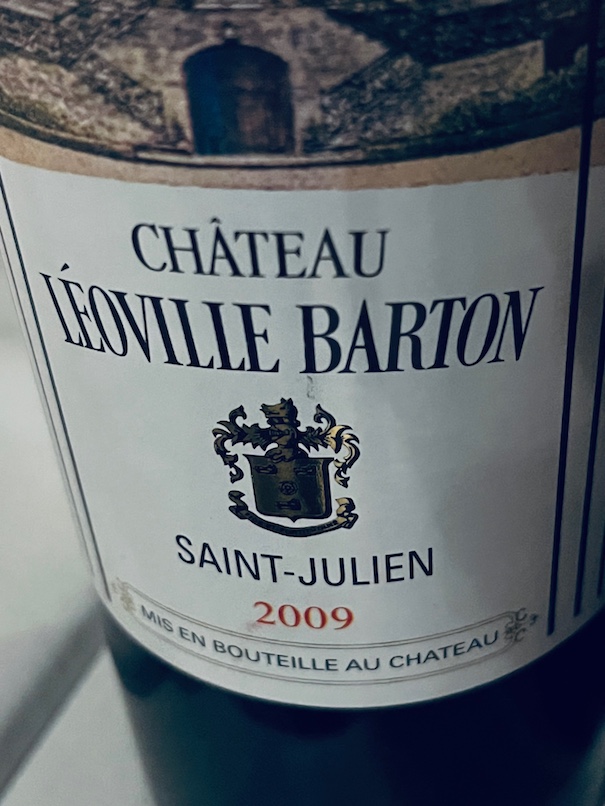
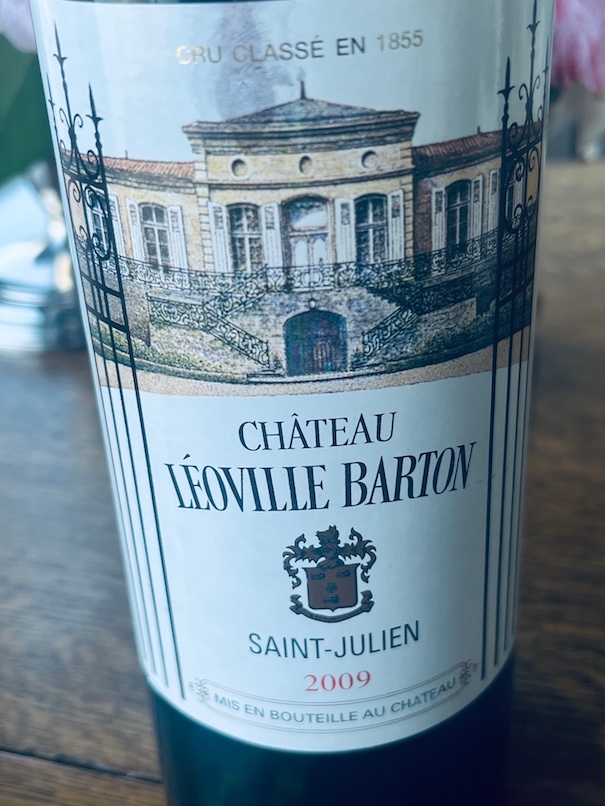
2009 CHATEAU LEOVILLE BARTON SAINT-JULIEN: 77CS/22M/1CF with 60% new oak at 13 ABV. A stand-out from the start as Wine Enthusiast #3 in Top 100 of 2012. Like the St. Julien’s definition, but it shows more Merlot than the last two wines. Starting to show some tertiary bouquet development of juicy plums & black currants with cedar notes. Blair said, “Less Cab Sauv, but the biggest and ripest tannins are integrating.” Fred Withers liked this vintage. Group favourite.

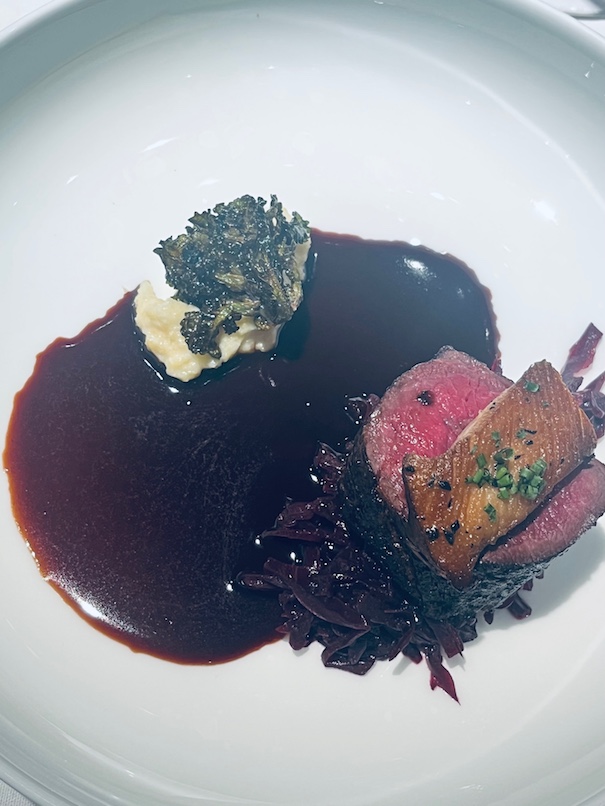
2003 CHATEAU LEOVILLE BARTON SAINT-JULIEN: Hot year of 74CS/23M/3CF harvested September 11-22 using 70% new oak. Lovely drinking now but much lighter than the October 2025 bottle. It doesn’t seem as big, ripe, or youthful here. Nick Wright found “a sweet spot drinking well.” Great with the unique 80% dark chocolate sauce on the Elk course.

1995 CHATEAU LEOVILLE BARTON SAINT-JULIEN: 78CS/19M/3CF harvested September 19-28 at 12.5 ABV. It is aging way slower than the 2003 vintage, but it is more open and forward than the bottle showing in October 2025. Textbook older Leoville Barton. This tasting seems less conducive to slow potential, as it shows lighter in development and matures faster due to storage, though flight commentator Bill Sirett smartly stated, “It needs time.”

1982 CHATEAU LEOVILLE BARTON SAINT-JULIEN: 72CS/20M/8CF with no new oak used. Often “rustic” but sweet soft ready very mature bottles were here, varying somewhat. Not as successful as many 1982 St. Julien’s properties, including recent tastings of Leoville Las Cases, Gruaud-Larose, Talbot, Beychevelle, and Branaire Ducru, all shone much brighter. I wish we had the 1986 tonight because it showed brilliantly in October 2025 and this underrated, concentrated, intense beauty is starting to reveal attractive charm as well.

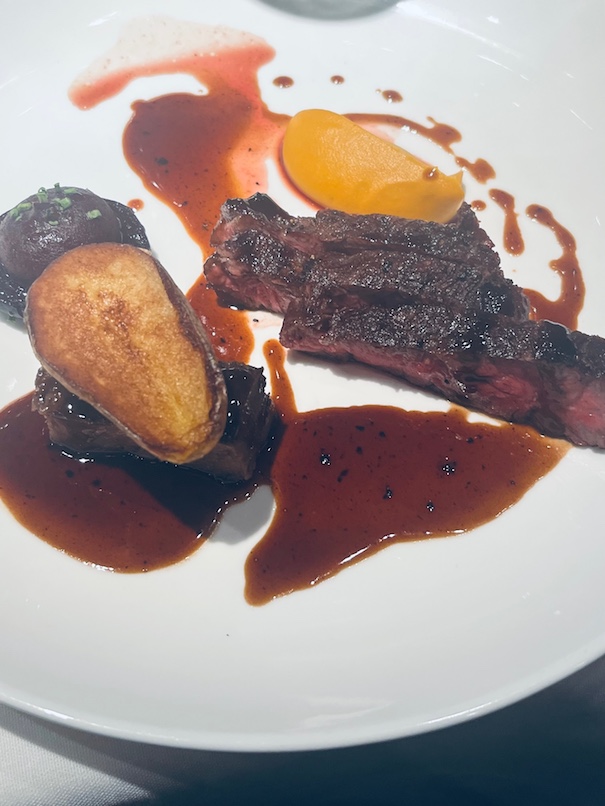
2008 CHATEAU LEOVILLE BARTON SAINT-JULIEN: The typical blend surprises better than expected, featuring stylish yet chateau trademark medicinal notes. Flight commentator Dr. Bob Rothwell found “graphite with the peppercorn cassis.” Like those flavours together with the Flat Iron & Shortrib main course.

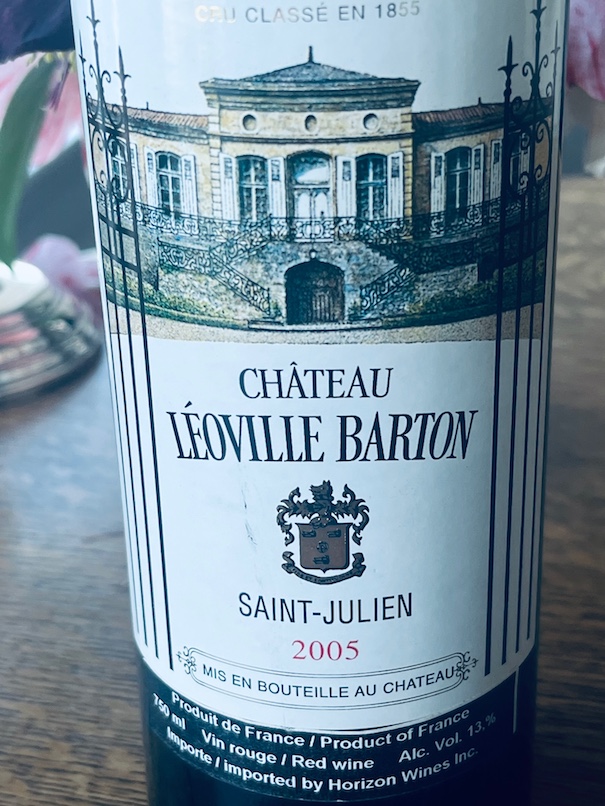
2005 CHATEAU LEOVILLE BARTON SAINT-JULIEN: Outstanding vintage, aged 50% in new oak, shows superb, balanced structure. Also admired for its intense richness, the elegant, delicate styling—which becomes more evident at 20 years of age—is still somewhat hidden. Really special and will age so well. My fav of the evening.

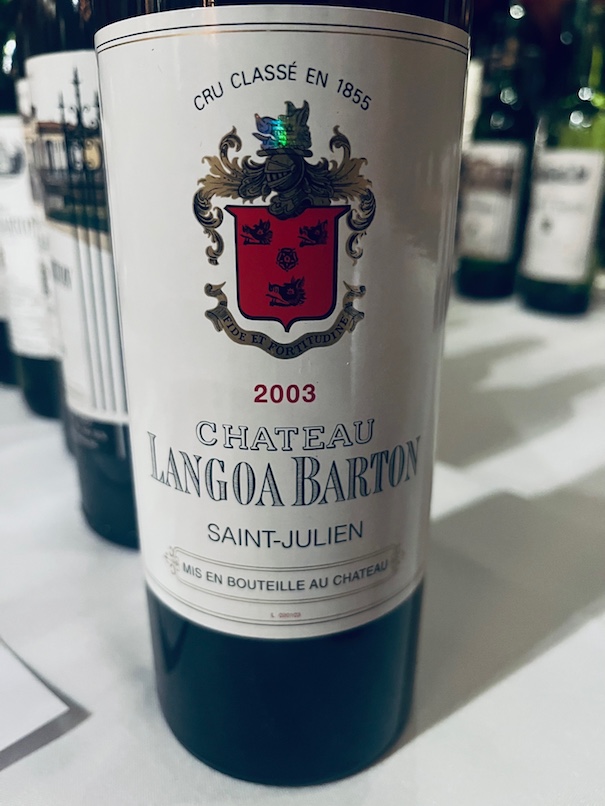
2003 CHATEAU LANGOA BARTON SAINT-JULIEN: Served double blind as a MYSTERY wine. There were many guesses, ranging from 2010 vintage to Chateau Leoville Poyferre but it seemed lighter, softer, older and mature. Not surprising really as this blend is ripe and forward, with the least 57CS/most 34M/most 9CF. Fun experience.


You might also like:

Ask Sid: Italian Cooking Award?

February 11th, 2026 by Joseph Temple
Ask your question here

Question: I heard Italy got an important cooking prize. What is it?

Answer: Italian Cooking recently received a Unesco (Cultural Agency of The United Nations) special cultural heritage status award. We all really seem to adore Italian food but they now recognize that Italian regional cuisine goes further than most as a “means of connecting with family and the community, whether at home, in schools, or through festivals, ceremonies and social gatherings.” Nice.

You might also like:
DOMINUS IS A STRUCTURED UNIQUE NAPA VALLEY CABERNET TREASURE

February 9th, 2026 by Joseph Temple

Dominus red wine is a cherished distinctive Napa Valley Cabernet treasure respected around the world. It wasn’t always so. Your scribe remembers spending 1977 vintage harvest days in Pomerol with Christian Moueix and Jean-Claude Berrouet. Learned so much from tasting the ripe grapes on the older vines at Trotanoy, tasting maturing Petrus, and our insightful conversations. They both were a fountain of wine knowledge and Christian reminisced about his studies at UC Davis and showed a keen interest in Napa Valley. This was the time of the 1976 Judgment of Paris for winning 1973 Stag’s Leap Wine Cellars Cabernet Sauvignon and other exciting wines from Napa including among others Heitz, Mayacamas, and Robert Mondavi Reserve 1974. So it was not surprising to me when in the early eighties they ventured into this emerging top quality wine region with the old Napanook Vineyard (back to the 1880s on the western hills near Yountville) which had proven itself by providing premium grapes from Bordeaux vine cuttings for Inglenook including their legendary 1941. However, Inglenook was Cabernet Sauvignon and Moueix merchants were Right Bank Merlot experts. In fact the first harvest 1982 was not released though backward tannic vintage 1983 (20% Merlot) was at around $40+ but after the more forwardly 1984 (25% Merlot) followed by the more successful elegant 1985. Somewhat controversial in the early days where The New Connoisseurs Handbook of California Wines (2nd Edition) reviewed the first 5 vintages of 1983-1987 stating: “Immense wines that are bold in curranty fruit, high in rich and creamy oak, and very tannic, they are among the leaders for intensity and drama. But in the early vintages, they also have been bothered by background earthy notes that raise troubling questions about how well they will hold up in the long run.” Such fond memories visiting with Christian at Dominus during this period where they were cutting the outside layer of the vine stems to reveal diseased budwood. Asked what they were doing and he replied “stopping GLD (Grapevine Leafroll Disease) that was limiting nutrients & water to the grapevine – and adding $5 labour costs to each bottle.” Showed the dedicated pursuit of high standards demonstrated here again and resulted in unqualified success for Dominus during the early nineties – especially 1991 and 1994.

We have been studying Dominus since the beginning here in Vancouver thanks mainly to the wine collecting skills and generous sharing by Ian Mottershead. He organized at his home on February 3, 2010 an 8 vintage double blind vertical of Dominus from 1992 to 2002 with 1997 & 1999 shining brightest but all seeming more like a St Estephe Cos d’ Estournel. Exactly sixteen years later on February 3, 2026 Ian organized another 8 vintages vertical (not blind) of Dominus for the Group of Eight #139 at Blue Water Cafe from 2017 back to 2001. Interestingly the two youngest wines last time of 2001 & 2002 were the oldest pair this time. The evening started off beautifully with an exquisite Langostino Lobster course  paired with 2008 DOM PÉRIGNON CHAMPAGNE Chef de Cave Legacy Edition Brut “celebrating the continuum from Richard Geoffrey, DP Chef de Cave for 28 years to his successor Vincent Chaperon. A shared vision of an exceptional vintage – long been restrained, but now finally appears, and is completely coherent. Its slender, minimalist, and athletic character now also expresses itself with warmth. The fruit is pronounced and clear. Its aromatic persistence is remarkably intense.” We found it had explosive tiny bubbles, fresh & vibrant though still young with lots of balancing acidity admired now but with a very bright aging future. We finished with 1968 KROHN PORTO COLHEITA Bottled in 2006 combining 36 years in wood as a tawny style plus 20 years in bottle like a vintage. Much fresher than expected with stylish dried fruits and charming hazelnut cardamom toffee.

The main event of Dominus with brief comments:

2017 DOMINUS: 88% Cab Sauv/7 Cab Franc/5 Petit Verdot harvest commenced September 21 for small crop of 2800 cases at 15 abv. Hot year with 112F on September 1. Rich concentration with structured power but more refined softer minty plummy Cabs than expected. Nose & flavour not as “Bordeaux” as Dominus showed in the earlier vertical that had more cassis, younger vines and less alcohol. Nick Wright commented on the “great eucalyptus nose”.

2010 DOMINUS: 95 CS & 5 PV (burnt CF not good enough to use) harvested later October 4-23 for 300 cases at 14.5 abv. First year of the optical scanner that helped use only top grape selection and starting in 2009 had more quality control converting from a vertical press to a horizontal one. Cooler wetter year though 107F at the end of August. Aromas are more open with sweet plums & cherries in a big high Cab Sauv statement with polished tannins. Jonathan Fenton felt “top Left Bank Bordeaux blends of high Cab Sauv are more elegant” but this shows quite lovely easy elegance compared to many really big powerful Napa Cabernets out there.

2008 DOMINUS: 83 CS/13CF/4PV harvested September 19 to October 3 for 4500 cases at 14.1 abv. In fact the last six vintages of this vertical are all at 14.1 so they didn’t have to pay more tax on the wine at higher alcohol. Similarly all the wines using about 40% new oak. Even ripening and high Cab Franc resulted in some lighter red fruits minerality with forward smooth softer tannins development in a rather Bordeaux styling. Fred Withers found it “more disappointing than other vintages”.

2006 DOMINUS: 91CS/6CF/3PV harvested October 2-26 with longer hang time for 6000 cases. Late vintage gave excellent phenolic ripeness with more depth than 2008. Like the supple round juicy black plums here with even a touch of the Petrus iron notes. Admire the savoury minty flavours delivered well balanced with a firm grip. Well done. Group fav with the 2010 and 2005 also with support. Matched with the new style duck pate 2006 was divine dining.

2005 DOMINUS: 92CS/5CF/3PV harvested September 29 to October 20 for higher 7000 cases. Cooler weather showed only one day over 100F on July 23 and just 23 days over 90F. Most Pauillac/St.Julien like of these especially the aromas and integrated acidity. Ian remarked “good bouquet!”. Yes lovely dried mint fullness reminiscent of a good vintage of Lynch Bages. Ian & your scribe were delighted with this vintage as a treasure.

2003 DOMINUS: 88CS/7CF/5PV harvested October 3 to November 2 (longest hang time) for 5600 cases. 7 days over 100F but a great weather October ripening month. Special note on the bottle celebrating their 20th year. Probably the most open fragrant vintage tried tonight. Beautiful raspberry black tea fruit with violets are impressive. On a delicious plateau paired with Wagyu beef accompaniment.

2002 DOMINUS: 85CS/8CF/4PV/3Merlot – last vintage that Merlot was used in the blend! Crop picked September 9 to October 16 with no excessive temperatures for 5000 cases. Spicy with cinnamon but quite delicate. Much more together and attractive than 16 years ago when it seemed young and lighter. Now more together, balanced and in harmony. Delicious.

2001 DOMINUS: 81CS/10CF/5PV/4Merlot harvested September 15 to October 13 for 7000 cases (tie with 2005). Hot year but with less rain and a cooler September influenced the style. Jon Ellison liked “the aged development of this 2001”. More development over 16 years was good thing for 2001 too. Lovely full silky textures show wonderful softer maturity with a touch of medicinal notes plus cloves. Rather exotic flavours on the palate. Dominus at 25 years is not quite developing with the complexity of say 2000 vintage in Bordeaux where top Left Bank Chateaux now have distinctive classy bouquets. Nonetheless the full balanced flavours of Dominus are outstanding indeed. Probably need to taste now legendary vintages of 1991 or 1994 to get that bouquet complexity – or admire the still evolving younger ones and wait for them to age further with 2013, 2015, 2016, 2018 and later ones all are continuing beauties. Congrats to Christian, his son Edouard and the whole talented Dominus team. Many thanks for producing such unique quality wine treasures. Appreciated.


You might also like:
 

Older Entries
The object of the Society is to bring together and serve all who believe that a right understanding of good food and wine is an essential part of personal contentment and health and that an intelligent approach to the pleasures and problems of the table offers far greater rewards than the mere satisfaction of appetite.
Andre Simon Wine & Food Society Founder (1933)
© 2026 The International Wine & Food Society (IW&FS) IW&FS
Credits | Privacy | Accessibility