menu
Member Sign In
  • IWFS Homepage
  • Blog Home
  • Forums Home
  • Global Forum
  • Contact Us
Close
  • IWFS Homepage
  • Blog Home
  • Forums Home
  • Global Forum
  • Contact Us
    Member Sign In
  • Blog Home
  • Forum Home
  • Global Forum

Follow Us

Recent Posts

  • Ask Sid: What is the new grape being used in Amarone?
  • OUR 2002 RED BURGUNDY HORIZONTAL IS AGING WELL, SHOWCASING REFINED PRECISION WITH TERROIR-DRIVEN CHARM
  • Ask Sid: Thoughts of Sid Cross on the Judgement of Paris historic wine tasting at the 50th Anniversary?
  • EDUCATIONAL #AUSSIEWINE SEMINAR “CLASSIC AND CONTEMPORARY AUSTRALIA” BY KNOWLEDGEABLE MARK DAVIDSON WAS A BIG HIT AT @VANWINEFEST
  • Ask Sid: Was it 50 years since California bested France in a Paris wine tasting?

Archives

  • April 2026
  • March 2026
  • February 2026
  • January 2026
  • December 2025
  • November 2025
  • October 2025
  • September 2025
  • August 2025
  • July 2025
  • June 2025
  • May 2025
  • April 2025
  • March 2025
  • February 2025
  • January 2025
  • December 2024
  • November 2024
  • October 2024
  • September 2024
  • August 2024
  • July 2024
  • June 2024
  • May 2024
  • April 2024
  • March 2024
  • February 2024
  • January 2024
  • December 2023
  • November 2023
  • October 2023
  • September 2023
  • August 2023
  • July 2023
  • June 2023
  • May 2023
  • April 2023
  • March 2023
  • February 2023
  • January 2023
  • December 2022
  • November 2022
  • October 2022
  • September 2022
  • August 2022
  • July 2022
  • June 2022
  • May 2022
  • April 2022
  • March 2022
  • February 2022
  • January 2022
  • December 2021
  • November 2021
  • October 2021
  • September 2021
  • August 2021
  • July 2021
  • June 2021
  • May 2021
  • April 2021
  • March 2021
  • February 2021
  • January 2021
  • December 2020
  • November 2020
  • October 2020
  • September 2020
  • August 2020
  • July 2020
  • June 2020
  • May 2020
  • April 2020
  • March 2020
  • February 2020
  • January 2020
  • December 2019
  • November 2019
  • October 2019
  • September 2019
  • August 2019
  • July 2019
  • June 2019
  • May 2019
  • April 2019
  • March 2019
  • February 2019
  • January 2019
  • December 2018
  • November 2018
  • October 2018
  • September 2018
  • August 2018
  • July 2018
  • June 2018
  • May 2018
  • April 2018
  • March 2018
  • February 2018
  • January 2018
  • December 2017
  • November 2017
  • October 2017
  • September 2017
  • August 2017
  • July 2017
  • June 2017
  • May 2017
  • April 2017
  • March 2017
  • February 2017
  • January 2017
  • December 2016
  • November 2016
  • October 2016
  • September 2016
  • August 2016
  • July 2016
  • June 2016
  • May 2016
  • April 2016
  • March 2016
  • February 2016
  • January 2016
  • December 2015
  • November 2015
  • October 2015
  • September 2015
  • August 2015
  • July 2015
  • June 2015
  • May 2015
  • April 2015
  • March 2015
  • February 2015
  • January 2015
  • December 2014
  • November 2014
  • October 2014
  • September 2014
  • August 2014
  • July 2014
  • June 2014
  • May 2014
  • April 2014
  • March 2014
  • February 2014
  • January 2014
  • December 2013
  • November 2013
  • October 2013
  • September 2013
  • August 2013
  • July 2013
  • June 2013

Meta

  • Log in
  • Entries feed
  • Comments feed
  • WordPress.org

Archive for the ‘Uncategorized’ Category

Older Entries
Newer Entries

Ask Sid: How is Rosé wine made?

July 6th, 2016 by Joseph Temple
Ask your question here

Ask Sid: How is Rosé wine made?

Question: A follow up from last week’s question Sid. How is Rosé wine made?

Answer: A variety of methods can be employed including these 4 main ones:

1. MACERATION on the skins to obtain colour for the pale grape juice. Once the shade desired is reached it is taken off the skins and transferred to another tank.

2. SAIGNEE usually results from natural crushing from the weight of the grapes in the tank “bleeding” off the resulting juice only with limited skin exposure. A good method but sometimes difficult to control the final colour.

3. PRESS in a slow controlled way to get your initial colour but not usually the best method for utilization of all the juice available in the grapes.

4. MIX of white and red juice or wine is easy to control but more difficult to produce a delicate charming Rosé.


You might also like:

Are you a fan of Rosé?

View Results

Loading ... Loading ...

Caymus Cabernet Sauvignon Vertical

July 4th, 2016 by Sid Cross

Caymus Cabernet Sauvignon Vertical

I first visited Caymus (www.caymus.com) in October 1974 when this then small Napa Valley winery had just produced their first vintage of 1972 cabernet sauvignon totalling 240 cases. It is still owned by the Wagner family but now has increased to 65,000 cases. Beginning in 1975 they chose their best barrels for a Special Selection label – not always produced every year with no 1977, 1993, and 1996 in those difficult years. Got to know founder-pioneer Charlie Wagner rather well with many subsequent visits while watching his young son Chuck grow up on the Rutherford farmland & gradually take over with valuable training until 1984 from winemaker Randy Dunn (of Dunn Vineyards). Remember the days when Charlie served and defended his first stuck fermentation Chardonnay with sweet residual sugar as “Alsace-like” and certainly a far cry from their now successful brand Mer Soleil vineyard in Monterey!

Enjoyed tasting and collecting many of their cabs over the years and they have evolved from an all Estate vineyard early on to now using about 1/3 own vineyards, 1/3 leased and 1/3 purchased grapes. The cabernets have changed to put an emphasis on using more youthful vines for a robust ripe smooth textured supple earlier drinking opulent style. Chuck and his crew still sit down every year to taste all the lots blind to determine what goes into the Special Selection – all had been 100% cab sauv until 2008 when 12% merlot was used to soften the final blend. Last week a special tasting-dinner spotlighted a vertical of Caymus regular Napa Valley cabs and here are some of my short impressions:

1990 Caymus: 13 alcohol with 19 months in French & American oak. Browning look with mature open tobacco bouquet. Ready with more full smooth prunes and a little finishing heat. Drink up.

1991 Caymus: 13 alcohol with 26 months in French & American oak. Deeper younger more stylish cooler fruit with elegance and delicious complexity of flavours. Well done!

1992 Caymus: 12.5 with 24 months French & American. Dark but seems drier with less ripeness and more earthy herbal olives in the flavour.

1993 Caymus: 12.5 with longer time in wood of 28 months French & American. 85.5% CS, 12.6 CF & 1.9 St. Macaire (a tannic grape named after town in SW France & on the first list of allowed Meritage grapes). No Special Selection this year but regular is lean and drying out begging for some food accompaniment.

1994 Caymus: 12.5 with 94% CS & 6% CF (from Oakville). CS was from different vineyards with 27.4% from Rutherford, 34.7 St. Helena, 22 Atlas Peak, and 9.9 Mt. Veeder. Shows ripeness of the year well holding the fruit on a lovely stylish wonderful drinking plateau. Impressive.

1995 Caymus: 13.9 with 83% CS & 17 CF. Mix of vineyards again with Rutherford 35.8, St. Helena 46.6, Atlas Peak 9, and Mt. Veeder 8.6. Bigger first one in more modern style with more alcohol and a preview to the future of bigger extraction after 2000. Lots of spicy cocoa there. Less elegant.

1996 Caymus: 14.2 with 87 CS, 6CF & 7 Merlot. No Special Selection made. Vineyards: Rutherford up to 51.6, St. Helena dropped to 28.61, Atlas Peak 11.33, Mt. Veeder 8.46. Seems more Robert Parker influenced. Some merlot in the mix.

1997 Caymus: 14.3 with 88 CS, 10 M, 2 CF. Similar vineyard mix of Rutherford 52.15, St. Helena 25.95, Atlas Peak 15.84, and Mt. Veeder 6.06. Hot May temperatures averaging 92F resulted in a very ripe intense vintage still full of fruit.

1998 Caymus: 14.3 with all the fruit from a big harvest picked in October. Surprisingly the back label says that the sugars in 98 were higher than 97. Shows more acidity with some vibrancy and is aging well. This leaner unheralded vintage seems to show better every time I try it. Maybe Robert Mondavi was right about the underrated balance of the year!

1999 Caymus: 14.3 crop thinned & picked end of September with Caymus experiencing their ripest year yet.  Recently had their excellent 99 Special Selection so came in with expectations for the regular as well and was not disappointed. Rich full impressive with a seductive character!

2000 Caymus: 14.3 with first picking starting early on September 9. Extended harvest over 49 days with crushing taking place on 23 of those days. Also noted the 20 months in 2/3 new French oak.

2014 Caymus Special Selection: 14.8 riper and not a single vineyard but a mix of 60-70 diverse lots from riper Calistoga floor fruit to late ripening Atlas Peak vineyards. Good extracted dark cassis fruit with vanilla shows richness and smooth opulence for earlier enjoyment.

2012 Caymus Special Selection: 14.8 has two extra years to knit all the elements together. Shows delicious drinking now but will be interesting to see how this vintage & the 2014 cellar. Makes such an amazing ripe fruit voluptuous statement already that it is hard to believe they need to improve before you can justify opening the bottle.


You might also like:

Have you tried any wines from Caymus?

View Results

Loading ... Loading ...

Blueprint for success?

July 1st, 2016 by Joseph Temple

Blue wine popularity

By Joseph Temple

It’s summertime—the sky is blue, the ocean is blue—and perhaps your next glass of wine too! That’s because blue colored wine, one of Spain’s hottest exports is set to appear in restaurants and wine shops across North America, replacing rosé as the “in” drink for summer. And to compliment this new hip libation is a slick advertising campaign that equates buying this alternative product with an act of revolutionary defiance against the older generations. According to its maker, it “is not just about drinking blue wine; you are drinking innovation. You are drinking creation. You are breaking the rules and creating your own ones.”

For connoisseurs who adhere to the gold standard of Bordeaux and Burgundy, blue wine will probably be seen as an abomination, on par with drinking coolers and boxed wine. Based on its “anti-technical sheet,” there is no aging procedure while the red and white grapes (which aren’t named) come from an “innovative mindset, respecting both the environment and our aim to disrupt.” Traditionalists have been warned!

Now if you’re wondering how it got to be blue, the creators trace its origins back to the University of Basque Country in Northern Spain where two years of in depth research gave birth to this unique beverage. Made through a pigmentation process, the company’s website states: “Firstly a base is created from a mixture of white and red grapes, which is then added to two organic pigments: indigo and anthocyanin –the first one proceeds from the very skin of the grapes used to make wine.”

Judging by a social media presence consisting of young hipsters sipping poolside accompanied by the hashtag #BlueWine, it’s clear that Millennials, a group that consumed 42% of all wine purchased in the U.S. in 2015, is the main target market for blue wine once it arrives in America en masse. Not a bad strategy since according to one study, 85% of this coveted demographic are more likely to try unfamiliar brands from lesser-known wineries. Add in a friendly price tag with a creative label and you definitely have a wine that is sure to catch one’s eye.

However, what is fascinating from a marketing standpoint are several incendiary statements that blue winemakers have made to the media.   “We thought about how it would be to have real people making wine for real people, not a wine made by experts to pseudo-connoisseurs,” said one of the co-founders to Eater.com. “Ignore all the preconceptions and standards regarding [the] wine industry and turn a deaf ear to what the sommelier told you in the wine tasting last week,” according to the anti technical sheet. Judging by these quotes, it is almost as if blue wine is trying to bait the establishment. But since Millennials are far less likely to purchase a bottle based on the score of a prominent critic, there definitely seems to be a method to this madness. It’s not going to help the sales of blue wine if the likes of Robert Parker and the Wine Spectator embrace them; it’s only going to help if they rebel against them, wearing their condemnation as a badge of honor.

Sound like a blueprint for success?

#bluewine twitter instagram
Examples of social media postings using #BlueWine


You might also like:

What do you think of blue wine?

View Results

Loading ... Loading ...

Ask Sid: Difference between rose, pink and blush wines?

June 29th, 2016 by Joseph Temple
Ask your question here

Ask Sid: Difference between rose, pink and blush wines?

Question: I am confused by wines being called rose, pink and blush. What is the difference?

Answer: It is confusing! As a long time Champagne lover I understood rose to mean a sparkler showing various shades of pink produced from either a little time spent on the dark skins of the grapes or with some red pinot noir wine later added to the clear juice. There were also those special still roses from Provence including Tavel AOC & Anjou in the Loire as well as rosato from Italy and rosado from Portugal. Sweeter styled Mateus became a big seller in the seventies along with the commercial pink “white Zinfandel”. As more red grape varieties were being used for still roses around the world the name evolved to include blush for those showing less red colour. Hard to know by the use of the name alone which wines are going to taste dry or sweet. Now it is all rather confusing and the three words you mention seem to be used interchangeably.


You might also like:

Did you know the difference between rose, pink and blush?

View Results

Loading ... Loading ...

2nd Annual Judgment of BC Wines: Riesling & Pinot Noir

June 27th, 2016 by Sid Cross

BC Riesling and Pinot Noir

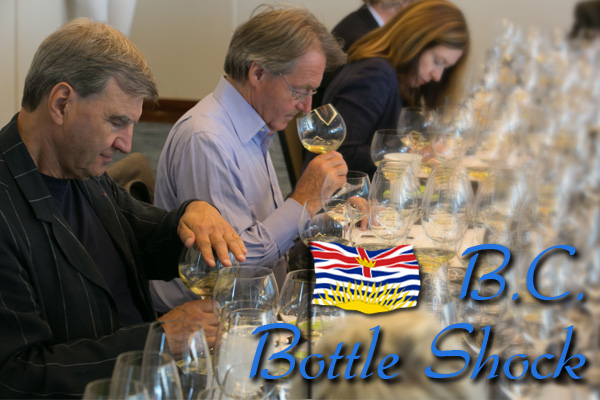
I enjoyed last week in Summerland participating with some 30 other “pros” in The Second Annual Judgment of BC Wine blind tasting to see how British Columbia wines are stacking up to comparable values around the World. British wine critic Dr. Jamie Goode, and American wine writer Elaine Chukan-Brown currently the American Specialist for JancisRobinson.com and a contributing writer for Wine & Spirits, scored the wines along with 29 expert Canadian wine judges You may recall the first one was written up August 31, 2015 on this Blog as BC Bottle Shock with Steven Spurrier where Chardonnay disappointed but Syrah triumphed with CC Jentsch 2013 ranked #1. This time the choices were Riesling and Pinot Noir again curated by wine educator DJ Kearney (@djwines) and Wines of British Columbia (@WineBCdotcom; www.winebc.com) pitting 6 BC wines against 6 acknowledged global benchmarks for both grape varieties. The goal of these tastings is to honestly assess the current state of grapegrowing and winemaking in BC in order to provide a clear perspective of the distinct characteristics of British Columbia wine in relation to global standards, and to achieve a focused vision for the continued evolution of the BC Wine Industry.

The Press Release issued on the event included these comments:

“I am so pleased with the results. This is not about win or lose, good or better. This is about putting BC Wines up against really stiff competition and what great results.” noted DJ Kearney curator of the event. “The global wines were all chosen for a reason to challenge, to push, and to help us realize that we are in great company. This should be a tough competitive set, and it was. It had to be. And BC did well. What this shows is that we can hold our own among acknowledged classics.”

“What was really interesting when I tasted through those 12 wines blind, I couldn’t pick out the BC Wines which tells me they belong in their peer group which is a ringing endorsement for BC Wine that we’re on the right track,” noted Dr. Jamie Goode. “I think BC Riesling really put in a strong performance. The key aspect was the purity and beautifully integrated acidity in these wines. I thought it was a well chosen set of wines, if I saw the lineup before tasting, I wouldn’t have expected to see the BC Wines do so well. I was pleasantly surprised with the results.”

“I was pleased we were doing a tasting with Pinot Noir and Riesling, they are two varieties that BC is doing very well and they should be celebrated.” said Sid Cross. “I thought the results were very pleasing to see BC Pinot Noir right in the midst of the pack. The top three Pinot Noirs are classic wines from the top recognized regions in the world for Pinot Noir, a Premium Cru from Burgundy, Oregon and Central Otago. To come in right behind those wines shows that BC is right there for Pinot Noir. Very impressive.”

“BC showed very well. I was more interested in being able to identify BC characteristics within the wines. I was able to pick out five of the six Pinot Noirs and four of the six BC Rieslings. It had to do with the energy of the wines. The bright fruit energy presence. Not so much elegance, finesse and depth, more that upbeat intensity. And my first place Pinot Noir was a BC!” remarked David Lawrason.”

RIESLING RESULTS RANKING ORDER:

1. Max Ferd. Richter Graacher Himmelreich Riesling Kabinett 2013 | Mosel Valley, Germany | 9% $42.99 2. CedarCreek Platinum Block 3 Riesling 2014 | Okanagan Valley, BC | 12.2% | $22.99
3. Wild Goose Stoney Slope Riesling 2013 | Okanagan Falls, BC | 13.3% | $20
4. Chateau Ste. Michelle & Dr. Loosen Eroica Riesling 2013 | Columbia Valley AVA, Washington State | 12% | $29.49
5. Leeuwin Art Series Riesling 2012 | Margaret River, Australia | 12% | $42.49
6. Synchromesh Storm Haven Vineyard Riesling 2015 | Okanagan Falls, BC | 8.9% | $35
7. Culmina Decora Riesling 2015 | Okanagan Valley, BC | 13.5% | $26.99
8. Pewsey Vale Eden Valley Riesling 2014 | South Australia | 12% | $19.99
9. Robert Weil Kiedricher Riesling Trocken 2012 | Rheingau, Germany | 11.5% | $47.99
10. Tantalus Old Vines Riesling 2013 | Okanagan Valley, BC | 13.1% | $30.35
11. Orofino Hendsbee Vineyard Riesling 2013 | Similkameen Valley, BC | 12% | $22
12. Trimbach Riesling 2012 | Alsace, France | 12.5% | $35.99

Riesling is the 4th white variety by acreage planted (some like Tantalus Old Vines date from 1978) behind Pinot Gris, Chardonnay, and Gewurztraminer. Drier more backward wines seemed to get less votes than sweeter ones with Tantalus having very high quality but presently austere with vibrant high acidity hiding the underlying intense fruit from older vines. Give it a couple more years to integrate and it will show very well indeed. The Top Two were truly outstanding wines and deserving of their top ranking. Impressive showing to have two BC wines in the top three.

PINOT NOIR RESULTS RANKING ORDER:

1. Bouchard Père Premier Cru Beaune Clos de la Mousse Monopole 2012 | Burgundy, France | 13% | $66.99
2. Bachelder Oregon Pinot Noir 2012 | Willamette Valley AVA Oregon, USA | 14% | $49.99
3. Felton Road Bannockburn Pinot Noir 2014 | Central Otago, New Zealand | 14% | $67.99
4. Haywire Canyonview Pinot Noir 2014 | Summerland, Okanagan Valley, BC | 13% | $39.90
5. Meyer Family Reimer Vineyard Pinot Noir 2012 | Okanagan Valley, BC | 13.5% | $40
6. Quails’ Gate Richard’s Block Pinot Noir 2013 | Okanagan Valley, BC | 14% | $55.17
7. Blue Mountain Vineyard Reserve Pinot Noir 2013 | Okanagan Falls, BC | 12.5% | $39.90
8. Thibault Liger-Belair Bourgogne Les Grands Chaillots 2012 | Burgundy, France | 13% | $65.99
9. JoieFarm Reserve En Famille Pinot Noir 2012 | Naramata, Okanagan Valley, BC | 13.6% | $29.90
10. BK Wines Skin n’Bones Pinot Noir 2013 | Lenswood, Adelaide Hills, South Australia | 12.5% | $39.99
11. Moraine Pinot Noir 2013 | Naramata, Okanagan Valley, BC | 13.1% | $28.90
12. Meomi Pinot Noir 2014 | California, USA | 13.7% | $25.99

Pinot Noir is 2nd behind Merlot among the red varieties by acreage planted in BC. The Top 3 were all very worthy from the proven regions for the grape of Burgundy, Oregon and Central Otago in New Zealand followed closely by the BC wines solidly in 4, 5, 6, 7, and 8th positions. A top BC contender could have been the outstanding Foxtrot Vineyards but it was not shown in this tasting. Interesting to note that the style of the top commercial selling “very sweet” Meomi was not supported by these judges. Excellent future for pinot noir in British Columbia and the best is yet to come!


You might also like:

Have you tasted any of these wines?

View Results

Loading ... Loading ...
Older Entries
Newer Entries
The object of the Society is to bring together and serve all who believe that a right understanding of good food and wine is an essential part of personal contentment and health and that an intelligent approach to the pleasures and problems of the table offers far greater rewards than the mere satisfaction of appetite.
Andre Simon Wine & Food Society Founder (1933)
© 2026 The International Wine & Food Society (IW&FS) IW&FS
Credits | Privacy | Accessibility