menu
Member Sign In
  • IWFS Homepage
  • Blog Home
  • Forums Home
  • Global Forum
  • Contact Us
Close
  • IWFS Homepage
  • Blog Home
  • Forums Home
  • Global Forum
  • Contact Us
    Member Sign In
  • Blog Home
  • Forum Home
  • Global Forum

Follow Us

Recent Posts

  • Ask Sid: What is the new grape being used in Amarone?
  • OUR 2002 RED BURGUNDY HORIZONTAL IS AGING WELL, SHOWCASING REFINED PRECISION WITH TERROIR-DRIVEN CHARM
  • Ask Sid: Thoughts of Sid Cross on the Judgement of Paris historic wine tasting at the 50th Anniversary?
  • EDUCATIONAL #AUSSIEWINE SEMINAR “CLASSIC AND CONTEMPORARY AUSTRALIA” BY KNOWLEDGEABLE MARK DAVIDSON WAS A BIG HIT AT @VANWINEFEST
  • Ask Sid: Was it 50 years since California bested France in a Paris wine tasting?

Archives

  • April 2026
  • March 2026
  • February 2026
  • January 2026
  • December 2025
  • November 2025
  • October 2025
  • September 2025
  • August 2025
  • July 2025
  • June 2025
  • May 2025
  • April 2025
  • March 2025
  • February 2025
  • January 2025
  • December 2024
  • November 2024
  • October 2024
  • September 2024
  • August 2024
  • July 2024
  • June 2024
  • May 2024
  • April 2024
  • March 2024
  • February 2024
  • January 2024
  • December 2023
  • November 2023
  • October 2023
  • September 2023
  • August 2023
  • July 2023
  • June 2023
  • May 2023
  • April 2023
  • March 2023
  • February 2023
  • January 2023
  • December 2022
  • November 2022
  • October 2022
  • September 2022
  • August 2022
  • July 2022
  • June 2022
  • May 2022
  • April 2022
  • March 2022
  • February 2022
  • January 2022
  • December 2021
  • November 2021
  • October 2021
  • September 2021
  • August 2021
  • July 2021
  • June 2021
  • May 2021
  • April 2021
  • March 2021
  • February 2021
  • January 2021
  • December 2020
  • November 2020
  • October 2020
  • September 2020
  • August 2020
  • July 2020
  • June 2020
  • May 2020
  • April 2020
  • March 2020
  • February 2020
  • January 2020
  • December 2019
  • November 2019
  • October 2019
  • September 2019
  • August 2019
  • July 2019
  • June 2019
  • May 2019
  • April 2019
  • March 2019
  • February 2019
  • January 2019
  • December 2018
  • November 2018
  • October 2018
  • September 2018
  • August 2018
  • July 2018
  • June 2018
  • May 2018
  • April 2018
  • March 2018
  • February 2018
  • January 2018
  • December 2017
  • November 2017
  • October 2017
  • September 2017
  • August 2017
  • July 2017
  • June 2017
  • May 2017
  • April 2017
  • March 2017
  • February 2017
  • January 2017
  • December 2016
  • November 2016
  • October 2016
  • September 2016
  • August 2016
  • July 2016
  • June 2016
  • May 2016
  • April 2016
  • March 2016
  • February 2016
  • January 2016
  • December 2015
  • November 2015
  • October 2015
  • September 2015
  • August 2015
  • July 2015
  • June 2015
  • May 2015
  • April 2015
  • March 2015
  • February 2015
  • January 2015
  • December 2014
  • November 2014
  • October 2014
  • September 2014
  • August 2014
  • July 2014
  • June 2014
  • May 2014
  • April 2014
  • March 2014
  • February 2014
  • January 2014
  • December 2013
  • November 2013
  • October 2013
  • September 2013
  • August 2013
  • July 2013
  • June 2013

Meta

  • Log in
  • Entries feed
  • Comments feed
  • WordPress.org

Archive for the ‘Uncategorized’ Category

Older Entries
Newer Entries

10 Interesting Facts about Mexican Wine

January 20th, 2017 by Joseph Temple

Mexico wine history

By Joseph Temple

For a country known more for its tequila and cervezas, you may be surprised to learn that Mexico also has a rich history when it comes to winemaking. Dating back to the early 16th century when the first vines were planted in the New World, Mexican vintners have endured their fair share of peaks and valleys in order to produce some wines that have gained a very loyal following. And while their estimated annual output of 20 million liters is miniscule compared to their neighbors to the north, it appears that when it comes to quality, Mexico has clearly stepped up its game, moving beyond the watery grapes and poor vintages that were commonly associated with their nation. So to get you up to speed on the 25th largest wine producer in the world, here are ten interesting facts. Gracias!


Hernán Cortés and Mexican wine
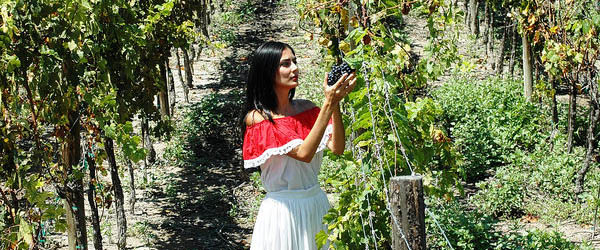
1. The first Mexican wines were produced in the early 1500s after Hernán Cortés and his fellow Spanish Conquistadors overthrew the Aztecs. Quickly going through their own supply, he ordered each colonist to plant a minimum of 1000 grapevines.
 

Casa Madero first winery in Mexico
2. Casa Madero, the first winery in the Americas was established in 1597 in the town of Santa Maria de las Parras and is still in existence to this day.

 

King Philip II Mexico wine
3. Surpassing Spanish wines in terms of quality while facing stiff competition from France, King Philip II in 1595 ordered that all production stop immediately. After this edict, only the Jesuits and other religious sects made wine on Mexican soil for sacramental purposes.
 

Molokans Mexico wine
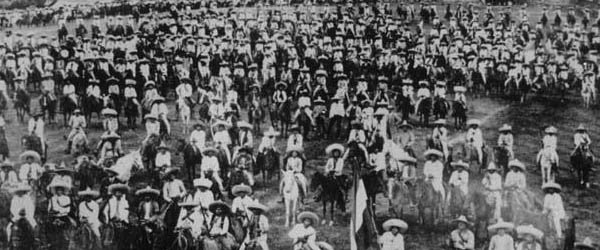
4. In the early 20th century, a group of pacifist immigrants from Russia known as the Molokans arrived in Mexico after escaping the Czar. With their knowledge of agriculture, they were able to revitalize the country’s wine industry in the Guadalupe Valley, which came to a halt during the Mexican Revolution.
 

Mexico’s National Viticulture Association
By Gabriel Flores Romero from Tecate, México (originally posted to Flickr as viñedos) [CC BY 2.0], via Wikimedia Commons

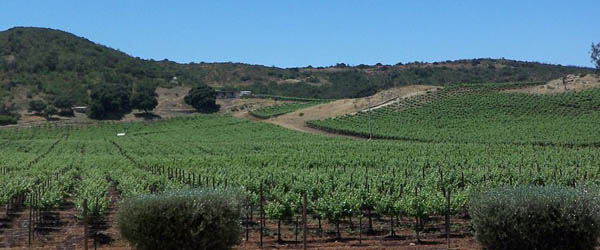
5. Serious attempts to make quality wines again began during the 1980s using modern techniques and backed by Mexico’s National Viticulture Association.
 

Mexico wine growing provinces and areas
By Marrovi (Own work) [CC-BY-SA-3.0 or GFDL], via Wikimedia Commons

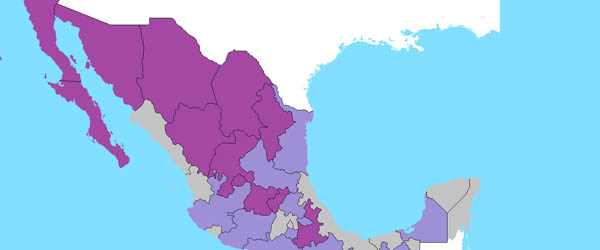
6. Today, Mexican wine is made in three main areas—in the Baja Peninsula, the states of Coahuila, Durango and Chihuahua that are south of Texas and New Mexico, and in the central states of Zacatecas, Aguascalientes, and Queretaro.
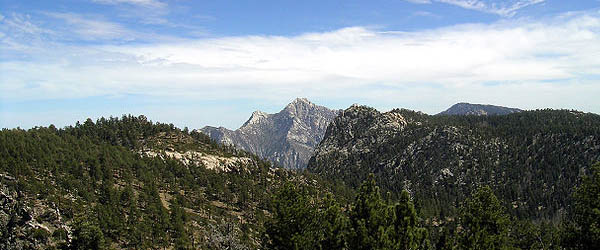
 

Baja California mountain range Mexico wine
By Tomascastelazo (Own work) [CC BY-SA 3.0], via Wikimedia Commons

7. Of these three, the Baja Peninsula is where more than 90% of all Mexican wine is produced. Divided by the Sierra de Baja California mountain range, all vineyards in the peninsula are located west of these mountains where the climate is similar to the Mediterranean with the Pacific Ocean helping to cool the grapes.
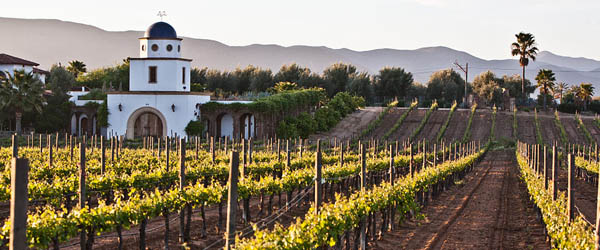
 

Baja Peninsula Mexico wine
By Jaime Sanchez Diaz (jsanchezd) [GFDL, CC-BY-SA-3.0 or CC BY-SA 2.5-2.0-1.0], via Wikimedia Commons

8. Along the Baja Peninsula, Guadalupe Valley is considered to be the Napa Valley of Mexico, being home to approximately half of the all the country’s wineries.
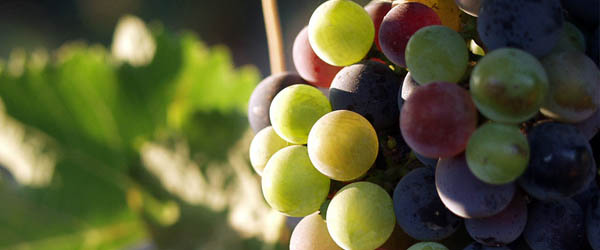
 

Mexico wine grapes varietals
By Tomas Castelazo (Own work) [GFDL or CC BY 3.0], via Wikimedia Commons

9. Many of the grapes grown in Mexico are of either Spanish or French origin. These include syrah, cabernet sauvignon, malbec and chardonnay.
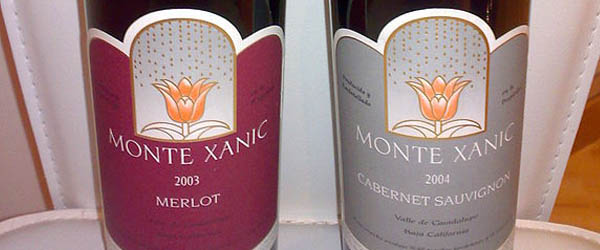
 

Mexico wine bottle labeling
By Kjetil2006 (Own work) [GFDL or CC BY-SA 3.0], via Wikimedia Commons

10. With no system of denominations of origin, all bottles simply need to be labeled “Product of Mexico.” (However, some may note the valley it was made in.) Also, the grapes listed may not be listed in the order in which they dominate the blend.

Sources:

MacNeil, Karen. The Wine Bible. New York: Workman Publishing, 2015.
Micallef. (2017, January 7). Wine Stories: Mexico’s Wine Renaissance. Huffington Post. Retrieved from http://www.huffingtonpost.com
Newton, James. Mexican Cookbook – Traditional Mexican Recipes: Recetas Mexicanas. Springwood EMedia, 2014.
Palmerlee, Danny. Baja California and Los Cabos. Oakland: Lonely Planet, 2007.


You might also like:
Have you ever purchased Mexican wine?

View Results

Loading ... Loading ...

Ask Sid: Best Sauternes Vintages?

January 18th, 2017 by Joseph Temple
Ask your question here

Ask Sid: Best Sauternes Vintages?
By Laurent Espitallier from France (Sauternes & Foie gras) [CC BY 2.0], via Wikimedia Commons

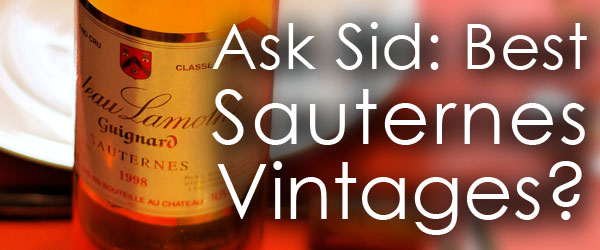
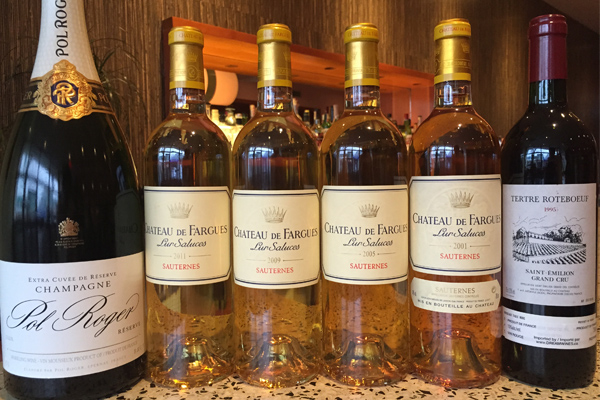
Question: I have collected quite a few Sauternes from different years starting with 2000 and onwards. Which vintages do you consider the top ones and best aging?

Answer: Discussed this issue last night at a dinner while sipping on the amazingly pineapple rich forwardly Chateau Coutet 1989. Middle year of the successful Sauternes trio with those early picked powerful 1990 and more botrytis with higher acidity 1988. Starting this century 2000 had a lot of rain from October 9th resulting in fragrant lighter Sauternes. The following year 2001 is so outstanding with their incredible balance! Also the 2005 has balance but less acidity though exceptional while the 2009 is ultra-rich with lots of botrytis. Some promising ones coming along from this decade to monitor. Expert Bill Blatch on his www.bordeauxgold.com is a good site to follow. Try some from your collection and make you own assessment.


You might also like:

 alt=

What do you consider to be the best Sauternes vintage?

View Results

Loading ... Loading ...
Château Palmer Vertical

January 16th, 2017 by Sid Cross

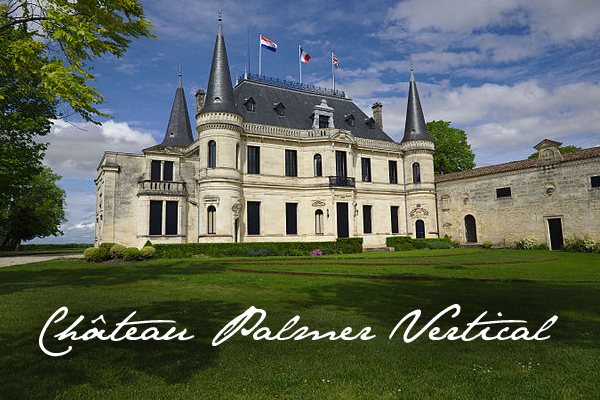
Château Palmer Vertical bordeaux
By PA (Own work) [CC BY-SA 4.0], via Wikimedia Commons

Last week your scribe had the pleasurable opportunity to reflect on one of my favourite wine properties and study at a dinner 10 vintages of Château Palmer. Most of my early visits to Bordeaux in the seventies and eighties always included memorable tastings of exquisite old bottles of this 3rd growth in Margaux with the family syndicate ownership represented by either the outstanding weather chronicler now deceased Peter A. Sichel or old Bordeaux vintage collector Franck Mahler-Besse providing invaluable insights into their wines. This property was the star of the appellation during this period before the re-emergence of Château Margaux under the Corinne Mentzelopoulos and the late Paul Pontallier leadership. Palmer also was made in quite a different style not using a clear majority of cabernet sauvignon but instead usually an equal amount nearing 50% of seductive merlot in the blend. Since 1998 there is a second label Alter Ego de Palmer showing a more forwardly drinking style using Estate fruit but in different proportions from the Grand Vin. Since 2004 Château Palmer has been under the competent management of talented Thomas Duroux (with Ornellaia winemaking experience) and his team. They go from strength to strength every vintage. A property to follow and collect.

Some brief tasting impressions:

1999: Successful limited selection of Grand Vin grapes of cab sauv, merlot, and petit verdot 48/46/6. Medium bodied with colour lighter at the rim. Less of a power statement but superb lovely complexity here on nose and palate. On excellent drinking plateau already but no rush either.

1998: Dark colour from superb year for ripe merlot. Underrated and so expressive because of choice grape selection similar to 1999. Well balanced very Palmer style with variety of herbs and flowers is drinking well. Like the 1999 was early on a smart good value buy.

1996: Surprisingly paler colour but has more cab sauv at 55% which is much more closed yet rich and powerful notes in a cassis style. Harder finish. Needs time.

1995: Very dark colour right to the rim. Similar to 1996 but better tannin integration here and much softer plush textures. Drink before 1996.

1989: Hot weather resulted in early picking with all varieties having phenolic ripeness. Clearly my wine of the night with compelling exquisite exotic flair. Concentration with complex elegance. A winner!

1988: Deep colour but leaner herbal style shows more lively acidity & coarser tannins which are still rather prominent. Has fruit there so may come around with patience.

1986: Better year for cab sauv especially in north Medoc. Atypical for Palmer here being a bit stern and austere. OK.

1985: Red ruby with better mature fruit than 1986 showing more charm. Drinking at best level with some drying tannins on the finish. Enjoy now.

1983: Enjoyed this vintage many times over the last decade often paired with the 1989. 1983 Palmer always has overshadowed the 1982 yet shows now a more herbal quite minty lighter charm and elegance when compared to the fuller sweeter richer longer aging 1989.

1978: Miracle vintage that was saved late. Sometimes like here a bit too herbal earthy and less than full ripeness with bottle variation.

Also tried during 2016 four outstanding Palmers all showing brilliantly: 1975: big hard brutish vintage but this one coming around nicely now; 1970: is so classic and maybe the wine of the vintage luckily purchased in BC liquor stores during December 1975 for the bargain price of $11.50 a bottle; 1966: the long distance runner of perfect balanced acidity with wonderful fruit; 1961: always ranks among the very best wines I have tasted being still so remarkably aristocratic perfect from well stored bottles. Big salute also to those ancient special treasures of 1959 & 1928!


You might also like:

Have you tasted any wines from Chateau Palmer?

View Results

Loading ... Loading ...
The Pioneers of British Bubbly

January 13th, 2017 by Joseph Temple

history of English sparkling wine
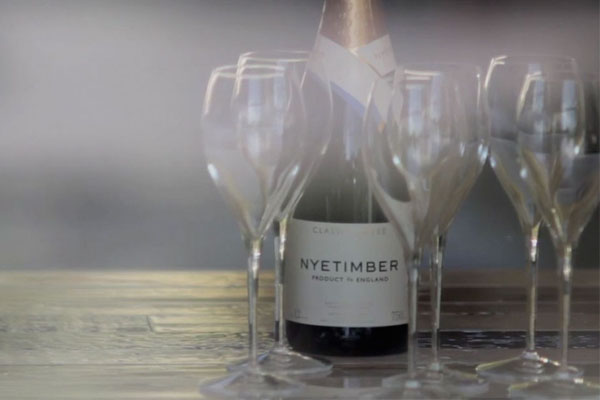
Image: nyetimber.com

By Joseph Temple

Just an hour’s drive south of London, along a ring of chalk and limestone, it’s safe to say that the future is indeed looking very bubbly. After beating the Champenois at their own game in numerous international competitions (while reaping a whirlwind of publicity), English fizz has risen like a phoenix. In fact, across the counties of Kent, West Sussex, East Sussex, and Hampshire, nearly two thirds of all bottles produced today are sparkling. And experts predict that approximately six million bottles of British bubbly will be available for purchase by 2023. From a very niche product to one that is currently exported to a record 27 countries, some have even opined that English sparkling wine, arguably on par with the best Champagne houses in France, is greatly undervalued – especially given its geographical constraints.

Of course, for those of us who live on the other side of the pond and think the term ‘English wine’ is an oxymoron, it probably seems surreal that there are now over 500 commercial vineyards operating on British soil. Not only that, but these vineyards are giving the French a run for their money with their award-winning bubbles.

Simply put: How did this all happen?

In trying to identify a key turning point in the two thousand year history of English wine, one needs only to travel back to 1988. The same year that Margaret Thatcher became the longest serving British prime minister of the twentieth century also turned out to be the year that the first vines of Pinot Noir, Chardonnay, and Pinot Meunier were planted on a property recorded in the Domesday Book and once owned by Anne of Cleves, the fourth wife of Henry VIII. Ironically, it wasn’t even an Englishman who planted them.

Noticing that the 438 acres that surrounded the 11th-century Nyetimber Manor shared an almost identical climate and geology with the region of Champagne, Sandy and Stuart Moss of Chicago decided to bring in French experts to assess the region’s potential. Realizing that the greensand soil was near perfect for sparkling wine, the American couple moved full steam ahead with their trailblazing vision. According to Oz Clarke, “Everybody told them they should plant apples—bureaucrats always say that; we’d have no Marlborough Sauvignon from New Zealand, no Oregon Pinot Noir, if the true believers believed them.”

Living up to its potential—and then some—Nyetimber’s 1992 Premiere Cuvee Blanc de Blanc, its very first vintage, ended up winning an international gold medal in 1996. But the estate proved it was no fluke when two years later, its Classic Cuvee 1993 won the trophy for best sparkling wine in the world. Given all the accolades, it was no surprise that Queen Elizabeth II chose Nyetimber for her fiftieth wedding anniversary, helping to solidify their brand as England’s most recognizable sparkling wine.

Fast forward to today and the vines that were first planted nearly three decades ago have grown to become a multi-billion dollar enterprise as hundreds of other vintners (including some French wineries) decided to follow in the footsteps of the Mosses. While Nyetimber’s Blanc de Blanc is described by one writer as “light and lithe with fabulous length,” the Classic is “breadier with bright acidity and a crisp clarity and pure zesty orange fruit to it.” So if you ever get a chance, try a glass of the wine that has redefined the world of bubbly!

Sources:

Clarke, Oz. The History of Wine in 100 Bottles: From Bacchus to Bordeaux and Beyond. London: Pavilion Books, 2015.
Harvey, David. Grape Britain: A Tour of Britains Vineyards. Castle Douglas: Neil Wilson Publishing, 2011.
Time Out. Time Out Kent & Sussex. London: Time Out Guides, 2011.


You might also like:

Have you ever tasted wines from Nyetimber?

View Results

Loading ... Loading ...

Ask Sid: Decanting Using a Candle?

January 11th, 2017 by Joseph Temple
Ask your question here

candle decanter wine

Question: Saw you across the room on Monday at the BC Sommelier of the Year competition finals. Wanted to get your thoughts about how they used a candle flame for the decanting service.

Answer: Sorry I missed speaking with you there. Wonderful very difficult competition organized by The Canadian Association of Professional Sommeliers BC Chapter. Really enjoyed the finals with the top 3 each being given 18 stressful minutes to orally give their impressions on 7 glasses served blind – 4 wine and 3 mixed drinks. Also only 3 minutes to point out the errors in a specially made-up many mistakes full wine list page with spelling, region and pricing etc. The decanting of the magnum of wine went well. Perhaps prefer using a magnum decanter rather than 2 smaller ones. Not a big fan of the candle use for decanting because of the resulting smells. My thoughts were that I didn’t think that lighting and especially extinguishing the candle flame right at the dining table was the best method to use. Prefer it to be lit and extinguished away from the table. Otherwise it leaves behind some smoky odours that may detract from your enjoyment of the bouquet of the wine. Prefer using a bright flashlight that avoids this issue.


You might also like:

 alt=

Have you ever used a candle while decanting?

View Results

Loading ... Loading ...
Older Entries
Newer Entries
The object of the Society is to bring together and serve all who believe that a right understanding of good food and wine is an essential part of personal contentment and health and that an intelligent approach to the pleasures and problems of the table offers far greater rewards than the mere satisfaction of appetite.
Andre Simon Wine & Food Society Founder (1933)
© 2026 The International Wine & Food Society (IW&FS) IW&FS
Credits | Privacy | Accessibility