menu
Member Sign In
  • IWFS Homepage
  • Blog Home
  • Forums Home
  • Global Forum
  • Contact Us
Close
  • IWFS Homepage
  • Blog Home
  • Forums Home
  • Global Forum
  • Contact Us
    Member Sign In
  • Blog Home
  • Forum Home
  • Global Forum

Follow Us

Recent Posts

  • Ask Sid: What is the difference between the two grapes of Blaufrankisch and Kekfrankos?
  • CHAMBOLLE-MUSIGNY WINES IMPRESS WITH DISTINCTIVE POWER COMBINED WITH SENSUAL ELEGANCE
  • Ask Sid: What is the new grape being used in Amarone?
  • OUR 2002 RED BURGUNDY HORIZONTAL IS AGING WELL, SHOWCASING REFINED PRECISION WITH TERROIR-DRIVEN CHARM
  • Ask Sid: Thoughts of Sid Cross on the Judgement of Paris historic wine tasting at the 50th Anniversary?

Archives

  • April 2026
  • March 2026
  • February 2026
  • January 2026
  • December 2025
  • November 2025
  • October 2025
  • September 2025
  • August 2025
  • July 2025
  • June 2025
  • May 2025
  • April 2025
  • March 2025
  • February 2025
  • January 2025
  • December 2024
  • November 2024
  • October 2024
  • September 2024
  • August 2024
  • July 2024
  • June 2024
  • May 2024
  • April 2024
  • March 2024
  • February 2024
  • January 2024
  • December 2023
  • November 2023
  • October 2023
  • September 2023
  • August 2023
  • July 2023
  • June 2023
  • May 2023
  • April 2023
  • March 2023
  • February 2023
  • January 2023
  • December 2022
  • November 2022
  • October 2022
  • September 2022
  • August 2022
  • July 2022
  • June 2022
  • May 2022
  • April 2022
  • March 2022
  • February 2022
  • January 2022
  • December 2021
  • November 2021
  • October 2021
  • September 2021
  • August 2021
  • July 2021
  • June 2021
  • May 2021
  • April 2021
  • March 2021
  • February 2021
  • January 2021
  • December 2020
  • November 2020
  • October 2020
  • September 2020
  • August 2020
  • July 2020
  • June 2020
  • May 2020
  • April 2020
  • March 2020
  • February 2020
  • January 2020
  • December 2019
  • November 2019
  • October 2019
  • September 2019
  • August 2019
  • July 2019
  • June 2019
  • May 2019
  • April 2019
  • March 2019
  • February 2019
  • January 2019
  • December 2018
  • November 2018
  • October 2018
  • September 2018
  • August 2018
  • July 2018
  • June 2018
  • May 2018
  • April 2018
  • March 2018
  • February 2018
  • January 2018
  • December 2017
  • November 2017
  • October 2017
  • September 2017
  • August 2017
  • July 2017
  • June 2017
  • May 2017
  • April 2017
  • March 2017
  • February 2017
  • January 2017
  • December 2016
  • November 2016
  • October 2016
  • September 2016
  • August 2016
  • July 2016
  • June 2016
  • May 2016
  • April 2016
  • March 2016
  • February 2016
  • January 2016
  • December 2015
  • November 2015
  • October 2015
  • September 2015
  • August 2015
  • July 2015
  • June 2015
  • May 2015
  • April 2015
  • March 2015
  • February 2015
  • January 2015
  • December 2014
  • November 2014
  • October 2014
  • September 2014
  • August 2014
  • July 2014
  • June 2014
  • May 2014
  • April 2014
  • March 2014
  • February 2014
  • January 2014
  • December 2013
  • November 2013
  • October 2013
  • September 2013
  • August 2013
  • July 2013
  • June 2013

Meta

  • Log in
  • Entries feed
  • Comments feed
  • WordPress.org

Archive for the ‘Uncategorized’ Category

Older Entries
Newer Entries

Big Easy Cuisine: a look at 5 classic dishes from New Orleans

February 6th, 2015 by Joseph Temple

A look at 5 classic dishes from New Orleans
By Joseph Temple

One of the greatest benefits of joining the International Wine & Food Society is the opportunity to travel around the world by attending the various festivals held throughout the year.  Since 2012, members have cruised down the Rhône River, soaked up some sun in Puerto Vallarta and dined in style at our most recent International Festival in Vancouver, British Columbia.

And this year, things are off to a great start as we travel to the city of New Orleans for what promises to be an outstanding culinary weekend.  With images of jazz trumpets, flickering gas lamps and Cajun/Creole inspired foods, the Big Easy is world renown for both its southern hospitality and a proud gastronomic heritage that is older than the country itself.  Writing about Crescent City cuisine, legendary author Mark Twain described it “as delicious as the less criminal forms of sin.”

So for this week’s entry, have a look at four dishes and one drink that were created in the city’s most legendary restaurants, markets and bars:

Antoine's New Orleans
By Pachango (Own work) [CC BY-SA 3.0 or GFDL], via Wikimedia Commons

1. Oysters Rockefeller

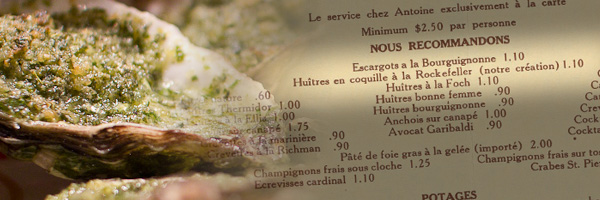
No history of New Orleans cuisine is complete without a reference to Antoine’s – a cornerstone of the French Quarter since 1840.  With thirteen different dining rooms and a wine cellar that stores approximately 25,000 bottles, every foodie and oenophile needs to visit there at least once during their lifetime.

Of course, the restaurant’s most famous dish that’s often imitated but never duplicated is Oysters Rockefeller, created by second-generation owner Jules Alciatore in 1889.  Using a rich puree as the secret ingredient that’s been closely guarded for over a century, no one except the current ownership knows exactly what makes these Oysters taste so delicious.  Bottom line: you haven’t tried them until you eat there.

blank
New Orleans Sicilian culinary heritageBy sailn1 (Flickr: [1]) [CC BY 2.0], via Wikimedia Commons

2. Muffuletta

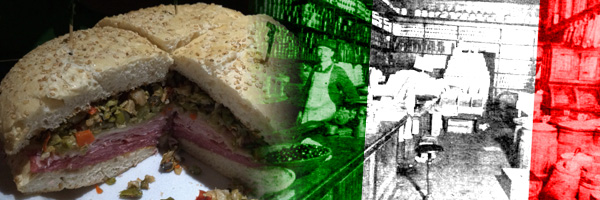
Looking back at the many groups who made New Orleans into what it is today, there is no denying the impact that Sicilians have had on this city.  From St. Mary’s Church on Chartres Street to the annual festivities on St. Joseph’s Day, the fingerprints of southern Italy can be seen all over town.  But in terms of their culinary contribution, look no further than the many Italian-owned grocery stores, some of which are still in operation to this day.  In fact, due to the outstanding quality of food sold in these stores, New Orleans rejected the arrival of big-chain supermarkets for many years.

The most well-known market, which opened its doors for the first time in 1906 is Central Grocery, founded by Sicilian immigrant Salvatore Lupo.  And a big reason for its century-long success is that it can lay claim to being the spot where the famous Muffuletta sandwich was invented.  Consisting of firm-bodied Italian bread loaded with cold cuts that include mortadella and Genoa salami, provolone cheese and olive salad, this delicacy is the quintessential Crescent City dish.  So if you’re looking for that authentic NOLA experience, step back in time and experience what an old-fashioned Italian grocery was like while chowing down on this tasty sandwich.
blank
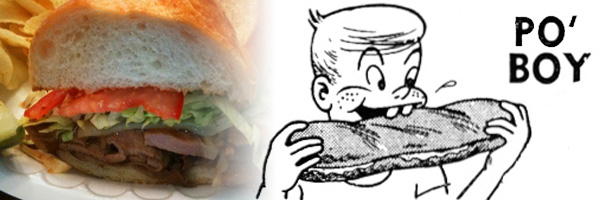
New Orleans po boy
3. The Po’ boy

Without question, there’s no shortage of fine-dining establishments in the city of New Orleans.  But if you’re looking for a bite to eat for lunch or some moderately priced fare, you’ll need to try the world-famous Po ’boy sandwich that is sold all over the city.

According to legend, the dish got its name during a violent streetcar strike in 1929, when a sympathetic sandwich shop owner fed striking rail workers or “poor boys” as he called them for free during the entire dispute.  Since then, this concoction consisting of French bread filled with either gravy soaked roast beef or fried seafood and showered with fresh toppings has become one of the city’s most popular meals.  Whether you’re young or old, rich or poor, you’ll have to try a Po ’boy when you’re in New Orleans.

blank
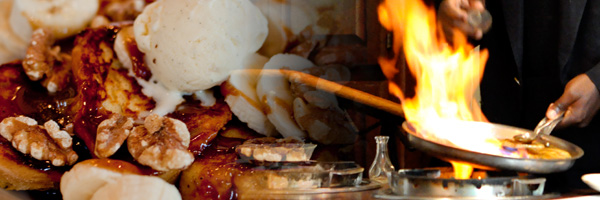
New Orleans dessert
By Kimberly Vardeman (Flickr: Brennan’s Bananas Foster Flambé) [
CC BY 2.0], via Wikimedia Commons
By vxla [CC BY 2.0], via Wikimedia Commons

4. Bananas Foster

Somebody once said that dessert is the whole point of a meal.  And there’s no dessert that’s more synonymous with New Orleans than Bananas Foster.  Created at Brennan’s in 1951 when the restaurant was on Bourbon Street, this is a simple, but satisfying dish of ice cream covered with bananas cooked in a rich brown sugar sauce.  Of course, what makes this dessert a memorable experience is when your server pours rum over this rich dish table side and lights it on fire!

blank
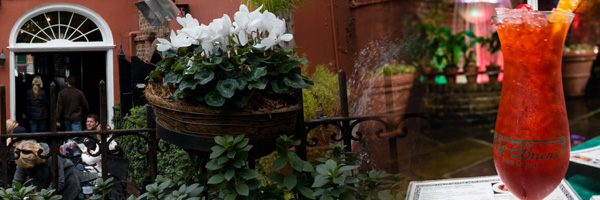
Pat O'Brien's New Orleans drink
By Gary J. Wood (Flickr: Pat O’Brien’s Courtyard) [CC BY-SA 2.0], via Wikimedia Commons

5. The Hurricane

From the Grasshopper to the Ramos Gin Fizz, there are many memorable beverages that were born in the bars of the Big Easy  But no signature drink is more recognizable and timeless than the Hurricane and its distinct vase-shaped glass.  Created at Pat O’Brien’s, known today as the “the Mount Rushmore of bars” in the mid-1940s, the former speakeasy owner stumbled upon something incredible when he decided to unload his rum – an unpopular spirit at the time – by mixing it with fresh lemon juice, passion fruit syrup and crushed ice. Selling it in what has become known as the Hurricane glass, this libation went on to be one of America’s most popular cocktails that extends well beyond the boundaries of the French Quarter.
blank

Sources:

Besh, John. My New Orleans: The Cookbook. Kansas City: Andrews McMeel Books, 2009.
Maruzzi, Peter. Classic Dining: Discovering Americas’ finest mid-century restaurants. Layton: Gibbs Smith, 2012.
Murphy, Michael. Eat Dat New Orleans: A guide to the unique food culture of the Crescent City. New York: Countryman Press, 2014.
Stern, Jane & Michael. Roadfood Sandwiches: Recipes and Lore from Our Favorite Shops Coast to Coast. New York: Houghton Mifflin Company, 2007.


Since 1935, The International Wine & Food Society has had a branch in the city of New Orleans – one of the very first branches founded in North America by André Simon.


You might also like:

What's your favorite?

View Results

Loading ... Loading ...
5 ways Millennials are changing (or have changed) the way we buy and drink wine

November 21st, 2014 by Joseph Temple

millennials wine

By Joseph Temple

Rarely does a week go by without a news story or opinion piece discussing the growing impact of Millennials.  While still loosely defined, this generation roughly encompasses those born in the early 1980s to the early 2000s.  And with eighty-six million of these up and comers in the United States alone, they are now 7% larger in terms of population than their baby boomer parents – making them a powerful economic force that advertisers are eager to target.

But what impact is this group having on the wine industry as 10,000 Millennials turn 21 every single day?  The changing demographics ensure that this generation will be the largest consumers of wine within the next couple of decades.  So with this seismic shift taking place, here are five ways that Millennials are changing (or have changed) the way we buy and drink wine.


Millennial wine drinking habits

As the most diverse generation in American history, Millennials have shown that they are willing to try out all sorts of different foods – and different wines! Based on a study done by the Wine Market Council, 85% of Millennials either “frequently” or “occasionally” purchase unfamiliar brands in comparison to just 61% of baby boomers.  That means a greater opportunity for lesser-known vintners in non-traditional wine regions to compete with the famous names of Bordeaux, Burgundy and the Loire Valley.
blank

pricing wine for millennials

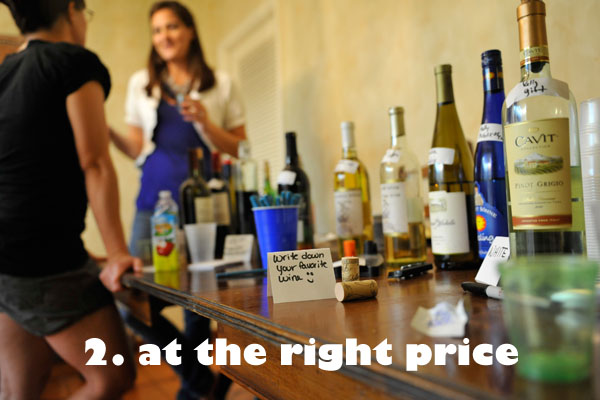
A frustration shared by many Millennials are their earnings, which are far lower than their parents when they were the same age.  It’s no surprise then that when it comes to buying wine, this generation is consistently looking for value.  According to certified sommelier and wine educator Stephanie Miskew, the ideal price point for Millennials is between $10-$12 with few spending more than $20 on a bottle.  So while there is a greater opportunity for smaller wineries in the marketplace, be warned that this group is just as willing to walk away if they feel that they’re being gouged.
blank

Millennial wine consumers

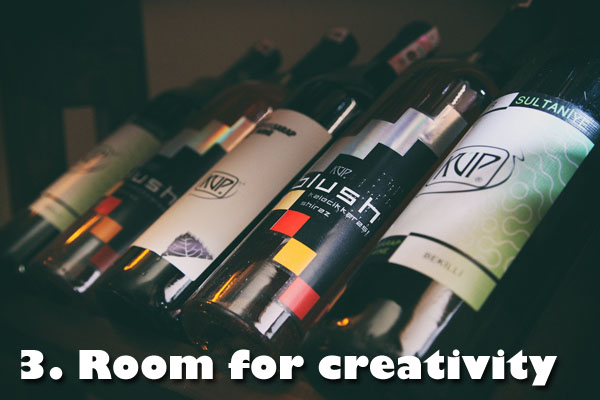
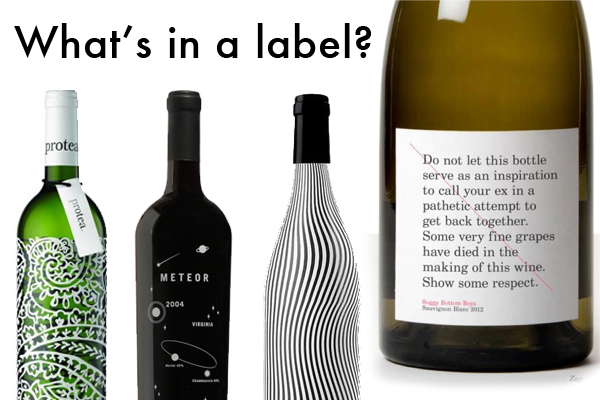
If you’re a talented graphic designer that likes to think outside the box, here’s some great news!  In the Journal of Product & Brand Management, Professors Joe Barth and Statia Elliot found that Millennials are far more likely to purchase wine based on its label.  Bottles with flashy colors, hip fonts and clever names that are dripping with sexual innuendo like “4 Play” or “Make Me Blush” are more likely to fly off the shelves with this group of consumers.  Gone are the days of castles printed on beige labels as more wineries invest in youthful brand marketers that strive in getting as many eyeballs looking at their product as possible.
blank

The decline of wine critics

With this generation feeling that it has gotten the shaft from employers, creditors and politicians, anti-establishment feelings runs deep with many Millennials.  And when it comes to what wine they’ll purchase, these young people are far less likely to be influenced by the Robert Parker’s or the Wine Spectator’s of the world.  In an article published on FoxBusiness.com, Naked Wines (again with the racy names) CEO Rowan Gormley states that “in the same way they don’t trust the banks, insurance companies or the government, they [Millennials] don’t care what critics say about a wine or how many medals a bottle has won.”  Consider it Generation Gap 2.0.
blank

importance of social media and online marketing for wine to millennials

What are Millennials looking for in a wine?  One vital aspect is a great story illustrated through the power of websites like Facebook, Pinterest and Twitter – instant information at their fingertips, anytime, anywhere.  With this generation’s insatiable appetite for knowledge, wineries now have a tremendous opportunity to speak directly to them online with information about the region, their history and what products they have for sale.  And with Millennials far more likely to share this info with their friends via social media, creating YouTube videos and other visual-centric content that’s mobile friendly is a surefire way to immediately reach this vital demographic.
blank


You might also like:

What Millennial trend surprised you the most?

View Results

Loading ... Loading ...

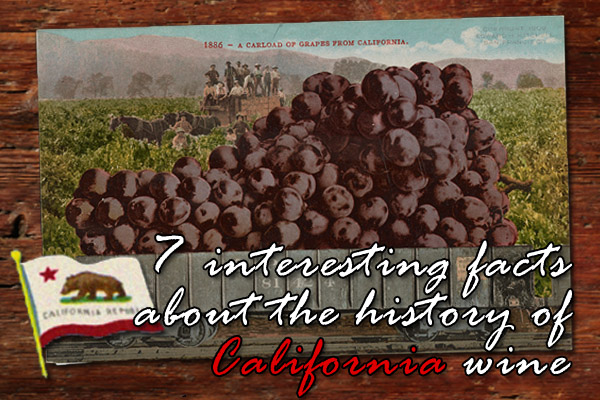
7 interesting facts about the history of California wine

October 31st, 2014 by Joseph Temple

California wine history
blank
By Joseph Temple

As the world’s fourth largest producer of wine, California’s vineyards now generate over 120 billion dollars annually and are responsible for three out of every five bottles purchased by Americans.  Internationally, 47.2 million cases were exported to 125 countries in 2012 – up 51% from a decade before.  Never has the Golden State been more of a viticultural superpower than it is today.

But if you’ve studied the region’s history, you know that there have been many trials and tribulations on the path to prosperity.  So for this week, have a look back at seven decisive turning points that helped create the wines of California that we enjoy today.
blank


#1: A Second Gold Rush
blank
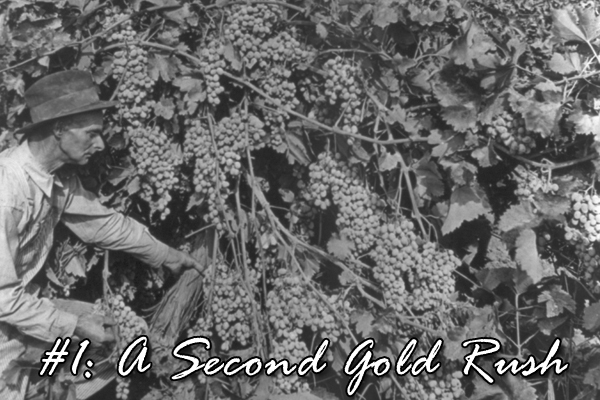
Whether it was the early studio moguls that created Hollywood or Okies escaping the Dust Bowl during the Great Depression, California has historically served as a magnet for people looking to create a better life financially.  And during the mid-19th century, thousands of Americans migrated west when word spread that there was gold to be found.  Almost overnight, the population of San Francisco exploded as the first “forty-niners” arrived in 1849 with hopes of striking it rich.  However, when it all ended in 1855, the only ones making any money were the people selling shovels.

Unable to prosper in the gold fields of Northern California, many migrants turned to another potential source of revenue – the terroir of Napa and Sonoma.  Capitalizing on the region’s fertile soil and ideal climate, many traded in their pans for a new life as winemakers.  Some of these famous names included Charles Krug, Jacob & Frederick Beringer and Agoston Haraszthy who advocated tirelessly for the blending of European grapes with native rootstocks.
blank

#2: San Francisco, wine mecca
blank
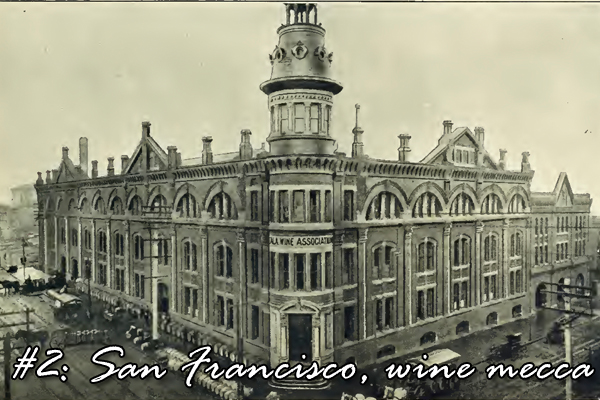
Today, it might seem strange to think of foggy San Francisco as the wine capital of America.  But at the beginning of the twentieth century, with its wealthy wine merchants and close proximity to both rail lines and the Pacific Ocean, “The Paris of the West” controlled the production and distribution of nearly all Golden State wines.  Home to the powerful California Wine Association (CWA), its headquarters stored millions of bottles for shipment across the entire United States.

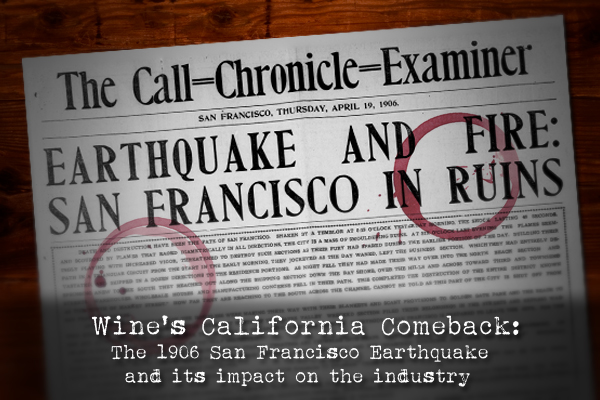
But in 1906 when a catastrophic 7.8-magnitude earthquake left the city in ruins, the wine industry learned a painful lesson on the dangers of centralization.  With nearly 10,000,000 unsalvageable gallons flowing through the streets of San Francisco, a major restructuring occurred resulting in bottles being stored more closely to the vineyards, creating what we now know as California wine country.
blank

California wine history
blank
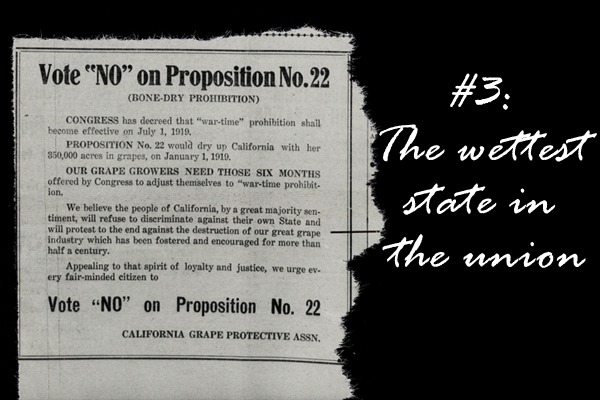
Having almost ninety thousand acres dedicated to grape growing by 1920, Sacramento lawmakers understood how vital the industry was for the state’s economy.  It was no surprise then that Californians defeated four separate ballot initiatives to enact statewide prohibition prior to the Volstead Act.  With nearly seventy-five million dollars a year at stake and large Irish and Italian populations in San Francisco that were passionate about wine, those favoring temperance were never able to achieve much success in the Golden State – that is until the forces from Washington DC stepped in.
blank

California wine prohibition history
blank
Looking at back the many flaws of prohibition, one specific loophole that made millionaires overnight was a provision allowing each household to produce two hundred gallons of fermented fruit juice per year.  Suddenly, thirsty Americans everywhere became amateur winemakers eager to reap in huge profits by selling their surplus around the neighborhood.  All they needed now was a steady supply of grapes.

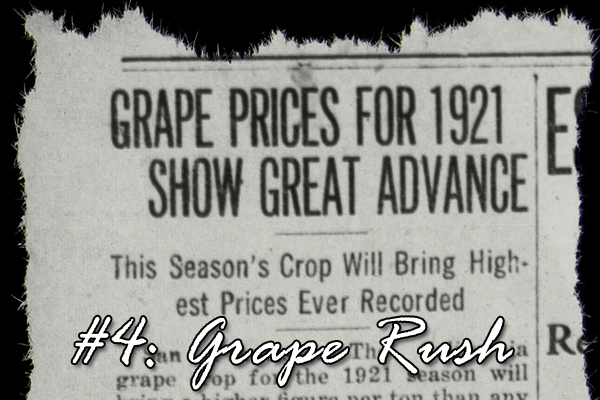
“Grapes are so valuable this year that they are being stolen,” wrote the St. Helena Star.  A new kind of gold rush had started in California as one acre of vineyard land shot up from $100 to $500 by 1921.  A year before Prohibition, 9,300 carloads of grapes traveled from California to New York.  By 1928, that figure had more than tripled.
blank

Alicante Bouschet grapes
blank
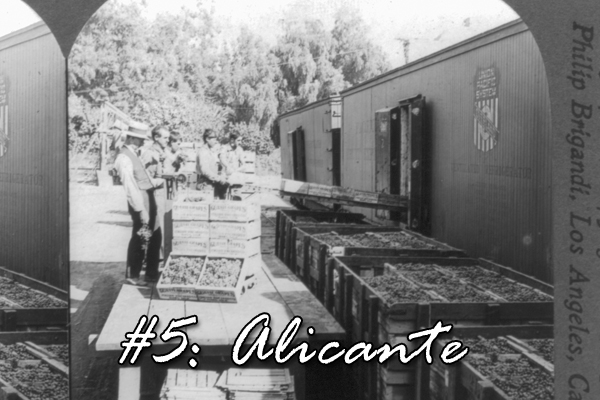
Unfortunately for the profiteers, Zinfandel and Chardonnay grapes didn’t travel well in freight cars across the country.  But with prices going through the roof, a new source that could maximize value was desperately needed.  And that source went by the name Alicante Bouschet, a grape that made for inferior wine with one novelist ranking it somewhere below the gooseberry.  However, it had numerous advantages that made it perfect for the lucrative east coast markets.

For starters, unlike other varietals, Alicante grew in abundance. And its thick, durable skin guaranteed that it could withstand the long train ride east.  On top of that, its dark red texture – even after three pressings and numerous dilutions made it look deceptively decent to all the novice winemakers and drinkers sprouting up across the country.

So throughout California, Alicante became the new fool’s gold as growers and traders cashed in on this new miracle grape.  Quantity trumped quality as generations of experienced vintners looked on in disgust as their craft was being tarnished for the almighty dollar.
blank

California wine history
blan
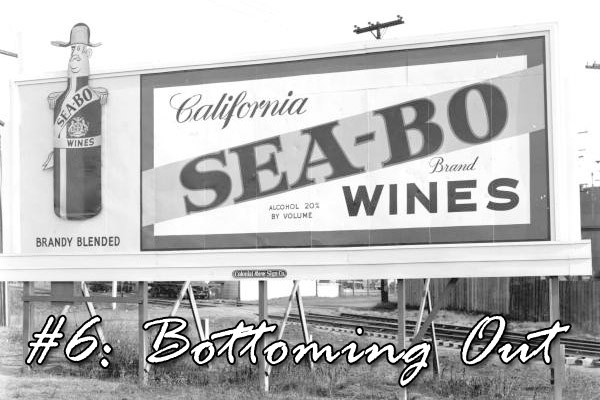
Prohibition may have ended in 1933 but the thirteen year absence of experienced winemakers cultivating the land would leave a terrible impact across the state.  And as the Alicante bubble burst, California’s reputation as a promising wine region went up in smoke.  During the postwar period, the state became infamous for producing cheap fortified blends that were the preferred choice of winos looking for nothing more than a quick buzz. 

How bad did it get?  By 1964, the tonnage of Chardonnay grapes in California was so miniscule that the state’s Agricultural Service didn’t even bother tracking it.  That’s because for many years, high-alcohol jug wines were the staple of an industry that had hit rock bottom.
blank

#7: rebuilding
blank
In beginning to turn the corner, the University of California at Davis started researching the terroir throughout the state in order to determine the best grapes to plant.  The report, issued in 1944 concluded that Napa Valley, which shared a similar temperature to Bordeaux, was the ideal spot to grow Cabernet Sauvignon while Sonoma should focus on Pinot Noir and Chardonnay.  Titled “Composition and Quality of Musts and Wines of California Grapes,” this study would lay the groundwork for a wine making renaissance in the Golden State.

Putting this document into action, the early 1960s saw a whole new generation of amateur winemakers arrive with the goal of producing award winning vintages.  And within a decade, all their hard work would pay off as the quality improved dramatically.  The proof came in 1976 when California defeated France at a blind tasting held in Paris, an event that was later the subject in the 2008 motion picture “Bottle Shock.” 


With branches in Los Angeles, Laguna Beach, Chula Vista, La Jolla & Pasadena, the International Wine & Food Society has a strong presence across California.


Sources:

MacNeil, Karen. The Wine Bible. New York: Workman Publishing Company, 2000.
Okrent, Daniel. Last Call: The Rise and Fall of Prohibition. New York: Scribner, 2011.
Taber, George. Judgement of Paris: California vs. France and the historic 1976 Paris tasting that revolutionized wine. New York: Scribner, 2005.

California Digital Newspaper Collection.
Library of Congress Prints & Photographs Online Catalog.
Online Archive of California.
Florida Memory Project.


You might also like:

What do you think was the most interesting fact?

View Results

Loading ... Loading ...
Old Jura Wines

September 22nd, 2014 by Sidney Cross

Jura wine region
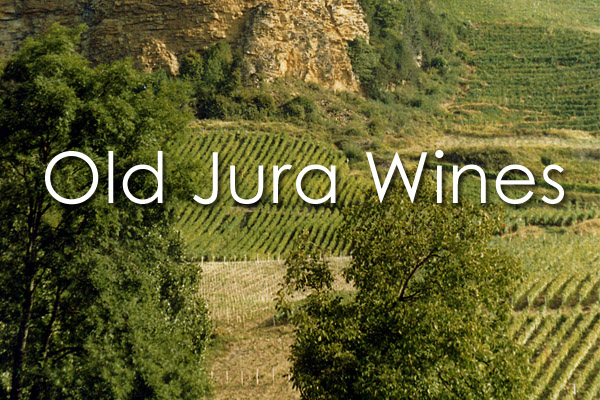
By Phillip Capper (originally posted to Flickr as Jura, France 1987) [CC BY 2.0], via Wikimedia Commons

The new book through Kickstarter by Wink Lorch on Jura Wines is stimulating interest in this region. The recent tasting of Top Drop had Sedimentary Wines pouring old bottles including 1945 Chateau Chalon (100% Savagnin with flor), Cotes de Jura blanc (chardonnay) back to 1888, and Cotes de Jura rouge (a blend of pinot noir, trousseau, and poulsard) back to 1915. Good to see such old wines being released from the producer’s cellars directly into the marketplace. Check out Caves Jean Bourdy since 1475 and other top producers. Also follow jurawine.co.uk. Magical pairing is with escargot and garlic just like they do it in the Jura! Try it.


You might also like:

Have you tasted wine produced in the Jura département?

View Results

Loading ... Loading ...
Dining for Détente: The role food played during Nixon’s trip to China

July 18th, 2014 by Joseph Temple

Dining for Détente: The role food played in Nixon's trip to China
By Joseph Temple

In preparation for Richard Nixon’s groundbreaking trip to the People’s Republic of China in 1972, an enormous amount of classified material was created for the U.S. diplomatic team traveling with the president.  National Security Advisor Henry Kissinger briefed Nixon extensively during the months leading up to the visit, going over every detail in this high stakes game of diplomatic chess with Premier Chou En-lai.  And while the biggest issues during these talks would be over Taiwan and Indochina, in retrospect, the most important briefings the president and his team received were the ones regarding the food they were about to eat.

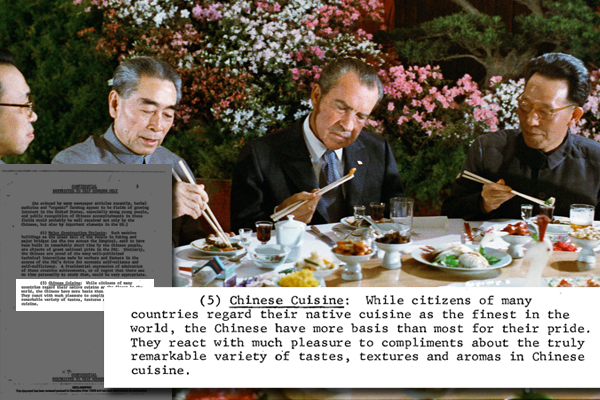
“The Chinese take great pride in their food,” declared one memo.  Another recommended that Nixon stroke their egos at the dinner table as “they react with much pleasure to compliments about the truly remarkable variety of tastes, textures and aromas in Chinese cuisine.”  In terms of what to expect, nothing was left off the table.  Although Kissinger and Alexander Haig had been served delicious Peking duck in their preliminary meetings with the Communist Chinese, anything from shark fins to bird’s nests could appear on the president’s plate.

Knowing that the trip would either make or break him, Nixon left nothing to chance.  Always one to brush up on an important subject, the president carefully studied the Chinese and their customs.  “You should not be offended at the noisy downing of soups, or even at burping after a meal,” one document warned.  For months, he, his wife Pat and Dr. Kissinger all took lessons on how to properly use chopsticks, even practicing on the flight over. Of course, all this preparation was not just for his gracious hosts but for the American people watching on their television sets back home.

Nixon visits china secret memo
A document prepared for the Nixon team advising them to compliment their hosts.

Scheduling this visit during an election year was a risky move to say the least.  In the suburbs of middle America, the patriotic anti-Communist “Silent Majority” that Nixon needed to secure his re-election was apprehensive about easing relations with the Chinese – the same Chinese that the United States battled just twenty years earlier on the Korean Peninsula.  And with all of the official discussions being held in strict secrecy, Americans needed a visual aid to act as their own diplomatic barometer.

Of course, Richard Nixon made sure they got one.

Realizing the enormous power of a photo-op, the administration stressed the superficial aspects of the visit.  It was no coincidence that Air Force One landed at the Capital Airport at 11:32 A.M. Beijing time.  Across the United States, it was prime time when the president and Chou shook hands, giving millions of Americans the chance to watch this symbolic act live via satellite.   It also wasn’t a coincidence that of the one hundred journalists accompanying the commander-in-chief to China, those in television were given preference over their colleagues in print.  While personally despising most of the media, the president also knew that a carefully controlled press parroting the administration’s narrative through stunning visuals could sway public opinion over to Nixon.

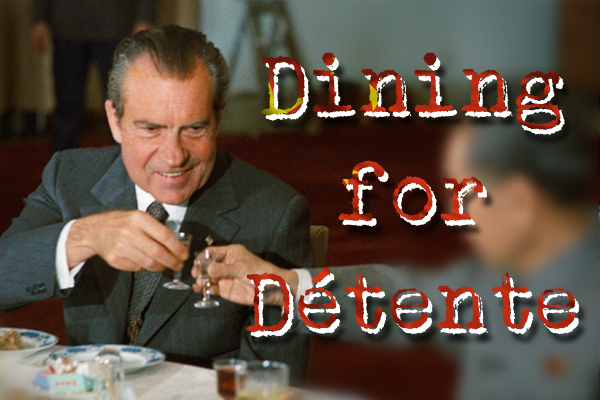
For the next stunning a visual, an extravagant banquet had been prepared for nearly six hundred guests at the Great Hall of the People.  With giant American and PRC flags towering over the captivated audience, a series of congratulatory toasts were made by Nixon and Chou to usher in a new era of understanding.  It was here where food and drink played perhaps the most important role in convincing the American people that Nixon had pulled off the greatest foreign policy coup in a lifetime.


A video prepared for the U.S. diplomatic team
outlining the differences in the American and Chinese diets.

For beverages, each guest at the banquet was given three glasses: one for orange juice, one for wine and one for a Chinese drink with over 50% alcohol known as Maotai.   Worried that this intoxicating spirit would take its toll on a president who needed to be flawless throughout the entire evening, Deputy Assistant to the President for National Security Affairs Alexander Haig cabled the White House in January to warn them of this drink.  In the book Nixon in China: The Week that Changed the World, historian Margaret MacMillan writes that Haig stressed “UNDER NO REPEAT NO CIRCUMSTANCES SHOULD THE PRESIDENT ACTUALLY DRINK FORM HIS GLASS IN RESPONSE TO BANQUET TOASTS.”  Nixon, seeking a middle ground did drink form his glass but in very small sips.

Next came the food that each guest would enjoy with his/her own personally inscribed chopsticks.  On the menu were dumplings, fried rice, three colored eggs, shark fins, and duck slices garnished with pineapples, among others.  Eating next to Chou En-lai, Nixon fared much better with chopsticks than CBS anchorman Walter Kronkite who accidentally shot an olive at a neighboring table.  Careful not to lay it on too thick, the president was warned  “not to say a particular dish is ‘good’ or ‘interesting’ when in fact you do not like it, as your hosts, in an effort to please, may serve you extra portions to your embarrassment.”

Covered for four hours straight without commentary by the big three U.S. networks, the entire banquet proved to be the ultimate combination of dining and diplomacy.  Nixon, the once ardent anti-Communist ironically quoted Chairman Mao by asking both countries to “Seize the Day.  Seize the hour.”  And as the two sides clinked their glasses in friendship, the Chinese Red Army band performed a rendition of both “America the Beautiful” and the U.S. National Anthem to an audience of millions watching live on TV.  This in addition to a close-up shot of the president using chopsticks had undoubtedly convinced a majority of Americans that the visit was a rousing success. Despite being just the first night of a seven-day trip, the symbolic image of two former adversaries breaking bread proved to be more powerful than any treaty, agreement, or communiqué signed later on.

Writing in his diary the next day, H.R. Haldeman, the president’s trusted chief-of-staff was more than pleased with how the media presented the entire evening.  “The network coverage … of the banquet period was apparently very impressive and they got all the facts the P (President Nixon) wanted, such as his use of chopsticks, his toasts, Chou’s toast, the P’s glass-clinking,” wrote Haldeman.  According to Nixon biographer Conrad Black, his trip had registered the highest U.S. public recognition of any event in the history of the Gallup poll.  And in the days and months after Nixon’s visit, Chinese restaurants in the U.S. were mobbed by foodies seeking out “authentic” Chinese cuisine like the Peking duck they saw the president eating on TV, writes Andrew Coe, author of Chop Suey: A Cultural History of Chinese Food in the United States.

Call it “chopstick diplomacy,” “Maotai statecraft” or “dining for Détente,” but in the end, Richard Nixon had proved that the power of food could win over the public at large as he tore down the Bamboo Curtain.

Favorite food from this posting?

View Results

Loading ... Loading ...
Older Entries
Newer Entries
The object of the Society is to bring together and serve all who believe that a right understanding of good food and wine is an essential part of personal contentment and health and that an intelligent approach to the pleasures and problems of the table offers far greater rewards than the mere satisfaction of appetite.
Andre Simon Wine & Food Society Founder (1933)
© 2026 The International Wine & Food Society (IW&FS) IW&FS
Credits | Privacy | Accessibility