menu
Member Sign In
  • IWFS Homepage
  • Blog Home
  • Forums Home
  • Global Forum
  • Contact Us
Close
  • IWFS Homepage
  • Blog Home
  • Forums Home
  • Global Forum
  • Contact Us
    Member Sign In
  • Blog Home
  • Forum Home
  • Global Forum

Follow Us

Recent Posts

  • Ask Sid: What is the new grape being used in Amarone?
  • OUR 2002 RED BURGUNDY HORIZONTAL IS AGING WELL, SHOWCASING REFINED PRECISION WITH TERROIR-DRIVEN CHARM
  • Ask Sid: Thoughts of Sid Cross on the Judgement of Paris historic wine tasting at the 50th Anniversary?
  • EDUCATIONAL #AUSSIEWINE SEMINAR “CLASSIC AND CONTEMPORARY AUSTRALIA” BY KNOWLEDGEABLE MARK DAVIDSON WAS A BIG HIT AT @VANWINEFEST
  • Ask Sid: Was it 50 years since California bested France in a Paris wine tasting?

Archives

  • April 2026
  • March 2026
  • February 2026
  • January 2026
  • December 2025
  • November 2025
  • October 2025
  • September 2025
  • August 2025
  • July 2025
  • June 2025
  • May 2025
  • April 2025
  • March 2025
  • February 2025
  • January 2025
  • December 2024
  • November 2024
  • October 2024
  • September 2024
  • August 2024
  • July 2024
  • June 2024
  • May 2024
  • April 2024
  • March 2024
  • February 2024
  • January 2024
  • December 2023
  • November 2023
  • October 2023
  • September 2023
  • August 2023
  • July 2023
  • June 2023
  • May 2023
  • April 2023
  • March 2023
  • February 2023
  • January 2023
  • December 2022
  • November 2022
  • October 2022
  • September 2022
  • August 2022
  • July 2022
  • June 2022
  • May 2022
  • April 2022
  • March 2022
  • February 2022
  • January 2022
  • December 2021
  • November 2021
  • October 2021
  • September 2021
  • August 2021
  • July 2021
  • June 2021
  • May 2021
  • April 2021
  • March 2021
  • February 2021
  • January 2021
  • December 2020
  • November 2020
  • October 2020
  • September 2020
  • August 2020
  • July 2020
  • June 2020
  • May 2020
  • April 2020
  • March 2020
  • February 2020
  • January 2020
  • December 2019
  • November 2019
  • October 2019
  • September 2019
  • August 2019
  • July 2019
  • June 2019
  • May 2019
  • April 2019
  • March 2019
  • February 2019
  • January 2019
  • December 2018
  • November 2018
  • October 2018
  • September 2018
  • August 2018
  • July 2018
  • June 2018
  • May 2018
  • April 2018
  • March 2018
  • February 2018
  • January 2018
  • December 2017
  • November 2017
  • October 2017
  • September 2017
  • August 2017
  • July 2017
  • June 2017
  • May 2017
  • April 2017
  • March 2017
  • February 2017
  • January 2017
  • December 2016
  • November 2016
  • October 2016
  • September 2016
  • August 2016
  • July 2016
  • June 2016
  • May 2016
  • April 2016
  • March 2016
  • February 2016
  • January 2016
  • December 2015
  • November 2015
  • October 2015
  • September 2015
  • August 2015
  • July 2015
  • June 2015
  • May 2015
  • April 2015
  • March 2015
  • February 2015
  • January 2015
  • December 2014
  • November 2014
  • October 2014
  • September 2014
  • August 2014
  • July 2014
  • June 2014
  • May 2014
  • April 2014
  • March 2014
  • February 2014
  • January 2014
  • December 2013
  • November 2013
  • October 2013
  • September 2013
  • August 2013
  • July 2013
  • June 2013

Meta

  • Log in
  • Entries feed
  • Comments feed
  • WordPress.org

Archive for the ‘Uncategorized’ Category

Older Entries
Newer Entries

Ask Sid: Stopper for decanted wines?

February 1st, 2017 by Joseph Temple
Ask your question here

Do you use a stopper for decanted wines

Question: I decant a lot of my wines. Never sure whether to put the stopper back into the top of the decanter after pouring out the bottle. Your thoughts?

Answer: I also decant most of my wines at home. Young whites and reds usually are helped from the aeration of the act of pouring itself and I leave the stopper out for even more exposure and help open the aromas. Particularly good for screw top closures to help get rid of any reductive issues that may show up initially in the wine. For older whites and reds the decanting is an important procedure to get a clean clear wine off the tartaric acid crystals or sediment that may have resulted from time in the bottle and freshen it up. Be careful. In those cases it is preferable not to aerate too much so put the stopper back in to avoid extra airing and the loss of the delicate bouquet. Stopper is also good protection if you are dining outdoors or there are any insects around. Use your own good judgment on the stopper based on how the wine is showing while you are decanting it.


You might also like:

 alt=

Do you use a stopper for decanted wines?

View Results

Loading ... Loading ...

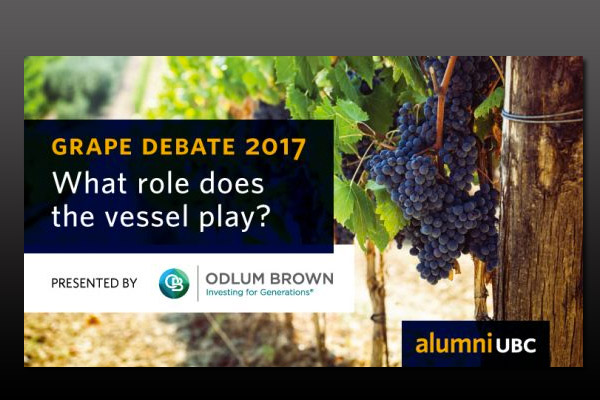
What Role Does the Vessel Play in Winemaking?

January 30th, 2017 by Sid Cross

grape debate What Role Does the Vessel Play in Winemaking?

Lots of buzz out there these days on what is the preferred vessel to be used for producing wine. Stainless steel and oak continue to lead the way but lots of support is growing for amphora (clay/terracotta), concrete both in vats and egg-shaped, glass, fibreglass, or plastic carboys – well maybe not plastic! The 5th Grape Debate (an educational joint project of @alumniUBC, @dineoutvanfest & @winebcdotcom) was held last week with a lively discussion on the pros and cons of all vessel types. Check back to the UBC site later on for the video presentation of it. Your scribe participated again for the fifth time on the side in support of the more traditional stainless steel and oak being introduced this year with the appropriate music playing of Tony Orlando’s Tie a Yellow Ribbon ’round the Ole Oak Tree!

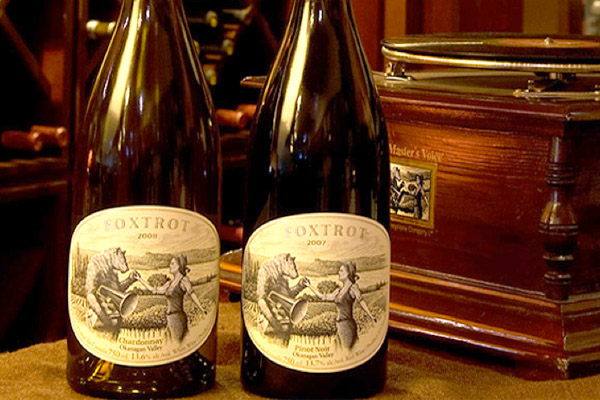
My opening thoughts were that as a wine consumer like most of the audience I didn’t really care what vessel was used. I compared it to the popcorn that was served on arrival at the event. We aren’t analyzing whether it was air popped or micro-waved aided by more or less butter, or olive oil, caramel or sea salt. The question is “How does it taste”? Stated that I was really from Missouri and you had to show me what worked best. My own experience has been that the wine treasures I have enjoyed from around the world usually have some wood used to provide complexity, improved stability of colour and clarity with benefit of wood tannins, and smoother deeper textures and improved aromatics from controlled slow oxygen infusion. Also provides a lot of subtle seasoning elements from vanilla, coconut, cinnamon, clove, nutmeg, caramel and the like. Of course the age of the barrels, their size, their level of toasting and the type of oak are all important. Recalled how Lucien Lemoine using very fine oak with slow toasting from Jupilles forest for all his Burgundies but adapted each year by ordering late to suit the vintage’s cru specific flavour definitions from the grapes. Also in Chablis with lower Ph and higher acidity levels similar to the stats in the BC northern Okanagan extra dimensions can be obtained for the wines from being in used oak with 2012 Christian Moreau Le Clos & Vaillons Cuvee Guy Moreau good examples of this. Poured for tasting in support of my argument the 2013 The Waltz pinot noir Naramata Bench from Foxtrot Vineyards (www.foxtrotwine.com) as an example of a wine that was improved by 20 months in Francois Freres oak (50% new, 50% second & third use) with malolactic fermentation in cask. Wouldn’t be the same made in concrete or clay!

Lots of good arguments raised on the other side. Stainless steel is inert and can be reductive We argued that concrete is not flexible and can be attacked by the high acidities of the fermenting musts plus are very difficult vessels to keep clean. Terracotta eggs have attracted the interest of Michel Chapoutier and even Screaming Eagle & Harlan. The stable temperature without the need for refrigeration is helpful in the cellar and some wines result in a better mouthfeel. Told the story of my visit last year to Frank Cornellisen on Mt. Etna with his unique terracotta in ground volcanic rock for Magma from Nerello Mascalese that results in an excellent earthy elegant red. Final opinions were divided with most people feeling oak suited cabernet well while gamay prefers a clean fresh vessel. Maybe they do have a better use than just for large clay flower pots.

Have your tried wines made in stainless steel, oak, clay, concrete…? Do you have a preference?


You might also like:

What's the best vessel for producing wine?

View Results

Loading ... Loading ...

10 Big Dishes to make your Super Bowl party even better

January 28th, 2017 by Joseph Temple

dishes for the Super Bowl

By Joseph Temple

Beginning in 1967 when over 60,000 fans paid an average ticket price of nine dollars to watch the Kansas City Chiefs face the Green Bay Packers in the first ever AFL-NFL World Championship Game, the Super Bowl has morphed from an experimental football endeavor pitting rival leagues against each other into a must-see extravaganza.  And over the decades as television screens have gotten bigger and bigger, so has this annual spectacle, which is watched in over 100 million American homes.  In fact, the festivities have become so huge that several petitions have been launched to make the following Monday a national holiday.

But how can you talk about the big game without mentioning the pivotal role that food plays?  After all, Super Bowl Sunday represents the second largest day for food consumption in the United States, second to only Thanksgiving.  As one author wrote, “Unlike Thanksgiving … it’s all about football and food.  Thanksgiving may go food, then football, but Super Bowl Sunday is simply eat food, watch football while you eat food, and then eat more food.”

So in honor of the big day, here’s a spin on ten classic dishes that no Super Bowl party can go without.  Enjoy!


Super Bowl snacks chili

1. Chili (for a spin on the classic, skip the habanero and add some spicy smoked sausage)

pulled pork sandiwches superbowl recipe

2. Pulled Pork Sandwiches (for something fun even the kids will like, try slow cooking pork in root beer)

burgers for the superbowl

3. Hamburgers (jazz up a traditional burger by making them into bite sized sliders – try different cheeses too like pepper jack or smoked Gouda for something special)

Pizza bbq super bowl

4. Pizza (for a crispy and smoky crust, grill your favorite pizza on the BBQ)

bean dip recipe for superbowl party

5. Bean Dip (for a healthier alternative, mix in some veggies like fire roasted corn and peppers)

Pigs in a blanket super bowl

6. Pigs in a Blanket (don’t limit yourself to tiny franks – see what your guests think of duck or chicken sausage)

Nachos super bowl

7. Nachos (for a low carb option, replace tortilla chips with zucchini medallions)

Pizza bbq super bowl

8. Chicken Wings (for a more exotic flare, bake in a curry sauce and serve with a cool yogurt dip)

Chicken wings recipe super bowl

9. Meatballs (buns, sauce, cheese,
veggies…presto! A meatball sub bar!)

Super Bowl cake

10. And of course, you can never go wrong with a football shaped cake and team themed cupcakes


You might also like:

Do you have a special recipe/dish for the Super Bowl?

View Results

Loading ... Loading ...

Ask Sid: Where on the wine label does it show whether or not oak has been used?

January 25th, 2017 by Joseph Temple
Ask your question here

Ask Sid: Where on the wine label does it show whether or not oak has been used?

Question: Where on the wine label does it tell you whether or not oak has been used?

Answer: Good idea. Wish it was that simple. Usually it doesn’t tell you. There may be a specific word like unoaked or unwooded used – especially for chardonnay. There may be some helpful information on the back label including descriptors like crisp, fresh or vibrant that probably indicate no oak was used. Even those terms can be confusing though because say wines like Chablis Premier or Grand Cru are in that style but still may see some old oak barrels. It can be a difficult issue somewhat like the sugar one in a wine – though many producers now are providing more information about residual sugar on their back label. It really depends on the overall balance of the wine whether the oak or sugar seems prominent to you. Remember that new oak diminishes with bottle age. Best way is to smell and taste the wine for oak but you raise another good reason why I support ingredient labeling.


You might also like:

 alt=

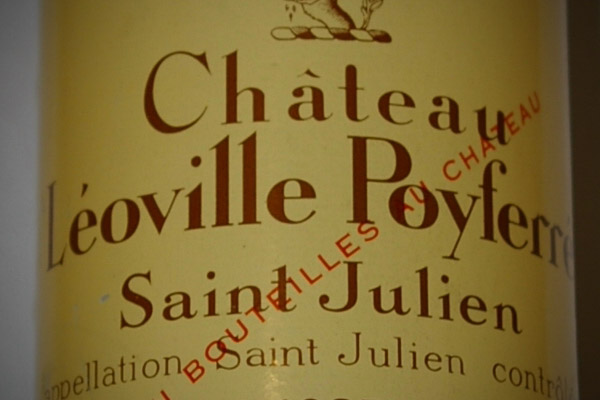
Château Leoville Poyferre St. Julien Vertical

January 23rd, 2017 by Sid Cross

Bordeaux Leoville Poyferre St. Julien

The name Leoville is a magical one in Bordeaux. The Estate was one big St. Julien property for a long time until being divided in 1840 resulting in the 1855 Classification as three all highly rated Second Growths. Since then over the years there have been ups and downs but Leoville Poyferre (LP) fell behind their well respected neighbours Leoville Las Cases and Leoville Barton. However the modern era starts in 1979 with a young Didier Cuvelier replanting vines with more cabernet sauvignon while expanding vineyard size (48 to 80 hectares) yet lowering yields and raising quality at LP. Today it is clearly recognized as an equal to and in some vintages (like 2009) arguably better than the other two Leoville estates. Last week your scribe was fortunate at a tasting/dinner to update his knowledge on how 9 key older vintages of LP are presently showing:

2005: Dark colour 68% cab sauv. Nose backward somewhat closed and not giving much. However improves with airing and outstanding cassis fruit on the palate with refined tannins & admirable balance. A classic in the making and just needs more time to blossom.

2000: Good depth. Impressive cedar black currant bouquet. Delicious with full rich wonderful weight and sweeter supple textures that should appeal to everyone – even California cabernet aficionados. Drinking on lovely plateau more forwardly than its 2 sister Estates.

1996: Deep still dark. Young solid aromas. Bit brawny perhaps but 70% cab sauv results in a full bodied ripe traditional St. Julien that continues to slowly develop well. Lots there. Promising. No rush.

1995: Much lighter rim. Quite herbal red cranberry notes but nice balance. Good merlot vintage that can be slightly overrated in the Medoc because of the lesser quality of the 4 years from 1991-1994 that preceded it.

1990: Maturing rim. Pure elegance majestic complex perfumed nose! Somewhat similar to 2000 in that spectacular style with a seductive exotic personality. Exquisite lush fruit on a beautiful plateau of enjoyment now. Group favourite.

1986: Dark. Backwardly cellar nose at first but opened more later. Highly thought of by their cellar master on initial release. Harder tannins sterner more abrupt taste. Believe it will get better with cellar patience.

1983: Briary fruity plums yet sound surprisingly drinkable and enjoyable with food. Under rated.

1982: Great anticipation of this vintage. Not pleased with this atypical bottle showing more shoe polish with mint smells than the cigar cedar spices text book St Julien expected. Extract and the kind of smooth polish you like on the palate. Still good. Can be more outstanding.

1975: Inconsistent wine with no Parker rating. Experienced the same. However, this bottle shows very well indeed with open complex mature bouquet plus smooth round rich textures on entry full of life before the drier tannins show on the finish. Has come around much better as shown here.

Have you tried one of the Leoville wines? Do you have a preference among the 3 properties?


You might also like:

Have you tasted any wines from Leoville Poyferre?

View Results

Loading ... Loading ...
Older Entries
Newer Entries
The object of the Society is to bring together and serve all who believe that a right understanding of good food and wine is an essential part of personal contentment and health and that an intelligent approach to the pleasures and problems of the table offers far greater rewards than the mere satisfaction of appetite.
Andre Simon Wine & Food Society Founder (1933)
© 2026 The International Wine & Food Society (IW&FS) IW&FS
Credits | Privacy | Accessibility