menu
Member Sign In
  • IWFS Homepage
  • Blog Home
  • Forums Home
  • Global Forum
  • Contact Us
Close
  • IWFS Homepage
  • Blog Home
  • Forums Home
  • Global Forum
  • Contact Us
    Member Sign In
  • Blog Home
  • Forum Home
  • Global Forum

Follow Us

Recent Posts

  • Ask Sid: Thoughts of Sid Cross on the Judgement of Paris historic wine tasting at the 50th Anniversary?
  • EDUCATIONAL #AUSSIEWINE SEMINAR “CLASSIC AND CONTEMPORARY AUSTRALIA” BY KNOWLEDGEABLE MARK DAVIDSON WAS A BIG HIT AT @VANWINEFEST
  • Ask Sid: Was it 50 years since California bested France in a Paris wine tasting?
  • HORIZONTAL TASTING OF RED BORDEAUX 2015 SHOWS FRUIT FLESHINESS WITH VARIABILITY + OUTSTANDING BENTO BOX
  • Ask Sid: What is Chiavennasca?

Archives

  • April 2026
  • March 2026
  • February 2026
  • January 2026
  • December 2025
  • November 2025
  • October 2025
  • September 2025
  • August 2025
  • July 2025
  • June 2025
  • May 2025
  • April 2025
  • March 2025
  • February 2025
  • January 2025
  • December 2024
  • November 2024
  • October 2024
  • September 2024
  • August 2024
  • July 2024
  • June 2024
  • May 2024
  • April 2024
  • March 2024
  • February 2024
  • January 2024
  • December 2023
  • November 2023
  • October 2023
  • September 2023
  • August 2023
  • July 2023
  • June 2023
  • May 2023
  • April 2023
  • March 2023
  • February 2023
  • January 2023
  • December 2022
  • November 2022
  • October 2022
  • September 2022
  • August 2022
  • July 2022
  • June 2022
  • May 2022
  • April 2022
  • March 2022
  • February 2022
  • January 2022
  • December 2021
  • November 2021
  • October 2021
  • September 2021
  • August 2021
  • July 2021
  • June 2021
  • May 2021
  • April 2021
  • March 2021
  • February 2021
  • January 2021
  • December 2020
  • November 2020
  • October 2020
  • September 2020
  • August 2020
  • July 2020
  • June 2020
  • May 2020
  • April 2020
  • March 2020
  • February 2020
  • January 2020
  • December 2019
  • November 2019
  • October 2019
  • September 2019
  • August 2019
  • July 2019
  • June 2019
  • May 2019
  • April 2019
  • March 2019
  • February 2019
  • January 2019
  • December 2018
  • November 2018
  • October 2018
  • September 2018
  • August 2018
  • July 2018
  • June 2018
  • May 2018
  • April 2018
  • March 2018
  • February 2018
  • January 2018
  • December 2017
  • November 2017
  • October 2017
  • September 2017
  • August 2017
  • July 2017
  • June 2017
  • May 2017
  • April 2017
  • March 2017
  • February 2017
  • January 2017
  • December 2016
  • November 2016
  • October 2016
  • September 2016
  • August 2016
  • July 2016
  • June 2016
  • May 2016
  • April 2016
  • March 2016
  • February 2016
  • January 2016
  • December 2015
  • November 2015
  • October 2015
  • September 2015
  • August 2015
  • July 2015
  • June 2015
  • May 2015
  • April 2015
  • March 2015
  • February 2015
  • January 2015
  • December 2014
  • November 2014
  • October 2014
  • September 2014
  • August 2014
  • July 2014
  • June 2014
  • May 2014
  • April 2014
  • March 2014
  • February 2014
  • January 2014
  • December 2013
  • November 2013
  • October 2013
  • September 2013
  • August 2013
  • July 2013
  • June 2013

Meta

  • Log in
  • Entries feed
  • Comments feed
  • WordPress.org

Author Archive

Older Entries
Newer Entries

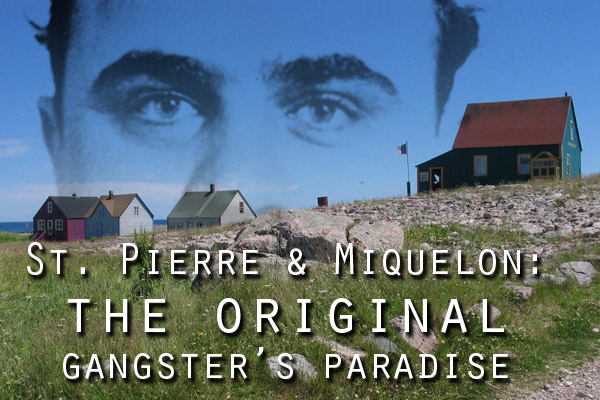
St. Pierre and Miquelon: The original gangster’s paradise

February 20th, 2015 by Joseph Temple

St. Pierre and Miquelon during prohibition
By Marc A. Cormier – www.st-pierre-et-miquelon.com [CC BY 2.0], via Wikimedia Commons

By Joseph Temple

Given to France as a consolation prize following her defeat on the Plains of Abraham, few could imagine that St. Pierre and Miquelon—a string of tiny islands near the coast of Newfoundland—would turn into some of the most valuable real estate on earth during the 1920s and early 1930s.  That’s because once the United States enacted the flawed policies of prohibition, this territory of ninety-three square miles instantly morphed into a lucrative hub for smuggling liquor into North America.  For nearly thirteen years its small and remote population experienced a period of unprecedented economic prosperity supplying alcohol to their dry neighbors.  And chances are that if you or anyone you knew drank wine, champagne or hard liquor during that time, it probably passed through this little-known gangster’s paradise.

Looking at a map, France’s smallest colony was a dream come true for both bootleggers and suppliers.  Situated just fifteen miles off Canadian shores and only a short distance from the largest Rum Row that supplied the American northeast, St. Pierre and Miquelon had a distinct geographical advantage. But more importantly, it was French law that governed the islands, making it legal to drink, produce, store and transport everything from Bordeaux to Bourbon on this strategic outpost.  So when the Volstead Act took effect on January 1, 1920, these beneficial laws began attracting the attention of everyone from Samuel Bronfman to Al Capone.

In addition to French wine exports already arriving on the islands, distillers of Canadian whiskey determined to sell their product south of the 49th parallel quickly turned this archipelago into their own personal fiefdom.  Already enticed by its deep-water ports that allowed boats to dock year round, the clear financial benefits made it an easy decision for these liquor kingpins.  Charging a mere four-cents-per-bottle as an import tax, it was less than one-tenth of its biggest offshore competitor, the Bahamas.  On top of that was the ease in acquiring international landing certificates required by Ottawa in order to be exempt from paying duty on exported liquor.  Historian Daniel Okrent writes, “St. Pierre lay just fifteen miles off Canadian sores, but for duty purposes it was as foreign as the Congo.  No longer did Canadian distillers have to supply their agents in Havana and other distant ports with wads of cash required by local officials before they would stamp fake landing certificates.”
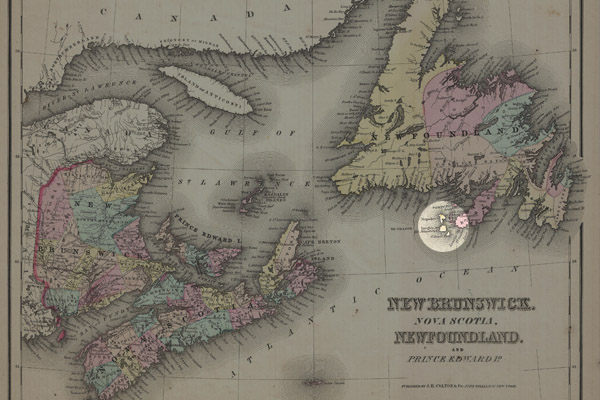
Map of St. Pierre & Miquelon
A map of Atlantic Canada from the 1700s showing St. Pierre & Miquelon.

Almost overnight, the entire colony experienced prosperity like never before as a prime liquor hub for much of North America.  The French government spent close to 20 million francs to improve its harbor and storage facilities, which were now accommodating a thousand ships each year.  Despite its low import duties, income from customs alone was three times the operating budget of St. Pierre & Miquelon before prohibition.  Gangsters in pinstriped suits and fedora hats could be seen wandering around L’Hotel Robert, including Al Capone who was rumored to have a private residence on the island.   And with more than two million gallons of Canadian whiskey being exported in just one year, a branch of the Canadian Bank of Imperial Commerce was established on the territory.  Considering the Dominion was doing more business there than they were with Argentina, Australia, Ireland or China, it wasn’t a bad decision at all.

Of course, getting the alcohol to St. Pierre was the easy part.  Illegally exporting it to the United States was the dangerous job left to rum runners who risked arrest and seizures if caught by American customs officers.   One famous bootlegger who visited St. Pierre and Miquelon frequently was Bill McCoy (a.k.a. The Real McCoy) who battled not only high-speed pursuit boats but also potential hijackers once his ship, the Sable Island departed for the east coast.  Thankfully helping him and others every step of the way were locals armed with secret radio transmissions and years of experience navigating vessels.  After all, it was their financial futures that lay in getting as many bottles as possible to U.S. soil.
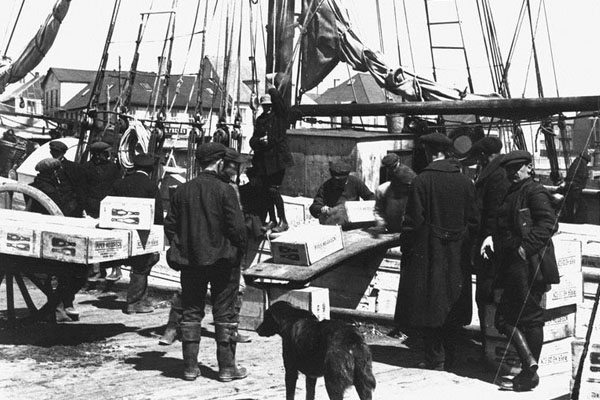
Prohibition and St. Pierre & Miquelon islandsLocals and rum runners loading a ship with what appears to be wine on St. Pierre.

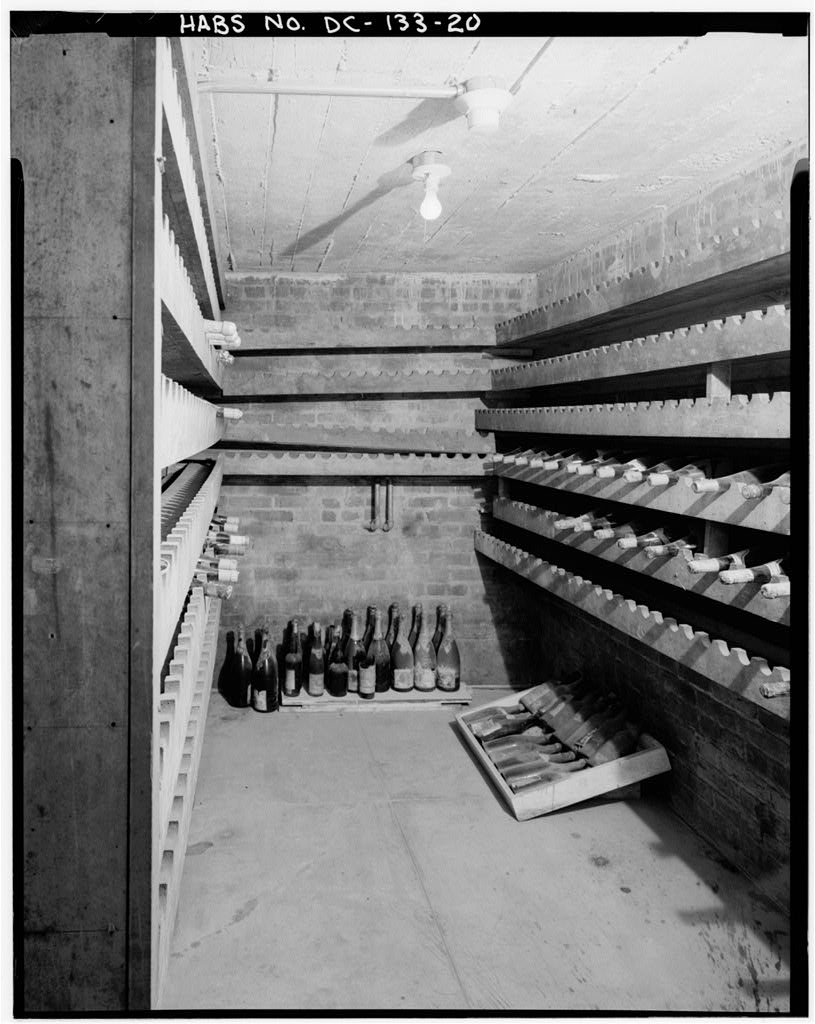
For the more than three thousand people who lived on the islands, the rising economic tide was lifting all boats.  Despite a massive construction boom, the storage facilities were still inadequate, causing liquor companies to pay private homeowners for use of their basements to stockpile nearly four million bottles of either champagne or whiskey at any given time.  The liquor trade was so profitable that most residents who had previously made a living as fishermen were now either living off the easy money or making even more by transporting the alcohol along with the likes of McCoy and the other bootleggers.  But it wasn’t like they had any choice—the refrigeration plants used to store fish had been converted into liquor warehouses.

Unfortunately, what goes up must eventually come down.

Just as the economic miracle of St. Pierre & Miquelon rose to new heights with the enactment of prohibition, it would burst even more quickly after repeal of the Eighteenth Amendment in 1933.  With America reverting back to a wet nation, the demand dried up almost overnight on the islands, causing a massive depression that was to be felt for years to come as both gangsters and Canadian bankers left for greener pastures.  Even today, despite a more diversified economy coming from tourism and oil and gas exploration, the archipelago hasn’t experienced a boom like they did during those thirteen years. Never again would St. Pierre according to Canadian historian Peter C. Newman be “buried in an avalanche of freight, pungent with the smell of superior liquor … so strong that at times the fog that rolled up St. Pierre’s steeply inclined streets with the nightly tides would carry a distinct Scotch flavour.”

Sources:

Anglin, Douglas G. The St. Pierre and Miquelon “Affaire” of 1941: A Study in Diplomacy in the North Atlantic Quadrangle. Toronto: University of Toronto Press, 1966.
Hunt, C.W. Booze, Boats & Billions: Smuggling Liquid Gold. Toronto: McClelland & Stewart, 1988.
Okrent, Daniel. Last Call: The Rise and Fall of Prohibition. New York: Scribner, 2011.
Schneider, Stephen. Iced: The Story of Organized Crime in Canada. New York: John Wiley & Sons, 2009.


You might also like:
Have you ever visited St. Pierre & Miquelon?

View Results

Loading ... Loading ...
Ask Sid: Gas or Charcoal BBQ?

February 18th, 2015 by Joseph Temple
Ask your question here The International Wine & Food Society

Charcoal or gas barbecue

Question: Never too early for BBQ season. Do you prefer using gas or charcoal?

Answer: I prefer charcoal but this always is a hot issue open to much debate. Convenience is a big factor in support for gas. Instant ready to go heat is useful and the clean-up is so easy.

I like the taste better from charcoal as you get real smoke that adds complexity to so many dishes. Even vegetables and fruits like asparagus, corn, burnt beets, peaches, and radicchio seem to combine a unique bitter sweetness after their time spent on a charcoal grill. However, many restaurants use gas to prepare your seared steak. Depends on what you are used to and what you personally like. Some even use a wood burning grill which gets my very highest recommendation. Recall so many memorable dishes by the artistic Argentine Chef Francis Mallmann where you can smell the special woods burning as they cook your delicious food. This is the best BBQ experience!


You might also like:

Ask Sid

What do you prefer?

View Results

Loading ... Loading ...
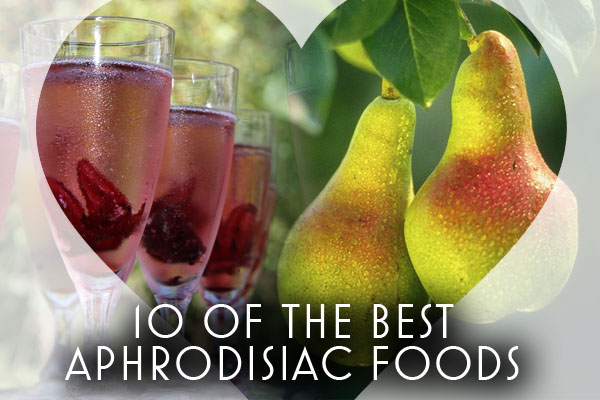
10 of the best Aphrodisiac Foods!

February 13th, 2015 by Joseph Temple

love, sex and food
By Joseph Temple

Valentine’s Day is tomorrow!  So if you’re looking for a dish to prepare at home or an item to order at a restaurant while you’re on a date with that special someone, try one of these ten ideas. Bon Appetit!
blank


sensual foods
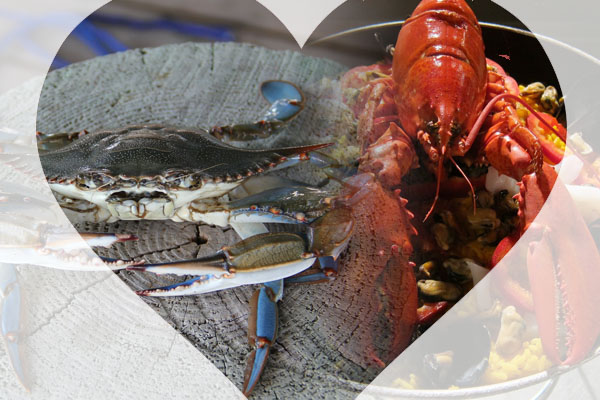
1. Crab & Lobster

blank

Chocolate
2. Chocolate

blank

sensual foods
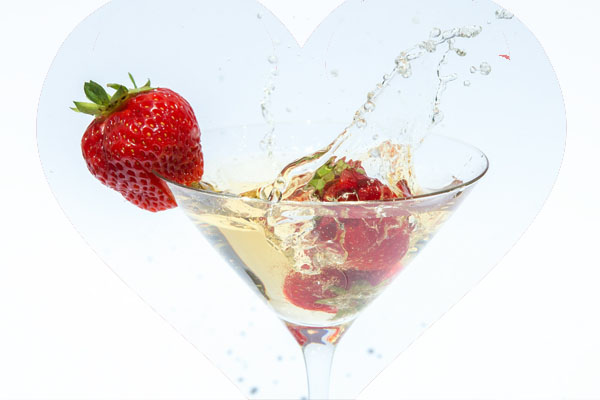
3. Strawberries

blank
sensual foods
By Alpha (Flickr) [CC BY-SA 2.0], via Wikimedia Commons

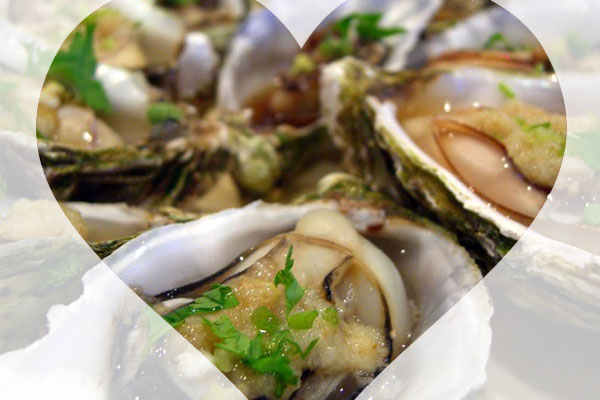
4. Oysters

blank

sensual foods
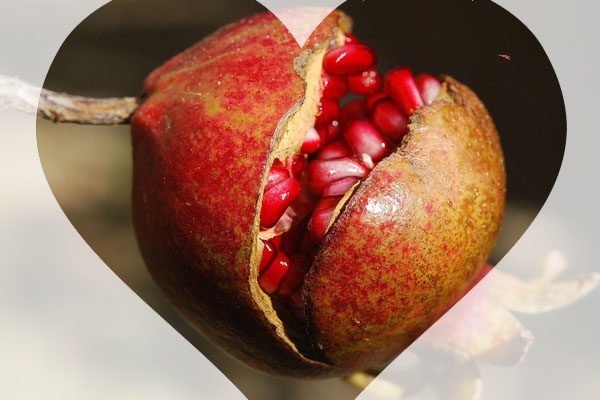
5. Pomegranates

blank

sensual foods
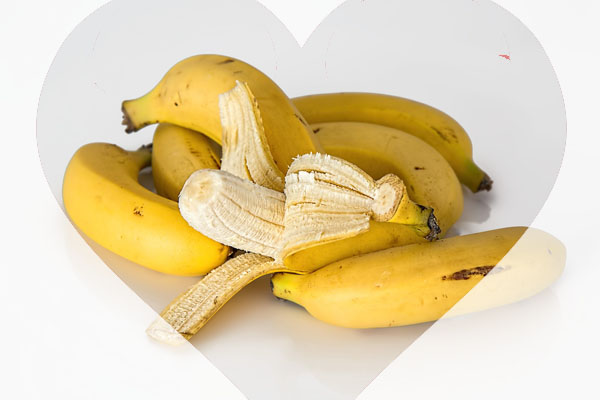
6. Bananas

blank

Salmon Avocado
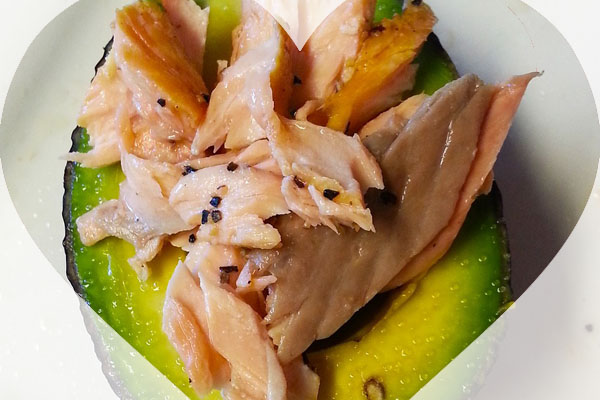
7. Salmon & Avocado

blank

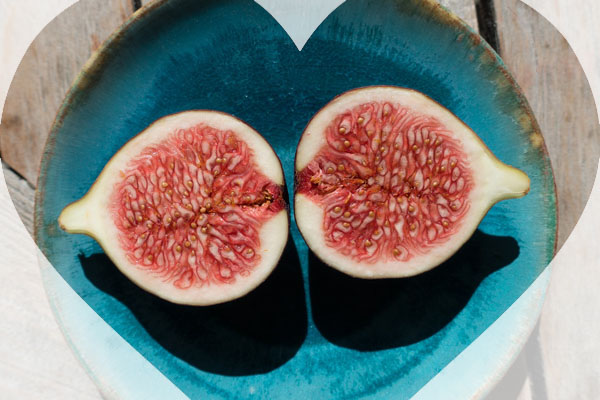
Figs
8. Figs

blank

sensual foods
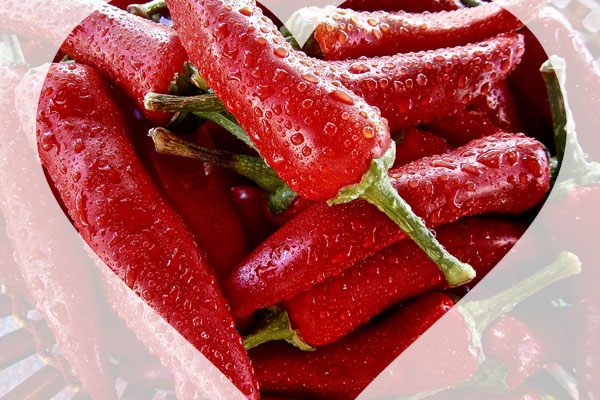
9. Hot Chili Peppers

blank
sensual foods
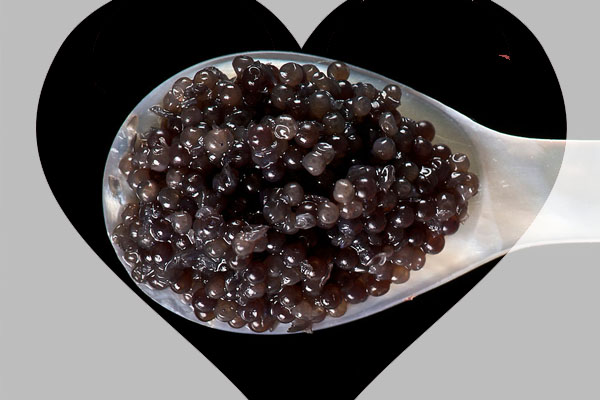
By Caviar_spoons.jpg: THORderivative work: Saibo (Δ) (Caviar_spoons.jpg) [CC BY 2.0], via Wikimedia Commons

10. Caviar

blank


You might also like:

What dish do you think is the best?

View Results

Loading ... Loading ...
Ask Sid: New European Wine Classifications

February 11th, 2015 by Joseph Temple
Ask your question here The International Wine & Food Society

Ask Sid Cross

Question: For the first time I have seen a new French appellation marking: protegee. The actual appellation mentioned on the label said “Appellation Saint Joseph protegee”. What can you tell us about this new marking?  Why does it say protected all of a sudden?

Answer: Good timely question. You will be seeing more of this on the labels of the new wines arriving at your local wine shop. Most of us are familiar with the wine appellation systems in France for specific locations defining where the grapes are grown and the wine is produced. Starting with 2012 the European Union has intervened and these systems are now revised. For example there is no longer any wines labelled VDQS. There now are 3 main categories:

1.      VIN DE FRANCE Basic wines formerly called Vin de Table. Quite a general name lacking any specific location but enticing to use because easier to comply with than the stricter regulations of the 2 higher categories. May find more wineries using this including the new natural wines. We should all encourage more information on the back label from the wineries to help the consumer understand where the wine grapes are actually grown.

2.      INDICATION GEOGRAPHIQUE PROTEGEE (IGP) Basically replacing the former Vin de Pays (“country wine”) such as the old Vin de Pays d’Oc from Languedoc-Roussillon and the like.

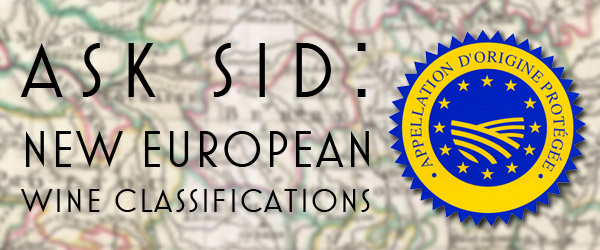
3.      APPELLATION D’ORIGINE PROTEGEE (AOP) These are the very top wines starting in 2012 such as your Saint Joseph Syrah from the Northern Rhone which are protected (protegee) and basically replacing the former Appellation d’Origine Controlee (AOC) designation.


You might also like:

Ask Sid

Were you aware of these changes?

View Results

Loading ... Loading ...

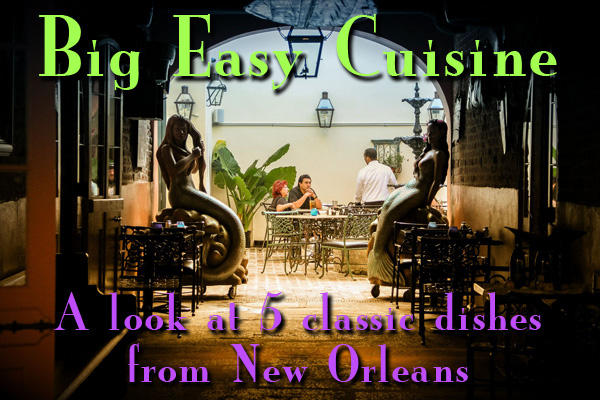
Big Easy Cuisine: a look at 5 classic dishes from New Orleans

February 6th, 2015 by Joseph Temple

A look at 5 classic dishes from New Orleans
By Joseph Temple

One of the greatest benefits of joining the International Wine & Food Society is the opportunity to travel around the world by attending the various festivals held throughout the year.  Since 2012, members have cruised down the Rhône River, soaked up some sun in Puerto Vallarta and dined in style at our most recent International Festival in Vancouver, British Columbia.

And this year, things are off to a great start as we travel to the city of New Orleans for what promises to be an outstanding culinary weekend.  With images of jazz trumpets, flickering gas lamps and Cajun/Creole inspired foods, the Big Easy is world renown for both its southern hospitality and a proud gastronomic heritage that is older than the country itself.  Writing about Crescent City cuisine, legendary author Mark Twain described it “as delicious as the less criminal forms of sin.”

So for this week’s entry, have a look at four dishes and one drink that were created in the city’s most legendary restaurants, markets and bars:


Antoine's New Orleans
By Pachango (Own work) [CC BY-SA 3.0 or GFDL], via Wikimedia Commons

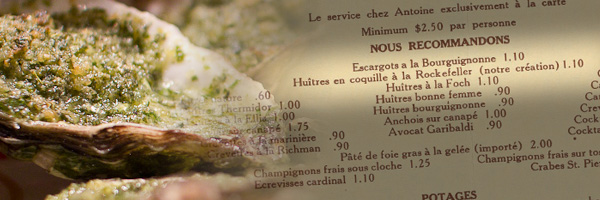
1. Oysters Rockefeller

No history of New Orleans cuisine is complete without a reference to Antoine’s – a cornerstone of the French Quarter since 1840.  With thirteen different dining rooms and a wine cellar that stores approximately 25,000 bottles, every foodie and oenophile needs to visit there at least once during their lifetime.

Of course, the restaurant’s most famous dish that’s often imitated but never duplicated is Oysters Rockefeller, created by second-generation owner Jules Alciatore in 1889.  Using a rich puree as the secret ingredient that’s been closely guarded for over a century, no one except the current ownership knows exactly what makes these Oysters taste so delicious.  Bottom line: you haven’t tried them until you eat there.

blank
New Orleans Sicilian culinary heritageBy sailn1 (Flickr: [1]) [CC BY 2.0], via Wikimedia Commons

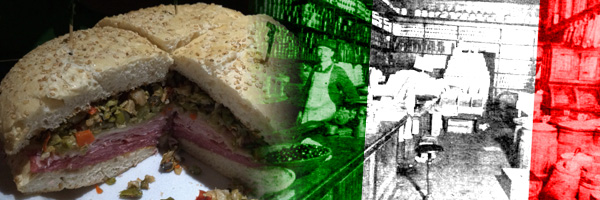
2. Muffuletta

Looking back at the many groups who made New Orleans into what it is today, there is no denying the impact that Sicilians have had on this city.  From St. Mary’s Church on Chartres Street to the annual festivities on St. Joseph’s Day, the fingerprints of southern Italy can be seen all over town.  But in terms of their culinary contribution, look no further than the many Italian-owned grocery stores, some of which are still in operation to this day.  In fact, due to the outstanding quality of food sold in these stores, New Orleans rejected the arrival of big-chain supermarkets for many years.

The most well-known market, which opened its doors for the first time in 1906 is Central Grocery, founded by Sicilian immigrant Salvatore Lupo.  And a big reason for its century-long success is that it can lay claim to being the spot where the famous Muffuletta sandwich was invented.  Consisting of firm-bodied Italian bread loaded with cold cuts that include mortadella and Genoa salami, provolone cheese and olive salad, this delicacy is the quintessential Crescent City dish.  So if you’re looking for that authentic NOLA experience, step back in time and experience what an old-fashioned Italian grocery was like while chowing down on this tasty sandwich.
blank

New Orleans po boy
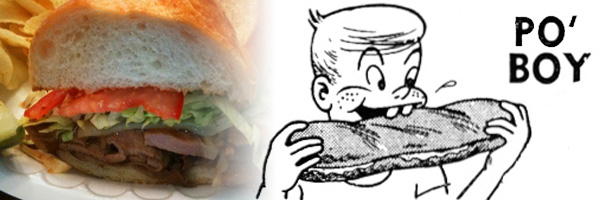
3. The Po’ boy

Without question, there’s no shortage of fine-dining establishments in the city of New Orleans.  But if you’re looking for a bite to eat for lunch or some moderately priced fare, you’ll need to try the world-famous Po ’boy sandwich that is sold all over the city.

According to legend, the dish got its name during a violent streetcar strike in 1929, when a sympathetic sandwich shop owner fed striking rail workers or “poor boys” as he called them for free during the entire dispute.  Since then, this concoction consisting of French bread filled with either gravy soaked roast beef or fried seafood and showered with fresh toppings has become one of the city’s most popular meals.  Whether you’re young or old, rich or poor, you’ll have to try a Po ’boy when you’re in New Orleans.

blank
New Orleans dessert
By Kimberly Vardeman (Flickr: Brennan’s Bananas Foster Flambé) [
CC BY 2.0], via Wikimedia Commons
By vxla [CC BY 2.0], via Wikimedia Commons

4. Bananas Foster

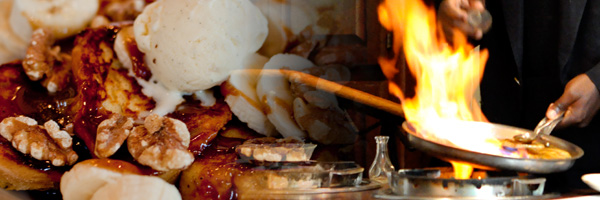
Somebody once said that dessert is the whole point of a meal.  And there’s no dessert that’s more synonymous with New Orleans than Bananas Foster.  Created at Brennan’s in 1951 when the restaurant was on Bourbon Street, this is a simple, but satisfying dish of ice cream covered with bananas cooked in a rich brown sugar sauce.  Of course, what makes this dessert a memorable experience is when your server pours rum over this rich dish table side and lights it on fire!

blank
Pat O'Brien's New Orleans drink
By Gary J. Wood (Flickr: Pat O’Brien’s Courtyard) [CC BY-SA 2.0], via Wikimedia Commons

5. The Hurricane

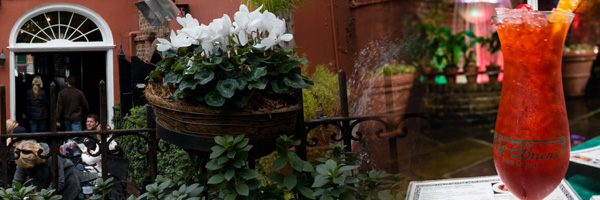
From the Grasshopper to the Ramos Gin Fizz, there are many memorable beverages that were born in the bars of the Big Easy  But no signature drink is more recognizable and timeless than the Hurricane and its distinct vase-shaped glass.  Created at Pat O’Brien’s, known today as the “the Mount Rushmore of bars” in the mid-1940s, the former speakeasy owner stumbled upon something incredible when he decided to unload his rum – an unpopular spirit at the time – by mixing it with fresh lemon juice, passion fruit syrup and crushed ice. Selling it in what has become known as the Hurricane glass, this libation went on to be one of America’s most popular cocktails that extends well beyond the boundaries of the French Quarter.
blank

Sources:

Besh, John. My New Orleans: The Cookbook. Kansas City: Andrews McMeel Books, 2009.
Maruzzi, Peter. Classic Dining: Discovering Americas’ finest mid-century restaurants. Layton: Gibbs Smith, 2012.
Murphy, Michael. Eat Dat New Orleans: A guide to the unique food culture of the Crescent City. New York: Countryman Press, 2014.
Stern, Jane & Michael. Roadfood Sandwiches: Recipes and Lore from Our Favorite Shops Coast to Coast. New York: Houghton Mifflin Company, 2007.


Since 1935, The International Wine & Food Society has had a branch in the city of New Orleans – one of the very first branches founded in North America by André Simon.


You might also like:

What's your favorite?

View Results

Loading ... Loading ...

Older Entries
Newer Entries
The object of the Society is to bring together and serve all who believe that a right understanding of good food and wine is an essential part of personal contentment and health and that an intelligent approach to the pleasures and problems of the table offers far greater rewards than the mere satisfaction of appetite.
Andre Simon Wine & Food Society Founder (1933)
© 2026 The International Wine & Food Society (IW&FS) IW&FS
Credits | Privacy | Accessibility