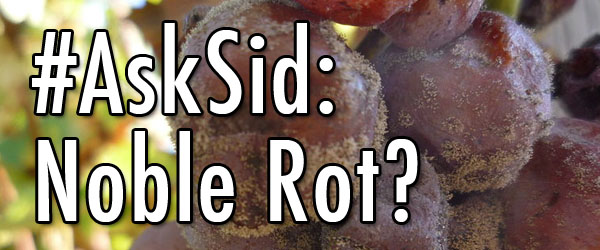
Answer: Good point! Rot in grapes is generally not noble but a bad thing resulting in decomposition of unhealthy grapes. Grey rot is often still an issue and we remember well the widespread sour rot problems in the Okanagan especially during the 2013 & 2004 vintages. However, healthy ripe grapes in hot misty conditions may be attacked by the fungus botrytis cinerea (particularly in Sauternes, Tokaj, Germany and other unique regions) miraculously turning the individual berries into raisins and concentrating their juice – a noble rot indeed!
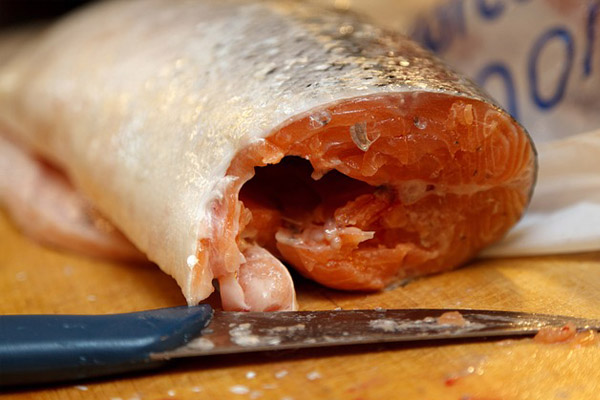
Vancouver Aquarium have a wonderful conservation program called Ocean Wise (www.oceanwise.ca) created “to educate and empower consumers about the issues surrounding sustainable seafood.” Overfishing is a growing threat to our oceans and your seafood choice does make a difference. Encourage you to go to their website and download their exciting new app that contains an outstanding Seafood Guide for reference. It is continually being updated giving you seasonal ocean-friendly options across Canada from Victoria to Halifax.
Ocean Wise also organize a popular annual Chowder Chowdown competition held in the cities of Vancouver, Calgary and Toronto with the 2015 winners posted on their site. In Vancouver on November 18 this scribe was one of the judges tasting the chowder prepared by 14 finalists and awarding the championship to Chef Roger Ma of Boulevard Kitchen & Oyster Bar (www.boulevardvancouver.ca) for his delicious Lobster Miso Chowder. They presently are flying high at Boulevard as their Chef Alex Chen won the next night in Victoria at the BC Gold Medal Plates competition (which I also judged) with an amazing local heritage warm pork terrine “head to tail” with chestnuts, foie gras, fresh Oregon truffles, carrot puree. and umani jus. Alex Chen now will be competing in the Canadian Culinary Championships (www.goldmedalplates.com) in Kelowna BC February 4-6, 2016.
Also check out the Monterey Bay California Aquarium Seafood Watch for their recommendations in the USA at www.seafoodwatch.org
Earlier this month, Spectre, the twenty-fourth installment of the James Bond series debuted in movie theaters across North America. Spanning more than fifty years, this enormously profitable franchise has raked in over six billion dollars in box office receipts ever since Sean Connery starred as 007 in 1962’s Dr. No. Featuring exotic locations, gorgeous women and death-defying stunts requiring a suspension of disbelief (see Moonraker), the James Bond character has sustained his enormous popularity with movie going audiences for over half a century. Daring yet culturally sophisticated, the British spymaster is known for many things: fine-tailored tuxedos, a Walther PPK and of course—Martinis, shaken not stirred.
A drink request that is now part of the popular lexicon, Bond has become synonymous with this legendary cocktail. But often overlooked is 007’s passion for fine wines, which is evident in both the Ian Flemming novels as well as the numerous motion pictures from Connery to Daniel Craig. With the expert knowledge of a seasoned sommelier, Bond has put his skills as an oenophile to good use, whether it’s stopping the bad guys or seducing the ladies.
A quintessential example can be seen in 1963’s From Russia With Love. Traveling by train on the Orient Express, Bond has dinner alongside a beauty named Romanova and an assassin who calls himself Nash. Posing as a friendly contact, he blows his cover by committing the ultimate faux pas for wine aficionados. Ordering a grilled sole, the double agent asks for a glass of Chianti to pair with his seafood.
“Red wine with fish—that should have told me something,” shouts Bond as he later battles the armed SPECTRE agent.
And in addition to these food-pairing skills, 007 is quite fond of only the best in terms of bubbly. With the iconic Fontainebleau Hotel providing the backdrop for Bond’s bikini clad mission in 1965’s Goldfinger, even his seductive blonde companion is incapable of luring him back into bed when it is discovered that a bottle of 1953 Dom Pérignon has a temperature above 38 degrees Fahrenheit. “My dear girl, there are some things just aren’t done,” insists Sean Connery who heads toward the fridge with a not-so-subtle jab against the Fab Four. “That’s as bad as listening to The Beatles without earmuffs.”
The ’53 Dom is also referenced in Dr. No when Bond is about to use a lesser vintage as a weapon in his enemy’s underwater lair. “That’s a Dom Pérignon ’55—it would be a pity to break it,” says the evil doctor, which leads 007 to respond with “I prefer the ’53 myself.”
With product placement now a cornerstone of the franchise, many champagne houses have been featured including Veuve Clicquot, Krug and especially Bollinger, which is shown in more than a dozen of the post-Connery Bond flicks. One memorable scene from 1979’s Moonraker features the popular villain-turned-hero Jaws popping open a bottle with his infamous teeth.
Moving from bubbly to Bordeaux, Bond is able again to unmask his would-be-assassins at the dinner table with their lack of wine knowledge. In 1971’s Diamonds Are Forever, after pouring a bottle of 1955 Mouton Rothschild, 007 comments that “I had rather expected a claret.” When the villain states that they have little claret on board the ship, alarm bells go off since Mouton is from Bordeaux or what the English refer to as claret. So much for posing as an undercover sommelier.
In the book James Bond and Philosophy: Questions Are Forever, the authors write, “He immerses himself in the enjoyment of the best foods, wines and women. The indulgences, which we see in the films, are even more pronounced in the novels—Bond takes such pleasure in the details of creating his own martinis and named them after women, ordering the best caviar, making wine suggestions to the sommelier … He is a true connoisseur.”
Of course, when it comes to drinking the best wines in the world, you only live once—or maybe twice!
Sources:
Held, Jacob M. & South, James B. James Bond and Philosophy: Questions Are Forever. Chicago: Open Court Publishing, 2006. Leigh, David. The Complete Guide to the Drinks of James Bond. Raleigh: Lulu.com, 2010.
Nitins, Tanya. Selling James Bond: Product Placement in the James Bond Films. Newcastle: Cambridge Scholars Publishing, 2011.
Question: I am doing more blind tastings of wines and hoping to be asked as a wine competition judge sometime in the future. What in your opinion is the best skill I can learn to become better?
Answer: Many factors are involved including your taste buds but for me the aromatics are the real key. Broad tasting experience combined with a good wine memory are really invaluable in assessing the quality. Get to know the characteristics shown by the different grape varieties. Do you recognize some familiarity of that grape variety or the style of the blend when you first smell it? I find covering the glass with my hand while swirling the glass initially helps concentrate the aromas for that important explosive first impression. At a tasting yesterday with experienced tasters I again noted that most people seem to have quite different tolerances for faults in a wine like corky TCA and sulphur levels. Your eyesight and hearing now can be improved but your sense of smell and taste are less easily corrected. Some tasters just seem to be more sensitive than others.
As the vineyards in British Columbia continue to mature with a history of vintages behind them it is educational to check out their performance. Pinot gris followed by chardonnay for whites and merlot chased by pinot noir for reds lead the way in the most planted varieties. I continue to be impressed by the success and progress being made by pinot noir.
Since 1971 the Mavety family (Ian, Jane, Matt & Christie) of Blue Mountain Estate (www.bluemountainwinery.com) overlooking Vaseaux Lake in the Okanagan has led the way now with continuous grape production of over 40 years and consistently producing such elegant outstanding pinot noir (4 clones) vintages with age ability and always of tremendous value for the quality.
Lots of newer producers making their mark too led by the world class Foxtrot Vineyards (www.foxtrotwine.com). Several recent tastings of their wines has confirmed my opinion. Another small family-owned and operated winery further north in the Okanagan Valley on the upper Naramata Bench in British Columbia. Founders Torsten Allander for quality control management, wife Kicki for meticulous cultivating of the vines and winemakers son Gustav and wife Nadine now have vintages from 2004 onwards (before that the grapes went for a while to Kettle Valley Winery). They are taking advantage of a special vineyard location all with own rooted Dijon clone 115 planted in the mid 1990s uniquely in east-west rows on 2 distinct blocks with the upper one gravelly glacial till providing structure, balance, intensity and some spice while the lower one on alluvial silt loam with sand & clay contributes more aromatics with rich soft texture. So different they could be 2 specific vineyard labels but are presently being combined for a very successful whole. Even their distinctive label of the resident black bear Fred dancing the foxtrot with a harvest picker gives a sense of place. The wines show a sensible balanced 13.7 alcohol most vintages (13.5 in 2009 & 13.6 in 2010) usually with a Naramata Bench reference though confusing export regulation issues have that missing on the 2007, 2008 and 2012 but they assure me it is always all only their own estate fruit. Sustainable farming with low yields from hands-on bunch & canopy management for light and air exposure minimizes mold and rot with a conscientious selection table of the grapes right in the vineyard. Some impressions:
2004: Harvested October 10 at 2 tons per acre (lower 5.55 acid & 3.92 pH) with a 3 day cold soak with 100% new Francois Frere oak barrels of Allier & Nevers medium +medium plus toast for 16 months at highest alcohol of 14 bottled July 2006. Still alive with an almost DRC enticing oriental spice bouquet. Exquisite.
2005: Also 100% new oak but eliminated the Nevers using 80% Troncais & 20% Allier. Maturing but solid elegant fruit with acidity still there. Pure.
2006: Balance and elegance a trademark. Hahn Vineyards on their helpful Pinot noir clone wheel describes Dijon clone 115 “as adds aromas of black cherry, anise, leather and rose” and you have all those elements there. Interesting that in the early days respected Swedish wine writer @anders_levander tried the 2006 (90), 2007 (92), and 2008 (93) giving them high marks and very complimentary comments!
2007: Crop level 1.8-2 ton/acre with 33% whole cluster (acid 6.3 & 3.83 pH) and 6 day cold maceration, different yeasts, manual punch down over 14 days with still 100% new Francois Frere 80/20 and bottled unfiltered May 2009. Cherry raspberry floral spice with good layers of more powerful silky textures with length.
2008: Cooler year with harvest starting October 28. Mix of destemmed and whole cluster at 28 hl/ha cold macerated 5 days. Yeasts, punch down and oak the same as 2007 but acid higher at 6.63 and pH lower at 3.62. Levander in Livets Goda article said ” darker than previous vintages” and so “elegant and aristocratic” with “complexity and finesse”. Now shows more blackberry plums combining well the power and elegance you admire in a classy pinot noir with a subtle earthiness.
2009: 33 hl/ha harvested October 9. Compensated for the extreme heat of the year with more leaf coverage to protect the fruit resulting in a surprising lighter colour than the cooler 2008. Manual punch downs 3 times a day extended between 14-21 days. Like the earthy forest floor with excellent fruit in a restrained elegant complex presentation. No rush.
2010: Cooler year but another success. As the vines are getting older and growing deeper the clone 115 expression is becoming less obvious and the minerals and terroir of the specific Naramata Bench site are more prominent. Impressive.
2011: Again cool with 28hl/ha harvested October 27. Acid 6.78 and pH 3.56 and oak barrel time extended to 18 months. Bottled October 2013. Harmony amazing for such a cool year. More red fruits but classic earthy elegant dry style. Super food wine.
2012: Facing west with more sun and good weather in 2012 the resulting thicker skins delivered a real treasure here. Picked October 26 with higher acid 6.93 & lower pH 3.49 which is promising for the future. Like the balance of darker fruits with lively acidity plus special bold smooth rounder tannins. A winner! Highly recommend cellaring.
2013, 2014 & 2015 are all very encouraging vintages too. Burgundian structure combined with special New World exuberance. What a property to follow and collect. World class!




 Loading ...

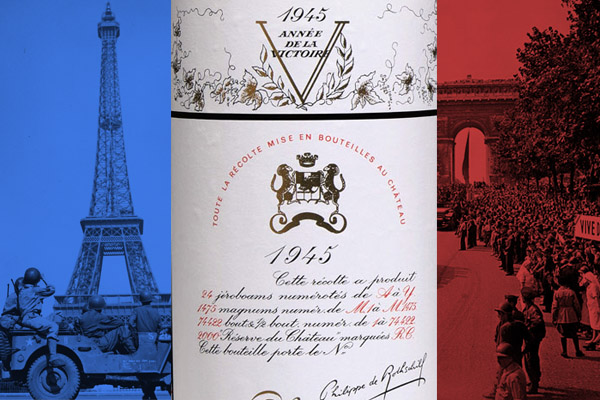


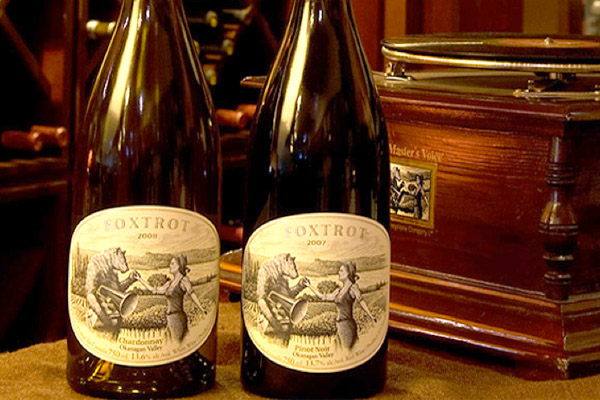 Photo Credit: www.foxtrotwine.com