menu
Member Sign In
  • IWFS Homepage
  • Blog Home
  • Forums Home
  • Global Forum
  • Contact Us
Close
  • IWFS Homepage
  • Blog Home
  • Forums Home
  • Global Forum
  • Contact Us
    Member Sign In
  • Blog Home
  • Forum Home
  • Global Forum

Follow Us

Recent Posts

  • OUR 2002 RED BURGUNDY VERTICAL IS AGING WELL, SHOWCASING REFINED PRECISION WITH TERROIR-DRIVEN CHARM
  • Ask Sid: Thoughts of Sid Cross on the Judgement of Paris historic wine tasting at the 50th Anniversary?
  • EDUCATIONAL #AUSSIEWINE SEMINAR “CLASSIC AND CONTEMPORARY AUSTRALIA” BY KNOWLEDGEABLE MARK DAVIDSON WAS A BIG HIT AT @VANWINEFEST
  • Ask Sid: Was it 50 years since California bested France in a Paris wine tasting?
  • HORIZONTAL TASTING OF RED BORDEAUX 2015 SHOWS FRUIT FLESHINESS WITH VARIABILITY + OUTSTANDING BENTO BOX

Archives

  • April 2026
  • March 2026
  • February 2026
  • January 2026
  • December 2025
  • November 2025
  • October 2025
  • September 2025
  • August 2025
  • July 2025
  • June 2025
  • May 2025
  • April 2025
  • March 2025
  • February 2025
  • January 2025
  • December 2024
  • November 2024
  • October 2024
  • September 2024
  • August 2024
  • July 2024
  • June 2024
  • May 2024
  • April 2024
  • March 2024
  • February 2024
  • January 2024
  • December 2023
  • November 2023
  • October 2023
  • September 2023
  • August 2023
  • July 2023
  • June 2023
  • May 2023
  • April 2023
  • March 2023
  • February 2023
  • January 2023
  • December 2022
  • November 2022
  • October 2022
  • September 2022
  • August 2022
  • July 2022
  • June 2022
  • May 2022
  • April 2022
  • March 2022
  • February 2022
  • January 2022
  • December 2021
  • November 2021
  • October 2021
  • September 2021
  • August 2021
  • July 2021
  • June 2021
  • May 2021
  • April 2021
  • March 2021
  • February 2021
  • January 2021
  • December 2020
  • November 2020
  • October 2020
  • September 2020
  • August 2020
  • July 2020
  • June 2020
  • May 2020
  • April 2020
  • March 2020
  • February 2020
  • January 2020
  • December 2019
  • November 2019
  • October 2019
  • September 2019
  • August 2019
  • July 2019
  • June 2019
  • May 2019
  • April 2019
  • March 2019
  • February 2019
  • January 2019
  • December 2018
  • November 2018
  • October 2018
  • September 2018
  • August 2018
  • July 2018
  • June 2018
  • May 2018
  • April 2018
  • March 2018
  • February 2018
  • January 2018
  • December 2017
  • November 2017
  • October 2017
  • September 2017
  • August 2017
  • July 2017
  • June 2017
  • May 2017
  • April 2017
  • March 2017
  • February 2017
  • January 2017
  • December 2016
  • November 2016
  • October 2016
  • September 2016
  • August 2016
  • July 2016
  • June 2016
  • May 2016
  • April 2016
  • March 2016
  • February 2016
  • January 2016
  • December 2015
  • November 2015
  • October 2015
  • September 2015
  • August 2015
  • July 2015
  • June 2015
  • May 2015
  • April 2015
  • March 2015
  • February 2015
  • January 2015
  • December 2014
  • November 2014
  • October 2014
  • September 2014
  • August 2014
  • July 2014
  • June 2014
  • May 2014
  • April 2014
  • March 2014
  • February 2014
  • January 2014
  • December 2013
  • November 2013
  • October 2013
  • September 2013
  • August 2013
  • July 2013
  • June 2013

Meta

  • Log in
  • Entries feed
  • Comments feed
  • WordPress.org

Author Archive

Older Entries
Newer Entries

Staying Wet In A “Dry” Town: A Look At President Woodrow Wilson’s Wine Cellar

May 9th, 2014 by Joseph Temple

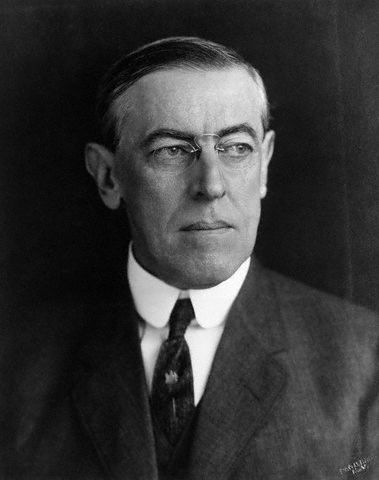
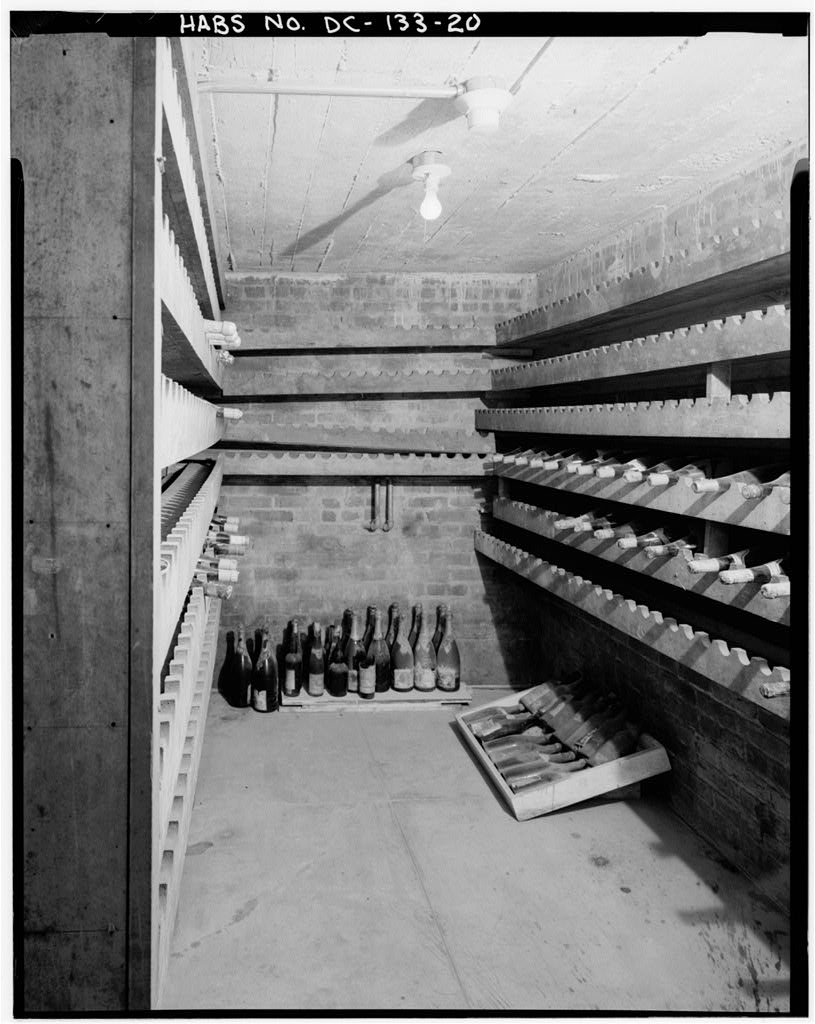
President Woodrow WilsonWoodrow Wilson Wine Cellar(Left) President Thomas Woodrow Wilson. (Right) Wilson’s wine cellar at 2340 S St NW, Washington, DC. Photos courtesy Library of Congress. (click to enlarge)

By Joseph Temple

A great show to check out on the History Channel is 10 Thing You Don’t Know About, a documentary series that uncovers little-known facts about popular historical subjects.  And during a recent episode dealing with the topic of prohibition, viewers were given a fascinating tour of President Woodrow Wilson’s private wine cellar.  According to the historian interviewed on the program, the collection was moved directly from the White House to Wilson’s home at 2340 S Street in Washington DC as he left office in March of 1921.  But with prohibition in effect – and the transportation of alcohol illegal – the ex-president was given a special exemption by Congress to move his vast collection to what is now known as Woodrow Wilson House, a U.S. National Historic Landmark.

Reading Garrett Peck’s Prohibition in Washington D.C.: How Dry We Weren’t, the author notes that Wilson’s collection included many bottles of Champagne and Bordeaux from the 1920s which were probably given to him and his wife by Parisian diplomats working on Embassy Row in D.C. In fact, fellow Treaty of Versailles architect and former French Prime Minister Georges Clemenceau visited Wilson during his three-year stay on S Street.  Of course, being the good house guest, Clemenceau most likely brought a few bottles with him as a present for his gracious hosts!

Occupying the lowest room of the entire house, the president’s wine cellar symbolizes the many double standards of the prohibition era.  While the country’s poor risked prosecution for the mere consumption of alcohol, Wilson along with numerous manor-born politicians and wealthy elites acted as if the laws didn’t apply to them – and in most cases they didn’t.   Having a bottle in one hand and an Anti-Saloon League membership card in the other, many in Congress violated in private the policies they advocated for in public.  In fact, the reason why Wilson became so adamant in moving his collection from 1600 Pennsylvania Avenue was out of fear that his successor Warren Harding – a staunch supporter of the temperance movement — would drink it all.

Have you visited Woodrow Wilson House?

View Results

Loading ... Loading ...

Wine and Stamps

May 2nd, 2014 by Joseph Temple

By Joseph Temple

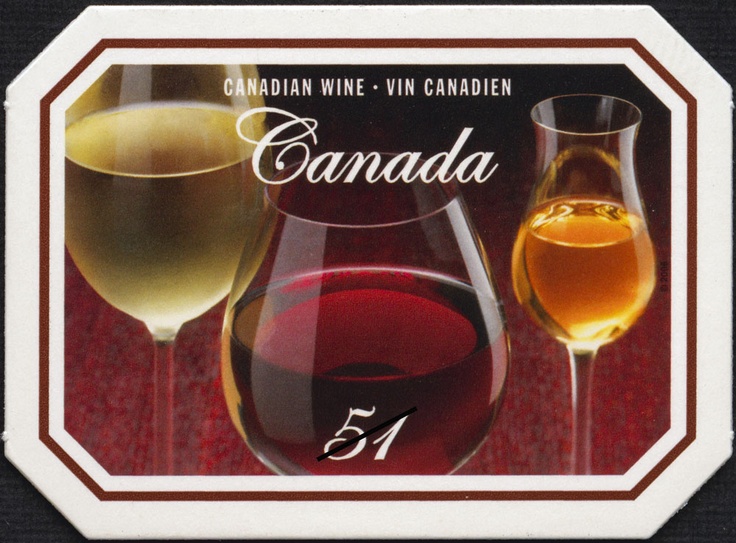
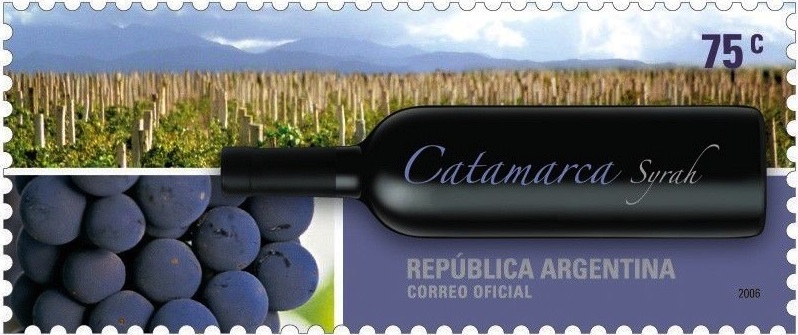
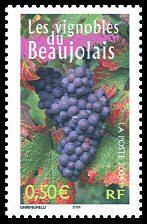
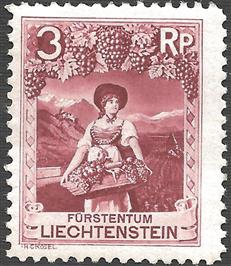
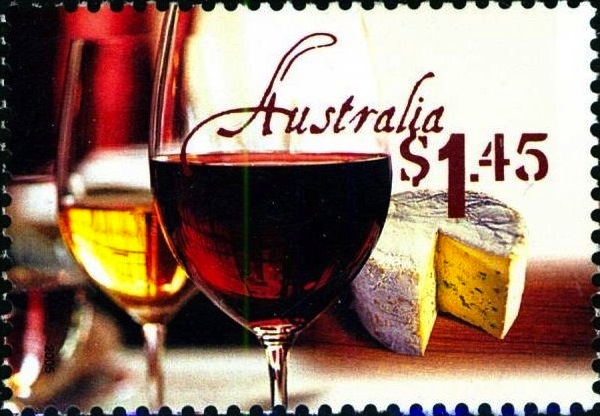
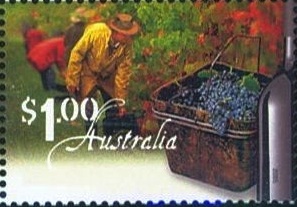
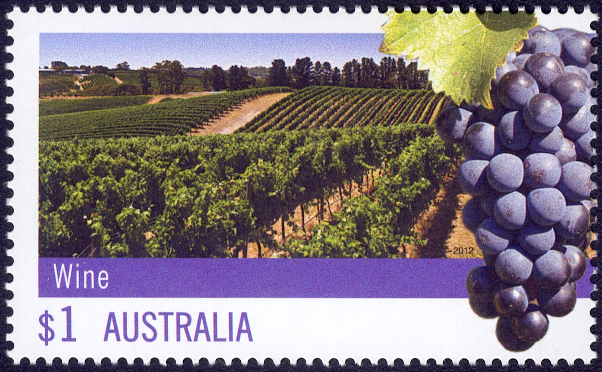
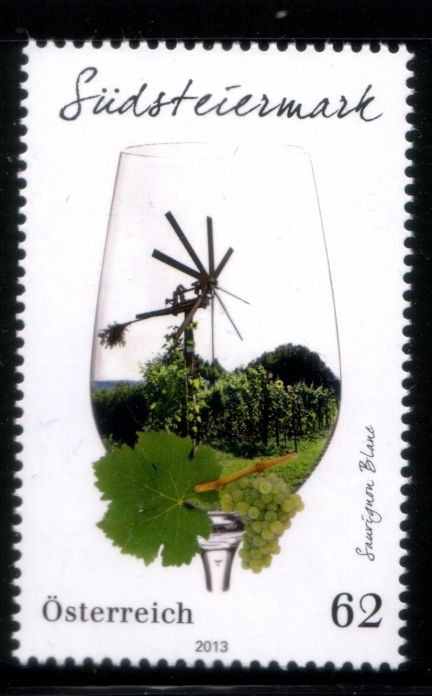
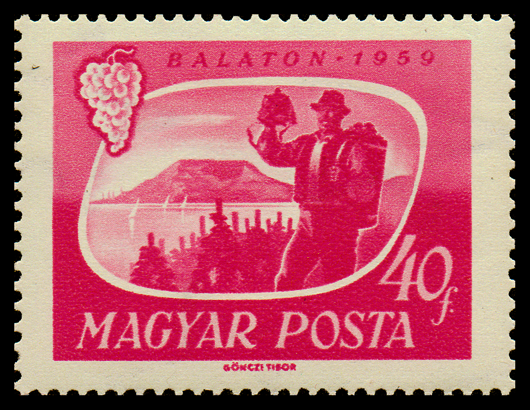
Monaco’s Prince Rainier III once said that a postage stamp is “the best ambassador of a country.”  So its no surprise that many nations around the world have decided to promote their local wine making industries through philately.  From Austria to Australia and from Canada to Chile, viticulture has been the subject of numerous commemorative stamps over the years.

Below you can find a few wine themed postage stamps (in no particular order).  Is there any one stamp that catches your eye?  Have we missed anything?  Please share your comments with us and visit this link to see more wine and food stamps on our Pinterest site.

Canada 2006 Wine Stamp Ontario Wine Trail Stamp Canada 2006 Wine Stamp
Hungary Wine Stamp Luxembourg Wine Stamp Argentina Wine Stamp
Beaujolais Stamp Chile Wine Stamp Liechenstein Wine Stamp South African Wine Stamp
Australia Wine Stamp Australia Stamp Australia Wine Stamp
Stamp_of_Moldova_md455 Austria Wine Stamp Champagne Wine Stamp Chile Wine Stamp
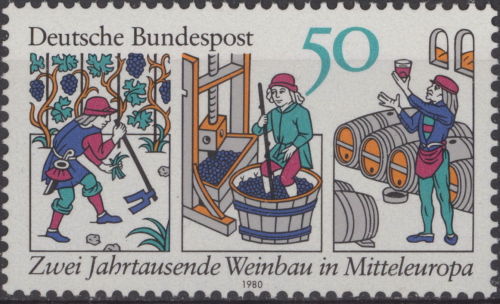
German Wine Stamp Moldova Stamp Hungarian Wine Stamp

What country creates the best wine stamps?

View Results

Loading ... Loading ...

Don’t Mess with Texas Wine

April 25th, 2014 by Joseph Temple

Don't mess with Texas wine
By Jon Lebkowsky from Austin, Texas, USA [CC BY-SA 2.0], via Wikimedia Commons

By Joseph Temple

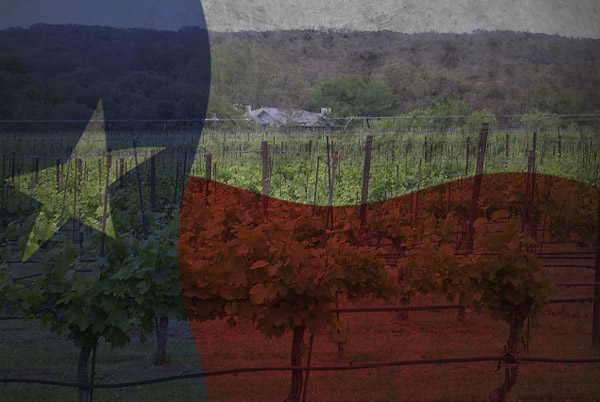
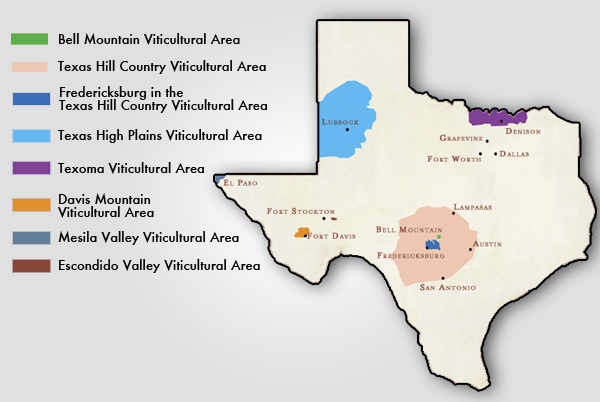
Texas, a place we sometimes associate with Stetson hats, grazing cattle, and pointy-eared armadillos.  But did you know that the second largest state in America is also carving out a reputation as a wine making hotspot?  In fact, with eight recognized American Viticultural Areas (AVAs) and nearly 300 wineries, the Lone Star State is now the fifth largest grape and wine producer in the United States.  And matching quality with quantity, 20 of their wineries recently took home a total of 87 medals at the 2014 San Francisco Chronicle Wine Competition.  Simply put – don’t mess with Texas wine!

Given the history, it makes sense that Texans would be drawn to viticulture.  According to its Wine & Grape Growers Association website, the state is where the first vineyard in North America was established.  Similar to California, the presence of Spanish missionaries resulted in a demand for sacramental wine, with much of it coming from vineyards grown adjacent to their places of worship.

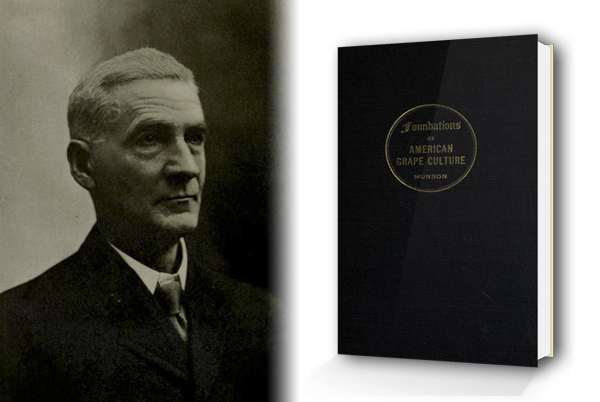
What many might not know is that a Texan saved European wine from complete devastation.  Thomas Munson was a Denison-based horticulturalist that through his travels developed more than 300 disease-resistant varieties of grapes.  So when phylloxera – a tiny insect that attacks the roots of grapevines — threatened vineyards across Europe, it was Munson who shipped his rootstocks to fight this disease.  Awarded the French Legion of Honor Cross of Merite Agricole in 1888 for his successful efforts, wine writer Karen MacNeil notes that to this day, the vines of Bordeaux and Burgundy have the same lineal rootstock as those in Denison and throughout Texas.

Thomas MunsonThomas Munson (left) helped to save European vineyards from phylloxera in the late 19th century. You can download his iconic 1909 book Foundation of American Grape Culture (right), which is now in the public domain for free by clicking this link.

Fast-forward to the present and that same can-do spirit is alive and well in the vineyards across Texas.  Of the eight AVAs, West Texas is home to several including Mesilla Valley, which encompasses El Paso County and neighboring New Mexico.  Relatively high in elevation, the area is known for a long growing season with cooling winds funneling through the valley to help maintain acidity levels, which tend to be lower in hotter climates.  Fourteen different grape varieties are grown there, including Chardonnay, Cabernet Sauvignon, Merlot, and Zinfandel.

Moving north up the panhandle is the Texas High Plains AVA, covering approximately eight million acres of land – of which 3,500 acres are used to make wine.  With a very dry climate, vintners are dependent on both the cooling winds and the subterranean Ogallala Aquifer, allowing them to produce Cabernet Sauvignon, Merlot and Chenin Blanc among others.

Traveling east to Munson’s hometown of Denison is the Texoma AVA, on the border with Oklahoma and just north of the Dallas/Fort Worth area.  Established in 2005, the wineries here number just six but with a diverse array of soil, both native Texas varieties as well as vitis vinifera varieties are grown here.

Texas AVA wine mapTexas AVA Map. Special thanks to GoTexanWine.org for the image.

Finally, covering an area of nine million acres is Texas Hill Country — the second largest AVA in the United States – encompassing the cities of Austin and San Antonio.  Being hundreds of miles away from the Gulf of Mexico insolates the vines from the hot and humid winds.

At the International Wine & Food Society, we have a solid presence across the state, with branches in Austin, Houston, Fort Worth, Northeast Texas and an upcoming branch in Dallas.  Perhaps these locals can chime in on what Lone State State wines they would recommend?

Have you tried wine from Texas?

View Results

Loading ... Loading ...
Dial P for Pinot Noir: Hitchcock & the origins of the most famous wine bottle in movie history

April 18th, 2014 by Joseph Temple

Dial P for Pinot Noir: Hitchcock & the origins of the most famous wine bottle in movie history

By Joseph Temple

WARNING: SPOILER ALERT

Alex Sebastian, an escaped Nazi who flees to South America poses as a wealthy Rio de Janeiro socialite alongside his fellow Third Reich fugitives.  But little do people know that they are plotting revenge against the Allies by building their very own atomic bomb.  The only question is where to store the weapons grade uranium needed to detonate the bomb?

Director Alfred Hitchcock’s 1946 motion picture Notorious starring Cary Grant and Ingrid Bergman as American spies determined to uncover this explosive secret hidden inside a bottle of ’34 Pommard proves to be the perfect blend of wine and film.  As part of their undercover operation, Bergman’s character Alicia marries Alex and successfully steals the key to his wine cellar so she and Grant can go investigate while a lavish party takes place upstairs.

Searching for clues, Grant’s character Devlin discovers a sheet of paper located behind several vintages standing upright – an unusual position for any bottle in a wine cellar.  But while taking a closer look, a 1934 Pommard moves closer and closer off the shelf.  Delicate as the grapes that created this fine Pinot Noir, one careless mistake causes the bottle to come crashing down. Yet on impact, black sand is seen amongst the broken glass, raising the eyebrows of both Devlin and Alicia.

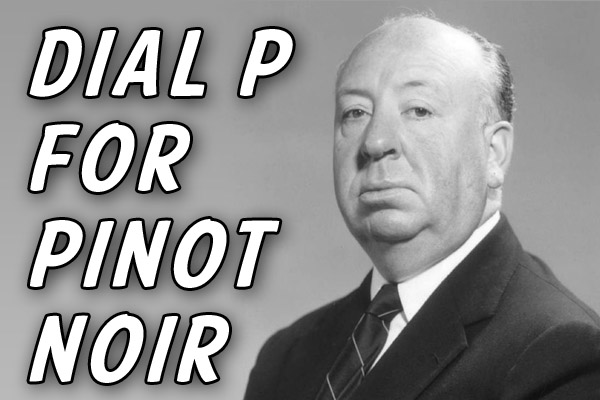
For Hitchcock to use a bottle of wine as the “MacGuffin” – a desired object that the protagonist pursues in a movie – is not surprising.  A passionate oenophile, the Master of Suspense was renown for giving those who visited his Bel-Air mansion a detailed tour of the custom built wine cellar he had installed.  And having purchased a vineyard in the Santa Cruz Mountains probably explains why many of his movies including The Birds were filmed in Northern California.  But his choice of 1934 Pommard as the bottle to store the uranium ore in reflects Hitch’s passion for French wines, and more specifically, the region of Burgundy.

While a collector of the best Bordeaux and Champagne, Hitchcock was most fervent about Burgundy’s Pinot Noir grapes. And just how one careless error broke the bottle ’34 Pommard and the secrets in it, the same rings true for any vintner who doesn’t pay close attention to detail while cultivating Pinot Noir.  As he would explain to actress Tippi Hedren in the 2012 made-for-TV movie The Girl: “It’s called the heartbreak grape. Do you know why? Of all the grapes used to make wine, these are the most fragile. It has a very thin skin, prone to disease, mould, every kind of rot and virus known to the vintner’s art. So growing Pinot Noir is a bit like making a movie – heartbreak guaranteed.”

Good evening, indeed!

Have you seen Notorious?

View Results

Loading ... Loading ...

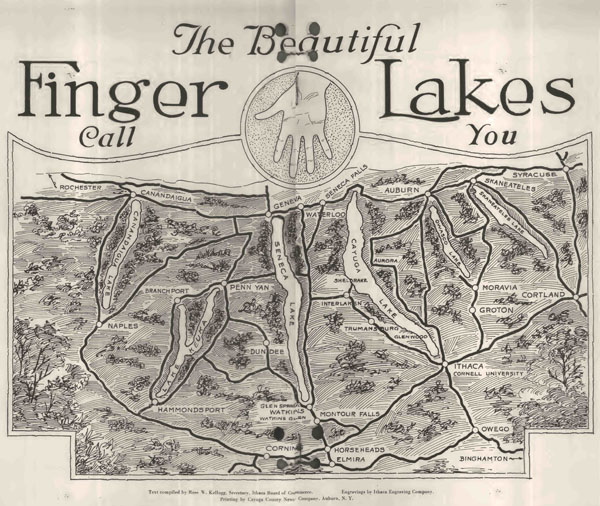
10 interesting facts about Finger Lakes Wine

April 11th, 2014 by Joseph Temple


Finger Lakes Wine

By Joseph Temple

After a brutal and unforgiving winter, the United States Department of Agriculture declared the Finger Lakes to be a disaster zone.  What impact this will have on the current harvest is still unknown, but with the area in the news, here’s ten interesting facts about this upstate New York wine region:

Special thanks to the New York Wine & Grape Foundation for providing most of these facts.

The Finger Lakes were created by Ice Age glaciers

This provided drainage crucial for grape growing.
By Flickr user: Plutor South Boston, Massachusetts http://www.flickr.com/people/plutor/ [CC BY 2.0], via Wikimedia Commons

The deep lakes retain warmth in the winter and winter cold during the spring.
By Visit Finger Lakes (Flickr: Sunrise overlooking a vineyard) [CC BY 2.0], via Wikimedia Commons

Grapes were first discovered by Americans in 1779 near Canandaigua Lake during the Sullivan Expedition.

Today, nearly 90% of all wine produced in the state of New York comes from the Finger Lakes region.

By Agne27 (Own work) [CC BY-SA 3.0], via Wikimedia Commons

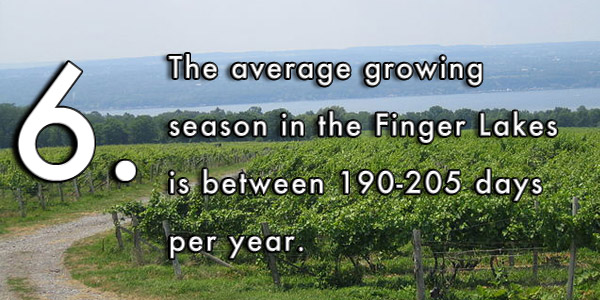
The average growing season in the Finger Lakes is between 190-205 days per year.

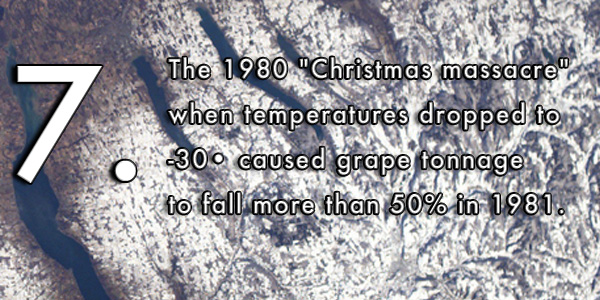
The 1980 "Christmas massacre" when temperatures dropped to -30• caused grape tonnage to fall more than 50% in 1981.

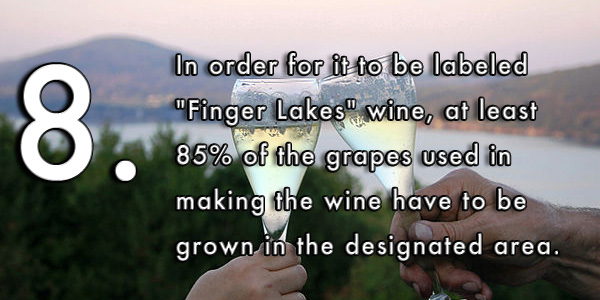
In order for it to be labeled "Finger Lakes" wine, at least 85% of the grapes used in making the wine have to be grown in the designated area.
By Flickr user: Valerie Knoblauch Canandaigua, New York http://www.flickr.com/people/visitfingerlakes/ [CC BY 2.0], via Wikimedia Commons

Currently, there are more than 110 wineries in the Finger Lakes region.
By Bill (Flickr) [CC BY 2.0], via Wikimedia Commons

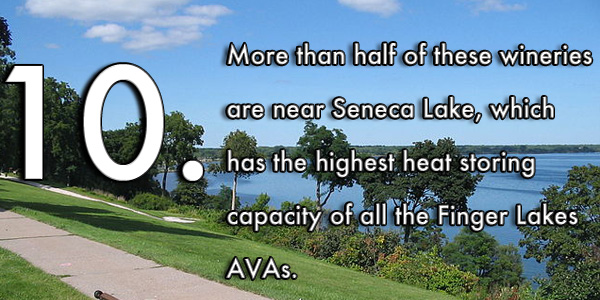
More than half of these wineries are near Seneca Lakes, which has the highest heat storing capacity of all the Finger Lakes AVAs.


The International Wine & Food Society is proud to have a strong presence across the state of New York with branches in New York City, Long Island and Buffalo.  Please click on any of the links to visit their respective websites.

Have you tasted wine from the Finger Lakes?

View Results

Loading ... Loading ...
Older Entries
Newer Entries
The object of the Society is to bring together and serve all who believe that a right understanding of good food and wine is an essential part of personal contentment and health and that an intelligent approach to the pleasures and problems of the table offers far greater rewards than the mere satisfaction of appetite.
Andre Simon Wine & Food Society Founder (1933)
© 2026 The International Wine & Food Society (IW&FS) IW&FS
Credits | Privacy | Accessibility