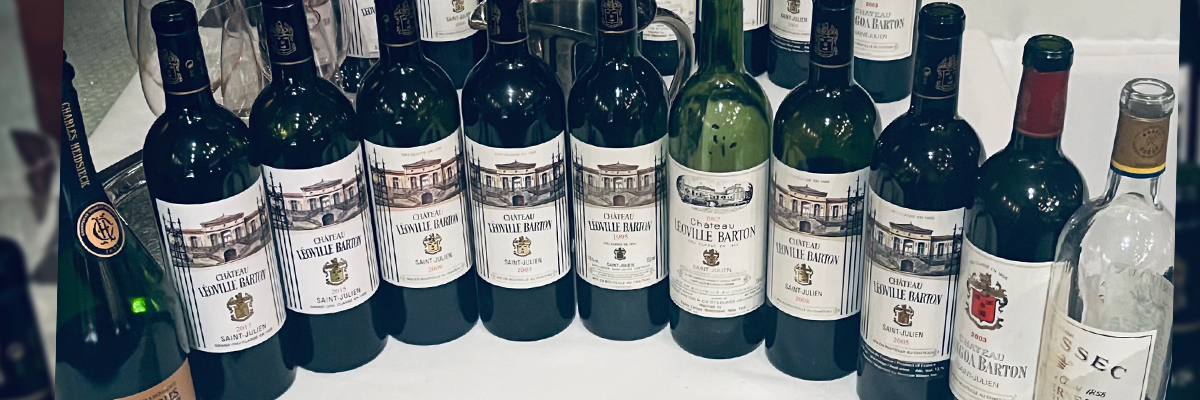
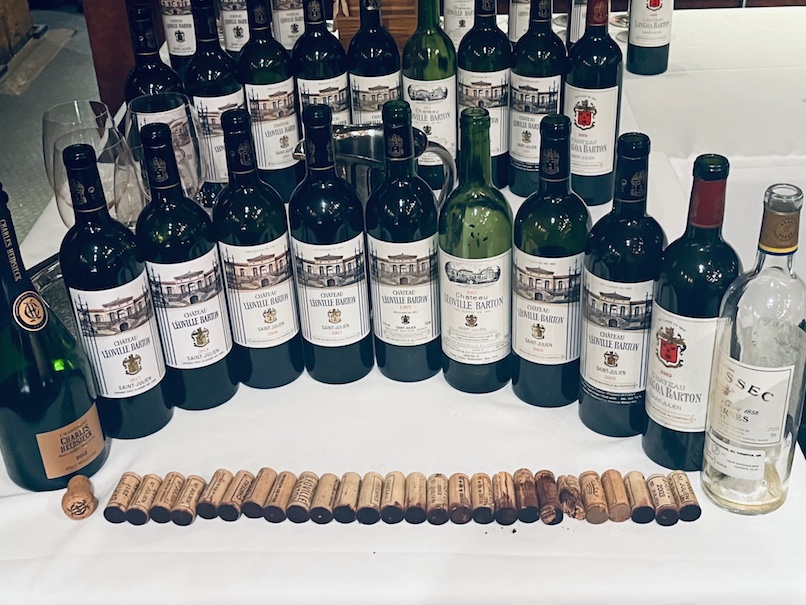
Chateau Leoville Barton Saint-Julien is a popular red Bordeaux that has consistently offered excellent quality for its price over the years. Accordingly, many of us here in British Columbia have collected and admired it. Different vintages of this wine have been referenced many times on this Blog including a recent vertical tasting by our Group of Eight on September 23, 2025, which was posted here on October 7. A second vertical of Chateau Leoville Barton was held by the Vancouver Commanderie de Bordeaux at Blue Water Cafe on February 10, 2026, featuring different vintages, but including three identical ones: 2003, 1995, and 1982. All the wines for the first tasting came from the same local source acquired on initial release and kept unmoved in cool storage. In contrast, the wines for the second tasting were recently sourced from warmer locations, assembled, and then moved to Vancouver. The difference was clearly noticeable to your scribe: the first tasting trio was darker, deeper, and slower aging than the second trio, which was more open approachable and mature – actually a good thing. Interestingly, the 1982 vintage showed better this time. Unfortunately one of my favs the classic 2000 was not present at either vertical. The first tasting had only one bottle of each vintage, and the second had three. All bottles were sound, though they varied. This just shows the inevitable bottle variation that always exists when consuming older wines. Be open-minded about how your old bottle is actually showing at this specific point.
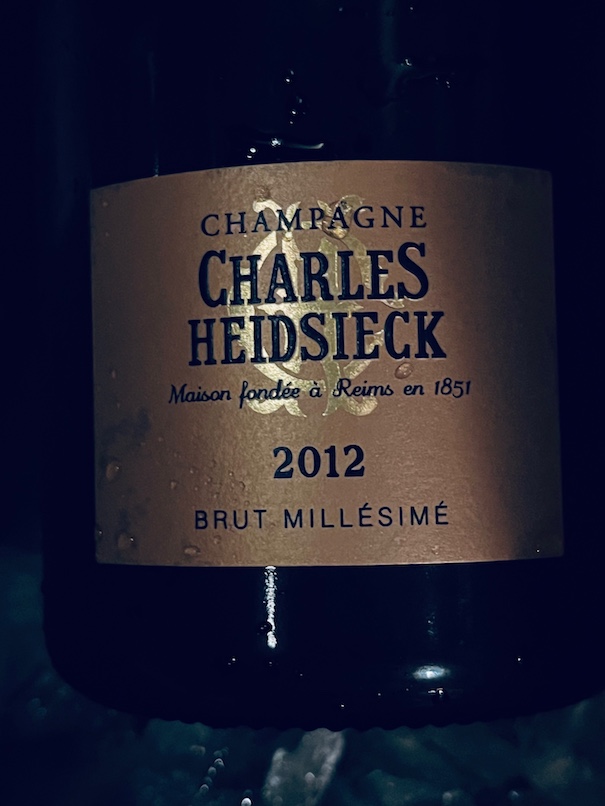
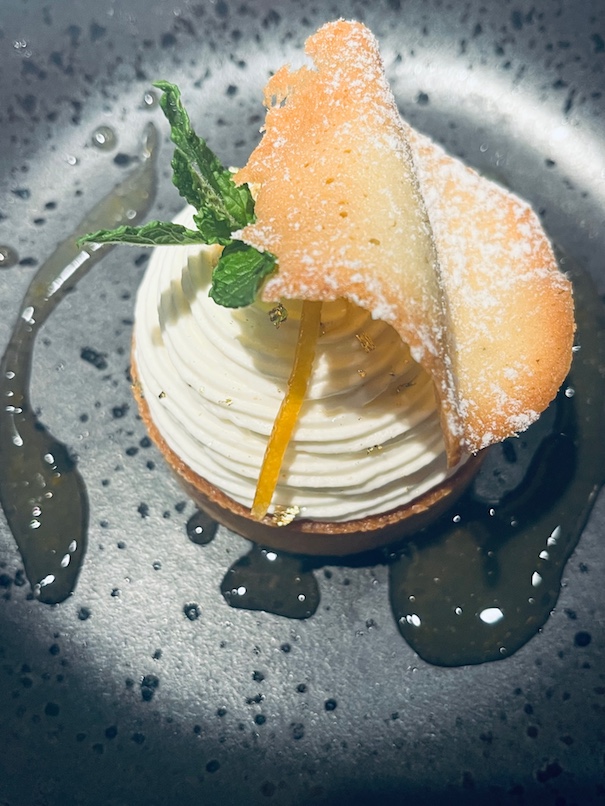
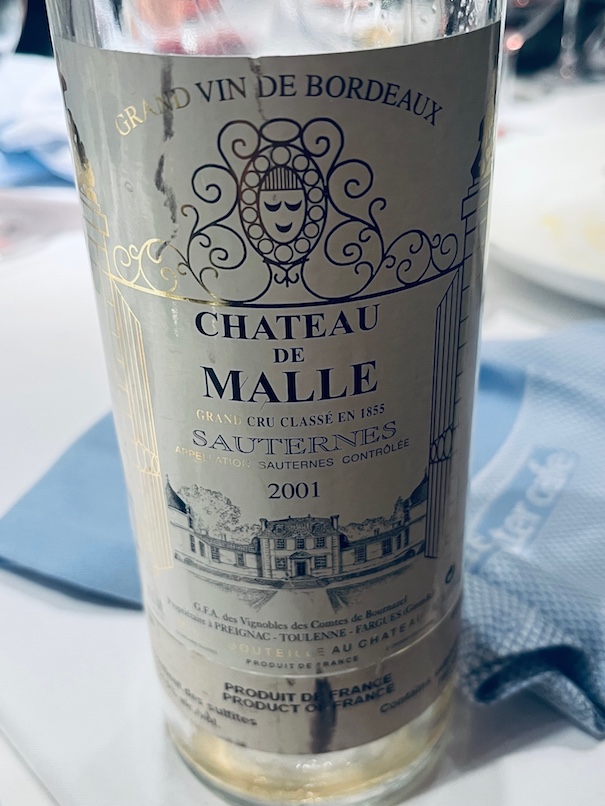
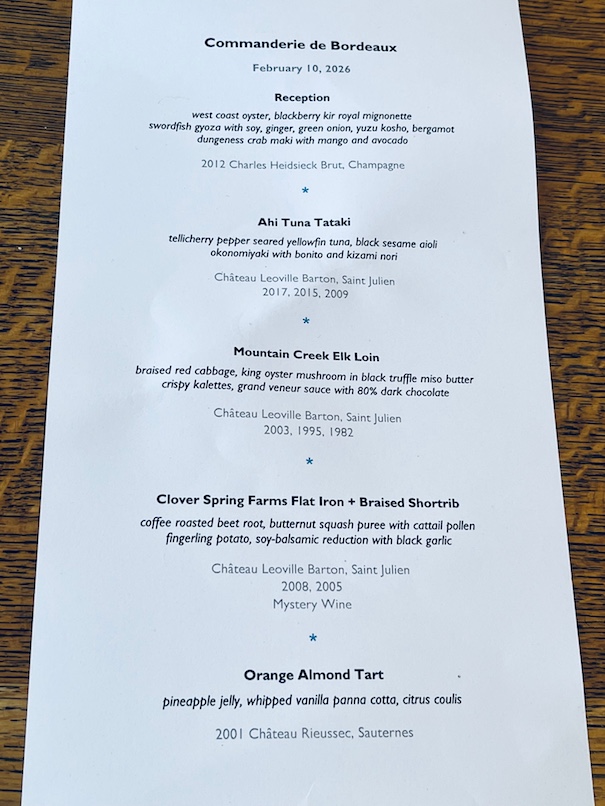
Some excellent hors d’oeuvre of sweet Dungeness crab, swordfish gyoza and fresh briny Kusshi oysters paired well with the aperitif: 2012 CHARLES HEIDSIECK VINTAGE BRUT, composed of 60% Pinot Noir & 40% Chardonnay disgorged in 2021 after 8+ years on the lees. Admired the fresh crisply balanced yet creamy and toasty concentration of these bubbles. It has rich flavours and is drinking beautifully now, but it should easily remain on this beautiful plateau of enjoyment for at least another 10+ years. We finished with two Sauternes from the exceptional 2001 vintage showing distinctively different stylings. CHATEAU RIEUSSEC 2001 has deep gold rich full noble rot botrytis with intense complex concentration compared to the lighter, clean, elegant, forward CHATEAU DE MALLE 2001 bonus treat. Both matched the dessert’s notes of orange, almond, citrus, and pineapple.
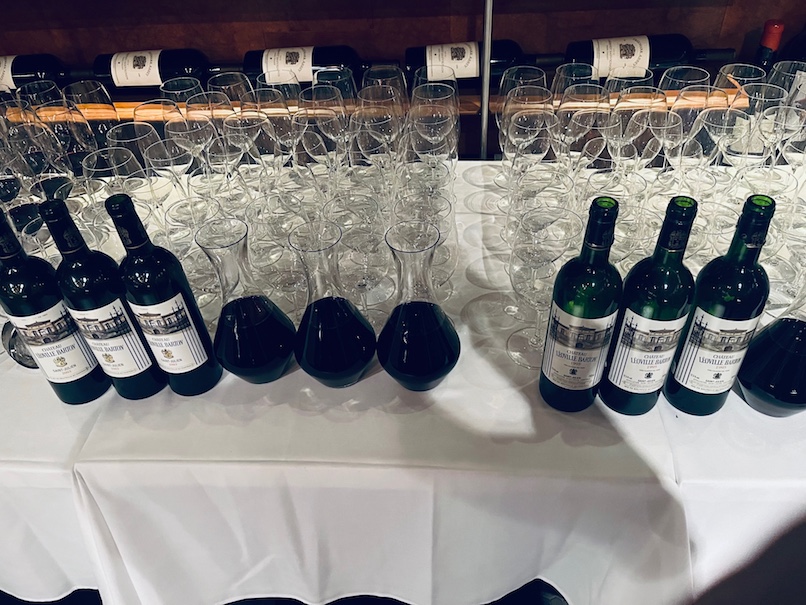
Nine red wines across three flights, each with three vintages, with brief impressions:
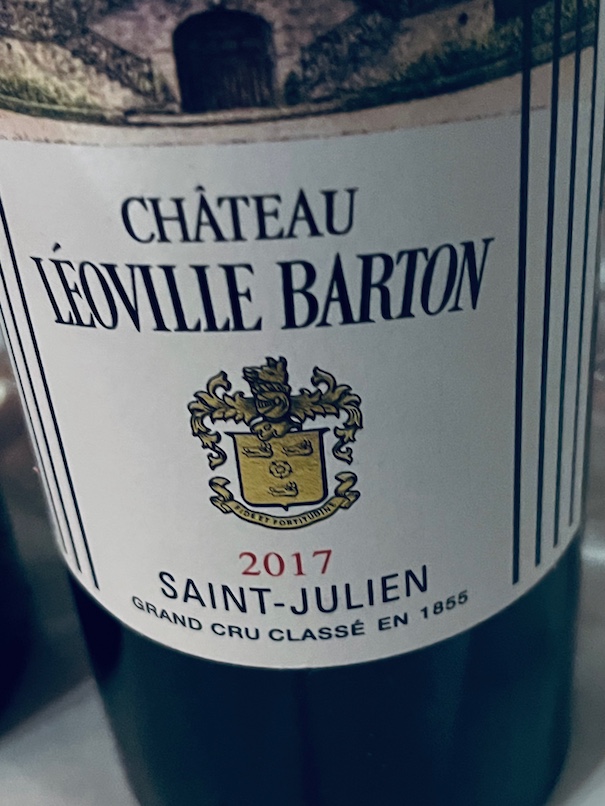
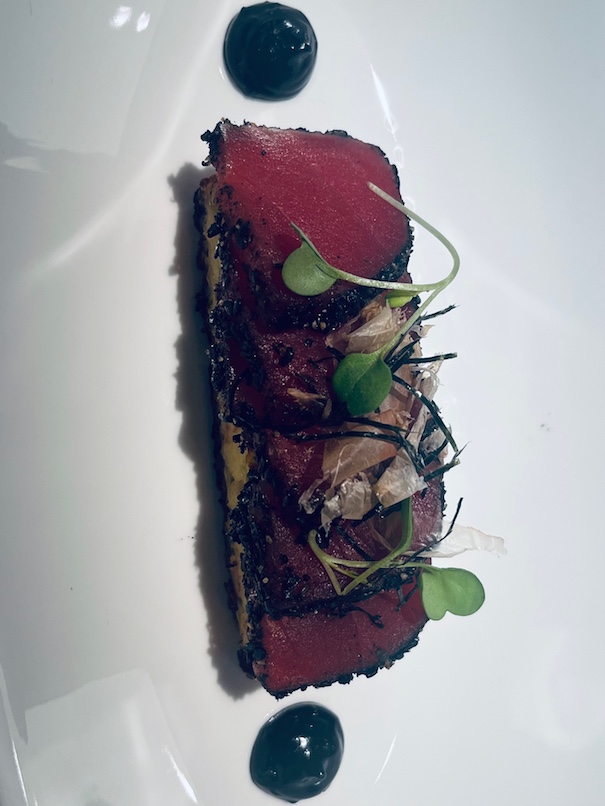
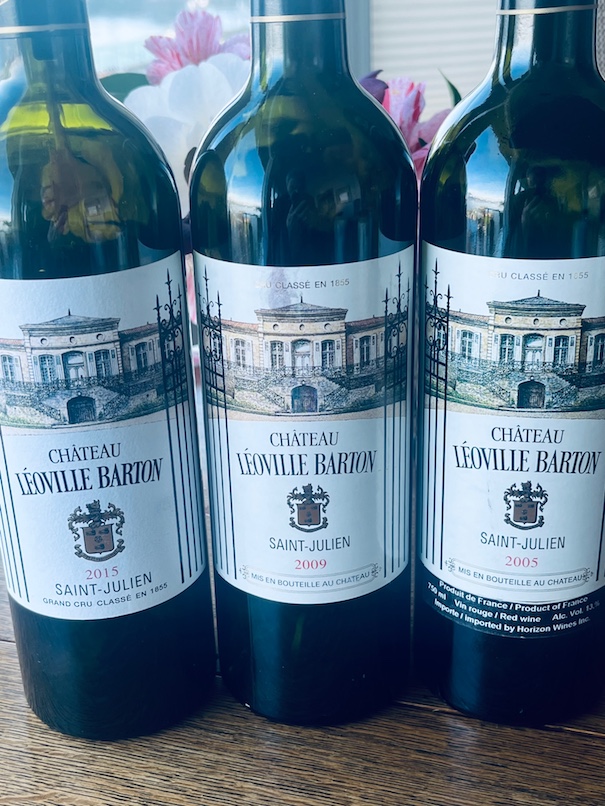
2017 CHATEAU LEOVILLE BARTON SAINT-JULIEN: This 51 hectare Estate grows 74% Cabernet Sauvignon, 23% Merlot, and 3% Cabernet Franc. However, the 2017 blend used a very high 93% Cabernet Sauvignon & 7% Merlot (September rains affected the Merlot & Cabernet Franc), resulting in a deep, young Cabernet Sauvignon statement. However, it is less powerful than expected showing the finesse of the 2017 vintage well. Blair Curtis commented on this first flight that it has “a good open nose with a mix of red and black fruits but not the stamina for long aging.” Nick Wright really liked this vintage,” noting the nice definition provided by the high Cabernet Sauvignon.” Best younger vintage with the tasty tuna starter.
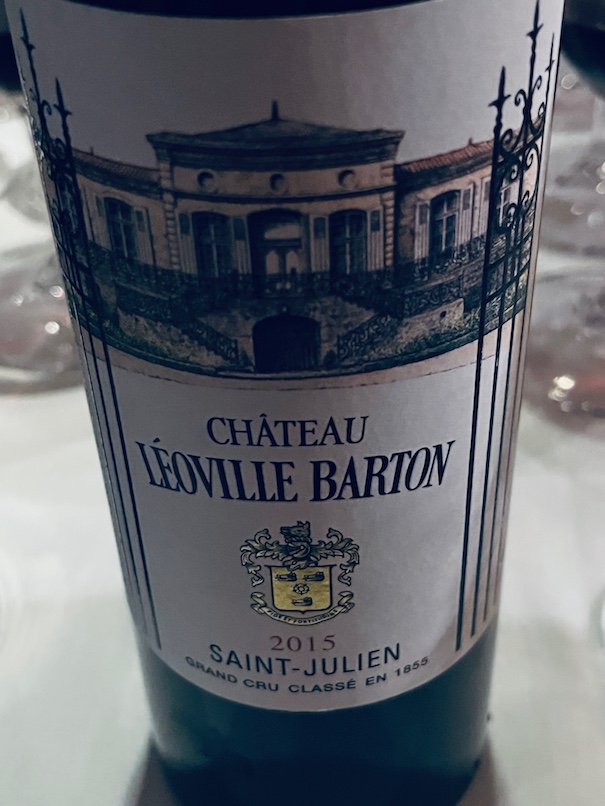
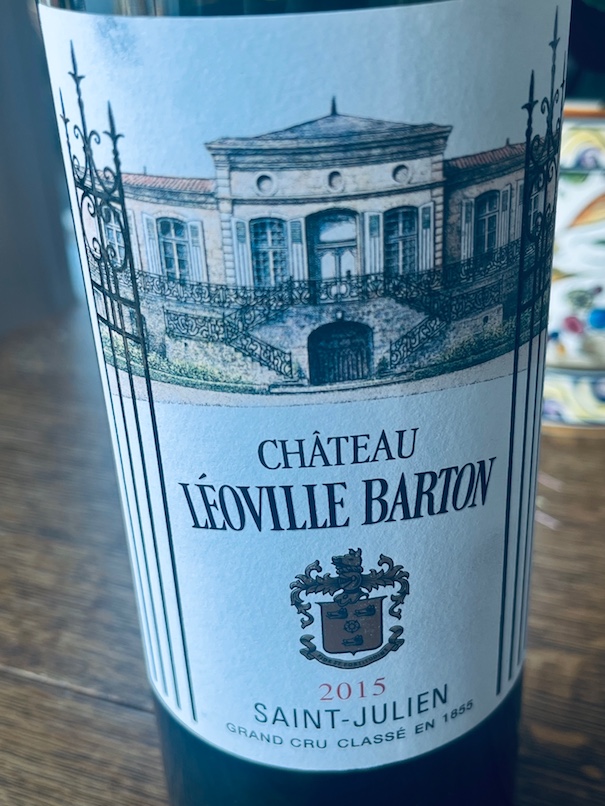
2015 CHATEAU LEOVILLE BARTON SAINT-JULIEN: 86% CS & 14% Merlot; Again, no Cab Franc in the blend with 60% new oak at only 13 ABV. Darker, deeper, riper, bigger cassis dense fruit with prominent tannins, characteristic of 2015. Patience is needed. Blair found “minerals and metallic notes, but not unpleasant with raspberries and dry, firm, finishing tannins.”
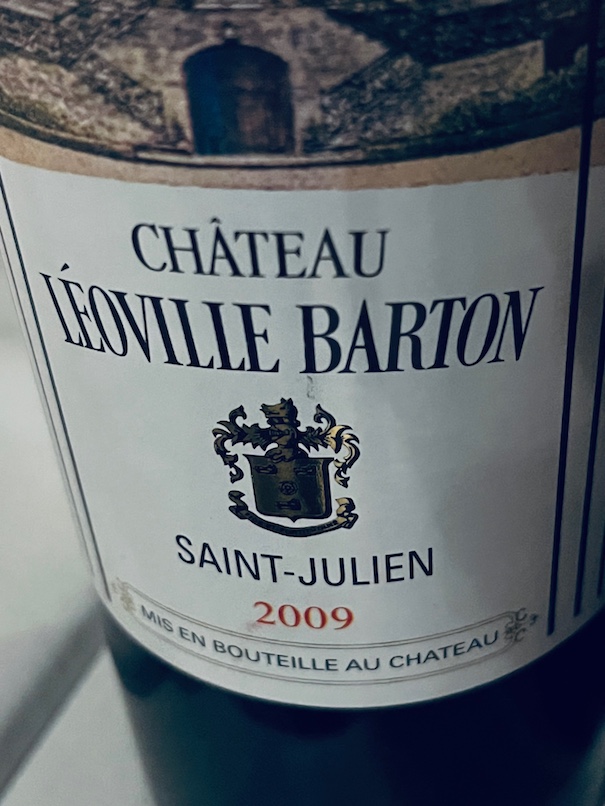
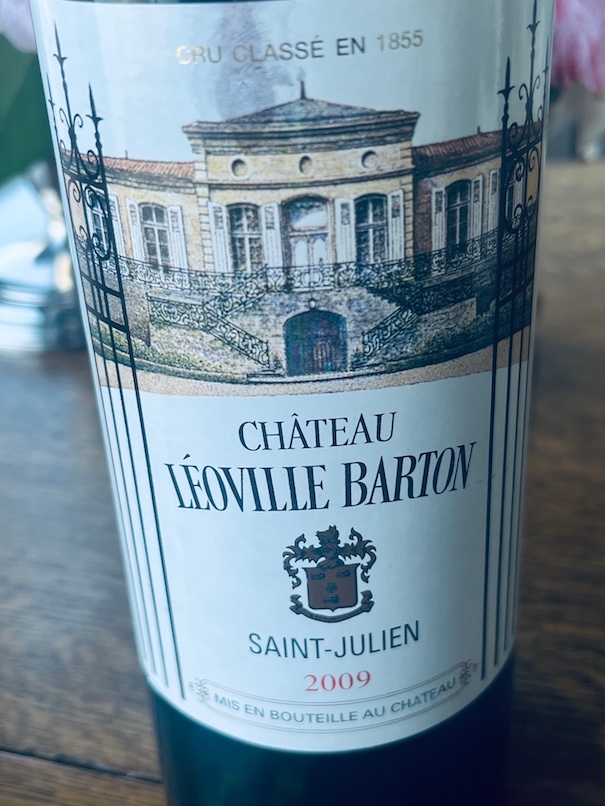
2009 CHATEAU LEOVILLE BARTON SAINT-JULIEN: 77CS/22M/1CF with 60% new oak at 13 ABV. A stand-out from the start as Wine Enthusiast #3 in Top 100 of 2012. Like the St. Julien’s definition, but it shows more Merlot than the last two wines. Starting to show some tertiary bouquet development of juicy plums & black currants with cedar notes. Blair said, “Less Cab Sauv, but the biggest and ripest tannins are integrating.” Fred Withers liked this vintage. Group favourite.
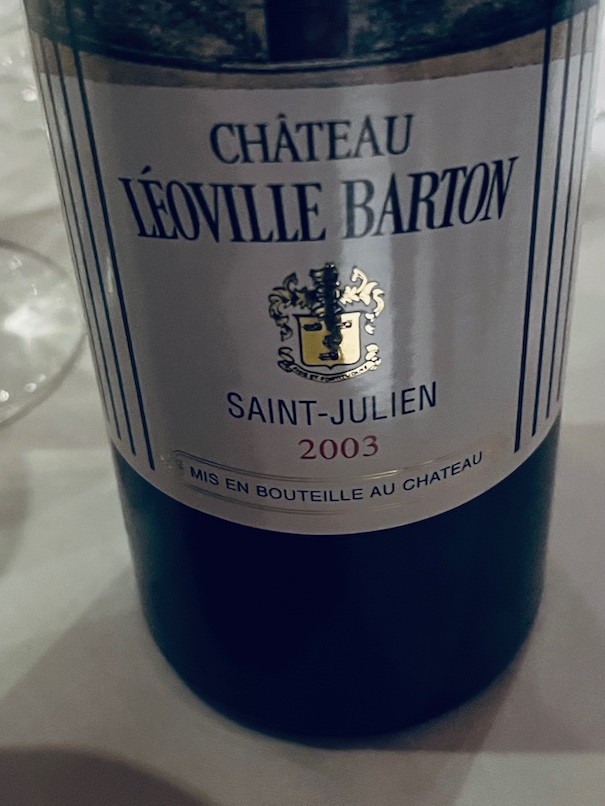
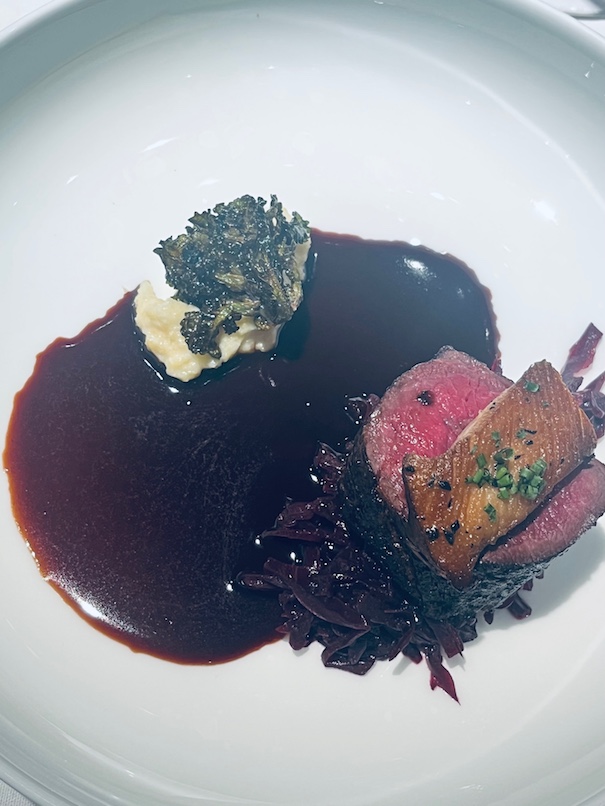
2003 CHATEAU LEOVILLE BARTON SAINT-JULIEN: Hot year of 74CS/23M/3CF harvested September 11-22 using 70% new oak. Lovely drinking now but much lighter than the October 2025 bottle. It doesn’t seem as big, ripe, or youthful here. Nick Wright found “a sweet spot drinking well.” Great with the unique 80% dark chocolate sauce on the Elk course.
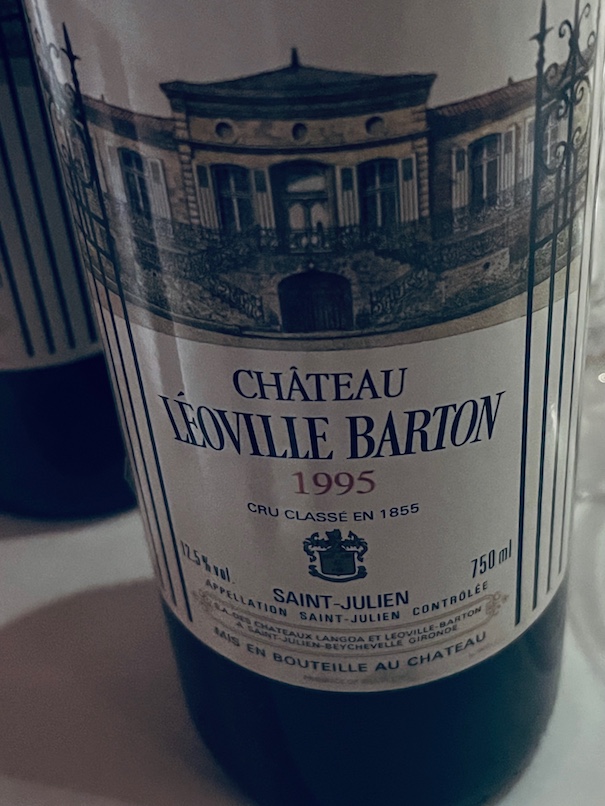
1995 CHATEAU LEOVILLE BARTON SAINT-JULIEN: 78CS/19M/3CF harvested September 19-28 at 12.5 ABV. It is aging way slower than the 2003 vintage, but it is more open and forward than the bottle showing in October 2025. Textbook older Leoville Barton. This tasting seems less conducive to slow potential, as it shows lighter in development and matures faster due to storage, though flight commentator Bill Sirett smartly stated, “It needs time.”
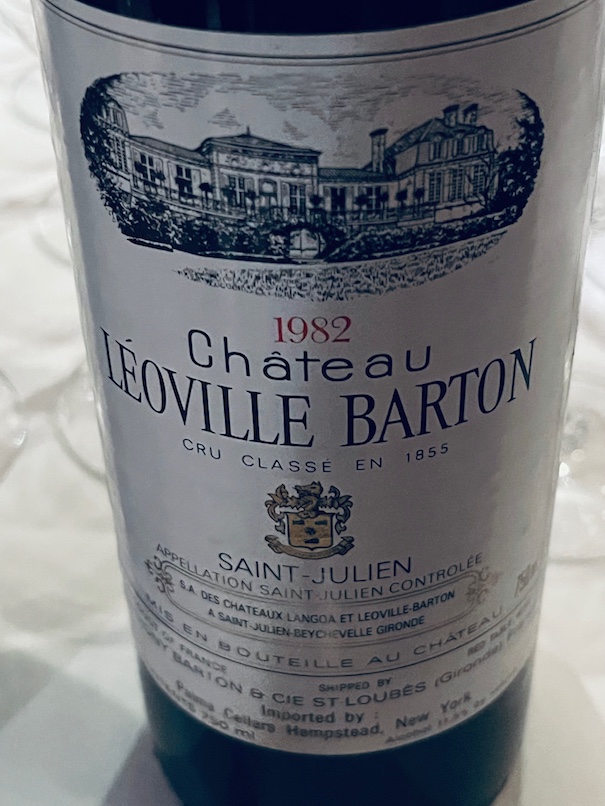
1982 CHATEAU LEOVILLE BARTON SAINT-JULIEN: 72CS/20M/8CF with no new oak used. Often “rustic” but sweet soft ready very mature bottles were here, varying somewhat. Not as successful as many 1982 St. Julien’s properties, including recent tastings of Leoville Las Cases, Gruaud-Larose, Talbot, Beychevelle, and Branaire Ducru, all shone much brighter. I wish we had the 1986 tonight because it showed brilliantly in October 2025 and this underrated, concentrated, intense beauty is starting to reveal attractive charm as well.
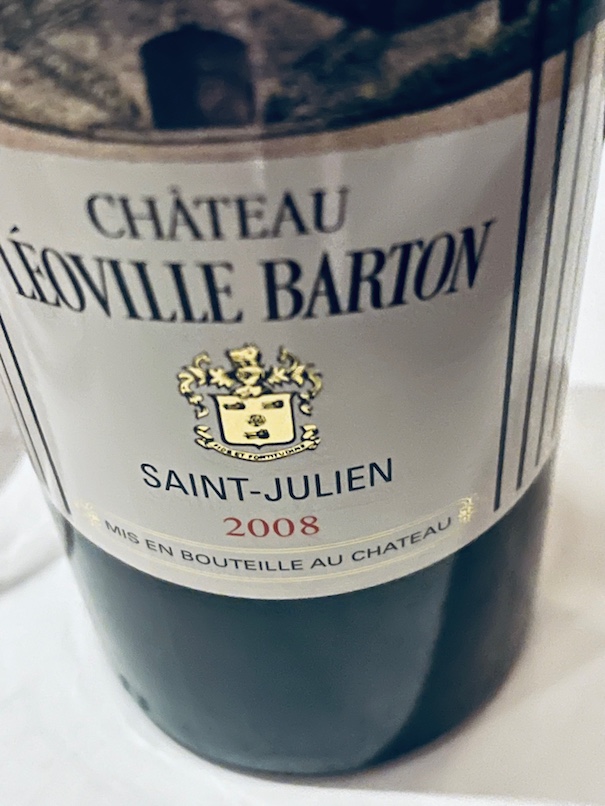
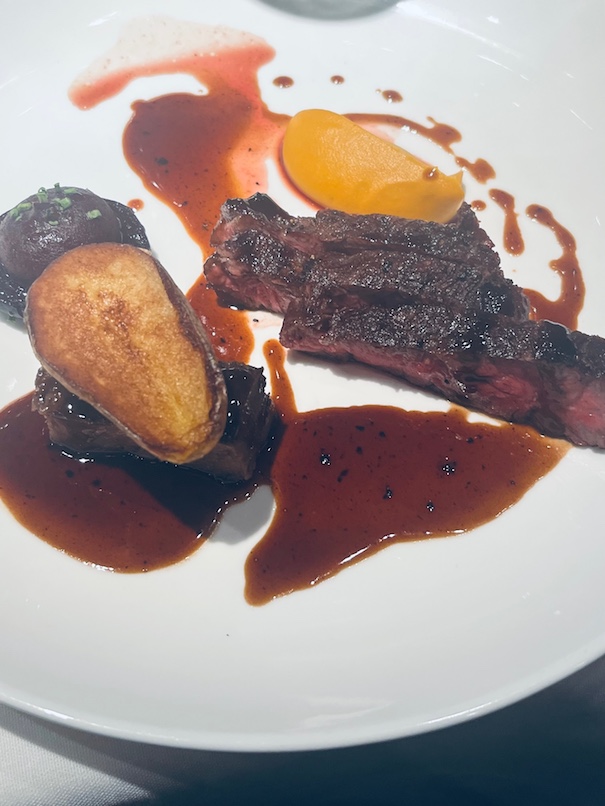
2008 CHATEAU LEOVILLE BARTON SAINT-JULIEN: The typical blend surprises better than expected, featuring stylish yet chateau trademark medicinal notes. Flight commentator Dr. Bob Rothwell found “graphite with the peppercorn cassis.” Like those flavours together with the Flat Iron & Shortrib main course.
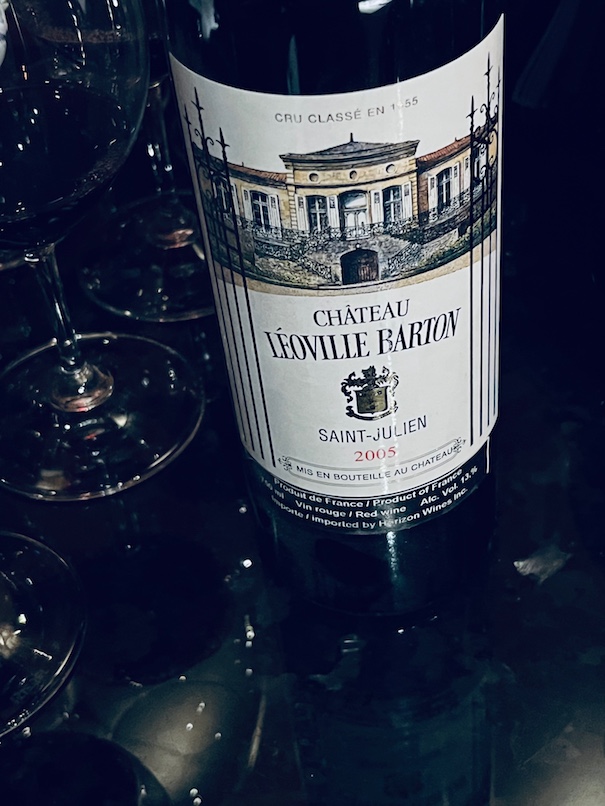
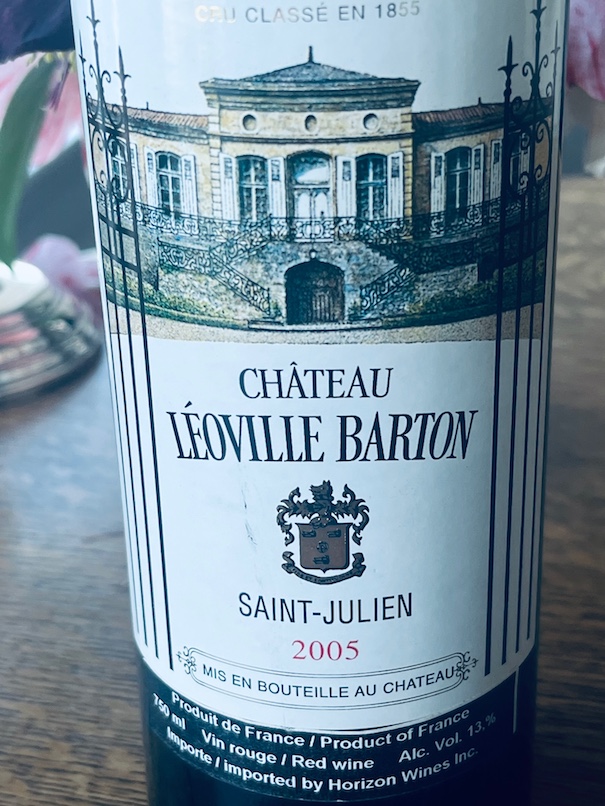
2005 CHATEAU LEOVILLE BARTON SAINT-JULIEN: Outstanding vintage, aged 50% in new oak, shows superb, balanced structure. Also admired for its intense richness, the elegant, delicate styling—which becomes more evident at 20 years of age—is still somewhat hidden. Really special and will age so well. My fav of the evening.
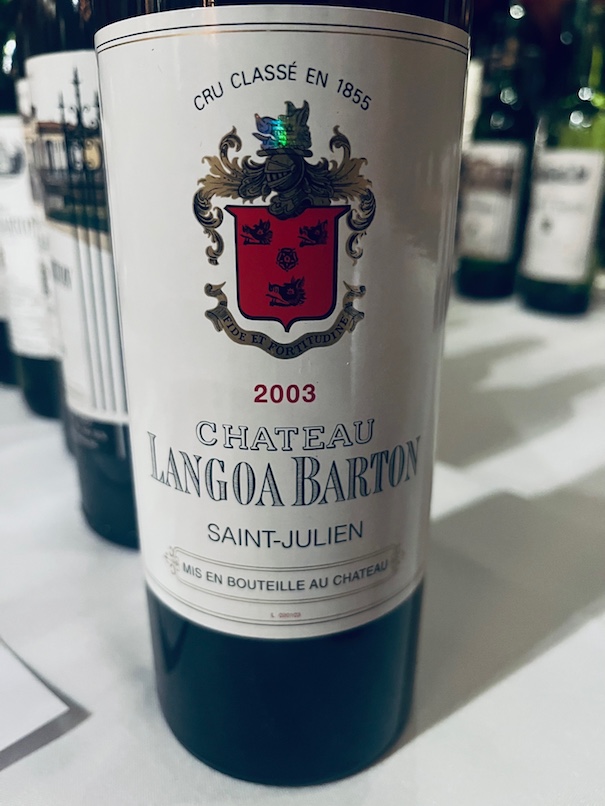
2003 CHATEAU LANGOA BARTON SAINT-JULIEN: Served double blind as a MYSTERY wine. There were many guesses, ranging from 2010 vintage to Chateau Leoville Poyferre but it seemed lighter, softer, older and mature. Not surprising really as this blend is ripe and forward, with the least 57CS/most 34M/most 9CF. Fun experience.
You might also like:
 |
 |
 |